
Ghumoopedia — Explore, Discover, Experience
Sign in

Cultural · Uttar Pradesh

Taj Mahotsav

Shilpgram, Agra

Dates

Last verified 17 November 2026. Confirmed: announced by organisers or government. Provisional: from a published almanac, not yet announced. Seasonal: no date announced.

The complete guide

Taj Mahotsav: everything to know before you go

Also known as
Taj Craft Carnival, Agra Taj Mahotsav, Shilpgram Festival
State & District
Uttar Pradesh — Agra District (Agra City, Shilpgram near Taj Mahal)
When
February 18 – 27 (Annually for 10 Days)
Duration
10 Consecutive Days
Faith & Community
Secular, Cultural Tourism, Pan-Indian Artisan Showcase
Type
State Cultural Festival, Handicrafts Fair, Performing Arts Festival
Entry
Nominal entry ticket (approx. ₹50 for adults; free for young children & foreign tourists)
Best for
Handicraft shoppers, foodies, classical music lovers, cultural tourists, families

Overview

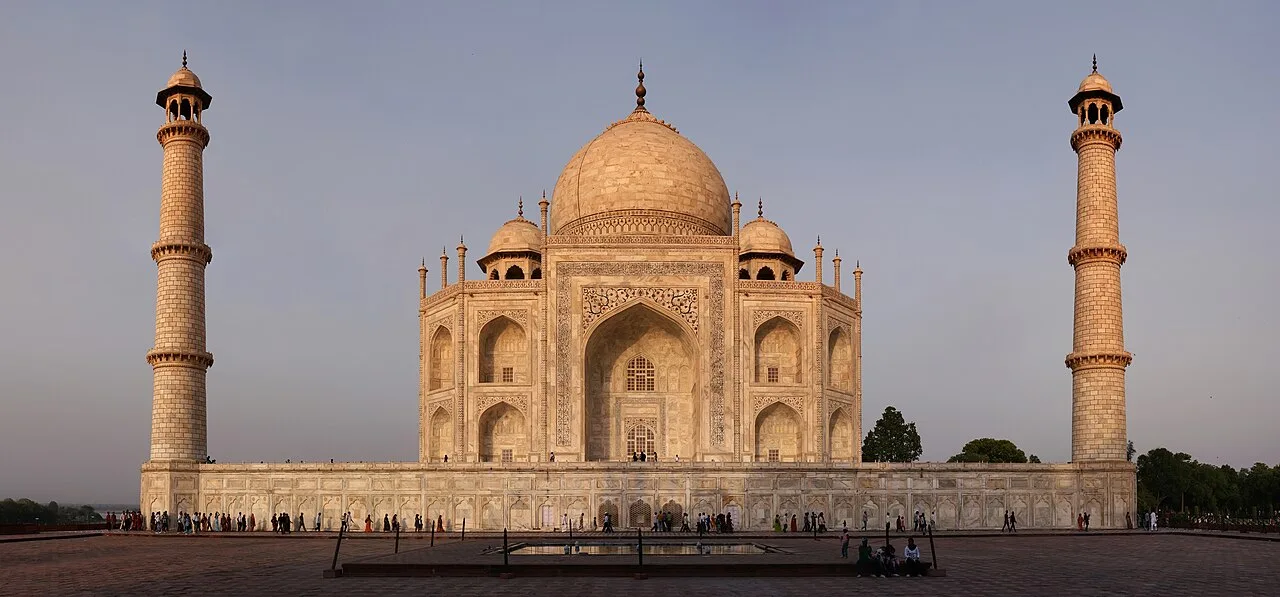
Taj Mahotsav is a grand 10-day cultural extravaganza organized annually from February 18 to 27 by Uttar Pradesh Tourism at Shilpgram, a dedicated crafts village situated just 500 meters from the eastern gate of the iconic Taj Mahal in Agra. Initiated in 1992, the festival was established to celebrate India's rich artistic heritage, promote traditional master artisans, revive regional folk music and dance forms, and offer visitors a comprehensive showcase of Indian culture against the backdrop of Mughal architectural magnificence.

The festival opens with a magnificent elephant and camel procession reminiscent of Mughal victory parades, complete with brass bands, caparisoned animals, and folk dancers. Over 400 master craftspersons from every state of India assemble at Shilpgram to display and sell authentic traditional handicrafts—ranging from Agra's famous *Pietra Dura* marble inlay art to Kashmiri shawls, Kantha embroidery, Saharanpur wood carvings, and Chanderi silks.

Concurrently, Taj Mahotsav features nightly classical and contemporary music recitals, Ghazal evenings, Sufi Qawwalis, Bollywood musical nights, and a dedicated food festival bringing together authentic regional cuisines from across India. The festival attracts over 300,000 domestic and international visitors over its ten-day run, functioning as a vibrant marketplace for cultural exchange and economic empowerment of traditional craft communities.
Origins and legend

While Taj Mahotsav is a modern state-sponsored festival, its inspiration stems directly from the golden era of Mughal art, architecture, and international trade during the 16th and 17th centuries under Emperor Shah Jahan. Agra was then the global epicenter of art, attracting Persian stonecutters, Central Asian calligraphers, European jewelers, and Indian master weavers who together constructed the Taj Mahal and Agra Fort.

The venue, Shilpgram, was developed specifically to recreate the historic *Meena Bazaar*—the royal court bazaars of the Mughal era where artisans presented their finest creations directly to royalty and international traders. The festival celebrates this historical synthesis of Mughal grandeur and Indian folk traditions, providing a living tribute to the unsung master artisans who shaped India's architectural wonders.

How it is celebrated

Taj Mahotsav opens with a spectacular inaugural parade featuring decorated elephants, royal horses, folk dance troupes, and martial art performers marching through Agra's heritage zone to Shilpgram. High government dignitaries and cultural icons inaugurate the 10-day fair amid fanfare and laser light displays.

Throughout the 10 days, Shilpgram functions as a bustling artisan bazaar from 10:00 AM to 10:00 PM. Visitors explore hundreds of bamboo stalls where master craftspersons conduct live demonstrations of intricate crafts—such as carving floral motifs into white marble, hand-weaving Banarasi brocades, or painting miniature Rajasthani artworks.

Every evening at 6:30 PM, the main open-air auditorium at Shilpgram comes alive with cultural programs. The lineup features world-renowned classical vocalists, Kathak dance exponent ensembles, Sufi Qawwali groups from Fatehpur Sikri and Nizamuddin, and folk dance performances representing every corner of India.

The Cultural Days

Specific evenings are dedicated to distinct themes: *Classical Music Night* (featuring Sitar and Sarod duets), *Ghazal Night* (celebrating Urdu poetry), *Sufi Night* (soul-stirring Qawwali recitals), *Kavi Sammelan & Mushaira* (poetic symposiums), and *Bollywood Musical Night*.

A dedicated *Funfair and Amusement Park* operating alongside the crafts fair provides giant ferris wheels, toy trains, camel rides, and arcade games for children and families, making it a complete family leisure destination.

The Pilgrimage Days

While Taj Mahotsav is primarily a cultural and tourism festival, visitors combine their festival trip with visits to Agra's iconic UNESCO World Heritage Sites: the Taj Mahal, Agra Fort, Fatehpur Sikri, and Itmad-ud-Daulah (Baby Taj).

Pilgrims also visit historic temples in Agra such as Mankameshwar Temple, Balkeshwar Temple, and the sacred Jain shrines of Shauripur located nearby in Agra district.

Food and flavours

The Food Festival at Taj Mahotsav is a major highlight, featuring authentic regional cuisines curated by master chefs and street food legends. A primary culinary icon is Agra Petha—the translucent ash-gourd sweet available in dozens of flavors including Angoori, Paan, Kesar, and Chocolate.

Visitors savor rich Mughal and Awadhi delicacies such as *Galouti Kebab*, *Mughlai Biryani*, *Nihari-Kulcha*, *Bedai-Aloo* (Agra's signature crisp puffed bread served with spicy potato gravy and sweet jalebi for breakfast), *Hyderabadi Haleem*, and Rajasthani *Dal Baati Churma*.

Music, dance, art and dress

The artistic spectrum ranges from classical Hindustani music to vibrant folk dances—including *Bhangra* from Punjab, *Ghoomar* from Rajasthan, *Bihu* from Assam, *Sambalpuri* from Odisha, and *Lavani* from Maharashtra.

Shopping art items include marble inlay tableware, Zardozi embroidered leather shoes (*Juttis*), brassware from Moradabad, blue pottery from Jaipur, and chikankari garments from Lucknow. Visitors wear comfortable smart-casual or ethnic attire.

Where to experience it

The entire festival is hosted at Shilpgram Crafts Village, located at Taj East Gate Road, Agra.

Visitor guide

Getting there

Agra is connected via the 6-lane Yamuna Expressway (2 hours drive from New Delhi). Agra Cantt (AGC) is a major railway station on the Delhi-Mumbai main line. Pandit Deen Dayal Upadhyay Airport (AGR) has flights connecting major cities. Electric auto-rickshaws operate continuously between Agra city hotels and Shilpgram.

Where to stay

Agra offers world-class luxury hotels near Fatehabad Road (such as ITC Mughal, Oberoi Amarvilas, and Taj Hotel & Convention Centre) as well as budget hotels and boutique homestays near Taj East Gate.

What to wear & pack

Late February in Agra offers pleasant spring weather (15°C–25°C). Wear comfortable walking shoes, sunglasses, a light jacket for cool evenings, and carry cash/cards for shopping.

Etiquette

Bargaining is accepted at commercial stalls, though fixed prices apply at government-certified master artisan booths. Respect artists when photographing their live craft demonstrations.

Safety & comfort

Shilpgram is well-secured with CCTV monitoring and police help desks. Keep personal belongings secure in crowded shopping aisles.

Today and tomorrow

Taj Mahotsav has expanded into a major international cultural brand, boosting local artisan livelihoods and regional tourism in western Uttar Pradesh. UP Tourism has introduced online ticket booking, digital artisan directories, and eco-friendly waste management across Shilpgram.

Future directions focus on zero-plastic initiatives, promoting natural handloom fabrics, and creating virtual reality (VR) craft workshops to preserve traditional Indian handicrafts for international audiences.

Nearby

Places to see around the festival