
Ghumoopedia — Explore, Discover, Experience
Sign in

Religious · Rajasthan

Teej, Jaipur

Jaipur

Dates

Last verified 17 November 2026. Confirmed: announced by organisers or government. Provisional: from a published almanac, not yet announced. Seasonal: no date announced.

The complete guide

Teej, Jaipur: everything to know before you go

Fact
Details
Where
Rajasthan — widely celebrated in Jaipur and district towns
When
July–August (Shravana/Monsoon season) — date varies with the Hindu lunar calendar
Duration
1–3 days (main observance on a single day; processions and fairs may extend)
Who takes part
Hindu; particularly celebrated by women and families across Rajasthan
Type
Religious, cultural, seasonal (monsoon thanksgiving)
Entry
Free; some private events or special pandals may charge a small fee
Best for
Cultural travellers, photographers, those interested in Rajasthani dress and devotional life

Overview

Teej is one of Rajasthan’s most colourful and women-centred festivals, marking the onset of the monsoon and celebrating marital harmony, renewal and fertility. In Jaipur the day is visible in the streets: women dress in bright ghagras and odhnis, hennaed hands are held aloft, and groups sing, dance and process to local temples. The festival combines devotional observance — fasting for a long and prosperous married life — with lively public celebration. Teej in Rajasthan is both intimate (family rituals, blessings at home) and exuberant (community fairs, staged performances, and public swings decorated with flowers). The mood is joyful and expectant: monsoon clouds bring relief to the parched landscape and a renewed sense of abundance. Local markets fill with new garments and bangles, and visitors see an array of traditional textiles, jewellery and culinary treats unique to the season.
Origins and legend

Teej’s origins are rooted in ancient Hindu mythology and agrarian seasonal cycles. The festival honours the return of Lord Shiva to his consort Parvati after a long period of penance; Parvati’s devotion and fasting to win Shiva’s hand are central to the narrative. In many narratives the union of Shiva and Parvati represents cosmic balance, and Teej symbolises the spiritual and social virtues of fidelity and wedded love. Agriculturally, Teej coincides with the arrival of the monsoon, historically the most critical season for livelihoods across Rajasthan’s farming communities. The monsoon was celebrated as a time of renewal when fields were sown and water returned to wells; rituals and songs that ask for a good harvest merged with devotional rites for marital bliss. Over centuries Teej took on local Rajasthani colours: songs and dances adopted regional meters and the festival incorporated craft markets, swings (palankins and jhulas decorated with marigolds), and food specialities that reflect the region’s seasonal produce.

How it is celebrated

Cultural days (public celebration) — 100+ words

Public life during Teej is vibrant. Streets near temples and in older city quarters become stages for processions, music and communal dancing. Women gather in groups to sing teej songs — devotional, narrative and playful — accompanied by small percussion and hand-clapping. Markets sell new blouses, skirts, jewellery and glass bangles; artisans display mirror-work textiles and embroidered odhnis. Large swings (jhulas) decorated with flowers are set up in courtyards and public squares; groups take turns swinging, sharing sweets and tea while neighbours watch. Cultural programmes staged by local municipal committees feature folk dancers — ghoomar and kalbeliya troupes — and short plays that bring the festival’s myths to life. City hotels and cultural centres may host evening mehfils (musical gatherings) that showcase Rajasthani classical and folk artists.

Pilgrimage and private rites — 100+ words

For many women Teej is a day of fasting, visiting family shrines and performing puja for marital longevity. Married women offer prayers to the deity and to images of Parvati; unmarried women pray for a good husband. Traditional home rituals include applying mehndi (henna) to hands, adorning the forehead with vermilion, and presenting offerings of fruits, sweets and freshly made dishes. Temple visits — especially to neighborhood shrines dedicated to Shiva and Parvati — are central: priests perform special aartis, and women receive blessings while elders distribute prasad. In some communities older women lead younger girls through rites that symbolise adult transition and continuity.

Food and flavours

Teej’s culinary offerings blend fasting foods with rich seasonal treats once the fast is broken. During the fast some women consume sattvic foods: milk-based items, fruits and light savouries. After sunset, celebratory dishes include gatte ki sabzi (gram flour dumplings in spicy gravy), bajra-based rotis, vegetable preparations fresh from early monsoon market produce, and creamy dairy sweets. Special desserts such as malpua (fried sweet pancakes soaked in sugar syrup) and ghevar (a disc-shaped sweet associated with Rajasthan) are shared with family and guests. Street vendors add to the festival palette: deep-fried snacks, sugarcane juice and spicy chaats are popular with onlookers. Local hospitality shines during Teej — homes open their doors, sharing elaborate thalis with neighbours and visiting relatives.

Music, dance, art and dress

Teej is a showcase for classic Rajasthani performance and textile traditions. Women wear bright lehengas and odhnis with heavy mirror work and gota patti embroidery; new bangles are stacked along arms and anklets jingle with each step. Traditional dances like ghoomar — a whirling, graceful dance performed in groups — and kalbeliya performances (snake-charming dance) are performed on festival stages. Folk singers deliver teej songs rich in local idioms; the lyrics combine romance, devotion and monsoon imagery. Artisans display block-printed and tie-dyed fabrics, and henna artists offer intricate motifs that symbolise fertility and auspiciousness. The visual effect across Jaipur’s old city is a layered, colourful tapestry reflecting Rajasthan’s artisanal depth.

Where to experience it

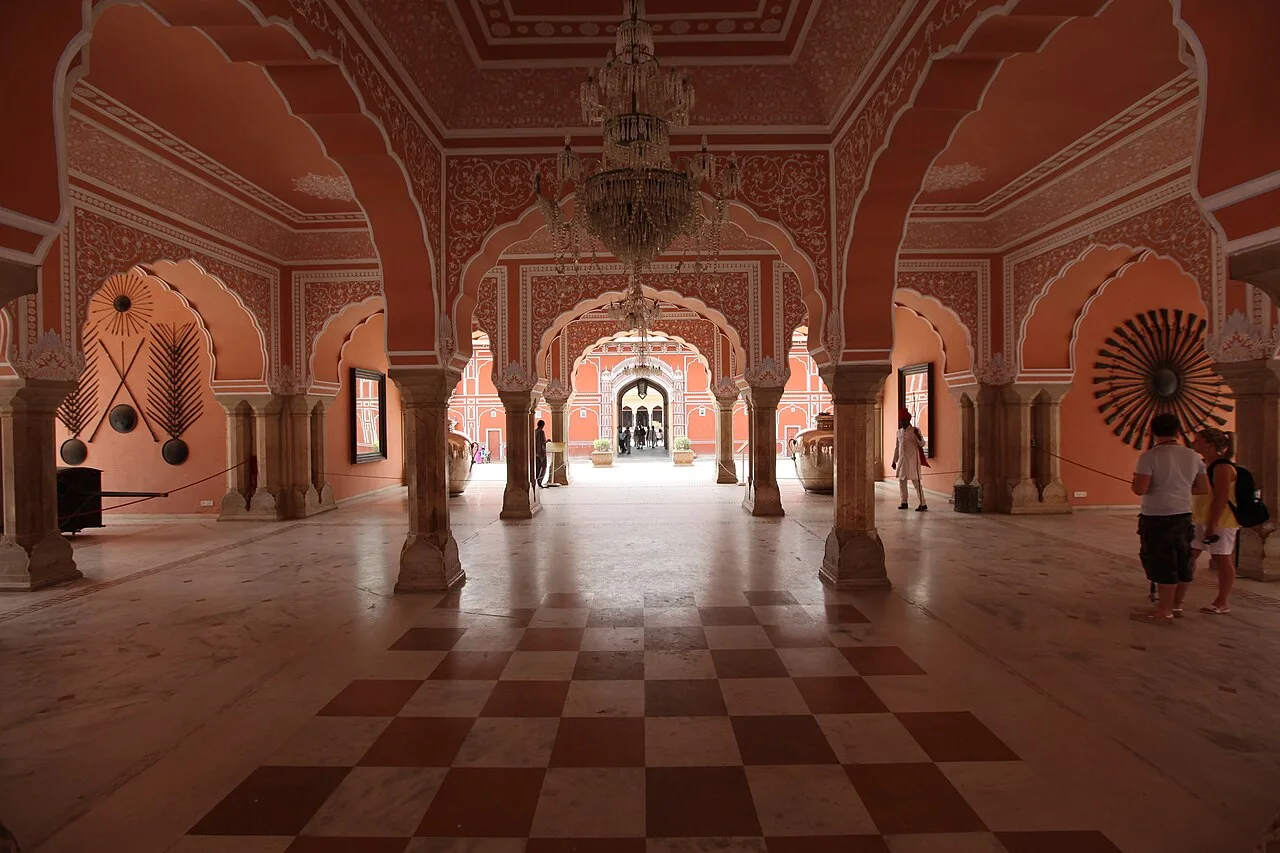
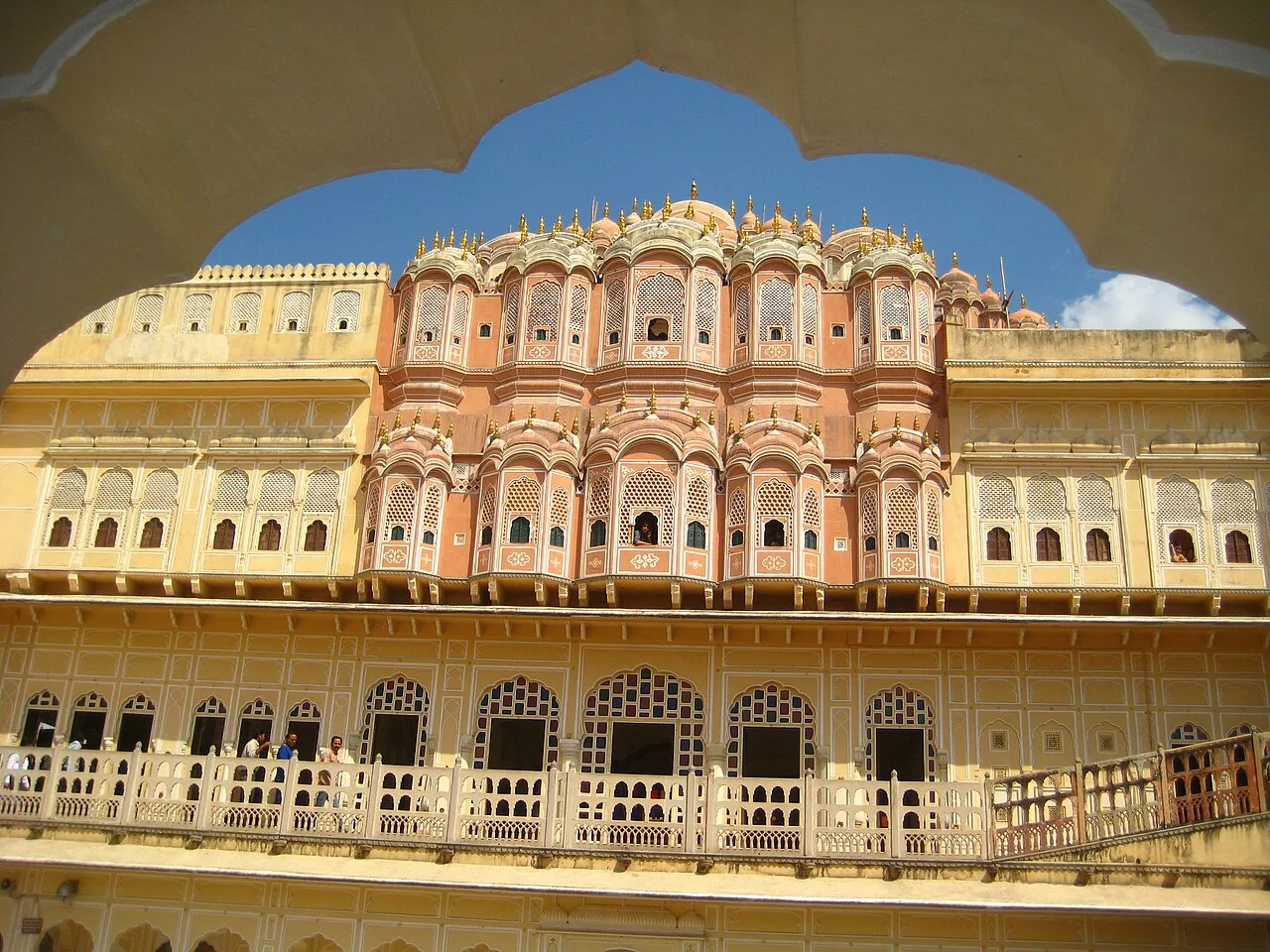
Jaipur’s old city, temple precincts and neighbourhoods offer the most accessible Teej experience for visitors. Head to Johari Bazaar and the areas around the City Palace for public performances and markets; smaller community Teej events occur in suburban neighbourhoods and village centres where traditions remain strong. For a more intimate experience, seek invitation to a home celebration or visit villages around Amber and Samode where community swings and courtyard gatherings retain an old-world charm. Many heritage hotels host special Teej evenings with curated performances and traditional dining, providing a comfortable setting to observe the festival’s cultural elements while supporting local artists.

Visitor guide

  • Getting there: Jaipur is the easiest base — well connected by air (Jaipur International Airport), rail and road. Local taxis or app-based cabs navigate city traffic; many festival sites are walkable from central hotels. Where to stay: choose a heritage hotel or haveli in the walled city to be close to processions and markets. What to wear and pack: modest dress is appreciated at temples — women often wear long skirts or salwar-kameez. Carry an umbrella or light rain jacket for sudden monsoon showers and comfortable shoes for walking on uneven streets. Etiquette: ask permission before photographing women in private rituals; accept hospitality graciously and be mindful of fasting practices. Safety and comfort: Teej is family-friendly but busy; keep valuables secure, plan meeting points with companions, and hydrate frequently during humid monsoon weather.

Today and tomorrow

Teej remains a living tradition that adapts to contemporary life. Urban celebrations now include organized cultural programmes and hotel events that blend authenticity with tourist comfort. At the same time, efforts by cultural NGOs and municipal bodies aim to keep the grassroots forms alive — ensuring local performers and artisans benefit from festival crowds. The festival’s focus on women’s social networks has contemporary resonance; newer initiatives add women-led craft bazaars and community health drives during Teej. Looking ahead, sustainable event practices and stronger support for rural artisans offer a path to sustain Teej’s cultural economy without diluting its devotional core.

Nearby

Places to see around the festival