Overview
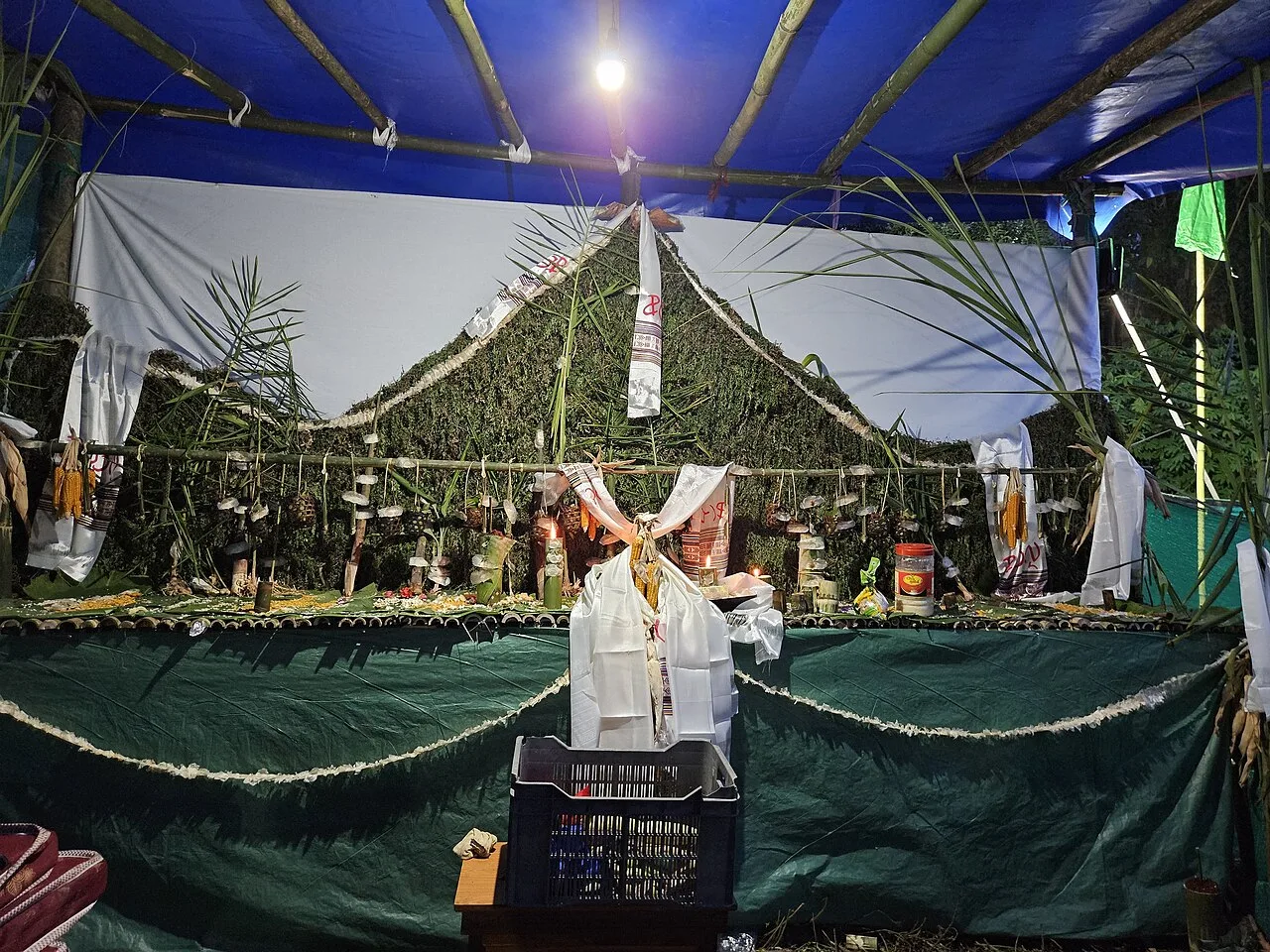
Tendong Lho Rum Faat, celebrated annually on August 8, is one of the oldest, most sacred, and culturally profound festivals of the indigenous Lepcha community—the original inhabitants of Sikkim (Mayel Lyang). Translated literally from the Lepcha language, 'Tendong' refers to Mount Tendong ('the raised horn'), 'Lho' means hill/mountain, 'Rum' means God, and 'Faat' means worship or prayer; thus, the festival represents 'Prayer to the God of Mount Tendong'. Rooted in ancient shamanistic nature worship and oral folklore, the festival commemorates a miraculous prehistoric event when Mount Tendong rose like a divine horn above roaring floodwaters during a catastrophic 40-day deluge, saving the ancestors of the Lepcha tribe from total extinction. Celebrated as an official state holiday across Sikkim, the main rituals take place atop Mount Tendong in Namchi district, as well as in Ravangla, Kabi Lungchok, and Gangtok. Led by traditional Lepcha shamans known as 'Bongthings', the festival is a deeply moving expression of gratitude to nature, mountain spirits, and ancestral guardians for preserving human life and sustaining the environment.