Ghumoopedia — Explore, Discover, Experience
Sign in

Religious · Andhra Pradesh

Tirumala Brahmotsavam

Tirumala, Tirupati district

Dates

Last verified 17 November 2026. Confirmed: announced by organisers or government. Provisional: from a published almanac, not yet announced. Seasonal: no date announced.

The complete guide

Tirumala Brahmotsavam: everything to know before you go

Also known as
Srivari Brahmotsavams, Tirumala Annual Brahmotsavam, Salakatla Brahmotsavam
State & District
Tirupati District (Tirumala Hills, Tirupati)
When
September–October (Ashwin / Kanya month; aligned with Navratri)
Duration
9 Days (Extended to 11 days including pre-festival rituals)
Faith & Community
Hindu / Vaishnavism (Sri Vaishnava Tradition)
Type
Grand Annual Temple Chariot, Vahana & Celestial Procession Festival
Entry
Free general queue (Sarva Darshan); special entry token systems managed by TTD
Best for
Spiritual devotion, sacred vehicle processions (Vahana Sevas), Vedic chanting, temple arts

Overview

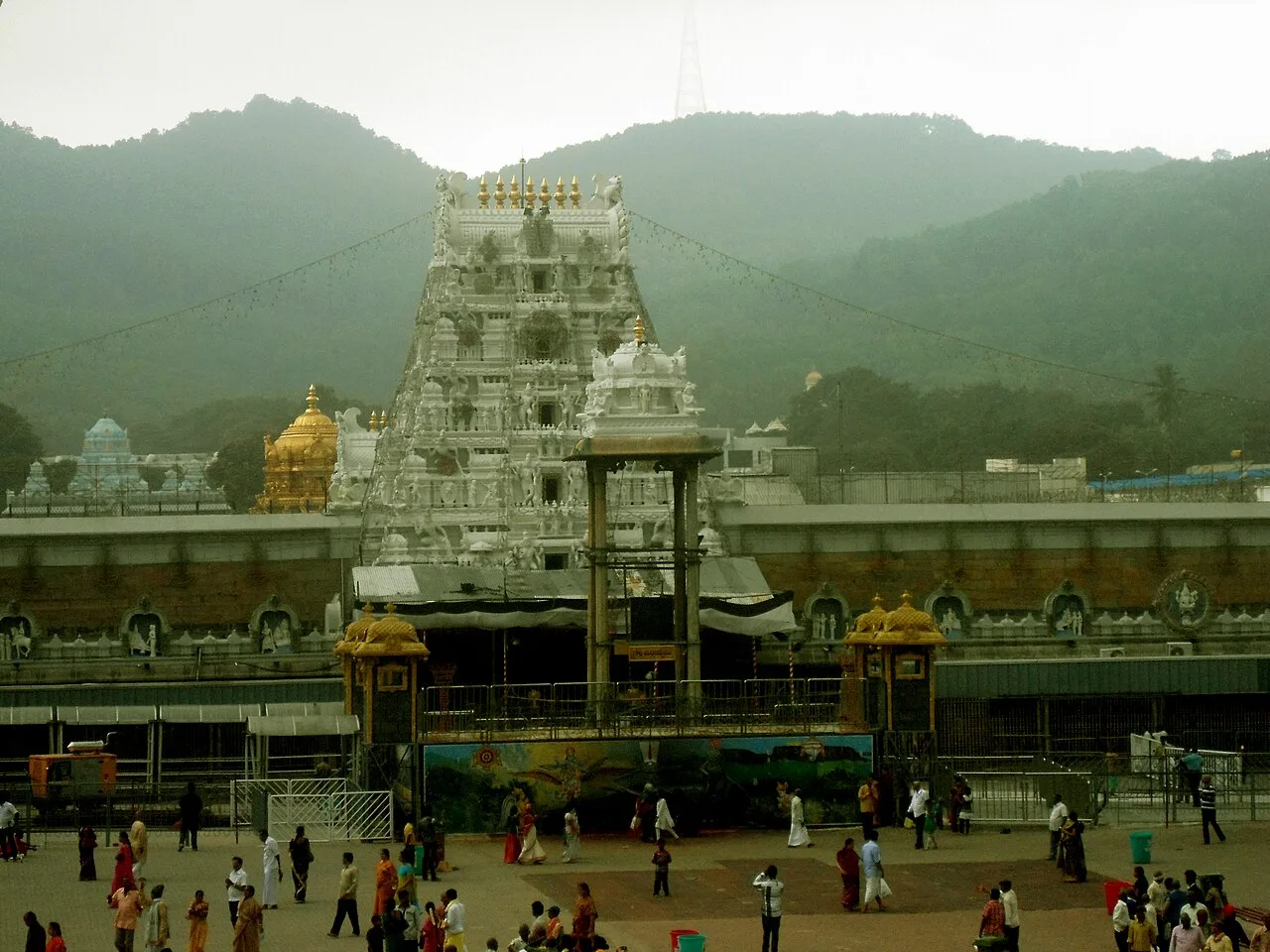
The Srivari Brahmotsavam at the sacred hill shrine of Tirumala in Tirupati district is indisputably the most grand, majestic, and spiritually elevated annual temple festival in Hinduism. Celebrated over nine continuous days during the solar month of Kanya (September–October), this celestial extravaganza honors Lord Sri Venkateswara (also known as Balaji, Srinivasa, or Govinda)—the supreme incarnation of Lord Vishnu who manifested on Venkatadri Hill to protect humanity in the present Kali Yuga.

Attracting millions of pilgrims from across India and around the globe, Brahmotsavam transforms the sacred Tirumala peak into a living Vaikuntha (heavenly abode). Every morning and evening, the processional deity of Lord Venkateswara—Lord Malayappa Swamy—adorned with multi-crore diamond-studded jewels, priceless silk vestments, and rare floral garlands, is carried in magnificent processions along the Four Mada Streets surrounding the ancient sanctum sanctorum on elaborate golden mounts (Vahanams). Accompanied by royal elephants, caparisoned horses, Vedic chanting scholars, and hundreds of folk dance troupes, Brahmotsavam is an unparalleled spectacle of divine majesty.

Origins and legend

According to the ancient Varaha Purana and Bhavishyottara Purana, the word 'Brahmotsavam' translates to 'A Festival Initiated by Brahma'. Legend recounts that when Lord Venkateswara manifested Himself on the Seven Hills at the onset of Kali Yuga, Lord Brahma (the Creator) descended to Earth to express cosmic gratitude. Brahma conducted the very first nine-day worship festival for Lord Venkateswara under the sacred Shravana star in the Kanya month, establishing the eternal ritual format.

Historically, stone inscriptions engraved on the prakaram walls of the Tirumala temple document more than a thousand years of continuous festival history. One of the earliest recorded inscriptions dates back to 966 CE, recording a massive gift by Pallava Queen Samavai (Perundevi). She presented a silver idol of Bhoga Srinivasa Murthy and donated rich agricultural lands to fund annual Brahmotsavams. Subsequent royal dynasties—the Cholas, Pandyas, Yadavarayas, and the Vijayanagara Emperors (especially Emperor Krishnadevaraya in the 16th century)—expanded the festival's scale, donating gold-plated chariots, diamond jewelry, and mandapams.

How it is celebrated

The nine-day festival is executed strictly according to the ancient Vaikhanasa Agama Shastra scriptural codes:

• Pre-Festival Day: Ankurarpanam & Mritsangrahanam – Sacred soil is collected from the temple precincts to invoke Bhoomi Devi (Mother Earth), and nine varieties of sacred grains (Navadhanyam) are sown in germinating pots to symbolize fertility and festival success.

• Day 1: Dhwajarohanam – The celestial Garuda flag is solemnly hoisted atop the gold-plated Dhwajasthambham (flagpole) by high priests reciting Vedic incantations. This ceremonially invites all 33 crore deities, celestial sages (Rishis), and Ashtadikpalakas (guardians of the eight directions) to attend the festival. The evening features the grand 'Pedda Sesha Vahana Seva', where Malayappa Swamy rides a seven-headed golden serpent vehicle.

• Days 2 to 4: Daily Vahana Sevas – The Lord processes on distinct mounts: Chinna Sesha Vahanam (five-headed serpent), Hamsa Vahanam (white swan), Simha Vahanam (lion), Muthyapu Pandiri Vahanam (canopy of pure pearls), Kalpavriksha Vahanam (wish-fulfilling tree), and Sarva Bhupala Vahanam.

• Day 5: Garuda Vahana Seva & Mohini Avataram – The absolute climax of Brahmotsavam. On the night of the fifth day, over 500,000 pilgrims converge on the Mada Streets to witness Lord Malayappa Swamy riding His supreme vehicle, the Golden Garuda (King of Birds). The Lord is adorned with the historic 'Makarakanti' diamond necklace, Lakshmi Haram, and the sacred Sahasranama archana garland brought specially from Srivilliputhur.

• Days 6 to 8: Hanumantha Vahanam, Gaja Vahanam (elephant), Rathotsavam (a massive wooden chariot pulled by tens of thousands of bare-handed devotees along Mada Streets), and Ashwa Vahanam (galloping golden horse).

• Day 9: Chakra Snanam & Dhwajaavarohanam – In the early morning, the holy Sudarshana Chakra (Lord Vishnu's cosmic disc) is carried to the Swami Pushkarini temple tank. High priests perform a ceremonial holy bath (Abhishekam) for the disc while tens of thousands of pilgrims simultaneously plunge into the waters to wash away mortal sins. In the evening, the Garuda flag is lowered, marking the divine conclusion.

The Cultural Days

Simultaneously with temple rituals, the Tirumala Tirupati Devasthanams (TTD) organizes massive cultural festivals at the 'Nada Neerajanam' stage near the main temple and across Tirupati city. World-renowned artists perform Carnatic vocal concerts, Veena and Nadaswaram recitals, Harikatha storytelling, and Bharatanatyam and Kuchipudi dance ballets celebrating Annamacharya Sankeertanas.

The Pilgrimage Days

For pilgrims, attending Brahmotsavam is the spiritual pinnacle of a lifetime. Hundreds of thousands of devotees undertake the arduous 14-kilometer barefoot trek up the ancient Alipiri Sopana Margam (footpath of 3,557 stone steps) or the Srivari Mettu path, chanting 'Govinda! Srinivasa!' with every step.

Food and flavours

The sacred culinary identity of Tirumala is synonymous with 'Tirupati Laddu'—a divine Mahaprasadam protected by a GI (Geographical Indication) tag. Made from pure cow ghee, gram flour, sugar, cashew nuts, raisins, cardamom, and edible camphor (Pacha Karpooram), millions of Laddus are prepared daily in the automated 'Trikoti Laddu Potu' kitchen during Brahmotsavam.

Additionally, TTD's Annaprasadam Trust feeds over 200,000 pilgrims daily for free at the massive Tarigonda Vengamamba Annaprasadam Complex, serving piping-hot rice, aromatic Sambar, Chutney, Payasam, and fresh Buttermilk on eco-friendly banana leaves.

Music, dance, art and dress

Vahana processions are led by traditional folk troupes displaying 'Kolattam' stick dances, 'Tappeta Gullu' drum dances, and 'Yaksha Ganam'. High priests wear traditional silk dhotis, while devotees adorn yellow and saffron attire. Tens of tons of exotic fresh flowers imported from across India transform the temple walls into fragrant art galleries.

Where to experience it

The epicenter is the Four Mada Streets encircling the Sri Venkateswara Swamy Temple atop Tirumala Hills, Tirupati district.

Visitor guide

Getting There

Tirupati Airport (TIR) at Renigunta offers direct flights nationwide. Tirupati Railway Station (TPTY) is a major rail junction. TTD operates hundreds of electric buses connecting Tirupati bus station to Tirumala top.

Where to Stay

TTD manages thousands of guesthouse rooms atop Tirumala (bookable via the official TTD portal months in advance). Alternatively, stay in Tirupati city hotels at the foothills.

What to Wear and Pack

Strict traditional dress code is enforced by TTD: Dhotis or Kurta-Pyjama for men; Sarees, Half-Sarees, or Salwar Kameez with Dupatta for women. Western wear like jeans or shorts is strictly prohibited in queue lines.

Etiquette

Mobiles, cameras, electronic devices, footwear, and leather items are strictly prohibited inside the inner temple complex. Maintain solemn chanting decorum.

Safety and Comfort

During Garuda Seva night, expect massive crowds. Utilize TTD's free milk, water, and medical aid centers stationed every 100 meters along Mada Street galleries.

Today and tomorrow

TTD utilizes state-of-the-art crowd management technologies, AI facial recognition, bio-metric queues, and high-definition SVBC channel broadcasting to serve millions of pilgrims smoothly. Environmental initiatives including electric transport and plastic bans ensure the sacred hills remain pristine.

Nearby

Places to see around the festival