Ghumoopedia — Explore, Discover, Experience
Sign in

Cultural · Andhra Pradesh

Ugadi (Telugu New Year)

Homes and temples across Andhra Pradesh

Dates

Last verified 17 November 2026. Confirmed: announced by organisers or government. Provisional: from a published almanac, not yet announced. Seasonal: no date announced.

The complete guide

Ugadi (Telugu New Year): everything to know before you go

Also known as
Ugadi, Yugadi, Samvatsaradi, Chaitra Sukla Pratipada
State & District
Statewide across Andhra Pradesh (Vijayawada, Tirupati, Visakhapatnam, Godavari Districts)
When
March–April (First day of Chaitra month in the Hindu lunisolar calendar)
Duration
1 Day (Extends to a week of cultural festivities)
Faith & Community
Hindu / Telugu Community
Type
Cultural, Religious & Seasonal New Year Festival
Entry
Free across public spaces and residential areas; normal temple entry fees apply
Best for
Cultural immersion, traditional culinary tasting, Panchanga Sravanam astrology recitations, classical music and poetry

Overview

Ugadi, derived from the Sanskrit terms 'Yuga' (era or age) and 'Adi' (beginning), marks the official dawn of the Telugu astronomical and cultural New Year. Celebrated with immense joy and spiritual reverence across Andhra Pradesh, Ugadi heralds the arrival of spring (Vasanta Ritu) and the start of a fresh 60-year Samvatsara solar-lunar cycle. It falls on the first day of the bright fortnight (Shukla Paksha) of the Chaitra month, coinciding with the vernal equinox when nature awakens with lush green leaves, blossoming mango trees, and sweet calls of the cuckoo (Koyila).

For the people of Andhra Pradesh, Ugadi is much more than a date on the calendar; it is a profound philosophical celebration of life's multidimensional nature. Homes are scrubbed clean and adorned with vibrant rice-flour patterns (Muggulu) and strings of fresh green mango leaves (Thorana). The central pillar of the celebration is the preparation and consumption of 'Ugadi Pachadi'—a unique symbolic dish containing six distinct flavors that mirror the six primary human emotions. From bustling urban centers like Vijayawada and Visakhapatnam to tranquil agrarian hamlets across the Godavari delta, Ugadi brings families together to seek divine blessings, review the annual almanac (Panchangam), and welcome the unwritten future with balanced wisdom.

Origins and legend

The mythological and astronomical origins of Ugadi are deeply woven into ancient Vedic literature and Puranic scriptures. According to the Brahma Purana and Surya Siddhanta, Ugadi marks the precise day of 'Srishtyadi'—the cosmic anniversary when Lord Brahma, the Supreme Creator, initiated the creation of the universe. It is believed that Brahma created the sun, moon, stars, planets, and all living entities on this very morning, setting the cosmic clock into motion and launching the current Yuga.

Another revered Puranic legend associates Ugadi with the divine incarnation of Lord Vishnu as Matsya (the Fish Avatar). When the demon Somakasura stole the sacred Vedas from Brahma and hid them in the depths of the cosmic ocean, darkness engulfed the cosmos. Lord Vishnu took the form of a giant golden fish, slew Somakasura, retrieved the holy Vedas, and restored cosmic knowledge and order to Brahma on Chaitra Shukla Pratipada. Thus, Ugadi is celebrated as a festival of light, truth, and spiritual enlightenment.

Historically, royal dynasties including the Shatavahanas, Chalukyas, Vijayanagara Emperors, and Kakatiyas observed Ugadi as a grand state event. Inscriptions from the 10th and 14th centuries record royal grants, land donations, and royal assemblies (Kavi Sammelanam) held on Ugadi day, where court poets composed verses honoring the new Samvatsara.

How it is celebrated

Preparations for Ugadi begin days in advance with deep cleaning of households, painting doorframes, and purchasing new clothes for all family members. On the festival day, household members wake up before dawn during the auspicious Brahma Muhurtham (around 4:00 AM). The day begins with 'Abhyangana Snanam'—a ritual oil bath where sesame (gingelly) oil infused with herbs is massaged into the hair and skin before bathing, symbolizing physical and spiritual purification.

Following the bath, elders and children wear fresh traditional attire. The main entrance of the house is decorated with fresh green mango leaves and neem twigs woven into strings called 'Thorana'. In Hindu belief, mango leaves attract Lord Ganesha and Goddess Lakshmi while absorbing environmental impurities, while neem leaves act as natural antibacterial shields. The threshold is painted with elaborate white and colored rice-flour Muggulu (Rangoli). Families gather at the domestic altar for Ugadi Puja, invoking Lord Vishnu, Brahma, Ganesha, and the Nine Planets (Navagrahas) for peace, health, and economic stability.

The Cultural Days

A cornerstone cultural tradition of Ugadi afternoon is 'Panchanga Sravanam'—the formal reading and listening of the new year's astrological almanac. Families gather at neighborhood temples, cultural halls, or home courtyards where a learned Vedic scholar or Brahmin astrologer reads the annual predictions from the Panchangam. The scholar outlines the governing celestial deities of the year, agricultural weather forecasts (rainfall patterns and crop yield estimations), financial trends, and individual zodiac (Rasi) predictions.

Simultaneously, literary organizations and cultural academies host 'Kavi Sammelanam'—traditional poetry symposiums. Renowned Telugu poets and scholars assemble to recite original verses, humorous satires, and philosophical poems centered on social themes, seasonal changes, and spiritual growth. Media broadcasts and town halls across Andhra Pradesh showcase these recitations, reinforcing the rich linguistic heritage of the Telugu language.

The Pilgrimage Days

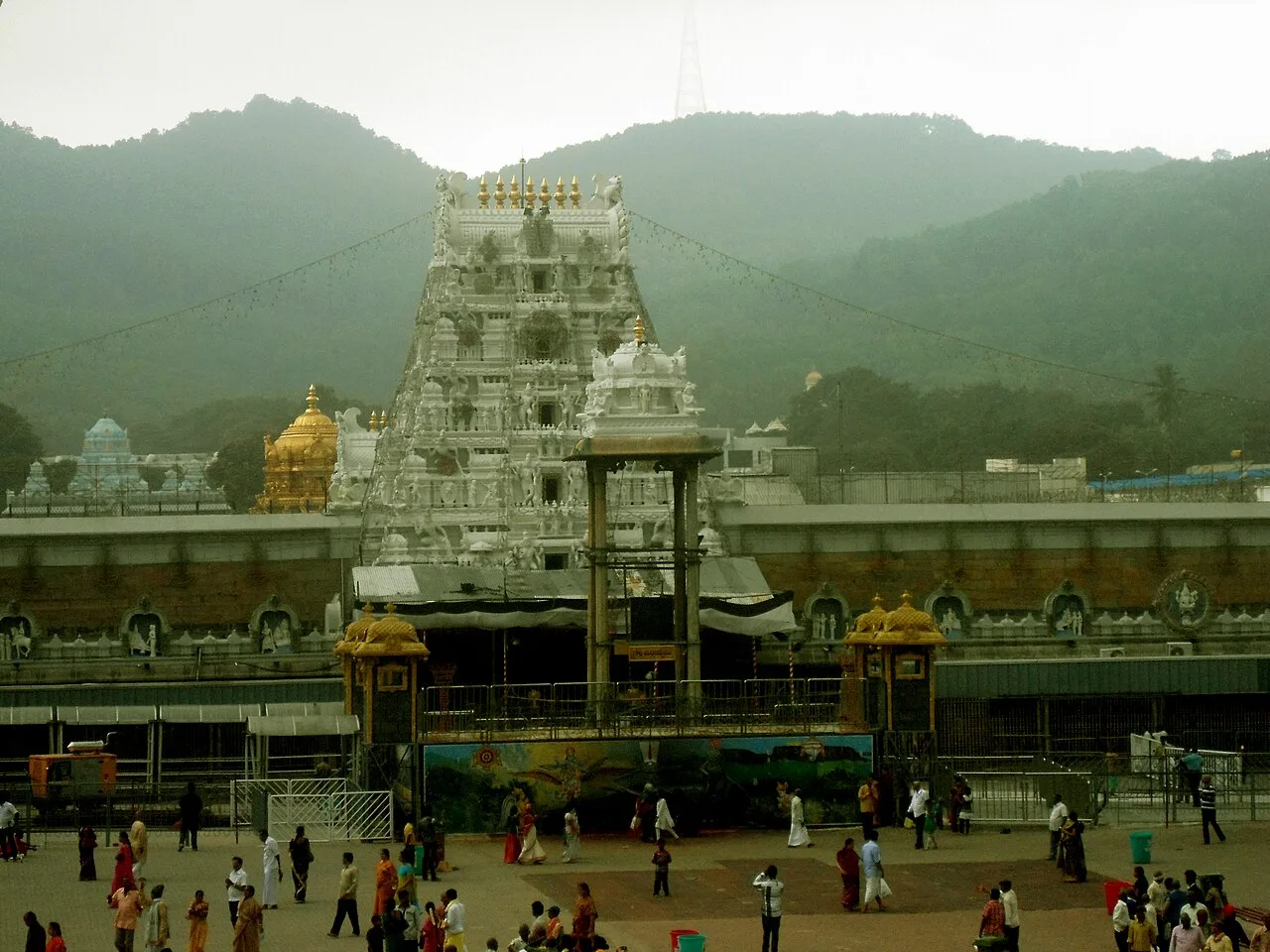
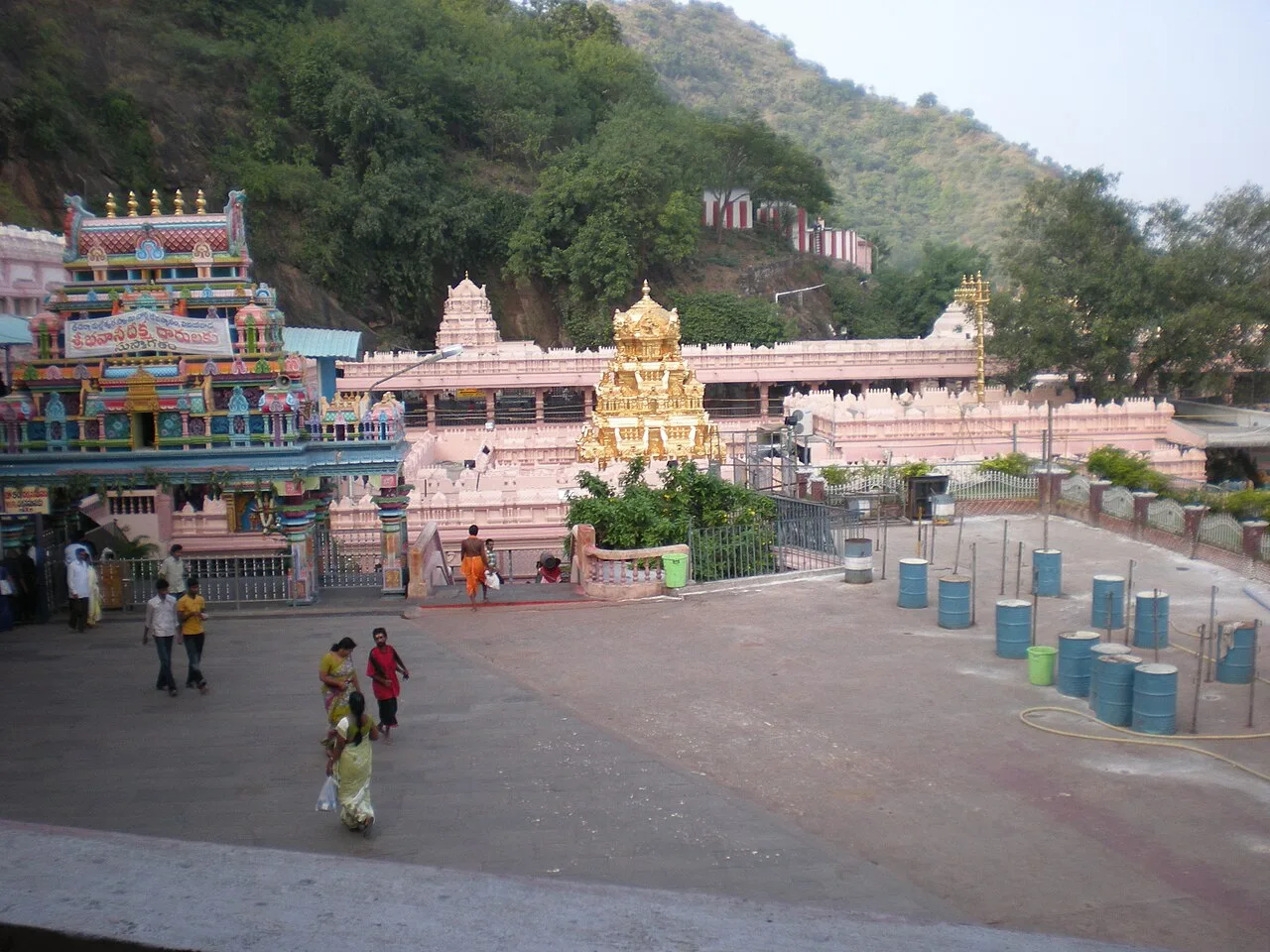
On Ugadi day, millions of devotees flock to prominent temples across Andhra Pradesh to seek divine blessings for the new year. Massive congregations occur at the Kanaka Durga Temple atop Indrakeeladri Hill in Vijayawada, the Lord Venkateswara Temple in Tirumala, the Sri Bhramaramba Mallikarjuna Swamy Temple in Srisailam, and the Varaha Lakshmi Narasimha Swamy Temple in Simhachalam.

At these shrines, special ritual 'Alankaram' (ornamental dressing) is performed for the presiding deities using fresh spring flowers and royal silk vestments. Special archana, Abhishekam, and Suprabhatam services are conducted from dawn. Temples distribute holy Ugadi Pachadi as Mahaprasadam to hundreds of thousands of queueing pilgrims, fostering an atmosphere of universal brotherhood and devotion.

Food and flavours

The undisputed star of Ugadi gastronomy is 'Ugadi Pachadi'—a sacred chutney-like mixture that incorporates six distinct ingredients, each representing one of the six fundamental tastes (Shadruchulu) and its corresponding human emotion:

1. Neem Flowers (Bitter / Tikta) – Symbolizing Sadness and Disappointment, reminding us that life has inevitable challenges.2. Jaggery & Fresh Sugarcane (Sweet / Madhura) – Symbolizing Happiness and Joy.3. Raw Green Mango Pieces (Tangy / Amla) – Symbolizing Surprise and Unexpected News.4. Tamarind Juice (Sour / Katu) – Symbolizing Disgust or Frustration.5. Red Chilli Powder or Green Pepper (Pungent / Ushna) – Symbolizing Anger and Passion.6. Sea Salt (Salty / Lavana) – Symbolizing Fear and Caution.

By partaking of Ugadi Pachadi first thing in the morning, individuals symbolically pledge to accept all experiences of the coming year—joy, sorrow, success, and trial—with equanimity and grace.

Beyond Pachadi, the festival feast includes 'Bobbattu' (also called Puran Poli or Holige)—delicate sweet flatbreads stuffed with cooked chana dal, jaggery, cardamom, and smeared with fresh ghee. Other festive delicacies include 'Mamidikaya Pulihora' (tangy raw mango rice infused with mustard, curry leaves, and peanuts), 'Medhu Vada' (crispy lentil fritters), 'Atukulu Payasam' (flattened rice pudding), and 'Pappu Charu' (aromatic lentil stew).

Music, dance, art and dress

Visual artistry during Ugadi is expressed through complex 'Muggulu' drawn at doorsteps using white calcium powder, red soil (Kavi), and colored powders. Geometric loops, floral rosettes, and traditional motifs of mango leaves, oil lamps, and lotus blossoms frame every home.

Attire is strictly traditional: men wear white silk or cotton 'Pancha' (Dhoti) with golden borders paired with 'Kanduva' (shoulder cloth) and shirts. Women adorn elegant Kanchipuram or Dharmavaram silk sarees in bright spring hues of turmeric yellow, parrot green, and vermilion red, accessorized with fresh jasmine garlands (Mallepoolu) in their hair. Children wear colorful 'Langa Voni' (half-sarees) and 'Pattu Pavada'. Traditional Carnatic vocal concerts, Nadaswaram instrumental performances, and classical Kuchipudi dance recitals celebrating spring themes are staged across major auditoriums.

Where to experience it

To experience Ugadi in its most authentic form, head to the historical Godavari delta districts—East Godavari, West Godavari, and Konaseema—where rural joint families observe centuries-old domestic rituals. In urban areas, Vijayawada offers grand temple festivities at Indrakeeladri and cultural programs at the Tummalapalli Kalakshetram. Tirupati and Tirumala provide an unparalleled spiritual ambiance with magnificent temple alankarams and mass distribution of Pachadi.

Visitor guide

Getting There

Vijayawada (VGA), Visakhapatnam (VTZ), and Tirupati (TIR) have well-connected domestic airports. Andhra Pradesh State Road Transport Corporation (APSRTC) runs extensive special buses, and Indian Railways operates high-speed trains linking all major towns.

Where to Stay

Book accommodations at least 3-4 weeks in advance, especially near major temple hubs like Vijayawada, Tirupati, and Srisailam. Luxury hotels, budget lodges, and TTD guesthouses are available.

What to Wear and Pack

Wear modest traditional Indian attire when visiting homes and temples (dhotis/kurta for men, sarees/salwar kameez for women). Pack lightweight cotton clothing as late March temperatures in Andhra Pradesh range between 32°C and 38°C.

Etiquette

Remove footwear before entering homes or temple precincts. When offered Ugadi Pachadi, accept it with your right hand as sacred Mahaprasadam.

Safety and Comfort

Stay hydrated with fresh coconut water and buttermilk during afternoon outings. Protect yourself from the spring sun with hats or umbrellas during outdoor Panchanga Sravanam events.

Today and tomorrow

In modern Andhra Pradesh, while urban lifestyles have accelerated, the core spirit of Ugadi remains vibrantly intact. Tech-savvy younger generations now stream Panchanga Sravanam live on digital platforms and order organic Ugadi Pachadi kits online. However, the emotional core—reconnecting with extended families, tasting the six flavors, and celebrating Telugu linguistic heritage—continues to thrive across both domestic households and global Telugu diaspora communities.

Nearby

Places to see around the festival