Ghumoopedia — Explore, Discover, Experience
Sign in

Cultural · Gujarat

International Kite Festival (Uttarayan)

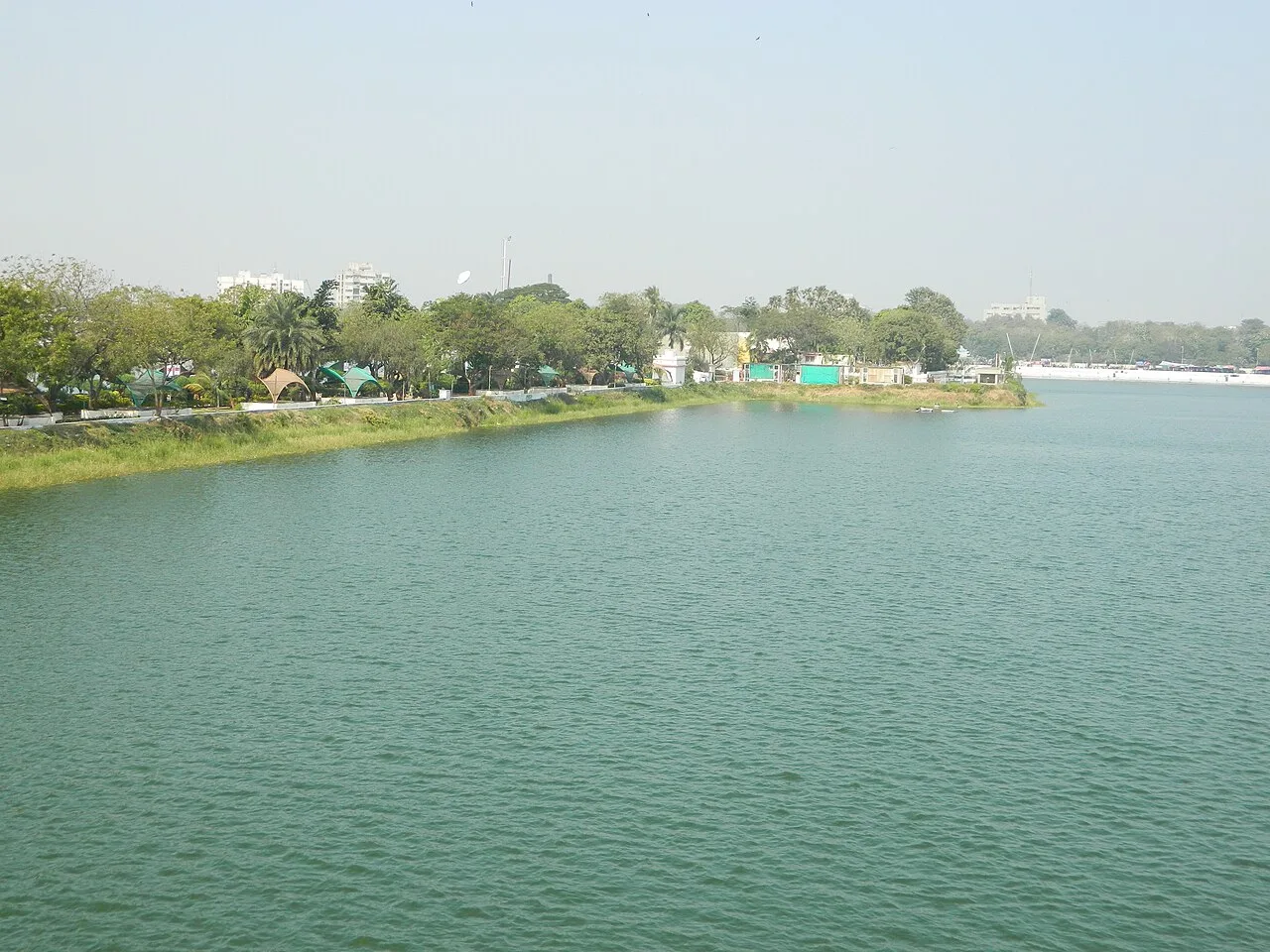
Sabarmati Riverfront and rooftops, Ahmedabad

Dates

Last verified 17 November 2026. Confirmed: announced by organisers or government. Provisional: from a published almanac, not yet announced. Seasonal: no date announced.

The complete guide

International Kite Festival (Uttarayan): everything to know before you go

Also known as
Uttarayan; Kite Festival
Where
Gujarat — Ahmedabad
When
14 January (Makar Sankranti)
Duration
Single day and preceding/following weekend events
Who takes part
Cultural/seasonal; widely celebrated across communities
Type
Outdoor, competitive, family festival
Entry
Free in public spaces; events may have ticketed stands
Best for
Bright aerial spectacle, rooftop gatherings, food stalls

Overview

Uttarayan in Ahmedabad is India's largest and most colourful kite festival. Rooftops and open grounds fill with thousands of kites in an exuberant aerial display; kite manufacturers, retailers and enthusiasts converge on the city each January. The day marks Makar Sankranti—a solar festival—celebrated with communal rooftop parties, kite-flying competitions and an explosion of food, especially sesame and jaggery sweets. Ahmedabad’s skies are transformed into a constellation of kites, where skilled flyers attempt to cut opponents’ strings. The festival blends informal family gatherings with organised cultural programmes and craft markets.
Origins and legend

Uttarayan marks the sun’s northward journey (uttarayana) and has agrarian and solar significance. Kite flying as a public spectacle in Gujarat grew during the 20th century, and Ahmedabad became a focal point as the activity expanded into an urban sport with community rivalry and formal contests.

How it is celebrated

From dawn, rooftops are alive with families and community groups flying kites. Professional kite flyers perform complex manoeuvres. Public events include mass launches, workshops, and evening cultural programmes. Streets feature vendors selling kite string (manja), kites and seasonal snacks.

Food and flavours

Typical foods include undhiyu (winter vegetable stew), sweet jalebi, sesame-jaggery laddoos (tilgul), and hot tea. Roof-top cooking and shared platters are common.

Music, dance, art and dress

The festival is primarily outdoor and participatory; local folk music and contemporary playlists accompany gatherings. Bright winter clothing and practical rooftop shoes are typical. Kite design is a local craft with colourful paper, bamboo spars and printed motifs.

Where to experience it

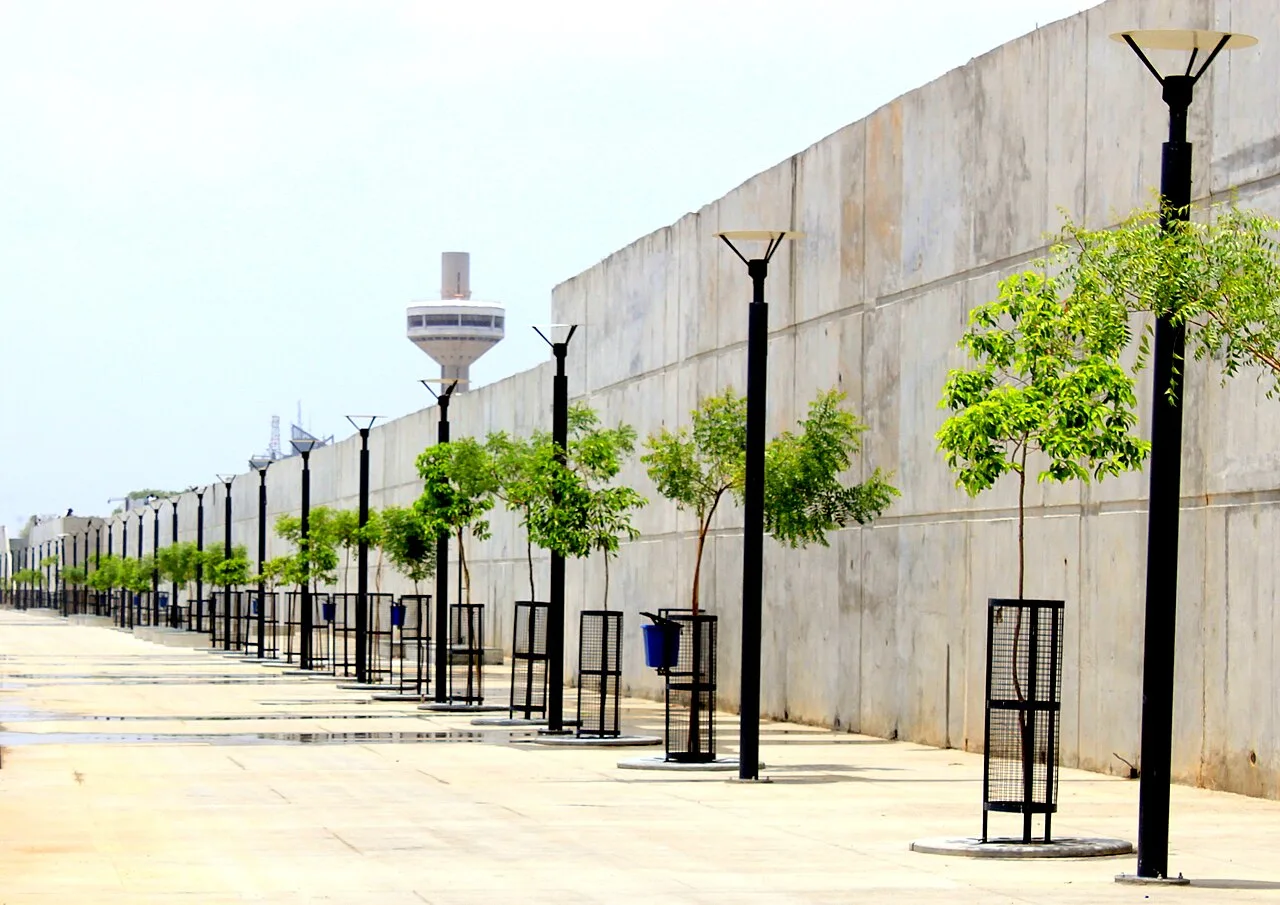
Best in Ahmedabad city—private rooftops, public grounds (like Sabarmati Riverfront and city parks), and organised venues with large installations.

Visitor guide

  • Getting there. Ahmedabad airport and rail hub; local transport often busy on festival day.
  • Where to stay. Central hotels or guesthouses; book well ahead.
  • What to wear and pack. Warm layers for morning and evening, sun protection for daytime, gloves for handling strings.
  • Etiquette. Respect private rooftops; ask permission before joining gatherings.
  • Safety and comfort. Beware of abrasive manja (kite string) and rooftop hazards; supervise children closely.

Today and tomorrow

Uttarayan remains a massive civic celebration that draws intense media and tourism attention. Debates around safety (abrasive kite lines) and animal welfare continue; authorities promote safer manja and regulated public events.

Nearby

Places to see around the festival