
Ghumoopedia — Explore, Discover, Experience
Sign in

Religious · Andhra Pradesh

Vaikunta Ekadasi

Tirumala and Vishnu temples statewide

Dates

Last verified 17 November 2026. Confirmed: announced by organisers or government. Provisional: from a published almanac, not yet announced. Seasonal: no date announced.

The complete guide

Vaikunta Ekadasi: everything to know before you go

Also known as
Mukkoti Ekadasi, Swarga Vathil Ekadasi, Dhanurmasa Sukla Ekadasi
State & District
Tirupati District (Tirumala) & Statewide across all Vishnu temples in Andhra Pradesh
When
December–January (11th lunar day of waxing moon in Dhanurmasa / Margashirsha month)
Duration
1 Main Day (TTD extends Vaikunta Dwara Darshanam to 10 continuous days)
Faith & Community
Hindu / Vaishnavism
Type
Sacred Fasting, Spiritual Purification & Moksha Portal Festival
Entry
Free general queue & quota-based TTD advance booking tokens
Best for
Passing through the sacred Vaikunta Dwaram, spiritual fasting (Vratam), night vigil (Jagarana)

Overview

Vaikunta Ekadasi—reverently referred to as 'Mukkoti Ekadasi' in Telugu traditions—is considered the absolute supreme and most spiritually potent among all the 24 Ekadasis observed in the Hindu lunar calendar. Falling on the 11th lunar day (Shukla Paksha Ekadashi) of the solar month of Dhanurmasa (December–January), this holy festival is dedicated to Lord Maha Vishnu. Scriptural tradition asserts that on this single auspicious morning, the golden gates of 'Vaikunta'—the supreme celestial abode of Lord Vishnu—are opened wide to bestow eternal salvation (Moksha) upon humanity.

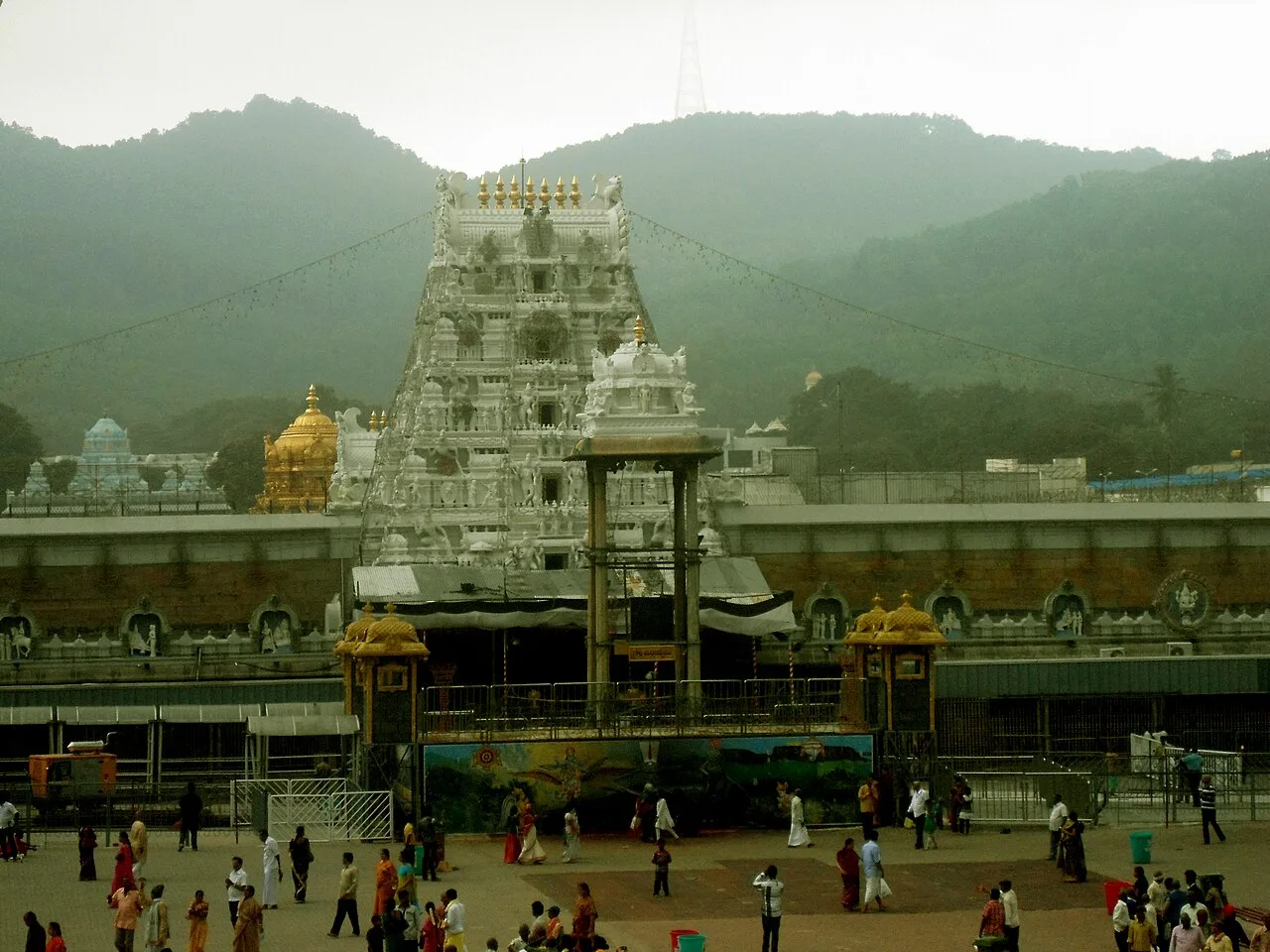
In Andhra Pradesh, Vaikunta Ekadasi is celebrated with immense fervor across every major Vaishnavite shrine, with the epic center being the Sri Venkateswara Temple atop Tirumala. On this day, a special northern inner gateway surrounding the sanctum sanctorum—known as the 'Vaikunta Dwaram' (or Uttara Dwaram)—which remains sealed for 355 days of the year, is ceremonially unsealed. Passing through this flower-adorned divine portal while contemplating Lord Vishnu is believed to eradicate accumulated karma from past births and grant freedom from the cycle of rebirth.
Origins and legend

The sacred legend of Vaikunta Ekadasi is detailed in the Padma Purana. Ages ago, a terrifying demon named Murasura tormented the Devas and sages. Seeking refuge, the celestial beings approached Lord Vishnu. Lord Vishnu engaged in a prolonged battle against Murasura. During a brief pause in combat, the Lord retired to a cave named Simhavati near Badarikashrama to rest. As Murasura entered the cave to attack the sleeping Lord, a radiant female energy manifested directly from Lord Vishnu's divine consciousness (Atma Shakti). This divine maiden wielded celestial weapons and instantly incinerated Murasura into ashes.

Pleased with her valor, Lord Vishnu named her 'Ekadashi' (as she manifested on the 11th lunar day) and granted her a supreme boon: anyone who observes a strict fast on this day, contemplates the Supreme Divinity, and passes through the sacred portal shall be cleansed of all mortal sins and gain direct entrance to Vaikunta. Thus, Vaikunta Ekadasi was born.

The festival is also called 'Mukkoti Ekadasi' because it is believed that all 33 crore (Mukkoti) celestial deities descend to Earth on this morning to pay homage to Lord Vishnu and pass through the Vaikunta Dwaram.

How it is celebrated

Observance of Vaikunta Ekadasi involves rigorous spiritual discipline and grand temple rituals:

• Strict Fasting (Nirjala Vratam) – Devotees observe complete or partial fasting starting from the previous evening (Dashami) through Ekadasi. Grains, rice, and heavy meals are strictly avoided to purify the mind and body.

• Night Vigil (Jagarana) – Devotees remain awake throughout Ekadasi night, singing Vishnu Sahasranama (1,000 names of Lord Vishnu), chanting Thiruppavai hymns composed by Saint Andal, and listening to divine discourses.

• Opening of Vaikunta Dwaram – At Tirumala and major temples, high priests perform early morning Abhishekam and Suprabhatam before unsealing the Vaikunta Dwaram around 1:30 AM. Lord Malayappa Swamy, adorned in radiant gold armor ('Suvarna Kavacham'), processes through the northern gate followed by queueing pilgrims.

• Golden Chariot Procession – On Vaikunta Ekadasi morning, Lord Malayappa Swamy flanked by Sridevi and Bhudevi rides the majestic Swarna Rathom (Golden Chariot) along the Mada Streets.

• Dwadasi Parana – On the morning of the 12th lunar day (Dwadasi), fasts are ceremonially broken ('Parana') after morning prayers.

The Cultural Days

Because Vaikunta Ekadasi falls within the sacred Tamil/Telugu month of Dhanurmasa, early morning temple gatherings feature soulful recitations of Saint Andal's 30 'Thiruppavai' pasurams. Religious discourses on the Bhagavata Purana and Harikatha performances enrich the spiritual ambiance.

The Pilgrimage Days

To accommodate the overwhelming influx of pilgrims seeking Vaikunta Dwara Darshanam, the Tirumala Tirupati Devasthanams (TTD) keeps the Vaikunta Dwaram unsealed for 10 continuous days (starting from Vaikunta Ekadasi through Vaikunta Dwadasi and subsequent days). Over 600,000 devotees pass through the sacred portal during this 10-day festival window.

Food and flavours

On Ekadasi day, strict fasting is observed. Simple sattvic foods like fruits, sago (Sabudana) porridge, milk, and tender coconut water are consumed by those unable to observe Nirjala (waterless) fasting.

On Dwadasi morning, the fast is broken with a medicinal sattvic meal ('Dwadasi Parana') specifically designed to restore digestive health after 36 hours of fasting. Key traditional dishes include:

• Agathi Keerai / Avisa Kura – Stir-fried sesbania grandiflora leaves, known to soothe stomach acidity.• Usirikaya Chutney – Fresh Indian gooseberry (amla) chutney rich in Vitamin C.• Vankaya Kura – Light eggplant curry paired with steamed rice, clarified ghee, and fresh curd.

Music, dance, art and dress

Devotional music reaches its peak with chanting of Sri Vishnu Sahasranama, Venkateswara Suprabhatam, and Annamacharya Sankeertanas. Temple corridors are framed with stunning archways constructed entirely from fresh lilies, chrysanthemums, and orchids.

Where to experience it

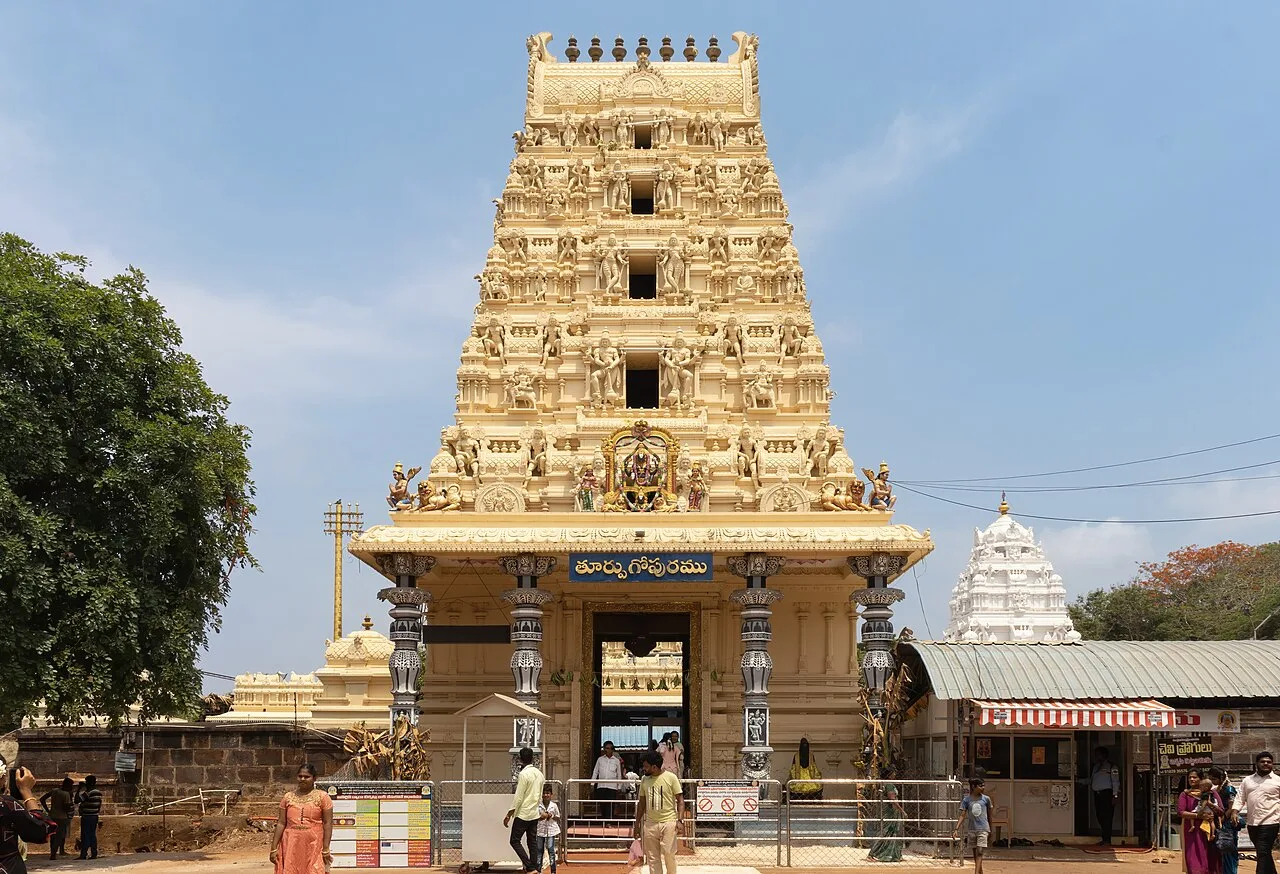
The premier venue is the Sri Venkateswara Swamy Temple at Tirumala. Outstanding celebrations also take place at Sri Antharvedi Lakshmi Narasimha Temple, Mangalagiri Panakala Swamy Temple, and Simhachalam Temple.

Visitor guide

Getting There

Reach Tirupati via Tirupati Airport (TIR) or Tirupati Main Railway Station. TTD runs round-the-clock free bus services (Saptagiri buses) up to Tirumala.

Where to Stay

TTD advance booking opens online 2-3 months prior. Book early or stay in Tirupati city hotels near the railway station.

What to Wear and Pack

Strict traditional attire (Dhoti/Kurta for men; Saree/Salwar for women). Pack warm woolens, as Tirumala hill temperatures drop to 12°C–15°C during December nights.

Etiquette

Observe silence and prayerful contemplation while passing through the Vaikunta Dwaram. Electronic items must be deposited at TTD counters.

Safety and Comfort

Expect waiting times in TTD queue complexes. Utilize TTD's free hot milk, food distribution, and medical stations operating continuously inside the compartments.

Today and tomorrow

The TTD has modernized Vaikunta Ekadasi operations by implementing tokenized time-slot Darshan (Slotted Sarva Darshan) and online quota releases, eliminating endless physical queue standing while allowing hundreds of thousands to experience the divine Vaikunta Dwaram comfortably.

Nearby

Places to see around the festival