
Ghumoopedia — Explore, Discover, Experience
Sign in

Harvest · Nagaland

Yemshe

Phek district

Dates

Last verified 17 November 2026. Confirmed: announced by organisers or government. Provisional: from a published almanac, not yet announced. Seasonal: no date announced.

The complete guide

Yemshe: everything to know before you go

Also known as
State and dis trict
When
Duration
Type
Yemshe

Overview

Yemshe is celebrated by the Pochury people in Phek district as a festival of thanksgiving, social renewal and the reaffirmation of lineage bonds. Occurring typically in October, Yemshe coincides with the post harvest period when communities pause to give thanks for agricultural abundance and to perform ceremonies that maintain social cohesion. The festival blends ancient ritual forms—offerings, oral recitations and communal feasting—with contemporary Christian elements. Yemshe's public face includes elaborate dances, story singing and a marketplace atmosphere where handicrafts and local foods are sold. It is also a time for families to settle debts, resolve disputes and make formal marriage proposals or alliances. Origins and traditional significance: The festival's roots lie in animist rites centered on ancestor veneration and the symbolic exchange between human households and the spirit world. The Pochury historically saw Yemshe as essential to obtaining continued fertility of fields and to maintaining boundaries between clans. Ritual specialists performed rites to appease spirits thought responsible for crop wellbeing. As Christianity became widespread, many overtly spiritual acts were reshaped into thanksgiving prayers and commemorations of survival and communal resilience. Nonetheless, the festival continues to retain ritualized elements—such as elder led gift exchanges and symbolic food offerings—that carry ancestral meaning for participants.
How it is celebrated

Preparations include dyeing and weaving of special shawls and the collection of ingredients for ceremonial meals. The festival commences with a community meeting where elders outline the order of rituals and public events. Morning services, often held in local churches, give way to afternoon cultural programs featuring dance troupes, drum performances and youth competitions.

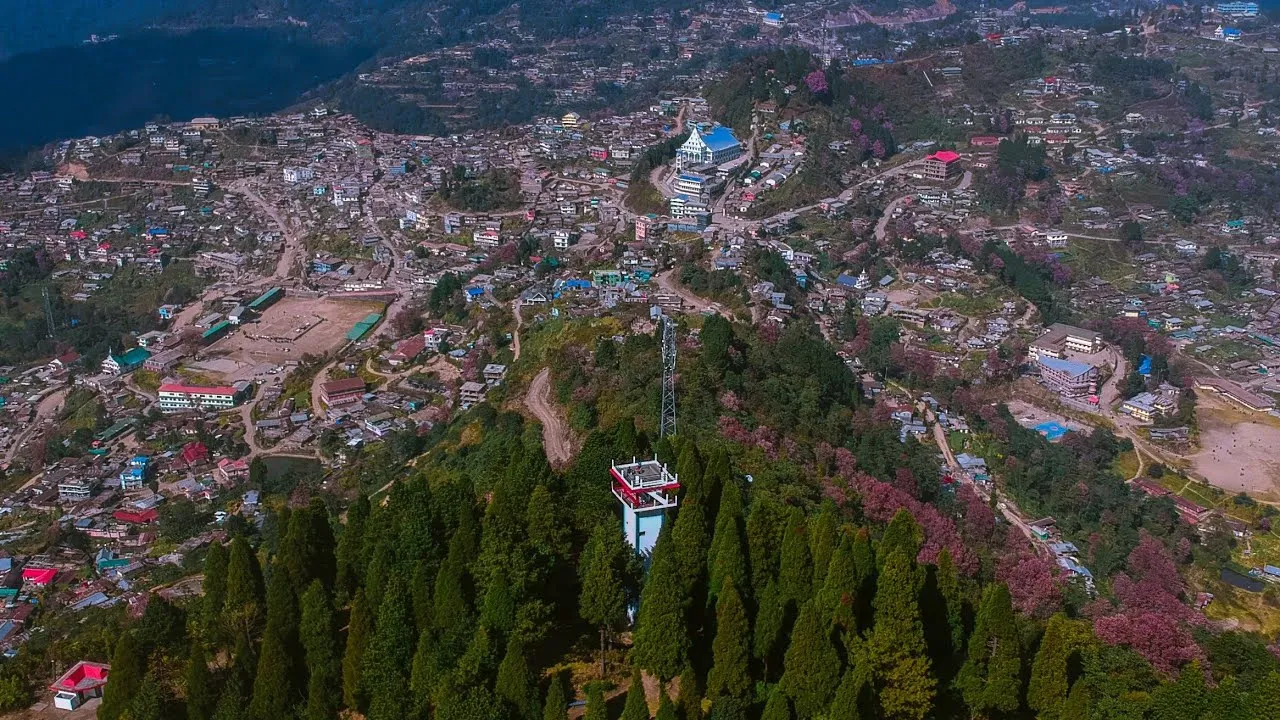
Ritualized exchanges between households are a highlight; families present prepared food and woven goods to other families in formal sequences that reaffirm reciprocal obligations. Evening feasts and storytelling sessions continue late into the night. The cultural program: Yemshe emphasizes narrative arts. Elders and performers recite migration tales, clan histories and moral parables that educate younger listeners. Dances are characterized by repetitive rhythmic cycles and call and response choral singing. Instrumentation favors percussion and bamboo flute like pipes in some villages, and the chants often employ a narrow melodic range that is both haunting and memorable. Storytelling serves to refresh customary laws and lineage knowledge that underpin Pochury social life. Food, craft and local economy: The festival supports local artisans. Weavers display traditional textile patterns, and woodcarvers and jewellers offer festival specific designs. Local cuisine features rice, pork and tuber dishes, as well as unique fermented condiments prepared for Yemshe. A temporary marketplace often opens where visitors can purchase tribal textiles, beadwork and ceremonial items; revenue from sales provides supplementary income to rural households and incentives to maintain craft traditions. Where to experience Yemshe: Phek town and nearby Pochury villages stage open events suitable for visitors. Because the festival retains private family rituals, respectful arrangements should be made in advance to attend core ceremonies. District cultural offices and recognised guides can arrange itineraries that balance public performances with opportunities to visit workshops and markets. Visitors benefit from guided introductions to clan leaders and ritual custodians to ensure appropriate engagement.

Visitor guide

  • Getting there. Phek is accessible by road from Kohima and Dimapur; travel times vary by road conditions. Where to stay. Basic hotels and guesthouses are available in Phek town; community guesthouses may be organised in villages. What to wear and pack. Pack modest clothing and a light jacket for cool evenings. Etiquette. Prioritise consent for photographing people and rituals; present small gifts or purchases as tokens of appreciation for hospitality. Safety and comfort. Be mindful of dietary allergies; observe local rules around alcohol and sacred spaces.

Today and tomorrow

Yemshe presents both a preservation challenge and an economic opportunity. Community groups are documenting festival songs and textile motifs for future generations. Simultaneously, local entrepreneurs and cultural trusts seek to channel tourist interest into sustainable income while protecting core ritual elements. The festival continues to be a dependable time for social reparation, lineage affirmation and creative expression among the Pochury.

Nearby

Places to see around the festival