
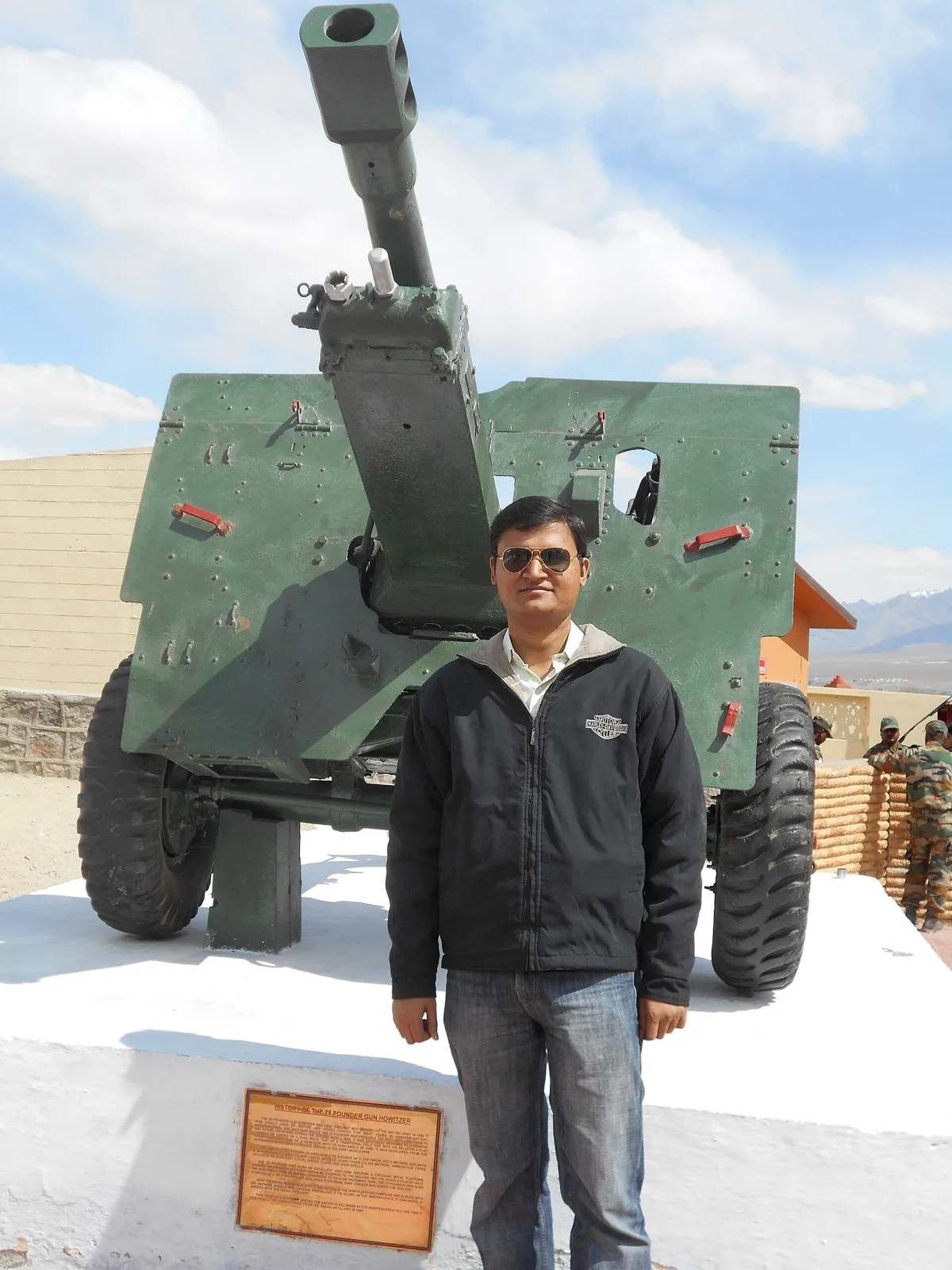
Hall of Fame War Museum, Leh
The Hall of Fame War Museum is a museum or cultural centre in Leh district, Ladakh. Visitors may include it when seeking a museum or cultural venue in the district.
Key facts · verified by Ghumoopedia editors
- Type of place
- Heritage monument
- Best time to visit
- June to September; October for clear skies with colder nights; January–February only for winter trips such as the Chadar trek
- Verified
- 21 Nov 2026
The Hall of Fame War Museum is situated in Leh district, in Ladakh. It is classified as a museum or cultural centre, identifying it as a cultural venue within the district. For visitors looking for a museum or cultural centre in Leh district, the Hall of Fame War Museum is one such place. Its stated setting links it to Leh district and the wider union territory of Ladakh. The key details are its location in Leh district and its designation as a museum or cultural centre. These describe the place without specifying a more particular locality or adding further details about its collections or activities. Ladakh is a high-altitude desert between the Karakoram and the Great Himalaya, with Tibetan Buddhist monasteries such as Hemis, Thiksey, Diskit and Lamayuru, the Shia and Balti culture of Kargil and Turtuk, the Brokpa villages of Dha-Hanu, the turquoise lakes Pangong Tso and Tso Moriri, and some of the world's highest motorable passes. Summers (June to September) are sunny and dry, with warm days and cold nights; winters are long and severe, often far below −15 °C, and the high passes close with snow. The sun is intense at this altitude, and weather on the passes can change within an hour. The usual best time to visit is June to September; October for clear skies with colder nights; January–February only for winter trips such as the Chadar trek. For official information, see Ladakh Tourism at https://tourism.ladakh.gov.in.
Why it matters
Hall of Fame War Museum, Leh, is a military museum and memorial associated with the Indian Army. It commemorates Indian service personnel who died in conflicts and presents material relating to the armed forces and the high-altitude frontier of Ladakh. Its regional importance lies in connecting visitors with the military history and continuing defence presence of the region, alongside Ladakh’s wider cultural and religious heritage. The museum is commonly described as being maintained by the Indian Army. Confirm current access and management arrangements with the museum or Ladakh Tourism before making a special trip.
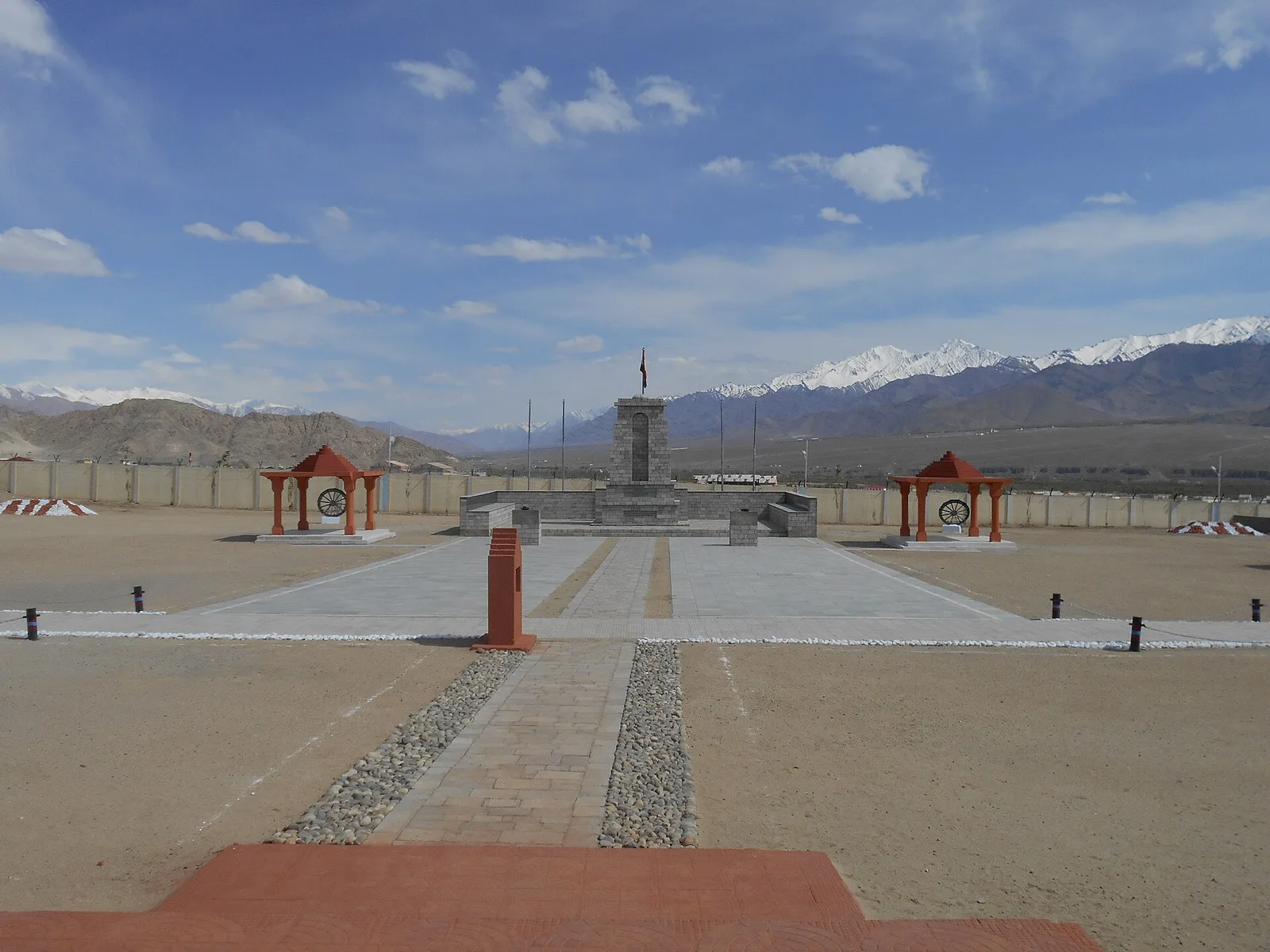
Hall of Fame is a modern military museum rather than an ancient monument. It is commonly described as an Indian Army institution established to honour soldiers who died in service and to interpret the history of military operations in Ladakh and the surrounding frontier. Public visitor descriptions associate its displays particularly with the 1999 Kargil conflict, as well as with the region’s wider military history. The museum’s role is also educational: its displays introduce visitors to the conditions faced by troops serving in a cold, high-altitude landscape and to aspects of the region’s strategic history. It sits within a living military context, but should be approached as a place of remembrance, not simply as a collection of war objects. Detailed institutional records, restoration history and the names or stories represented in particular galleries should be checked with the Indian Army or the museum’s current visitor information.
Origin stories & folklore
It is a modern memorial institution, and accounts of its purpose are based on its commemorative and educational role rather than on a traditional sacred story. Visitors may hear personal recollections, family memories or military anecdotes connected with Ladakh and the Kargil conflict; these should be understood as testimony or oral history, not automatically as folklore. If a guide shares a local story, ask who tells it and whether it is a documented account, a family memory or a legend. Avoid attributing unrelated monastery, mountain or lake traditions to the museum.
Architecture & design
Hall of Fame is a modern institutional building, not a traditional Ladakhi monastery or historic palace. Its design serves the practical needs of a museum and memorial, with indoor exhibition areas where visitors can view displays and interpretive material. The museum’s setting and commemorative function are more central to a visit than historic ornament or traditional construction techniques. Follow staff directions through the galleries, since routes, exhibit arrangements and areas open to visitors may change. The site’s military character also means that access to some spaces or objects may be restricted. Confirm any specific architectural or access details with the managing authority before visiting.
Important objects & sculptures
Visitors may encounter military displays associated with Indian Army service in Ladakh, including equipment, uniforms, photographs, documents or other interpretive material; the exact objects on view can change. Public descriptions also associate the museum with exhibits about the Kargil conflict and the challenges of military life in high-altitude terrain. This guide cannot verify a current object-by-object catalogue, particular inscriptions, or the presence and placement of any specific weapon or memorial sculpture. Read the gallery labels for context and treat displayed personal effects with respect. Ask staff before photographing sensitive material, and do not touch objects unless a display explicitly invites interaction.
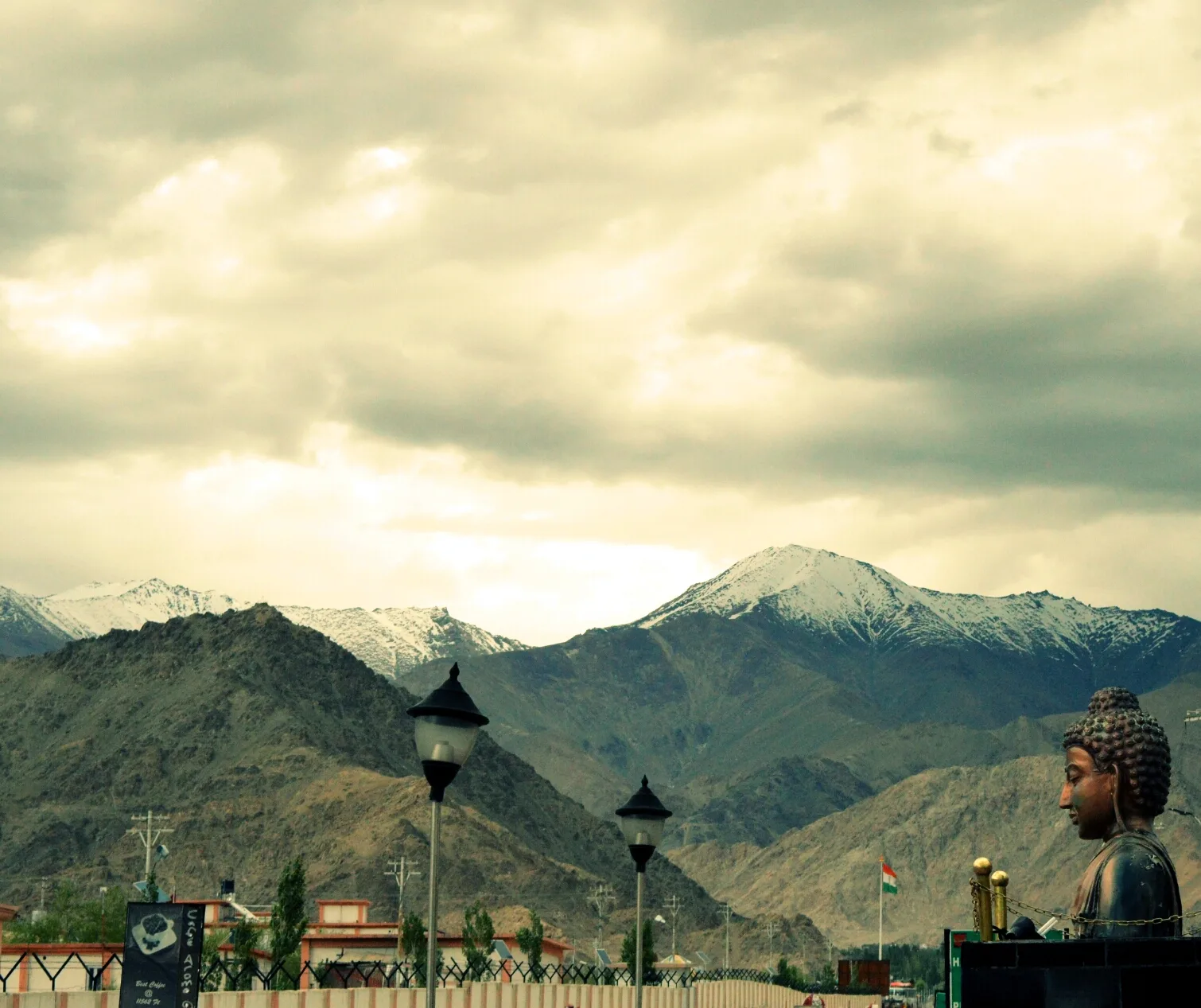
Explore Hall of Fame War Museum slowly and read the interpretation boards, or hire an authorised guide to understand its history. Check opening days, ticket counters and camera rules in advance; many monuments and museums close on one weekday and on some public holidays. Early morning gives softer light, cooler air and smaller crowds. A comfortable itinerary is one main visit in the morning, a local meal at midday and a short nearby stop before an afternoon return. Start early: high passes are clearer and safer in the morning, and wind rises in the afternoon at lakes such as Pangong. Use the district list on this site to find other places in Leh, but check the route and its condition before combining stops. If a festival is on — such as Hemis Tsechu in summer, Losar in winter, the Ladakh Festival in September or a monastery masked-dance festival — transport and stays can be busy, and the experience can be unforgettable. Ladakh's water is scarce and its waste is hard to remove — refill bottles at water points, use dry toilets as instructed and carry your rubbish back to Leh.
Suggested itineraries
Half day: Travel from Leh by taxi; allow about 1–2 hours to explore the museum at an unhurried pace; return to town for a meal or a short central-Leh walk. Full day: Visit the museum in the morning; return to Leh for lunch; spend the afternoon at Leh Palace or Shanti Stupa, checking routes and access locally. Gentler option: Arrange a taxi drop-off and pick-up, focus on selected galleries, and take seated breaks as needed rather than combining several stops.
The museum presents a military perspective within a region shaped by varied living cultures. Leh and the wider district include Ladakhi languages and traditions, Tibetan Buddhist communities, and Muslim communities, among others. Visitors can encounter local customs in nearby communities, markets and religious sites; these should not be treated as exhibits. Dress modestly when visiting religious places, ask before photographing people, and follow local guidance around ceremonies. The museum is also a place of remembrance, so a quiet and considerate manner is appropriate, especially around memorial displays.
Festivals & events
Leh and the wider district host seasonal religious and cultural events, including the Hemis festival in summer and the Ladakh Festival, generally held in September. Dates and programmes vary, and events may draw visitors from across the region. Festival periods can make accommodation and transport busier, while processions or local observances may affect access elsewhere in Leh. Check current announcements with Ladakh Tourism or local hosts before planning around an event. At the museum, follow any special instructions if a commemorative observance or public programme is taking place.
Local food in Ladakh includes thukpa and skyu noodle soups, steamed momos, tingmo bread, paba and tsampa (roasted barley), chhurpi cheese, butter tea (gur gur cha), apricot jam and dried apricots from Kargil and Turtuk, seabuckthorn juice and, in Kargil and Drass, Balti and Kashmiri dishes. Ask what is fresh that day; many small eateries cook a limited daily menu. Leh's Main Bazaar and Changspa road have cafés for every taste, but outside Leh menus are short and simple. Eat light for the first two days while you acclimatise, avoid alcohol, and drink plenty of warm water and soups. Remote sites may have no restaurant at all. Carry water and snacks, eat a proper breakfast before long journeys, and ask your accommodation for a packed lunch if you are heading out early. Try a home-cooked or local meal when you can — it is often the best food on the route. Choose busy, clean places, drink sealed or filtered water, and carry your packaging back with you.
Shopping & local experiences
For local shopping, look around Leh’s market area for Ladakhi handicrafts, textiles, prayer items and regional souvenirs, while checking materials and provenance before buying. Shops may also stock packaged local foods and travel essentials. For a food experience, try Ladakhi dishes at a local restaurant in Leh; menus and availability vary. Buy thoughtfully, avoid products made from protected wildlife, and carry reusable bags to reduce waste.
June to September; October for clear skies with colder nights; January–February only for winter trips such as the Chadar trek
These figures are calculated from map coordinates — actual road distance is longer, and mountain roads and checkposts mean even short distances can take hours. Leh airport has year-round flights from Delhi and other cities. By road, the Srinagar–Kargil–Leh highway over Zoji La usually opens from about April–May to November, and the Manali–Leh highway from about June to October; both close in winter. The nearest railheads are Srinagar and Jammu Tawi, a long road journey away. From Leh, hire a union-rate taxi from the Leh taxi stand or through your guesthouse, or join a shared taxi; local buses run on a few routes, but schedules are limited. When comparing train, bus and flight, count the complete door-to-door time: a flight saves the most time only if the onward transfer is short, while an overnight train can save a hotel night. For Ladakh, flying into Leh saves the most time, but you must rest for two full days on arrival because you go straight to 3,500 m. Arriving by road from Manali or Srinagar takes two days but helps your body adjust to the altitude. Book your return before you leave, because seats fill quickly on weekends, festivals and holidays. Current train numbers, timings, return services, ferry departures and fares are not listed here; check IRCTC and NTES for trains, the airline's own schedule for flights and the official operator for ships and ferries. Permit rules for Ladakh have changed several times, so check the current requirement on the Leh district administration's permit portal (lahdclehpermit.in) before you travel. Indian visitors to protected areas such as Nubra, Turtuk, Pangong, Tso Moriri, Hanle and Dha-Hanu are usually asked to register online and pay environment and wildlife fees; foreign nationals need a Protected Area Permit arranged through a registered Leh travel agent, and should carry several photocopies for checkposts. Prepaid mobile SIMs from outside Jammu & Kashmir and Ladakh do not work here — bring a postpaid connection.
Getting around
From Leh, visitors can arrange a taxi through a guesthouse or use a taxi from the town’s taxi stand; ask the driver to confirm the destination and return arrangements. Shared transport may be available, but routes and availability should be checked locally. Leh’s local buses operate on limited routes and may not provide a convenient direct connection, so confirm before relying on them. Walking is practical within central Leh but may be tiring at altitude and is not necessarily convenient for reaching this museum. Check locally for parking, drop-off arrangements and any restrictions near the entrance.
Hours, tickets & permissions
Entry may be subject to a visitor ticket, security checks, rules on bags or photography, and temporary restrictions in particular galleries. Check the latest information with the museum’s managing authority or Ladakh Tourism before setting out, especially on public holidays or during security-related changes. Carry identification if requested by staff, and follow posted instructions. Do not assume that every display or area is accessible on every visit.
Facilities
Check what is available on site before travelling, and carry water suitable for the high-altitude climate. Leh has a wider choice of cafés, restaurants, shops and cash services; do not assume these are immediately beside the museum. Authorised guide availability should also be confirmed locally. Keep rubbish with you if bins are unavailable, as waste is difficult to manage in Ladakh.
Accessibility
Ask the managing authority about step-free access and seating before visiting if these are important. Leh’s high altitude can make even gentle walking tiring, particularly for people arriving recently, older visitors and young children. Allow time to move slowly and take breaks. Wheelchair and stroller suitability cannot be confirmed; do not assume all galleries or entrances are accessible. A taxi drop-off may reduce walking, but confirm the vehicle access and pick-up point locally.
Permit rules for Ladakh have changed several times, so check the current requirement on the Leh district administration's permit portal (lahdclehpermit.in) before you travel. Indian visitors to protected areas such as Nubra, Turtuk, Pangong, Tso Moriri, Hanle and Dha-Hanu are usually asked to register online and pay environment and wildlife fees; foreign nationals need a Protected Area Permit arranged through a registered Leh travel agent, and should carry several photocopies for checkposts. Prepaid mobile SIMs from outside Jammu & Kashmir and Ladakh do not work here — bring a postpaid connection. Carry a photo ID at all times and save the emergency number 112 and your accommodation's contact offline. Altitude sickness (acute mountain sickness) is the main risk everywhere in Ladakh: rest completely for the first 36–48 hours in Leh, climb gradually, avoid alcohol and smoking, drink water, and descend or seek medical help at once if you develop a severe headache, breathlessness at rest, vomiting or confusion. People with heart or lung conditions, young children and pregnant women should consult a doctor before going. Watch your belongings in crowds and on public transport, and follow posted instructions.
Photography
Light around Leh is often clearer earlier in the day, but indoor gallery conditions depend on the exhibits and lighting. Camera rules may differ between outdoor areas and galleries, and some displays may be restricted; check posted notices and ask staff before taking photographs. Do not use flash where prohibited. Drone use around military or security-sensitive sites may be restricted and should not be attempted without the required permissions. Be considerate when photographing staff, visitors or memorial displays, and avoid interrupting anyone paying tribute.
Choose a stay by the full journey to Hall of Fame War Museum, not just the district name. Leh has the widest choice, from family guesthouses in Changspa and Karzoo to hotels near the Main Bazaar; Nubra, Pangong, Tso Moriri and Hanle have homestays and seasonal camps, and Kargil and Padum have simple hotels and guesthouses. Nights are cold even in summer — check heating, hot water and extra blankets, and expect power cuts and limited mobile signal outside Leh and Kargil. Book in advance for weekends, festivals and the peak season (June to September; October for clear skies with colder nights; January–February only for winter trips such as the Chadar trek). Confirm the exact location, meals included, check-in time and cancellation terms in writing. Avoid sending money to unverified contacts or touts at stations, airports and jetties. Carry some cash, as card and digital payments can be unreliable in remote areas.
Leh Palace and Shanti Stupa are established attractions in Leh and can be considered for a separate or combined town visit, subject to transport and visitor access. Spituk Monastery is another well-known site in Leh district; check the route and current conditions before combining it with the museum. The old town and Leh market offer a change of pace, with shops and places to eat. Distances and road conditions are not supplied here, and map routes may not reflect local restrictions or traffic. Ask your host or a local taxi operator which stops make sense on the day.
For couples, Hall of Fame War Museum rewards a slow pace: arrive early for soft light and fewer crowds, share a local meal and keep the evening free. Sunset from Shanti Stupa, a night under the stars at Hanle or Tso Moriri, a camel ride on the Hunder dunes or a quiet morning at Pangong makes the trip memorable. Public displays of affection can be frowned upon in conservative communities and at religious sites, so be discreet. Keep a buffer in your itinerary, because weather and transport can delay plans.
Q: How much time should I allow for a visit? A: Allow roughly one to two hours for a relaxed museum visit; time may vary with gallery access and your interests. Q: When is the best season to visit? A: June to September is generally the most convenient season for travel in Ladakh. October can bring clear skies and colder nights; check local conditions before travelling. Q: Is entry ticketed, and what are the current rules? A: Entry requirements, fees, opening days and camera rules can change. Confirm them with the museum’s managing authority or Ladakh Tourism before visiting. Q: Is it suitable for children and older visitors? A: The indoor displays may suit families, but altitude, walking and unverified step-free access can be considerations. Take breaks and check accessibility in advance. Q: Where can I stay nearby? A: Leh has a range of accommodation. Choose a place in town and confirm transport to the museum with your host or a local taxi operator.
Be the first to share photos, stories, advice or a helpful contact for Hall of Fame War Museum, Leh.
Loading…