
District · Ladakh
Leh
Leh district is a gateway to Ladakh’s high-altitude cold desert and a distinctive part of India’s western Himalayan region.
Leh district lies in Ladakh’s high-altitude cold desert, where bare mountain slopes frame the Indus valley, cultivated village patches and remote plateau country. Its character reflects historic trade across the Himalaya and a strong Tibetan Buddhist heritage, expressed in monasteries such as Spituk, Thikse, Chemrey and Takthok. Stok preserves associations with Ladakh’s royal past. Beyond the settled valley, Pangong Tso, the Changthang plateau and Hemis National Park reveal contrasting lake, grassland and rugged mountain landscapes. Leh town is the main base for travel, supplies and cultural encounters, but village life follows a quieter agricultural and pastoral rhythm. Thin air, intense sunshine and severe winters shape both daily life and the pace of a visit.
Leh district is a gateway to Ladakh’s high-altitude cold desert and a distinctive part of India’s western Himalayan region. Its Indus valley settlements, mountain passes and remote Changthang plateau bring together dramatic terrain and living cultural traditions. The district is best known for its Tibetan Buddhist monasteries, including Hemis, Thikse and Alchi, as well as Leh’s former royal palace and the high-altitude lake Pangong Tso. Historic links to Himalayan trade are visible in its villages and religious sites. Travellers come for this mix of cultural heritage and landscape, while the thin air, long road journeys and seasonal access make a slower, well-planned visit important.
Ladakh’s history reflects its position between Tibet, Kashmir and the trade routes of Central Asia. Buddhist traditions took root in the region over many centuries, and monasteries such as Alchi preserve art and architecture shaped by exchanges across the western Himalaya. From the fifteenth century, the Namgyal dynasty ruled an independent Ladakhi kingdom, with Leh as a royal and trading centre. In 1834, Dogra forces under Zorawar Singh invaded Ladakh; it was subsequently incorporated into the princely state of Jammu and Kashmir. Trade across the high passes continued to connect Ladakh with neighbouring regions, though these routes declined as modern borders and political changes altered movement in the twentieth century. After the end of British rule and the partition of 1947, Ladakh remained within Jammu and Kashmir. Leh became a district headquarters as modern administration developed. In 2019, Ladakh became a separate Union Territory, with Leh among its two districts. The region’s Buddhist and Muslim communities, languages and customs reflect this layered history.
30 destination guides · 28 on the map
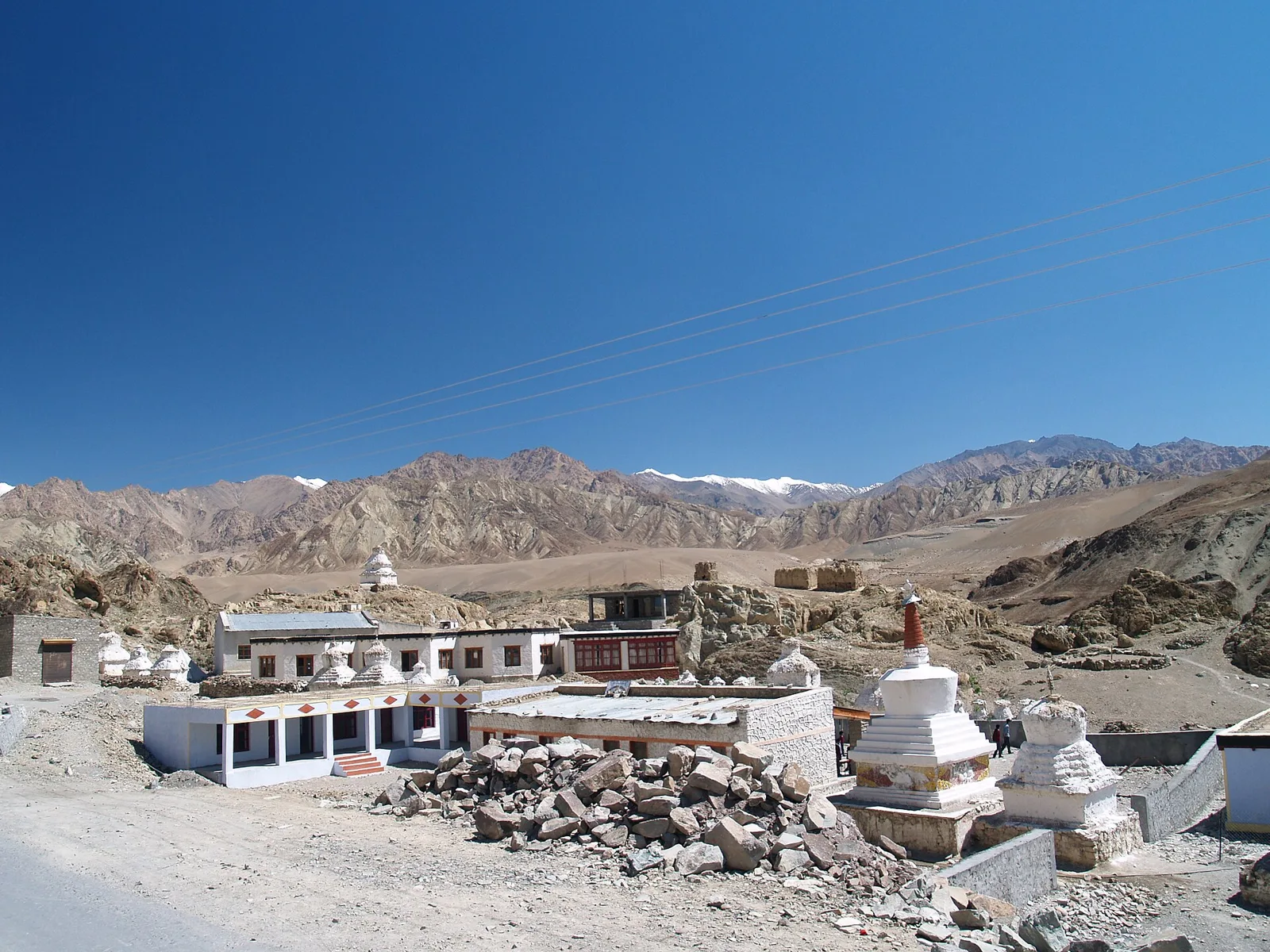
Alchi Monastery
Alchi Monastery is a Buddhist temple complex in lower Ladakh. Visitors come to explore its Kashmiri-influenced shrines, chortens, artistic traditions and layered history.
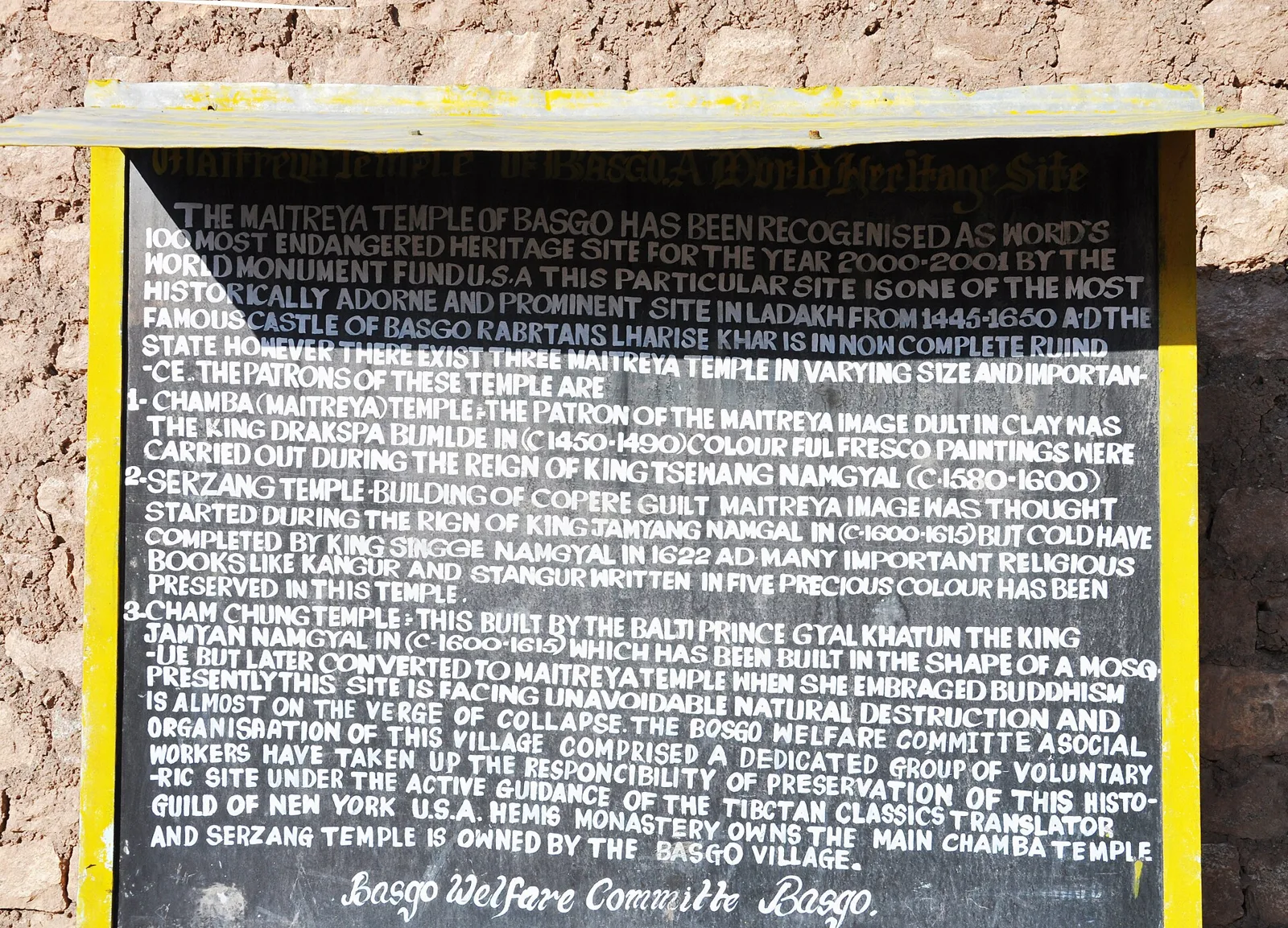
Basgo Monastery
Basgo Monastery, also called Basgo or Bazgo Gompa, is a Buddhist complex in Ladakh. Visitors come to see its Buddha image, murals and temples above the remains of the old town.
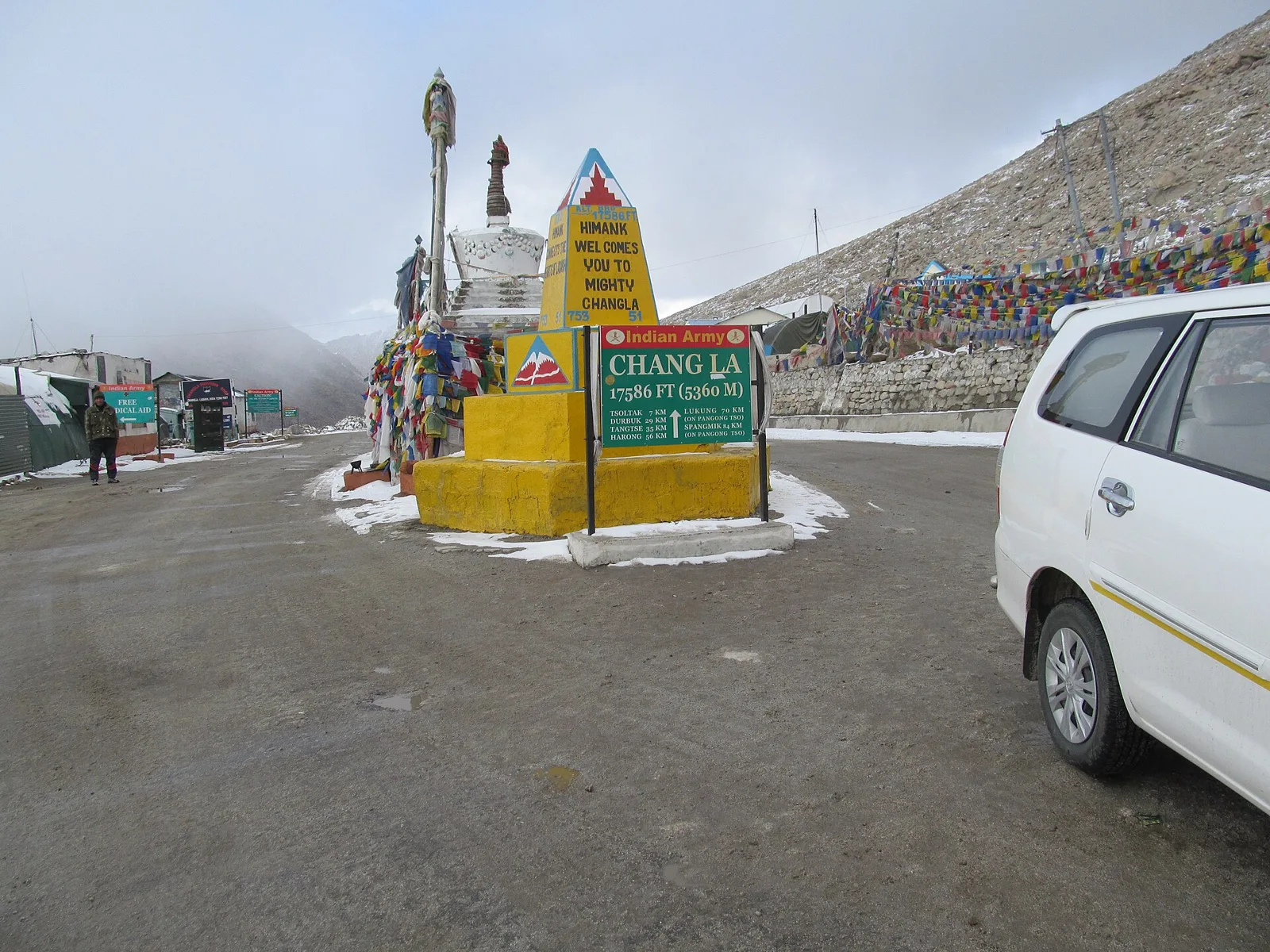
Chang La
Chang La is a high-altitude pass in Ladakh’s Greater Himalaya, linking Leh with the Shyok River valley. Travellers cross it on the overland route to Pangong Lake.
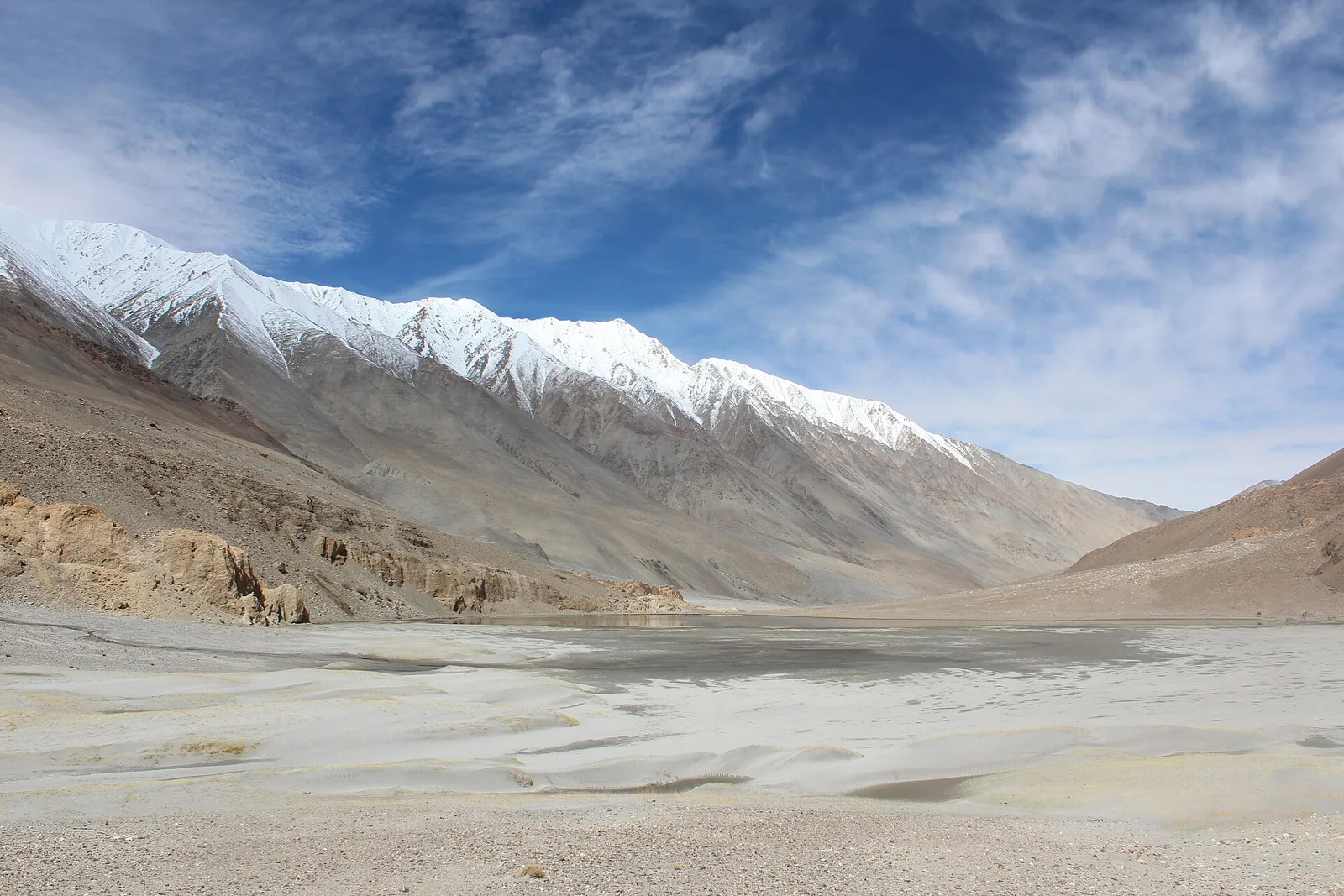
Changthang Wildlife Sanctuary
On the Ladakhi side of the Changthang plateau, this high-altitude sanctuary attracts visitors interested in its protected wildlife setting.
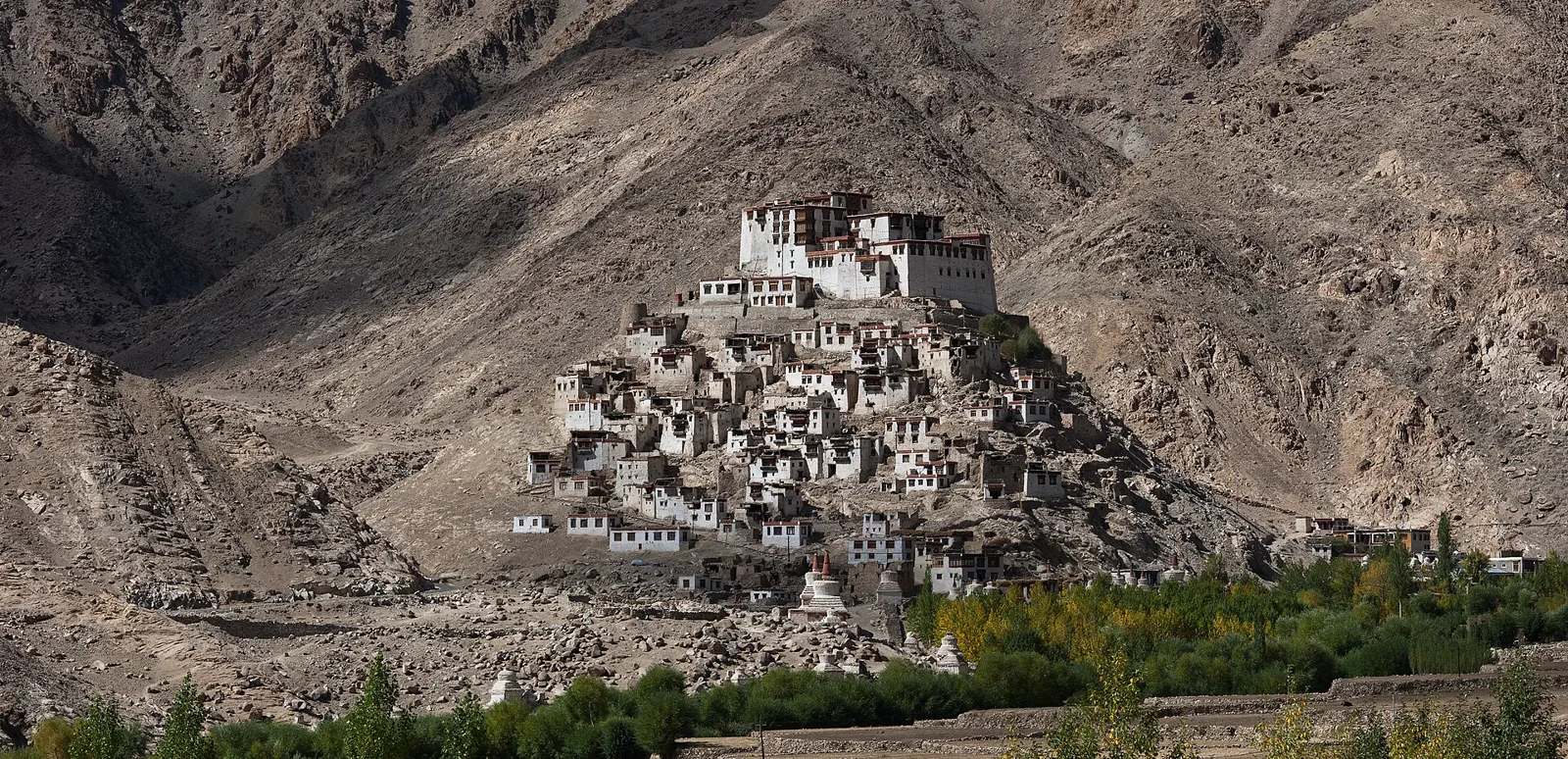
Chemrey Monastery
Chemrey Gompa is a Buddhist monastery in Ladakh’s Indus valley, founded in 1664. Visitors come to see its Padmasambhava statue and silver- and gold-lettered scriptures, and to attend its annual festival of sacred dances.
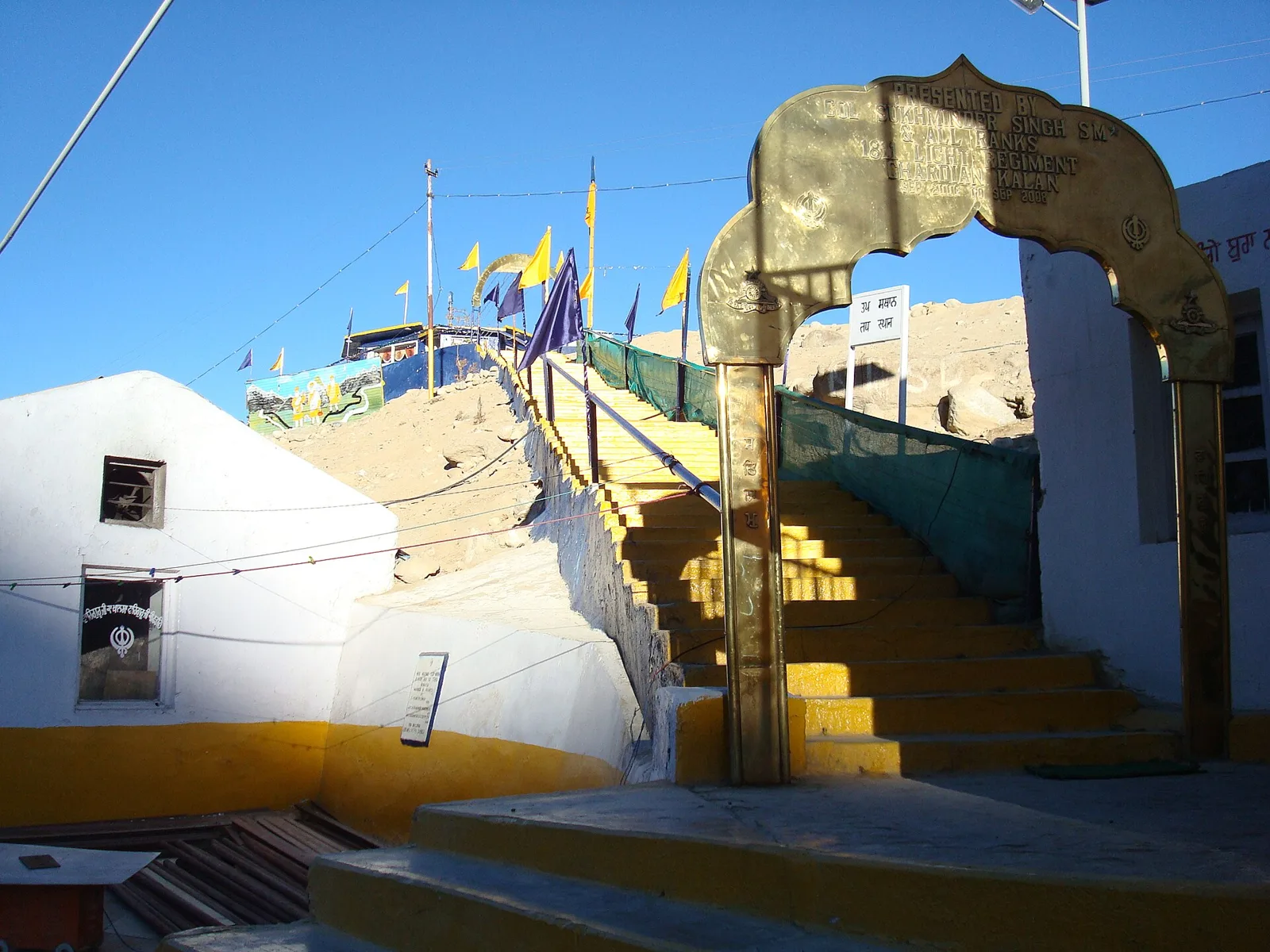
Gurudwara Pathar Sahib
Gurudwara Pathar Sahib is a Sikh place of worship near Leh, Ladakh. Visitors come to see the boulder linked by tradition to Guru Nanak Dev Ji and to visit a religious site on the Srinagar–Leh and Leh–Kargil route.
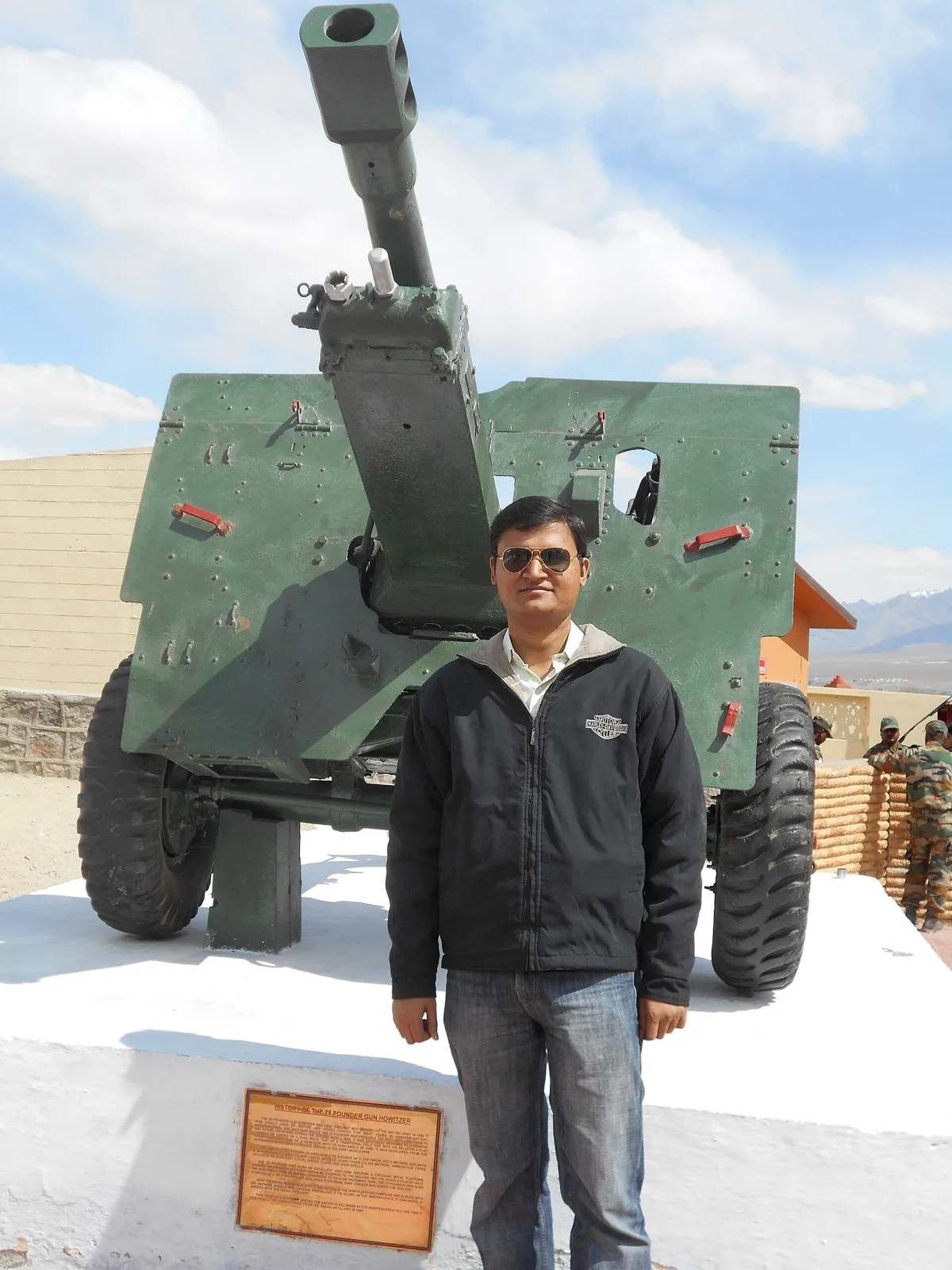
Hall of Fame War Museum, Leh
The Hall of Fame War Museum is a museum or cultural centre in Leh district, Ladakh. Visitors may include it when seeking a museum or cultural venue in the district.
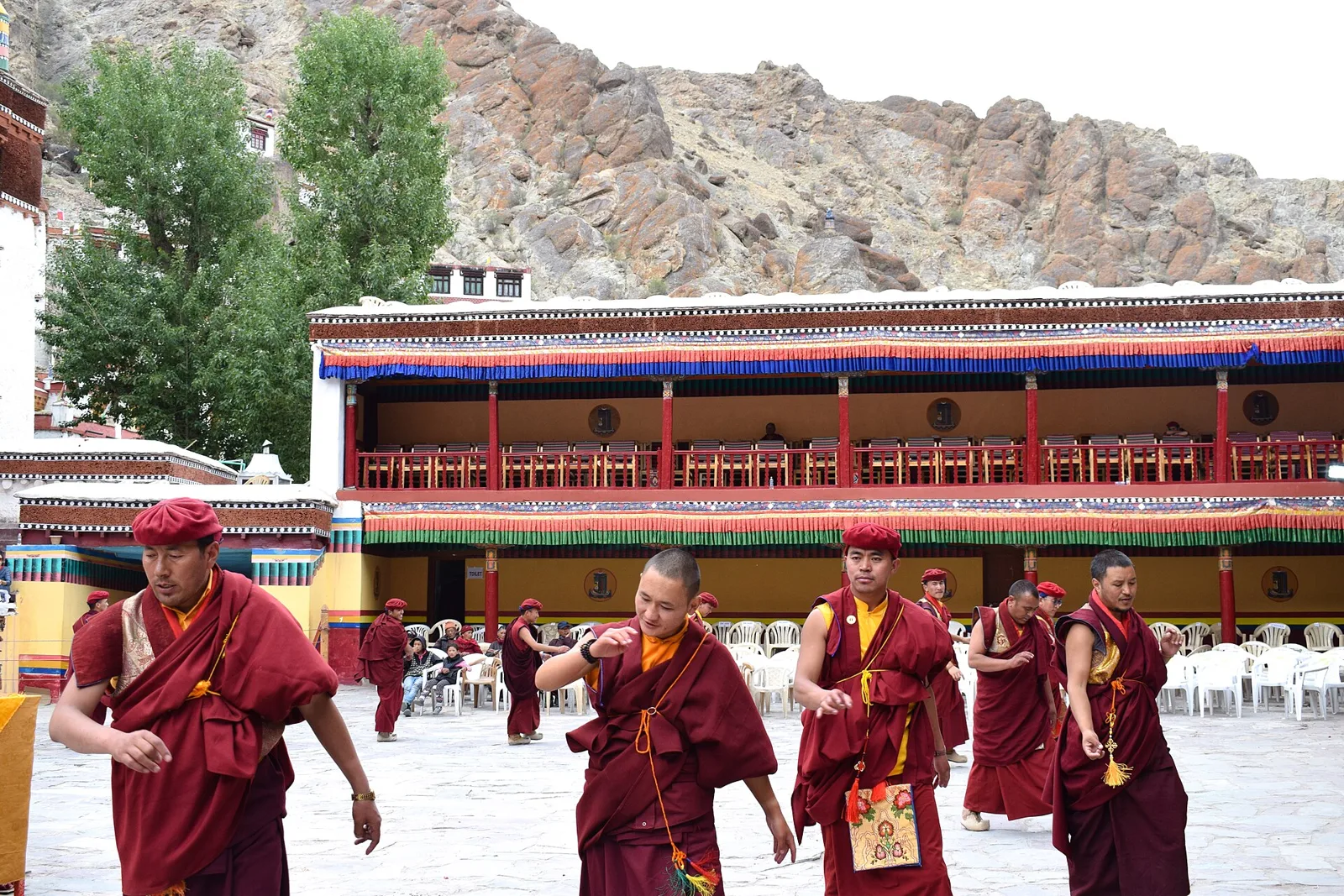
Hemis Monastery
Hemis Monastery is a Buddhist gompa of the Drukpa Lineage in Ladakh; visitors come for its annual early-June festival held in honour of Padmasambhava.
Hemis National Park
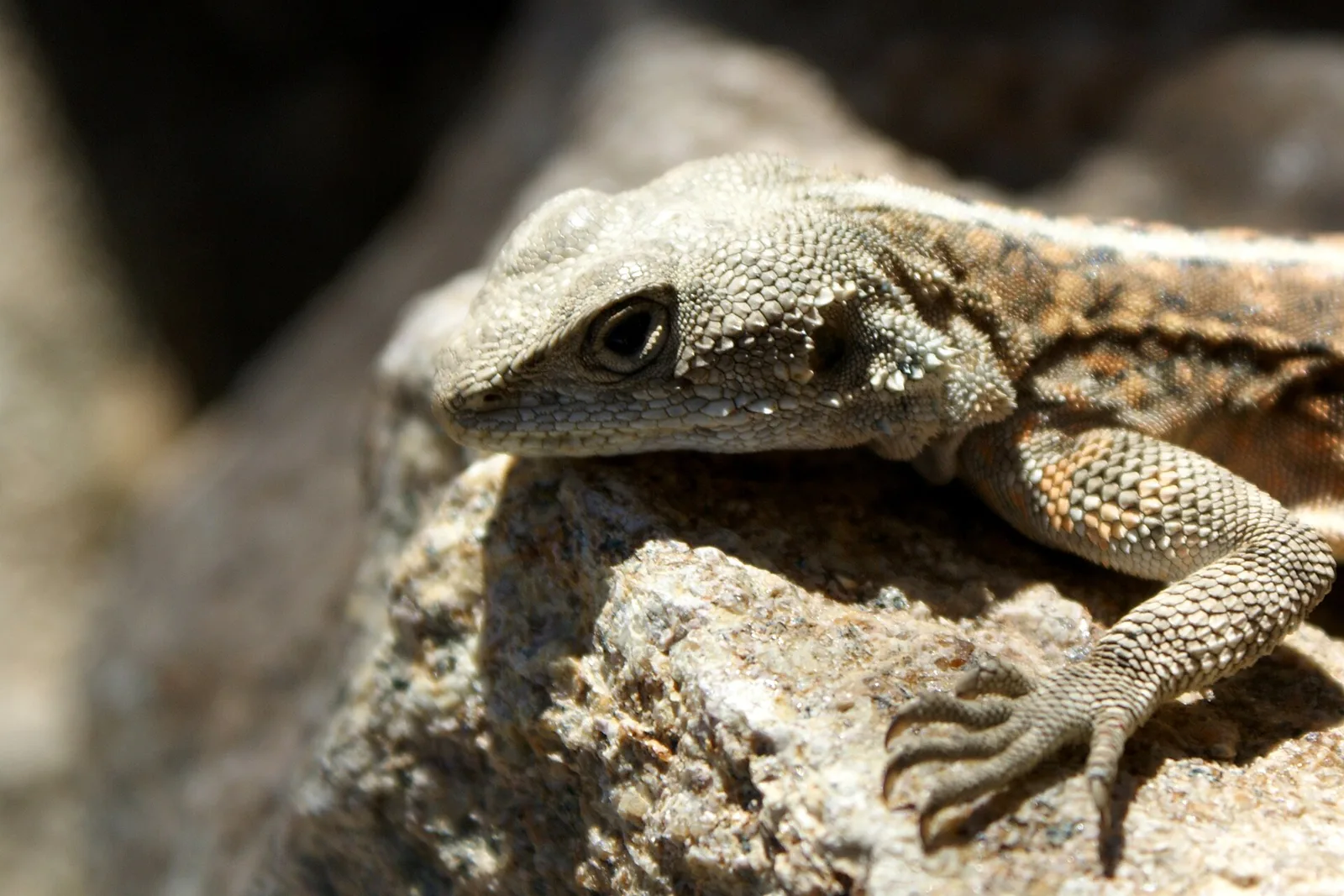
Hemis National Park is a high-altitude protected area in Ladakh, best known for its snow-leopard population and habitat for other endangered mammals.
Food in Leh draws on wider Ladakhi traditions, with warming soups, barley and simple, filling meals suited to the cold climate. Try thukpa, skyu with small pieces of wheat dough, steamed momos and tingmo bread. Tsampa, made from roasted barley, and paba belong to the region’s older food traditions, while chhurpi cheese and salty butter tea, often called gur gur cha, reflect its pastoral connections. Apricot preserves, dried apricots and seabuckthorn juice are also worth looking for. Leh’s Main Bazaar and Changspa have varied cafés; village eateries usually offer shorter menus. Ask what has been freshly prepared.
Leh is a place to encounter Ladakh’s wider traditions of wool weaving, knitting, Buddhist painting and metalwork. Pashmina fibre is associated with Changthang’s pastoral communities, although much of its fine weaving takes place outside Ladakh, notably in Kashmir. Locally woven woollen textiles and knitted winterwear reflect practical responses to the climate. Thangka painting, monastery murals and carved or painted woodwork belong to the region’s Tibetan Buddhist artistic heritage. In Leh’s shops, ask where an item was made and what material it uses, since locally produced work is sold alongside goods brought from elsewhere.
Monastic festivals, often called gustors, are held at different times of year and may feature masked dances and religious ceremonies; their dates follow the Tibetan lunar calendar. Hemis Festival, usually in June or July, draws visitors to Hemis Monastery. Dosmoche is generally held in winter, while Losar, the Ladakhi New Year, is also observed in the winter season. The Ladakh Festival, usually in September, brings cultural events to Leh and nearby areas. During major festivals, Leh and popular monastery areas can be busier, so arrange rooms and road transport in advance. Confirm local dates each year.
The district spans the Indus valley, stark mountain ranges and the open plateau country of Changthang. Settlements and irrigated fields cluster near streams and the Indus, while high passes connect valleys that may otherwise feel remote. Pangong Tso lies in the east, and the Markha valley cuts through rugged mountain terrain. Tree cover is limited outside cultivated areas and sheltered valleys; much of the landscape is bare or sparsely vegetated. Long distances, high elevations and weather-sensitive passes shape journeys, making road access and travel time less predictable than on lowland routes.
Leh has a cold-desert climate: summers are generally mild by day and cool at night, while winters are long, cold and often bring snow to higher routes. The summer monsoon has limited influence, though rain or storms can still disrupt travel. June to September is the most practical season for many visitors, when roads and high-altitude destinations are more accessible; conditions vary from year to year. Spring and autumn can be quieter but bring colder nights and possible route interruptions. Pack warm layers, sun protection, sturdy footwear and clothing for wind and sudden weather changes. Allow time to acclimatise after arrival.
Kushok Bakula Rimpochee Airport in Leh is the district’s main air gateway, with flights linking it to Delhi and other Indian cities. Leh has no railway station, so a rail journey requires onward travel by road or air. The main road approaches are the Srinagar–Kargil–Leh highway and the Manali–Leh highway; snow and weather can interrupt access across their high passes. Within the district, taxis, shared vehicles and buses connect settlements, though remote routes need advance planning. Allow time to acclimatise before travelling higher, and verify permit requirements for restricted areas. Check current services locally.
Leh is the main hub for reaching district sights. Taxis and hired vehicles are commonly used for monastery visits and longer trips; shared jeeps and local buses serve some settlements, but service to remote areas can be limited or seasonal. Roads connect Leh with the Indus valley, western villages and routes over high passes toward Pangong Tso and Changthang. Some journeys require a full day or an overnight stay, and road conditions can change quickly. Ask locally about current access and transport before setting out. Walking is useful within Leh and individual villages, but steep slopes and altitude can make even short climbs strenuous.
2 days: Leh → Leh Palace → Namgyal Tsemo Monastery → Shanti Stupa, then Thikse Monastery → Hemis Monastery; sleep both nights in Leh. 3 days: Leh → Chang La → Pangong Tso; sleep night one in Leh and night two at Pangong Tso; return to Leh on day three. 4 days: Leh → Likir Monastery → Alchi Monastery → Lamayuru Monastery; sleep night one in Leh, night two near Alchi Monastery, night three near Lamayuru Monastery, and return to Leh on day four.
Leh is the most practical base for acclimatisation, supplies and day trips to nearby monasteries; it has hotels, guesthouses and homestays across a range of styles. For a lake or plateau itinerary, overnight camps and homestays may be available around Pangong Tso and in some Changthang settlements, but services are limited and seasonal. Village homestays offer a quieter base for exploring the Indus valley. Basic government lodges or dharamshalas may be found in some places, but availability varies. Book ahead during festival periods and the busy summer season.
Altitude can cause serious illness; take time to acclimatise in Leh, avoid strenuous activity at first and seek medical help if symptoms worsen. Strong sun, cold nights and fast-changing weather call for sun protection, warm layers and reliable footwear. Drink safe or treated water, and do not approach or feed wildlife. High-pass roads can be rough, blocked or closed, so check conditions locally and avoid driving when tired. Mobile coverage and other connectivity may be limited outside Leh. Crowds increase around festivals and peak travel months. Permit requirements can apply to border and protected areas, including some routes toward Pangong Tso and Changthang; confirm current rules with official authorities before travel.
- Nubraabout 59 km
- Shamabout 69 km
- Zanskarabout 88 km
- Kargilabout 126 km
- Changthangabout 148 km
- Sankooabout 151 km
- Kishtwar · Jammu and Kashmirabout 156 km
Straight-line distance between the centres of each district's destinations; road distance is longer.
Q: How many days should I spend in Leh district? A: Allow at least three or four days for acclimatisation and nearby sights. Add more days for remote valleys, Pangong Tso or Changthang, where road journeys take time. Q: When is the best time to visit? A: June to September is generally the most accessible period for sightseeing and high routes. Weather and road access vary, so check conditions before travelling. Q: Where is the best base for exploring? A: Leh is the most convenient base for acclimatisation, services and nearby monasteries. For remote routes, plan overnight stays closer to the destination where accommodation is available. Q: How do I get to Leh? A: Kushok Bakula Rimpochee Airport has flights from Delhi and other Indian cities. Road access is via the Srinagar–Kargil–Leh or Manali–Leh highway; there is no railway station in Leh. Q: Is Leh district suitable for families or elderly travellers? A: It can suit travellers who plan gently, allow time to acclimatise and choose suitable road journeys. High altitude, steep walks, basic facilities outside Leh and long drives may not suit everyone; consult a clinician if health conditions are a concern.
This page draws on our 30 destination guides for Leh and is updated as our team checks it.
Be the first to share photos, stories, advice or a helpful contact for Leh.
Loading…