
District · Ladakh
Changthang
Changthang is a high-altitude plateau in eastern Ladakh, part of the trans-Himalayan region near the Tibetan frontier.
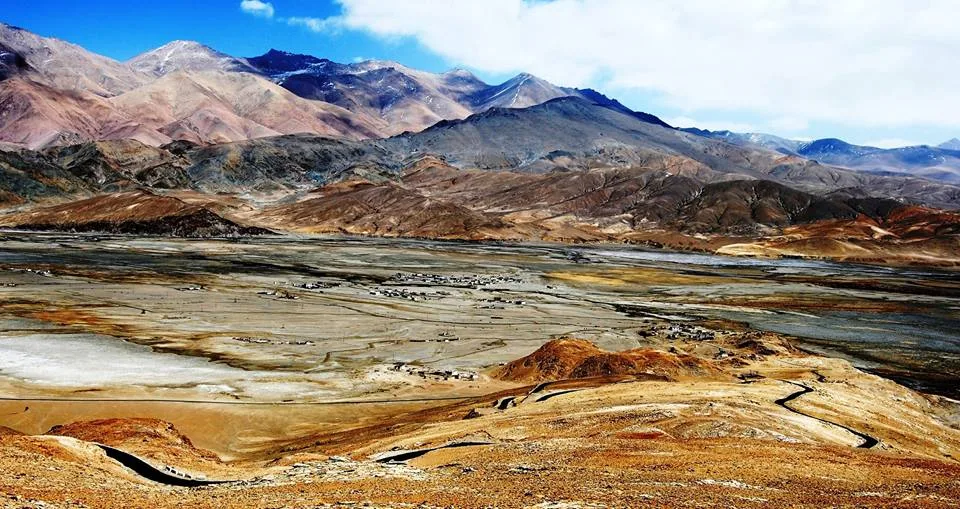
Changthang is a high-altitude landscape of open plateaus, mountain passes, wetlands and scattered settlements in eastern Ladakh. Tso Moriri, a Ramsar wetland, and the salt lake Tso Kar reveal the region’s stark beauty and ecological importance, while Chumathang lies beside the Indus. Hanle preserves connections with an old Ladakh–Tibet trade route; its seventeenth-century monastery belongs to the Drukpa lineage of Tibetan Buddhism. Korzok Monastery adds another important religious landmark beside Tso Moriri. Changpa pastoral communities and their livestock are central to the plateau’s cultural landscape. Hanle’s dark skies attract astronomy enthusiasts, while remote Umling La illustrates the extreme elevations that make travel here demanding and dependent on weather, acclimatisation and access restrictions.
Changthang is a high-altitude plateau in eastern Ladakh, part of the trans-Himalayan region near the Tibetan frontier. Travellers come for its open landscapes, salt and freshwater lakes, pastoral settlements and unusually dark skies. Tso Moriri is a Ramsar wetland, while Tso Kar is known for its saline waters and wildlife-rich surroundings. Hanle combines a historic monastery and old trade-route connections with astronomy facilities; Chumathang sits beside the Indus. The Changpa pastoral way of life is central to the region’s character. Journeys here are as much about acclimatising and experiencing a remote landscape as visiting individual sights.
Changthang has long formed part of the cultural and trading world linking Ladakh and Tibet. Pastoral communities, including the Changpa, moved livestock across the plateau’s seasonal grazing grounds, while trade routes connected settlements such as Hanle with regions to the east. Ladakh developed as a kingdom, and the Namgyal dynasty became prominent from the fifteenth century. Hanle Monastery dates to the seventeenth century and reflects the spread of Tibetan Buddhist institutions in the region; Korzok Monastery is another longstanding centre of religious life. In the nineteenth century, Ladakh came under Dogra rule and was incorporated into the princely state of Jammu and Kashmir after the Treaty of Amritsar in 1846. The area was not a directly administered British colony. After India’s independence, Ladakh remained within Jammu and Kashmir. In 2019, Ladakh became a Union Territory. Changthang is commonly used as a geographic and cultural name, and as an administrative subdivision of Leh district, rather than a separate district in the usual administrative sense.
7 destination guides
Chumathang
Chumathang is a town and tehsil in Ladakh’s Changthang district, beside the Indus. Visitors come for its hot springs and old gonpa, and local people also seek the springs’ medicinal benefits.
Hanle Dark Sky Reserve
Hanle Dark Sky Reserve is in Ladakh’s Changthang district. Visitors come for the Hanle observatory and 17th-century monastery, as well as the settlement’s links to the historic Ladakh–Tibet route.
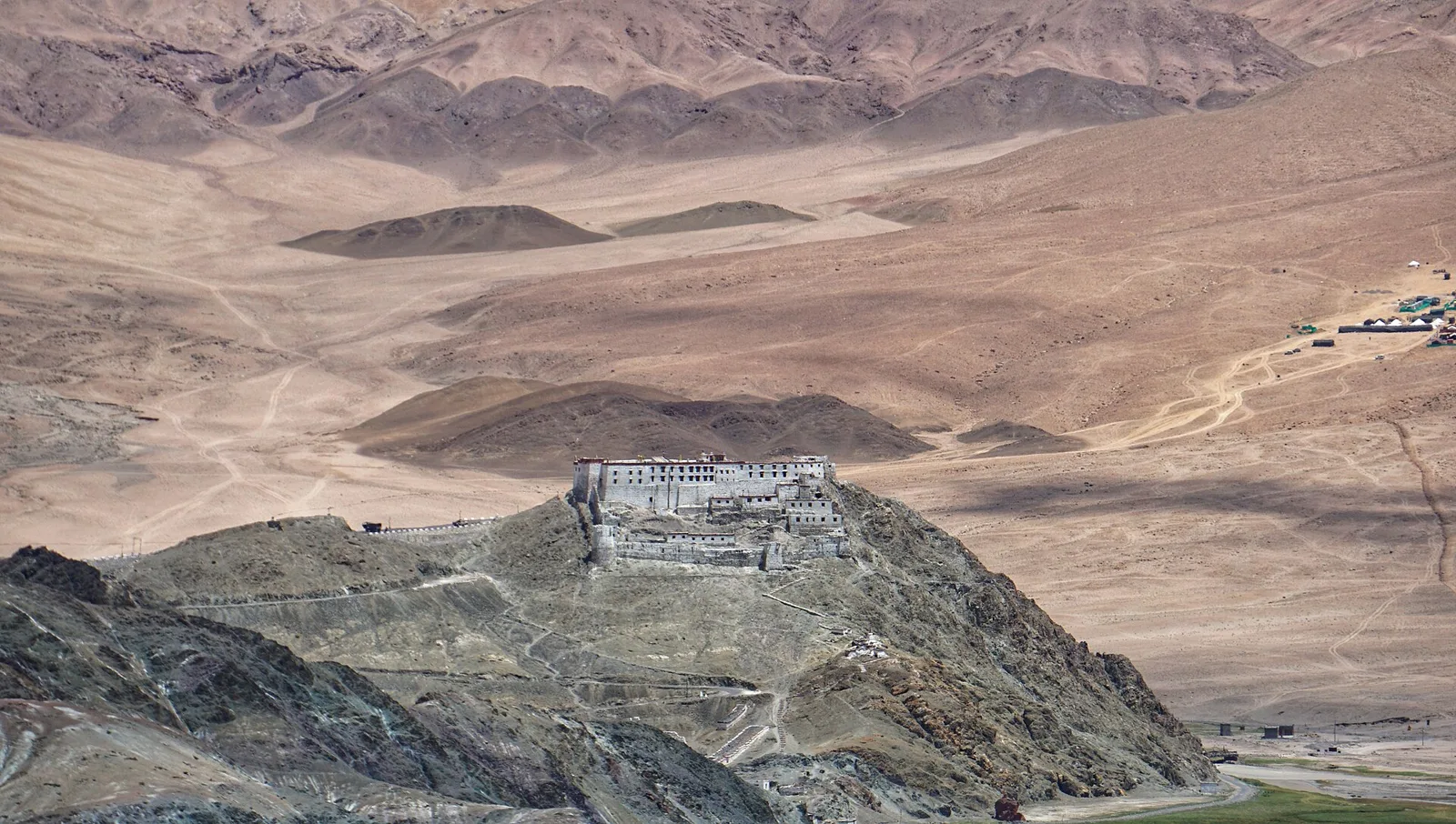
Hanle Monastery
Hanle Monastery is a historic Drukpa Buddhist centre in Ladakh’s Hanle Valley. Visitors come to see its 17th-century gompa and learn about its place in the region’s religious history.
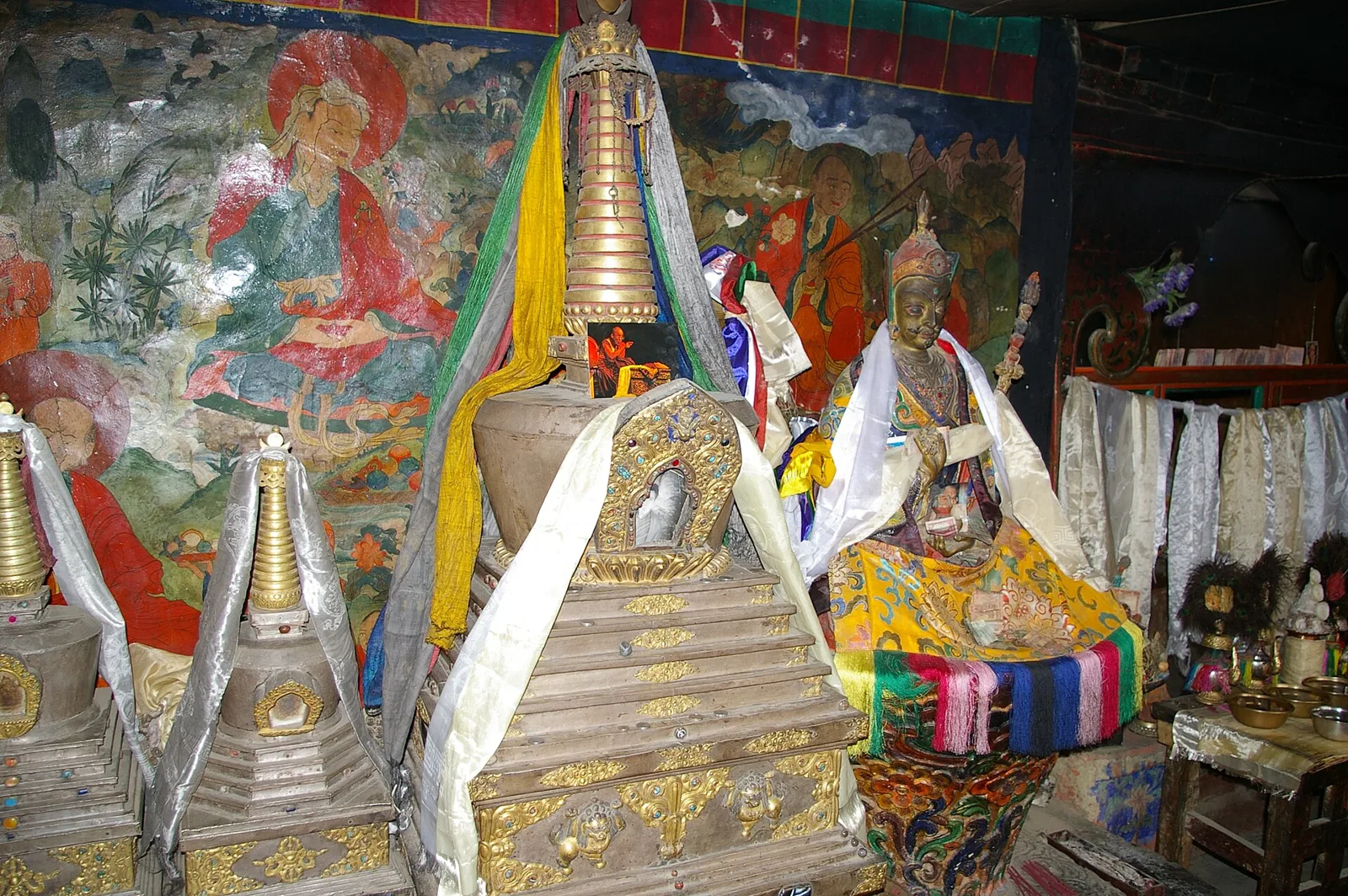
Korzok Monastery
Korzok Monastery is a Drukpa Buddhist gompa beside Tso Moriri in Ladakh. Visitors come for its statues, high-altitude setting and connection with the lake, which local people also revere.

Tso Kar
Tso Kar is a changing salt lake on Ladakh’s Rupshu Plateau, noted for its size and depth. Visitors come to view the lake and its distinctive setting.
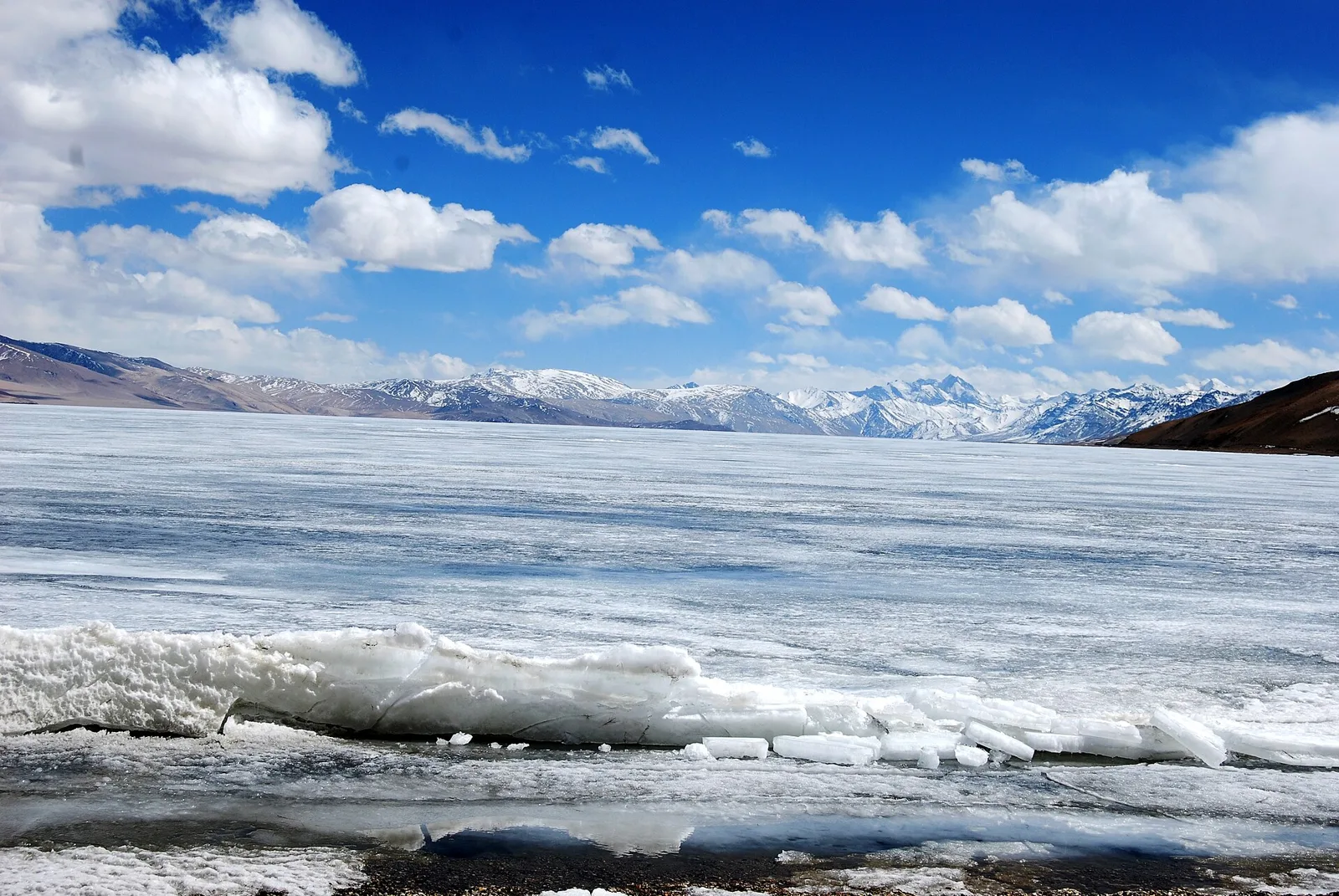
Tso Moriri
Tso Moriri is a remote, high-altitude lake and Ramsar wetland in Ladakh. Visitors come for its Trans-Himalayan setting and distinctive ecosystem, which supports varied biodiversity.
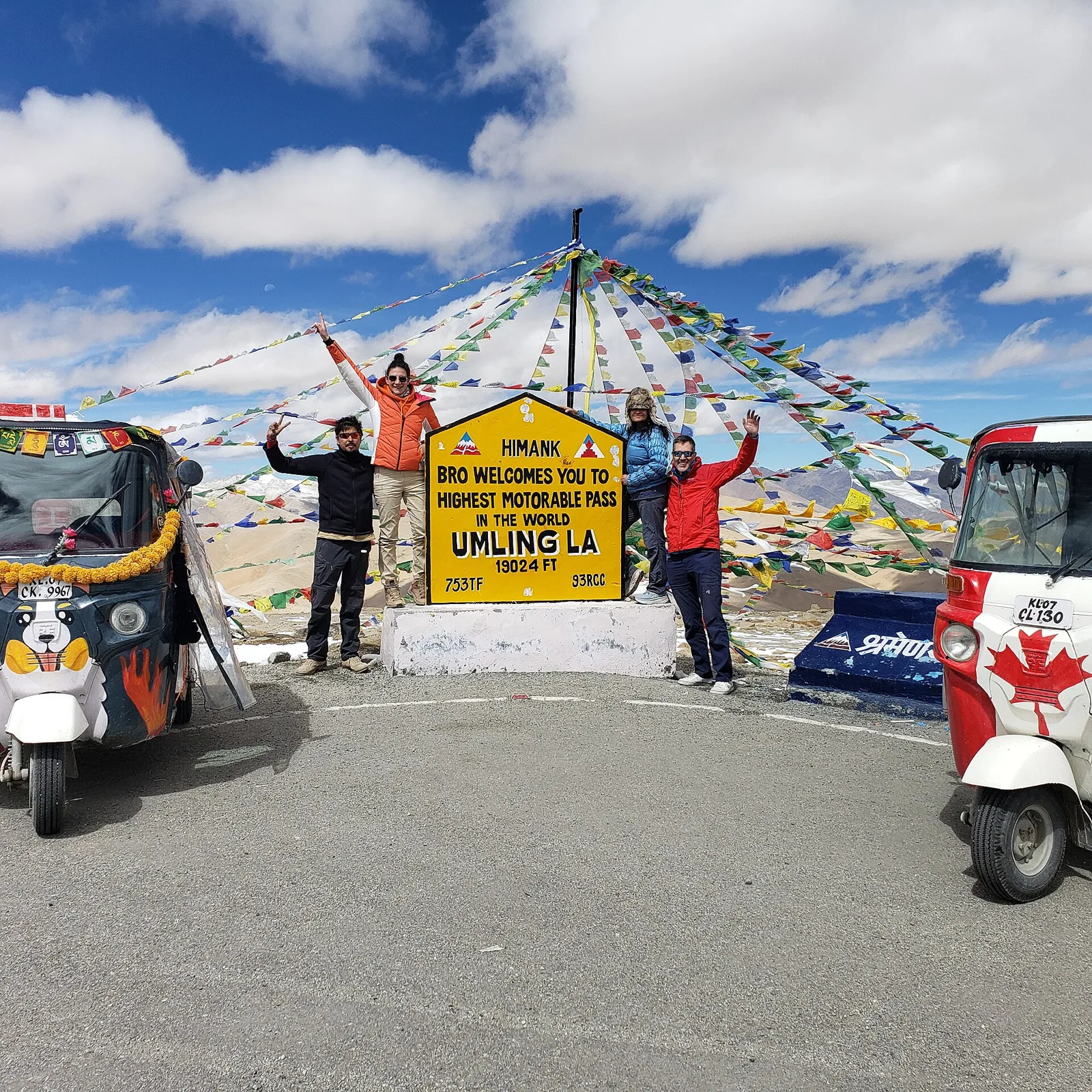
Umling La
At 5,799 metres, Umling La is a pass in Ladakh’s Changthang region near Demchok. Travellers use its high-altitude road linking Chisumle and Demchok.
Food in Changthang is generally simple and warming, drawing on the wider Ladakhi tradition rather than a separate district cuisine. Thukpa, a noodle soup, and skyu, made with pieces of wheat dough, are familiar hearty choices. Momos, steamed tingmo bread, roasted barley flour called tsampa, and chhurpi cheese also feature in the regional repertoire. Salty butter tea, often called gur gur cha, accompanies meals and hospitality. Supplies and menus can be limited in remote settlements, so ask homestay hosts or small eateries what is freshly available. Apricot products and seabuckthorn juice are wider Ladakhi specialities, not necessarily locally produced.
Changthang is closely associated with pashmina through the fine undercoat of goats raised by Changpa pastoralists. This pastoral livelihood supplies fibre for a wider textile tradition; a finished pashmina shawl sold in Ladakh is not necessarily woven locally. Wool spinning and weaving support practical textiles suited to the cold plateau. Across Ladakh, related craft traditions include woollen clothing, woven rugs, woodwork and Tibetan Buddhist painting. Monasteries offer a setting for appreciating regional religious art. When buying textiles, ask about fibre composition, where the item was made and who produced it.
Korzok Monastery holds its annual Gustor festival, generally in summer, with masked dances and religious observances; the timing varies with the Tibetan calendar. Losar, the Tibetan New Year, is celebrated in winter in Ladakh and reflects the region’s Buddhist cultural traditions. Festival dates can shift from year to year, so check locally before planning. These gatherings are usually modest compared with major events in Leh, but rooms and transport around Korzok can be scarce because accommodation across Changthang is limited. Reserve ahead where possible and keep plans flexible.
Changthang is a cold-desert plateau of broad grazing grounds, high passes, rocky ridges and wetlands, with little tree cover. The Indus runs past Chumathang, while Tso Moriri and the saline Tso Kar occupy high, remote basins. Settlements are scattered and separated by long stretches of exposed terrain. Roads cross mountain passes and open plains, and conditions can change with snow, rain or wind. The distances, altitude and limited services mean that travel is slow and routes are best planned around acclimatisation, road conditions and local access advice.
Changthang has a severe high-altitude climate. Summer, broadly from June to September, is the most practical travel season, though nights remain cold and weather can change quickly. The monsoon brings less rain here than to much of India, but occasional precipitation can still affect roads. Winter is long and intensely cold; snow and ice may close routes or make travel difficult, and many seasonal services shut. Spring and autumn can bring cold, unsettled conditions and limited availability. Pack warm layers, a windproof outer shell, sun protection, sunglasses and sturdy footwear in any season. Check road and weather updates before departure, and allow time to acclimatise in Leh before going higher.
Kushok Bakula Rimpochee Airport in Leh is the main air gateway. There is no railway connection to Changthang; arriving by rail requires a substantial onward road journey to Ladakh. Leh connects with the Srinagar–Kargil and Manali routes, whose availability depends on seasonal conditions. From Leh, road journeys into Changthang commonly follow the Indus valley, with onward routes towards Chumathang, Hanle and Tso Moriri. Prearranged taxis or vehicles with experienced local drivers are practical, as public transport is limited. Allow time to acclimatise before travelling higher, and confirm permits and route restrictions for border areas. Check current services locally.
Road travel is the main way to move between Changthang’s sights. Routes from Leh commonly follow the Indus valley towards Chumathang, with onward roads to Hanle and the Tso Moriri area; Tso Kar lies on a separate high-plateau route. Public buses and shared vehicles are limited and may not serve every settlement or run reliably in all seasons. Prearranged taxis or vehicles with experienced local drivers are generally the practical choice. There are no useful local rail, boat or regular auto-rickshaw connections. Confirm road access, permits and return arrangements locally, especially for remote border areas.
4 days: Chumathang → Hanle Monastery → Hanle Dark Sky Reserve → Umling La; sleep Night 1 in Chumathang, Nights 2 and 3 in Hanle. Visit Umling La only if access is officially permitted and conditions allow. 3 days: Tso Kar → Tso Moriri → Korzok Monastery; sleep Night 1 near Tso Kar and Night 2 in Korzok.
Hanle is the most practical base for its monastery, dark-sky experiences and journeys towards Umling La, while Korzok is the main base for Tso Moriri and Korzok Monastery. Chumathang can suit an overnight stop along the Indus route; stays around Tso Kar are more limited and may be seasonal. Accommodation is generally simple, including guesthouses, homestays and seasonal camps, with limited lodge-style options. Facilities and meal availability vary, so confirm arrangements in advance and do not assume rooms will be available on arrival.
Altitude is a serious concern: acclimatise before travelling higher, take exertion slowly and seek medical help for worsening symptoms. Roads are remote, sometimes rough, and vulnerable to snow, rain, landslides or closures; avoid driving after dark and carry essential supplies. Mobile coverage and emergency services are limited, so share plans and keep offline navigation. Treat or boil water unless its safety is assured, and do not approach wildlife or disturb wetland habitats. Border-area access rules can change. Confirm current permit requirements and route restrictions with official authorities before travelling; do not assume a permit is unnecessary.
- Lahaul and Spiti · Himachal Pradeshabout 76 km
- Kullu · Himachal Pradeshabout 130 km
- Lehabout 148 km
- Zanskarabout 149 km
- Kinnaur · Himachal Pradeshabout 154 km
- Mandi · Himachal Pradeshabout 188 km
- Shamabout 211 km
Straight-line distance between the centres of each district's destinations; road distance is longer.
Q: How many days should I spend in Changthang? A: Allow at least three or four days for one circuit, with additional time in Leh beforehand to acclimatise. Q: When is the best time to visit? A: June to September is generally the most practical season, but check current road access and weather. Q: What is the best base? A: Hanle suits the eastern sights, while Korzok is the usual base for Tso Moriri. Q: How do I get to Changthang? A: Travel by road from Leh, usually in a prearranged vehicle; public transport is limited. Q: Is Changthang suitable for families or elderly travellers? A: It can suit fit, well-prepared visitors, but high altitude, long drives and limited facilities may make it unsuitable for some families and older travellers. Seek medical advice if concerned.
This page draws on our 7 destination guides for Changthang and is updated as our team checks it.
Be the first to share photos, stories, advice or a helpful contact for Changthang.
Loading…