
District · Ladakh
Zanskar
Zanskar offers a view of Ladakh beyond its better-known towns: a high Himalayan region of broad valley floors, narrow gorges and villages where farming and seasonal conditions shape everyday life.
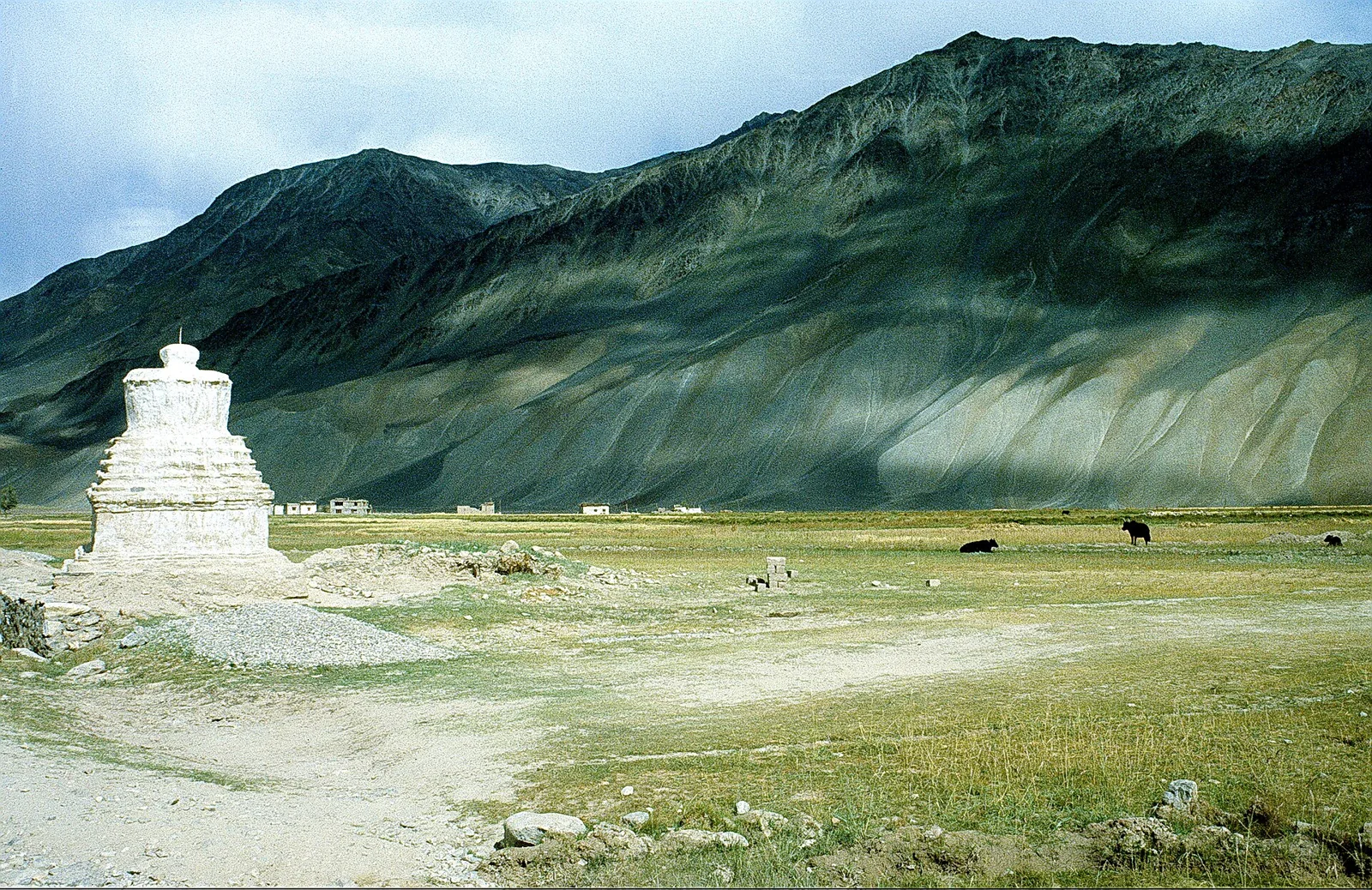
Zanskar is a high Himalayan district of Ladakh, centred on Padum and shaped by stark mountains, river valleys and small cultivated settlements. Its landscape alternates between broad valley floors and narrow gorges, with long winters strongly influencing daily life and travel. Historically connected with the Tibetan cultural world, Zanskar preserves a substantial Buddhist monastic heritage alongside its village traditions. Karsha, Stongdey and Sani monasteries offer different perspectives on this heritage, while Phugtal lies in the remote Lungnak Valley. Zangla adds another settlement to explore beyond Padum. The district rewards unhurried journeys: its character emerges as much through fields, village paths and everyday hospitality as through its better-known monasteries.
Zanskar offers a view of Ladakh beyond its better-known towns: a high Himalayan region of broad valley floors, narrow gorges and villages where farming and seasonal conditions shape everyday life. Padum is its administrative centre and practical base, while monasteries at Karsha, Stongdey and Sani reflect a strong Buddhist heritage connected to the wider Tibetan cultural world. The remote Lungnak Valley is home to Phugtal Monastery, reached on foot beyond the road approach. Zangla and smaller settlements add a village perspective. Visitors come for monastery visits, mountain scenery and a slower journey through a region where travel itself is part of the experience.
Zanskar’s history is closely connected to the Tibetan Buddhist cultural world and to the wider history of Ladakh. Local rulers governed the valley as a small kingdom, with political and religious ties that shifted over time between Ladakh and neighbouring Himalayan powers. Monasteries such as Karsha, Stongdey, Sani and Phugtal became enduring centres of religious learning and village life. In the nineteenth century, Dogra forces led by Zorawar Singh conquered Ladakh and extended their campaigns into the region; Zanskar thereafter formed part of the princely state of Jammu and Kashmir under Dogra rule, within the broader period of British paramountcy in the subcontinent. After India’s independence, the area remained within Jammu and Kashmir and was administered as part of Kargil district. Ladakh became a Union Territory in 2019. In 2024, the Union Territory administration announced Zanskar as a new district, with Padum as its centre; administrative arrangements have been developing as part of that reorganisation.
7 destination guides
Karsha Monastery
Karsha Monastery is a Buddhist monastery in Padum, Zanskar, Ladakh. Visitors come to see the monastery and its location beside the Doda River in the Zanskar valley.
Padum
Padum, also called Padam, is the administrative centre of Zanskar district in Ladakh. Visitors interested in the area’s history may come to learn about its former role as a capital of the Zanskar Kingdom.
Phugtal Monastery
Phugtal Monastery is a Buddhist monastery in the Lungnak Valley of Ladakh’s Zanskar region. Visitors make the journey to see the monastery in its remote mountain setting.
Sani Monastery
Sani Monastery is a Drukpa Kargyu Buddhist monastery in Zanskar, Ladakh. Visitors come for its religious heritage and its reputation as the region’s oldest religious site.
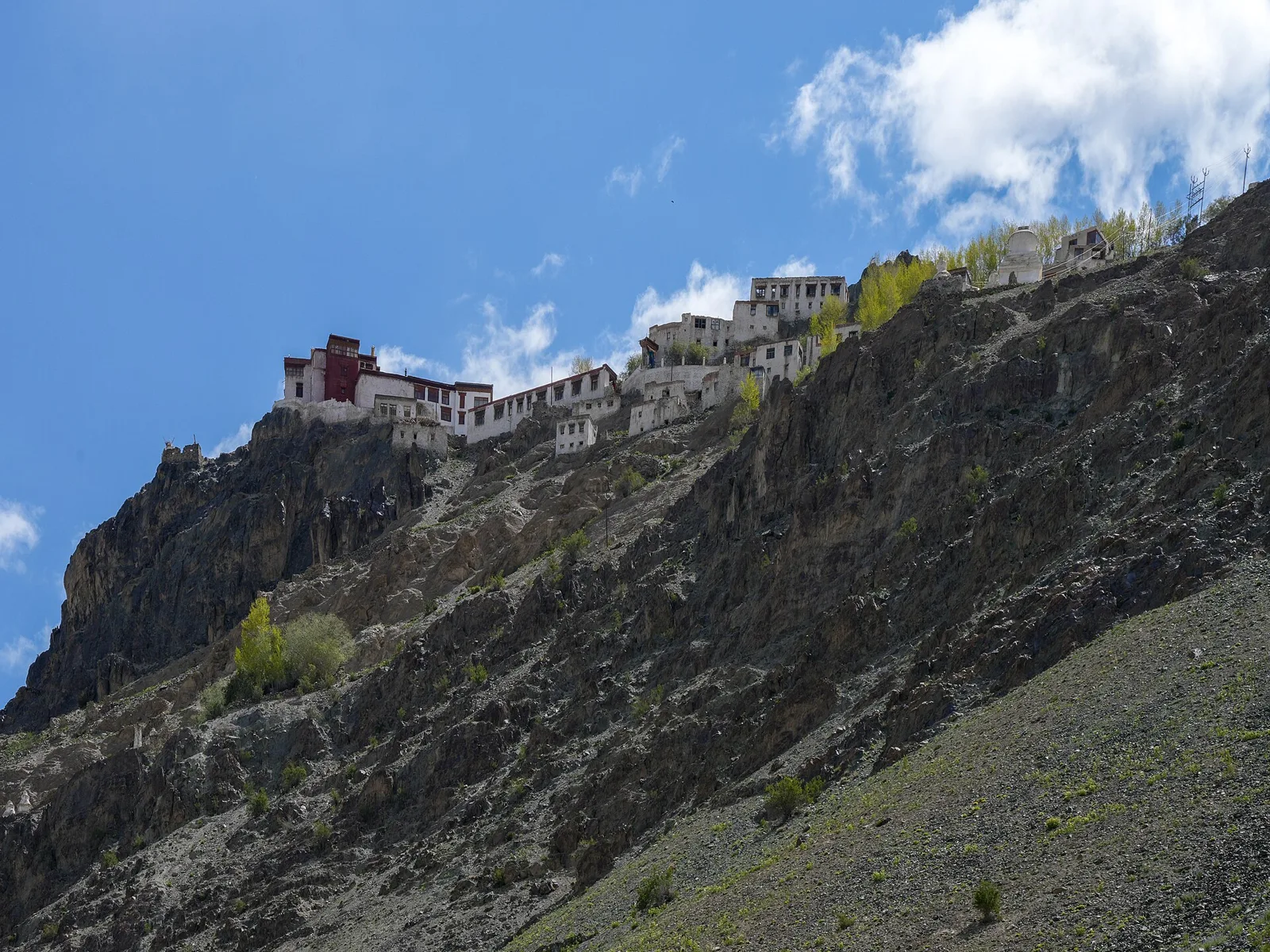
Stongdey Monastery
A Buddhist monastery above Stongdey village in Zanskar, Stongdey is visited for its historic temples, Gelukpa community and annual Gustor observance.
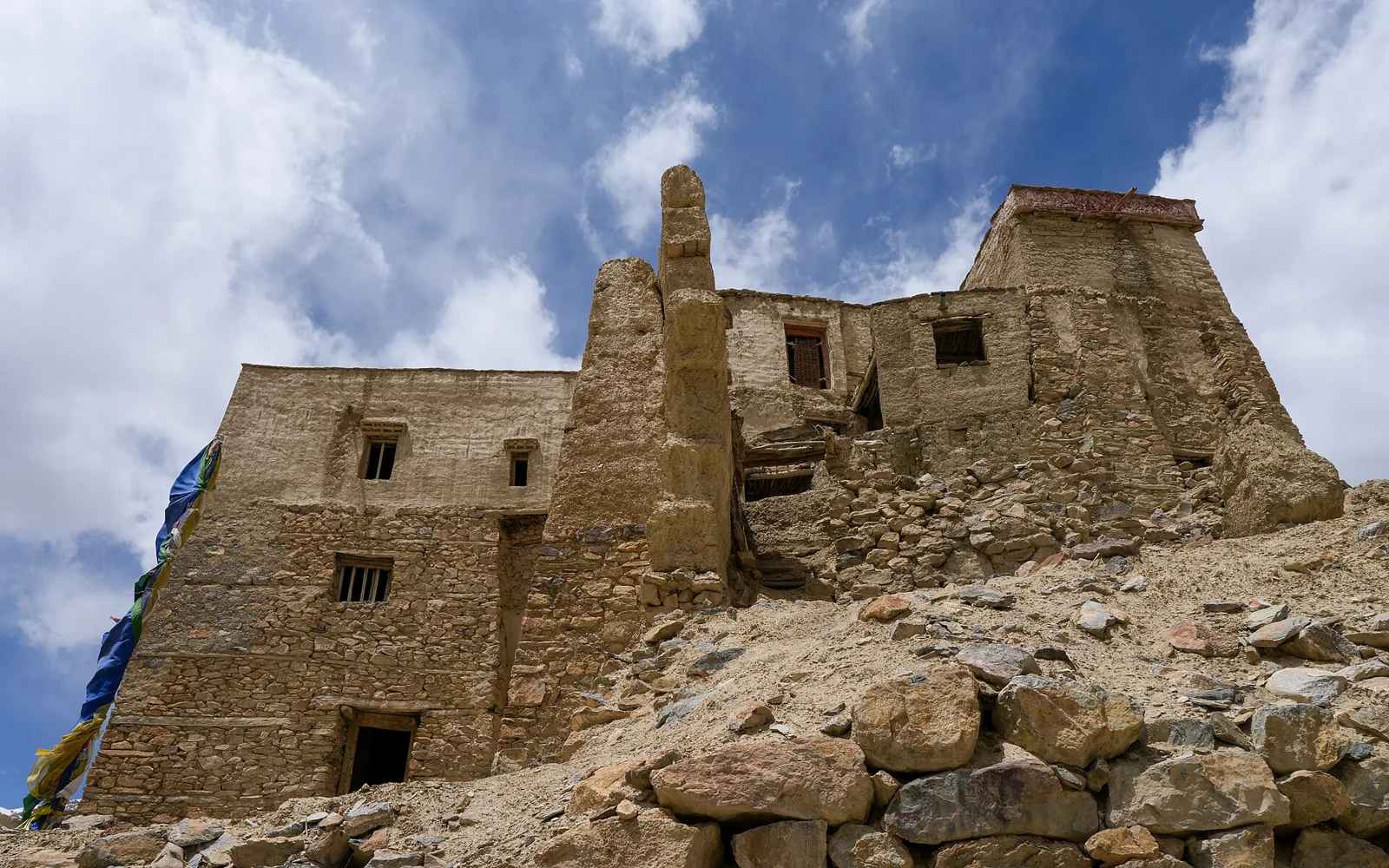
Zangla
Zangla is a town and tehsil in Ladakh’s Zanskar district, known for its hilltop palace ruins and the paintings inside its Buddhist nunnery.
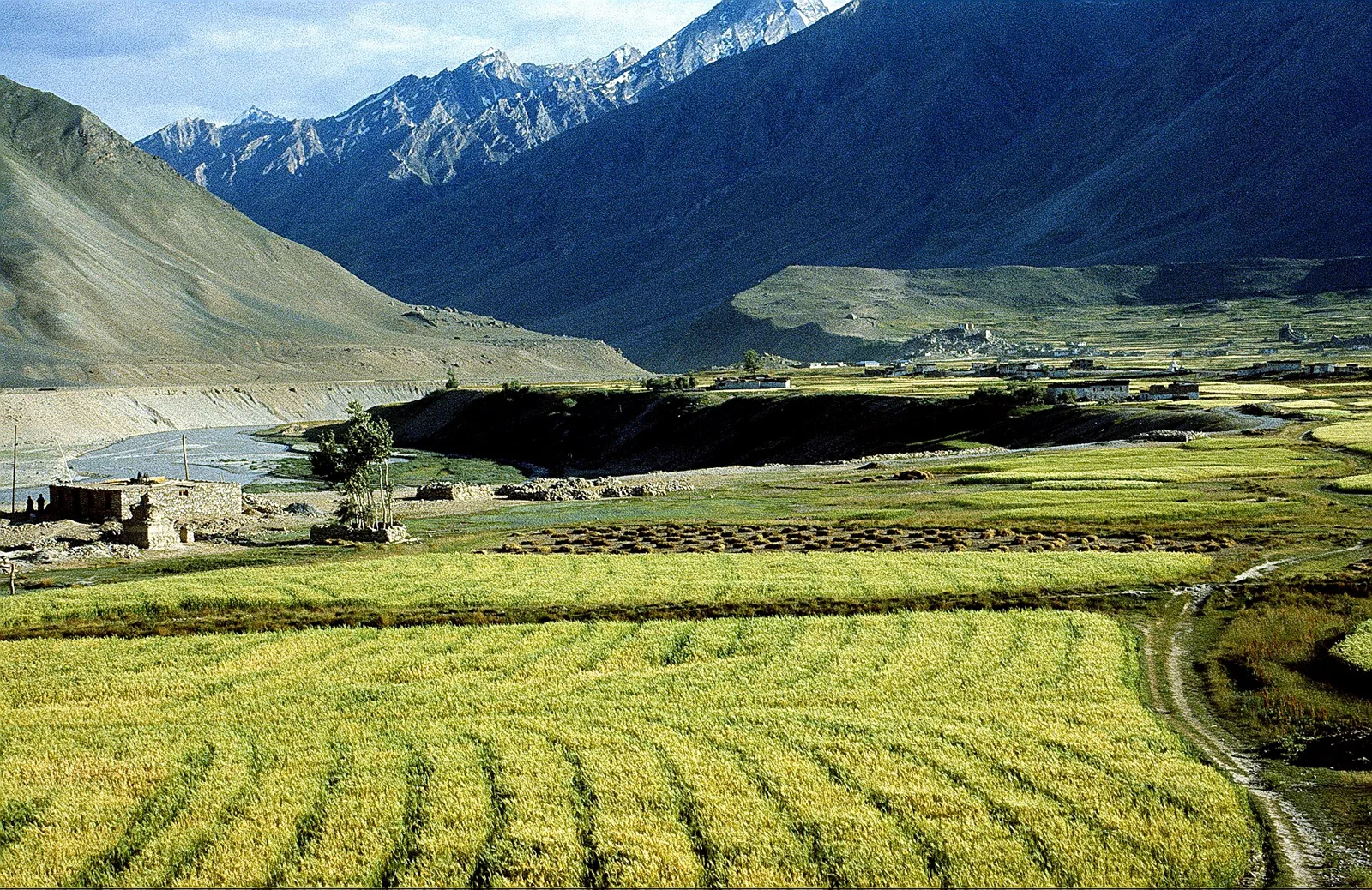
Zanskar Valley
Zanskar Valley is a high-altitude Himalayan region in Ladakh, visited for its monasteries, river valleys and distinctive seasonal routes across mountain passes and the frozen Zanskar River.
Food in Zanskar draws on the wider Ladakhi tradition of warming, filling meals suited to a cold mountain environment. Look for thukpa, a noodle soup; skyu, made with small pieces of wheat dough; steamed momos; and tingmo bread. Roasted barley flour, known as tsampa, and dairy foods such as chhurpi cheese are part of the region’s food culture. Salty butter tea, or gur gur cha, is another familiar staple. Dried apricots and apricot products come from other parts of Ladakh rather than being distinctly Zanskari. Small eateries often offer a limited daily menu, so ask what has been freshly prepared.
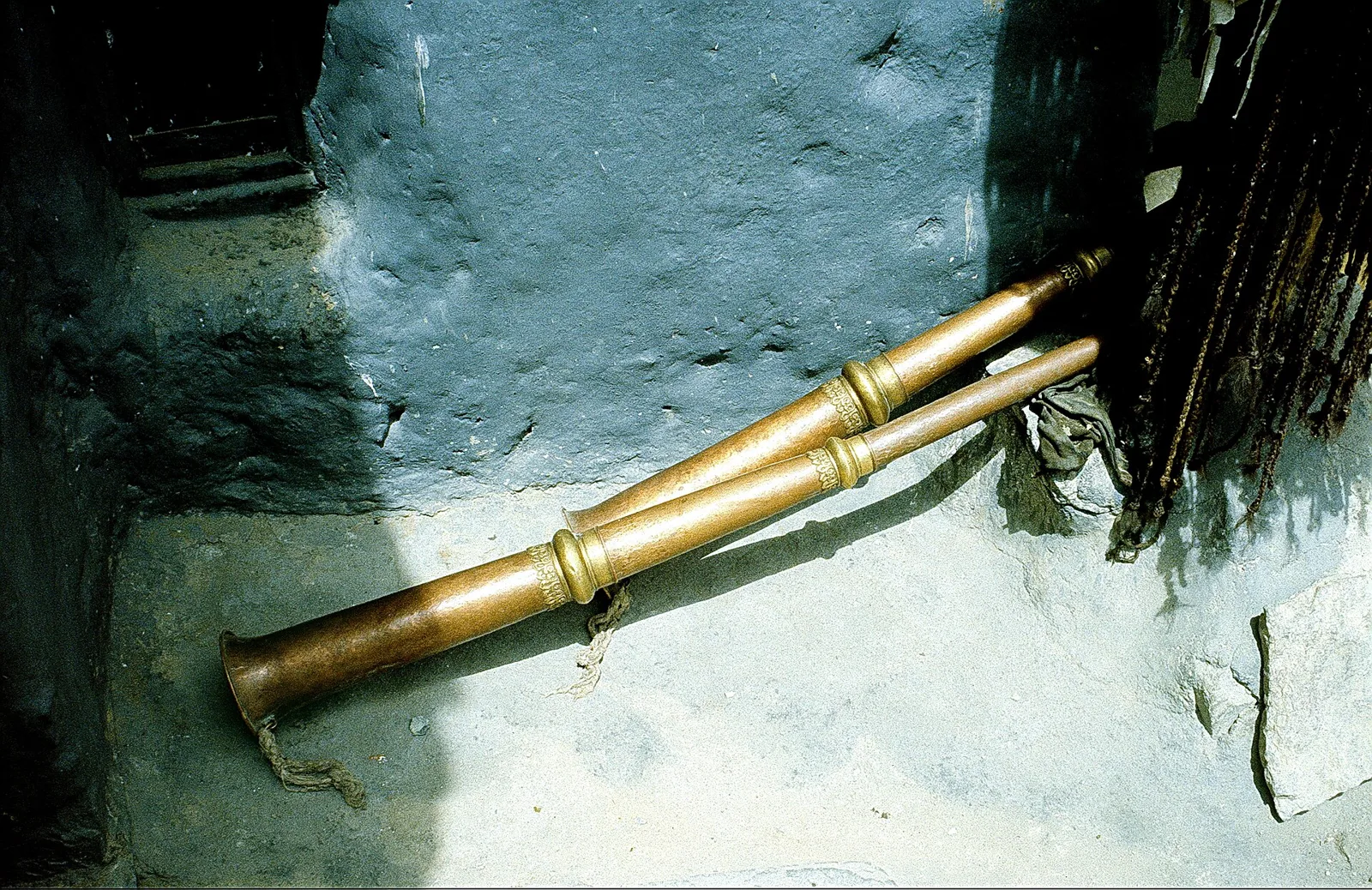
Zanskar’s craft heritage belongs to the wider cultural traditions of Ladakh and the Tibetan Himalaya. Wool spinning, weaving and knitted clothing reflect the practical demands of mountain life, with handmade textiles valued for warmth and everyday use. Buddhist monasteries preserve artistic traditions through murals, painted religious images and ritual objects. Thangka painting is associated with the wider region, rather than being exclusive to Zanskar. When buying textiles or religious artwork, ask where and by whom an item was made; goods sold locally are not necessarily produced within the district.
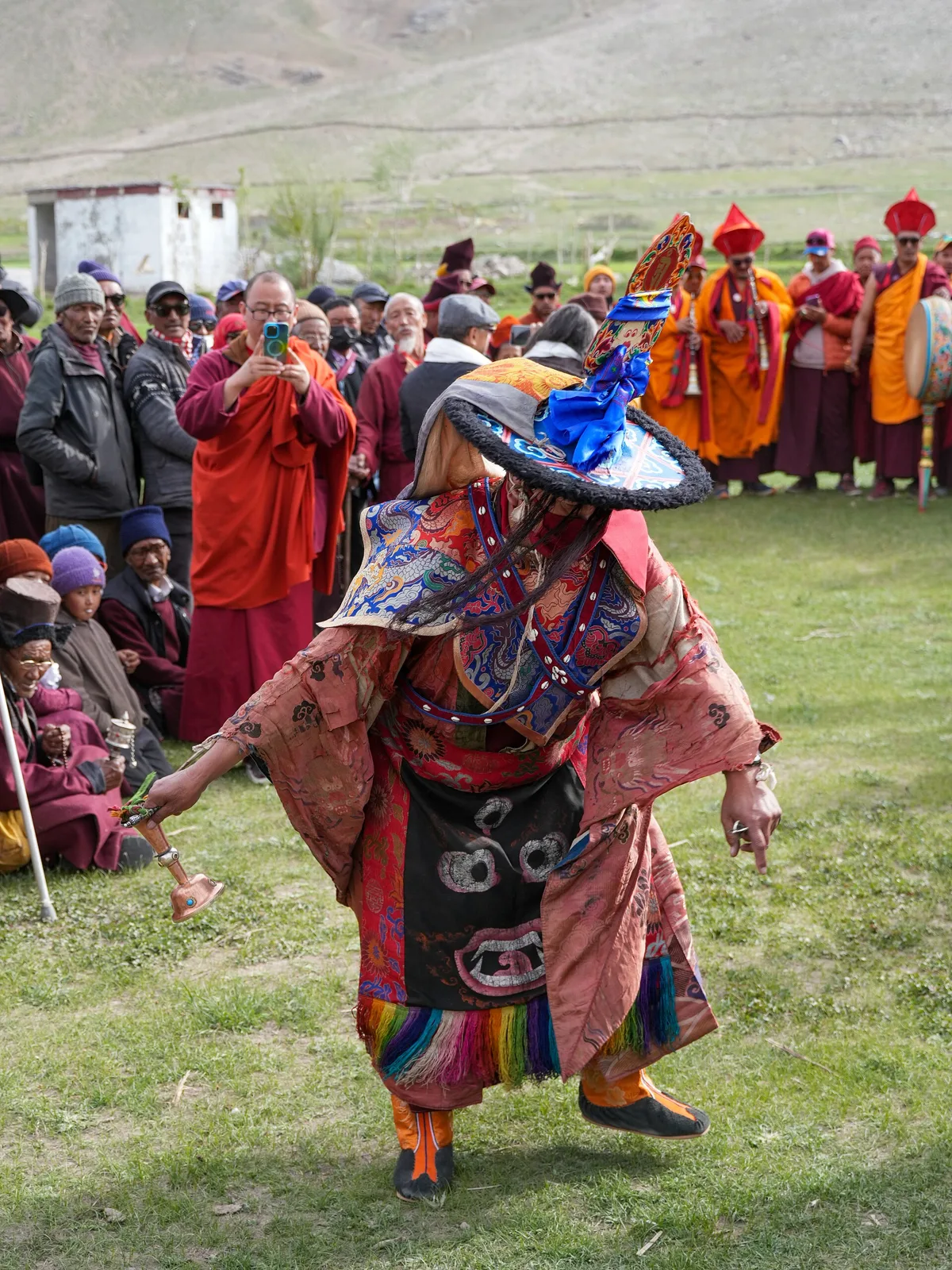
Losar, the Tibetan New Year, is observed in winter, while monasteries hold annual masked-dance festivals, often called Gustor, at different points in the year according to their own calendars. Sani Monastery’s Naro Nasjal is a regional summer festival. These occasions bring village communities together for prayers, performances and social gatherings; dates vary, so check locally before planning. They can make Padum and nearby villages busier than usual, and rooms may be limited during larger events. Festival schedules are not uniform across Zanskar.
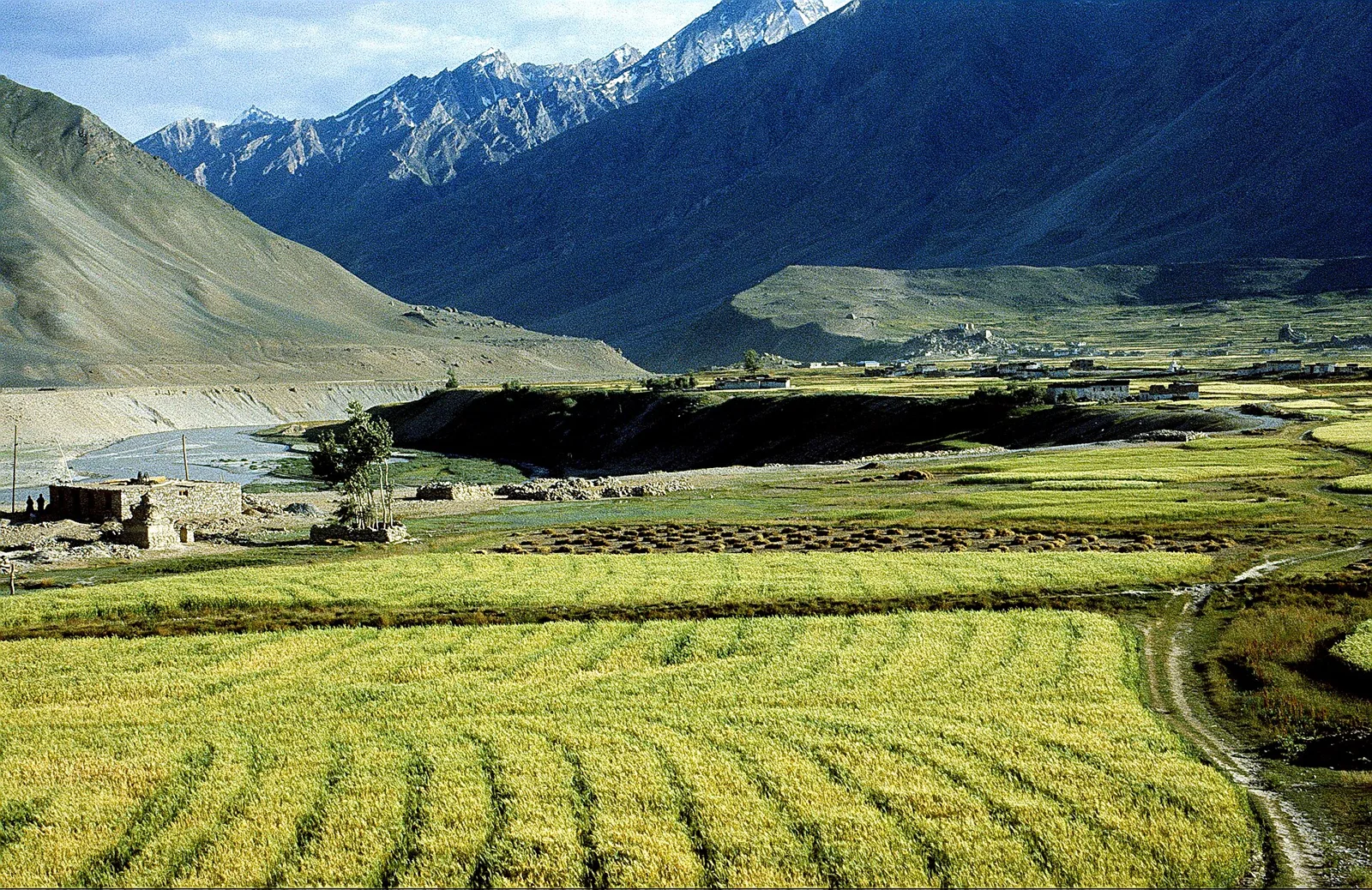
Zanskar is a high-altitude, largely treeless region of broad cultivated valley floors, steep mountains and deeply cut river gorges. The Zanskar River and its tributary valleys connect settlements, while the Lungnak Valley leads towards remote Phugtal. Fields and villages cluster where the terrain permits cultivation; beyond them, routes cross exposed slopes and high passes. Roads follow river valleys and can be narrow or vulnerable to rockfall, snow and water. The landscape’s scale and limited road network make journeys between places slower than distances on a map might suggest.
Summer, broadly from June to September, is generally the most practical season for travel, when many road approaches are more accessible. The monsoon brings less rain to Zanskar than to much of India, but weather in surrounding regions can still affect roads and passes. Autumn can bring clear conditions, though access may become less reliable as the season advances. Winter is long and severe, with snow and cold disrupting road travel and services. Pack warm layers, wind- and rain-resistant outerwear, sun protection and sturdy walking shoes in any season. Allow time to acclimatise to the altitude and check current road conditions before setting out.
Kushok Bakula Rimpochee Airport in Leh is the main air gateway. Zanskar has no railway; Jammu Tawi is a possible rail gateway, requiring a long onward road journey. Road approaches include Kargil through the Suru Valley over Pensi La, and Darcha over Shinku La. The Nimmu–Padum route provides another connection, but access and conditions require confirmation. Snow, weather and roadworks can disrupt travel, so allow spare days and time to acclimatise. Padum is the practical base for arranging taxis and enquiring about shared transport. Reaching Phugtal involves walking beyond the road approach. Check current services locally.
Padum is the main hub for arranging local travel. Roads connect it with Karsha, Stongdey, Sani and Zangla, but conditions and journey times vary with weather and roadworks. Taxis can usually be arranged locally; shared jeeps or buses may operate on some routes, but services are limited and should not be assumed to run daily. Ask in Padum about current transport and return options before leaving. Phugtal requires a trek beyond the road approach, so visitors should arrange local guidance and an overnight plan. There are no boats or urban-style public transport services for sightseeing.
2 days: Padum → Karsha Monastery → Stongdey Monastery; sleep both nights in Padum. 3 days: Padum → Sani Monastery → Zangla; sleep all nights in Padum. 4 days: Padum → Phugtal Monastery → Padum; sleep night 1 in Padum, night 2 in a locally confirmed stay near the trekking route, and night 3 in Padum.
Padum is the most practical base for short circuits to Karsha, Stongdey, Sani and Zangla, with the widest choice of basic hotels and homestays. Smaller villages may have homestays or simple guest accommodation, but availability and services vary by season. For a Phugtal visit, confirm an overnight stay near the trekking route with local contacts before setting out; do not assume that accommodation will be available on arrival. Government lodges or dharamshalas may be present in the wider region, but check whether they are open and accepting visitors.
Zanskar’s altitude, exposed trails and rapidly changing weather call for gradual acclimatisation, steady pacing and warm layers. Carry safe drinking water or a reliable treatment method, and avoid relying on shops or services being available in small settlements. Road conditions can change because of snow, rockfall, water or roadworks; confirm the route locally and keep spare days. Mobile coverage and medical facilities are limited outside Padum. For the Phugtal trek, check trail conditions and arrange local guidance and a suitable overnight plan. Confirm any permit requirements with official sources before travel; requirements can change.
- Kishtwar · Jammu and Kashmirabout 85 km
- Lehabout 88 km
- Kargilabout 97 km
- Shamabout 98 km
- Sankooabout 123 km
- Doda · Jammu and Kashmirabout 125 km
- Chamba · Himachal Pradeshabout 129 km
- Nubraabout 135 km
Straight-line distance between the centres of each district's destinations; road distance is longer.
Q: How many days should I spend in Zanskar? A: Allow at least three days around Padum for nearby monasteries and villages. Add more time for the Phugtal trek and for weather or road delays. Q: When is the best time to visit? A: June to September is generally the most practical period, though road access and conditions should be checked before departure. Q: What is the best base for exploring? A: Padum is the main base, with local transport and the broadest range of visitor services. Q: How do I get to Zanskar? A: Travel via Leh or Kargil by road, or approach from Darcha when the route is open. There is no railway in Zanskar; confirm current road access locally. Q: Is Zanskar suitable for families or elderly travellers? A: It can suit travellers who are comfortable with high altitude, long road journeys and limited services. Plan a gentle itinerary, allow time to acclimatise and assess walking needs, especially for Phugtal.
This page draws on our 7 destination guides for Zanskar and is updated as our team checks it.
Be the first to share photos, stories, advice or a helpful contact for Zanskar.
Loading…