
District · Ladakh
Sham
Sham is the name commonly used for the lower Indus valley west of Leh, rather than a separate administrative district.
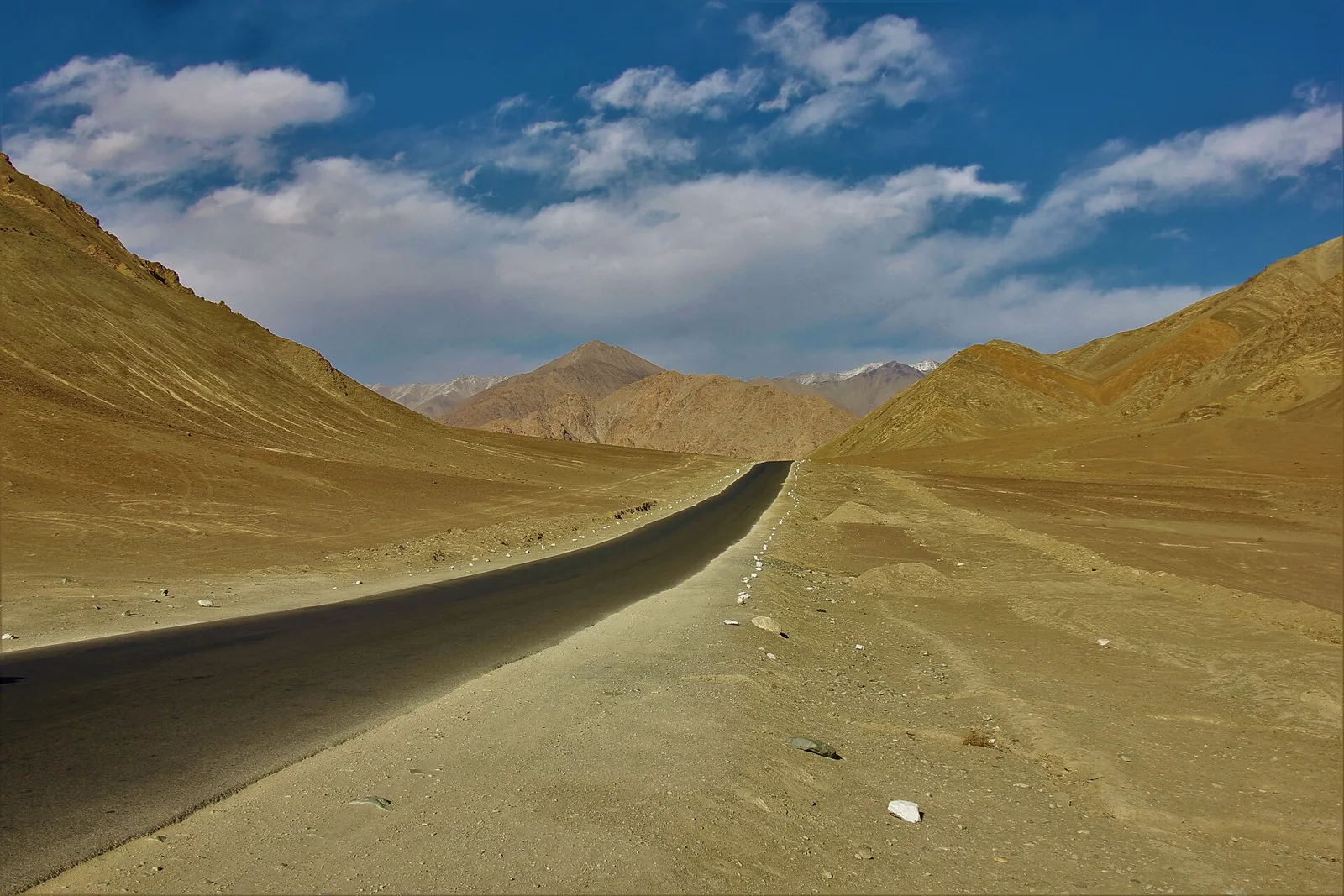
Sham is the name commonly used for the lower Indus valley west of Leh, in Ladakh. Its landscape combines a broad, fast-flowing river, dry mountains, narrow side valleys and villages sustained by small irrigated fields and orchards. The region lies along the historic route connecting Leh with Kargil and Kashmir, and its settlements reflect Ladakh’s long history of travel, trade and cultural exchange. Buddhist communities and monasteries are prominent, while the villages of Dha and Hanu are known for their Brokpa residents and distinct traditions. Sham’s character is shaped by stark high-altitude scenery and everyday village life; well-known stops such as Magnetic Hill sit alongside quieter settlements and river landscapes.
Sham is the name commonly used for the lower Indus valley west of Leh, rather than a separate administrative district. It offers a quieter way to experience Ladakh’s river corridor, dry mountain scenery and villages, while remaining connected by road to Leh. The region is best known for Magnetic Hill and for Dha-Hanu, where Brokpa communities maintain distinctive cultural traditions. Monasteries, irrigated fields and orchards sit along a historic route between Leh and Kargil. A visit suits travellers who want to combine familiar roadside stops with time in village landscapes and a better sense of how people live in this high-altitude region.
Sham’s history is closely tied to the Indus valley and the wider history of Ladakh. The area lay along routes linking Leh with western Ladakh, Kashmir and Central Asian trading networks, and its villages and monasteries reflect centuries of movement and cultural exchange. In the early medieval period, Ladakh was associated with the kingdom of Maryul; later, the Namgyal rulers established a Ladakhi kingdom centred on Leh. Buddhist institutions and local village communities shaped life across the valley, while Dha and Hanu developed distinctive Brokpa traditions. In the nineteenth century, Dogra forces under Gulab Singh conquered Ladakh, and the region became part of the princely state of Jammu and Kashmir. British influence in the region operated through that state rather than through a separate colonial administration in Sham. After 1947, the area remained within Jammu and Kashmir and was administered as part of Leh district. In 2019, Ladakh became a Union Territory. Sham remains a regional name, not a separate district, and its settlements are administered within the Leh district framework.
2 destination guides
Dha-Hanu (Aryan Valley)
Dha-Hanu is known for its Brokpa settlements, including Dah and its hamlets, and for Dah’s position beside the Indus in Ladakh.
Magnetic Hill, Leh
Magnetic Hill is a gravity-hill landmark in Ladakh’s Sham district, between Khalatse and Leh. Visitors come to see vehicles appear to climb the road while actually travelling downhill.
Food in Sham draws on the wider Ladakhi tradition, with dishes shaped by a cold, dry climate and locally available grains, vegetables and dairy. Thukpa and skyu are filling noodle dishes; steamed momos and soft tingmo bread are also common. Barley appears as paba or tsampa, while chhurpi is a traditional dried cheese. Butter tea, often called gur gur cha, is a warming regional drink. Apricots and apricot products are associated with parts of Ladakh, including western valleys. Menus outside Leh can be limited, and small eateries may cook only a few dishes each day, so ask what is fresh.
Craft traditions across Ladakh include wool weaving for warm clothing and household textiles, along with carpet-making, woodwork, metalwork and Buddhist thangka painting. These are regional traditions rather than crafts exclusive to Sham, and the range available varies from village to village. In the Dha-Hanu area, Brokpa communities are also recognised for distinctive traditional dress and ornamentation, which express local identity. Visitors may see crafts in markets or cultural settings, but should ask whether an item is locally made and seek permission before photographing people or their attire.
Festival dates vary between villages and monasteries. Losar, the Ladakhi New Year, is generally observed in winter, while monastery festivals in the wider Leh region commonly take place during warmer months. Dha-Hanu communities also hold local seasonal and cultural celebrations; details and timing can differ from village to village. These events can bring visitors and local guests to particular settlements, but they do not create the same district-wide demand as a major city festival. During popular Leh-region festival periods, arrange accommodation ahead, especially if combining Sham with a stay in Leh.
The lower Indus cuts through dry, rugged mountains, with side valleys opening towards small settlements and fields. Irrigation from the river and streams supports orchards and cultivated plots in otherwise arid terrain. The road follows the valley for much of the way, but reaches to villages such as Dha and Hanu branch into narrower mountain corridors. There is little tree cover beyond cultivated areas. Travellers should expect exposed roads, steep slopes and changing views rather than continuous greenery; landslides, rockfall or road works can affect access.
Sham has a cold, dry high-altitude climate. Summer, broadly from late spring into early autumn, is the most practical season for road travel and village visits, though conditions can change quickly. The monsoon brings less rain here than to much of India, but weather and road conditions may still be affected. Winter is very cold, and snow or ice can make travel to smaller settlements difficult. Late spring through early autumn is generally the best period to visit, subject to current road access. Pack layers, sun protection, a hat, sturdy footwear and warm clothing for evenings; carry rain protection and extra warm layers even in summer.
Kushok Bakula Rimpochee Airport in Leh is the nearest operating airport for most visits to Sham, with flights connecting Leh to Delhi and other cities. Srinagar (Nowgam) is a nearby railhead, but there is no railway into Ladakh; onward travel is by road. The Srinagar–Kargil–Leh highway runs through the region, while the Manali–Leh road reaches Leh from the south and is seasonal. From Leh, visitors can hire a taxi or use limited bus and shared-vehicle services; reaching smaller villages such as Dha and Hanu may require advance planning. Mountain conditions and checkposts can affect journeys. Check current services locally before travelling.
The Srinagar–Kargil–Leh highway is the main road corridor through Sham, with Leh serving as the transport hub. Taxis can be hired in Leh for Magnetic Hill and onward village visits. Public buses and shared vehicles operate on some routes, but services to smaller settlements such as Dha and Hanu may be limited or require planning. Local roads can be narrow, steep and exposed, so allow flexibility and check conditions before setting out. There are no boats or urban-style auto services to rely on for travel between the region’s sights.
2 days: Magnetic Hill, Leh; sleep in Leh on night 1. 3 days: Magnetic Hill, Leh → Dha-Hanu (Aryan Valley); sleep in Leh on night 1 and Dha-Hanu on night 2.
Leh is the most practical base for a short Sham visit, with a broad range of hotels, guesthouses and homestays, as well as some institutional or government accommodation subject to availability. For a slower village-focused visit, arrange a homestay in or near Dha-Hanu in advance; facilities are simpler and options are fewer than in Leh. The choice of base depends on road conditions and the time available. Confirm accommodation directly before travelling, particularly outside the main summer season.
Sham is at high altitude, so take time to acclimatise in Leh before longer drives or strenuous activity, and seek medical advice if symptoms worsen. Roads are exposed and can be affected by rockfall, weather, construction or checkposts; use a reliable local driver and avoid rushing. Carry drinking water and sun protection, and use treated or sealed water when unsure of its source. Mobile coverage can be intermittent away from Leh. Wildlife is not usually the main concern, but keep distance from animals. Access rules for particular areas can change; confirm any permit requirements with official authorities before travel.
- Nubraabout 60 km
- Lehabout 69 km
- Kargilabout 71 km
- Sankooabout 90 km
- Zanskarabout 98 km
- Drassabout 106 km
- Kishtwar · Jammu and Kashmirabout 123 km
- Anantnag · Jammu and Kashmirabout 162 km
Straight-line distance between the centres of each district's destinations; road distance is longer.
Q: How many days should I spend in Sham? A: Two days can cover Magnetic Hill and a road visit from Leh; allow three days or more to include an overnight in Dha-Hanu. Q: When is the best time to visit? A: Late spring through early autumn is generally most suitable, but check road access and weather before setting out. Q: Where is the best base for a Sham visit? A: Leh is the most convenient base; an advance-booked homestay near Dha-Hanu suits travellers who want more village time. Q: How do I get to Sham? A: Fly to Leh or reach it by road, then continue by taxi, bus or shared vehicle where available; smaller villages may need advance transport planning. Q: Is Sham suitable for families or elderly travellers? A: It can be, with gradual acclimatisation, flexible plans and comfortable road transport; high altitude and long, winding drives may not suit everyone.
This page draws on our 2 destination guides for Sham and is updated as our team checks it.
Be the first to share photos, stories, advice or a helpful contact for Sham.
Loading…