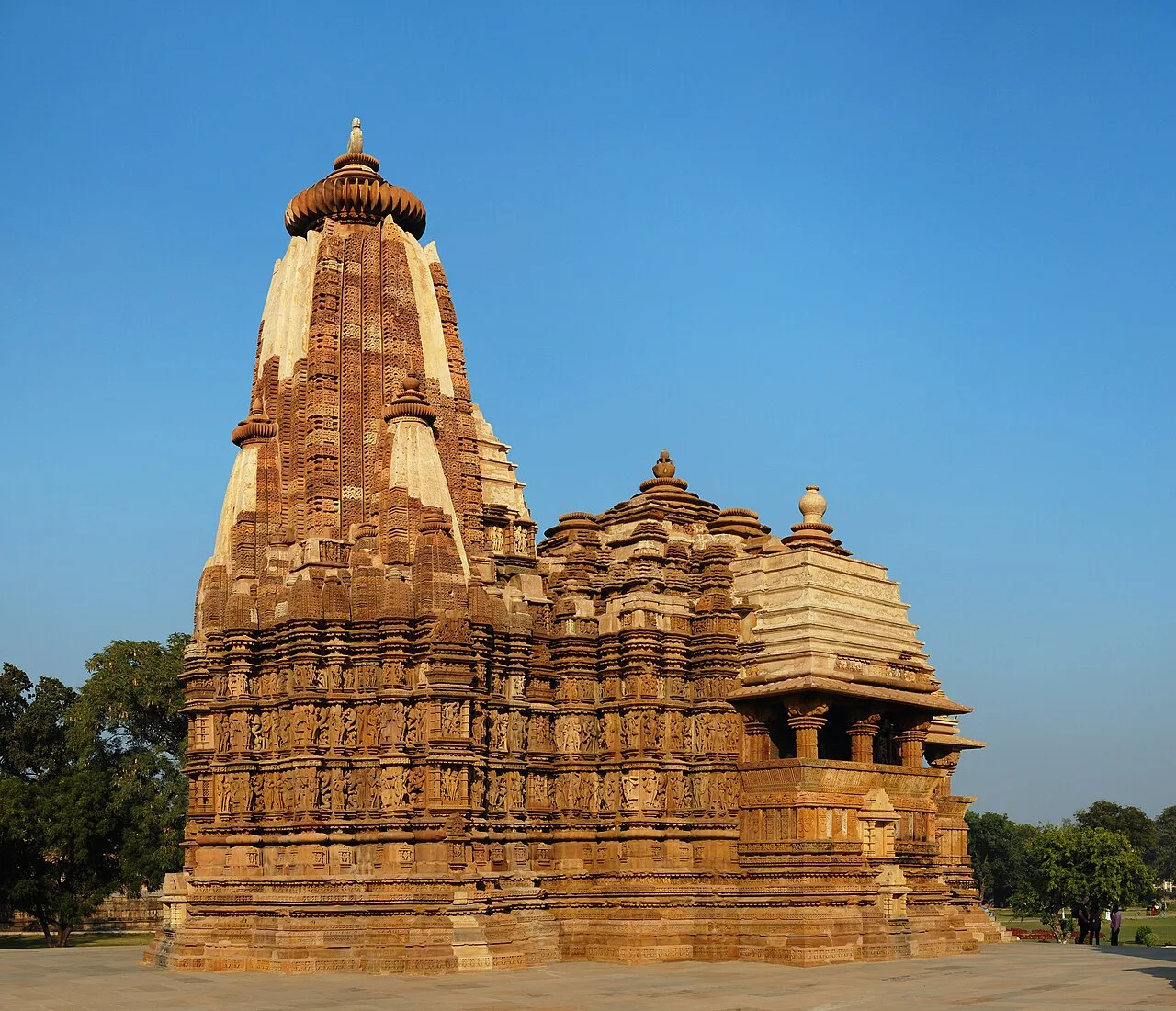
Performances are scheduled each evening at outdoor stages near select temples; programmes typically pair solo recitals with ensemble pieces and thematic evenings dedicated to a particular dance form. Choreography often draws on mythological temas — epics, bhakti poetry and classical ragas — presented with full costume, music and stage lighting. Complementary daytime activities include workshops, lecture‑demonstrations, craft stalls and guided visits to the temple complex.
The cultural days
These days emphasize the technique and repertoire of specific schools: Bharatanatyam evenings highlight nattuvangam and abhinaya; Kathak nights bring rhythmic footwork and taals; Odissi programmes focus on sculpture‑inspired poses. Organisers invite leading gurus and younger artists, creating intergenerational programmes. Dance scholars conduct talks and there are often collaborative fusion projects that pair Indian classical dancers with instrumentalists or percussion ensembles.
The pilgrimage days
Although not a pilgrimage in the strict religious sense, many visitors combine the festival with temple visits and silent contemplation of the sculpted friezes. Early mornings see devotees and tourists exploring the temple compound; some visitors treat the festival as a cultural pilgrimage to India’s architectural heritage.