
Ghumoopedia — Explore, Discover, Experience
Sign in

Religious · Tripura

Kharchi Puja

Chaturdasha Devata temple, Old Agartala

Dates

Last verified 17 November 2026. Confirmed: announced by organisers or government. Provisional: from a published almanac, not yet announced. Seasonal: no date announced.

The complete guide

Kharchi Puja: everything to know before you go

Overview

Kharchi Puja is one of Tripura's most important Hindu religious festivals, observed with particular éclat in Old Agartala (near the royal palace areas) and at the historic temple precincts of the state. Often held in July, Kharchi Puja is a unique syncretic celebration where tribal traditions and Bengali-Hindu practices meet. The festival venerates a cluster of family deities (called Choukidis or Kharchi deities) and involves ritual cleansing of the gods, community worship, animal offerings in some traditions, processions, music and a large public fair featuring stalls, food vendors and artisans.
Origins and legend

Several legends explain Kharchi's origin. Local histories link it to the consecration and protection of the royal and village deities of Tripura's historical kingdoms. One widely told story recounts that the gods, angered by impiety or by a calamity, needed ritual purification (a "kharcha" or "expense/cleansing") to restore balance; the community then undertook the ritual to cleanse the land and the deities. Over time the event became institutionalized as Kharchi Puja, attracting devotees from urban and rural communities and reinforcing the sacred geography of Old Agartala. The festival's persistence reflects Tripura's layered past — its indigenous polities, Rajput and Bengali influences, and the continuing role of temple-centered ritual life.

How it is celebrated

Kharchi Puja is marked by formal temple rites: priests perform purification rites, bathe the images (abhishekam) with water, milk and aromatic substances, and dress them in new cloth. Offerings of flowers, incense, fruits and sweets are common. In many versions a ceremonial sacrifice (historically animal, though in modern public practice this may be symbolic or omitted) is made as part of the ritual economy. The city hosts processions that take the deities through streets, accompanied by drumming, conch blowing and singing. A fair (mela) runs alongside the puja where vendors and artisans display wares; food stalls sell regional favourites and provide a carnival atmosphere that lasts several days.

Music, dance, art and dress

Devotees and priests wear traditional Bengali-style dhotis and kurtas or local Tripuri textiles depending on family traditions. Folk music accompanies the processions, blending regional instruments: drums, cymbals and conch shells. The fair is a showcase for local crafts — handloom textiles, bamboo crafts and small religious iconography — attracting collectors and tourists. Public cultural programs often present stage performances of devotional songs, recitations and local dance forms.

Food and flavours

Kharchi's mela features Tripura and Bengali food: rice-based dishes, fish curries, pitha (rice cakes), sweets made from jaggery and coconut, and savoury snacks sold by street vendors. Seasonal fruits and local tea vendors complement the offerings.

Where to experience it

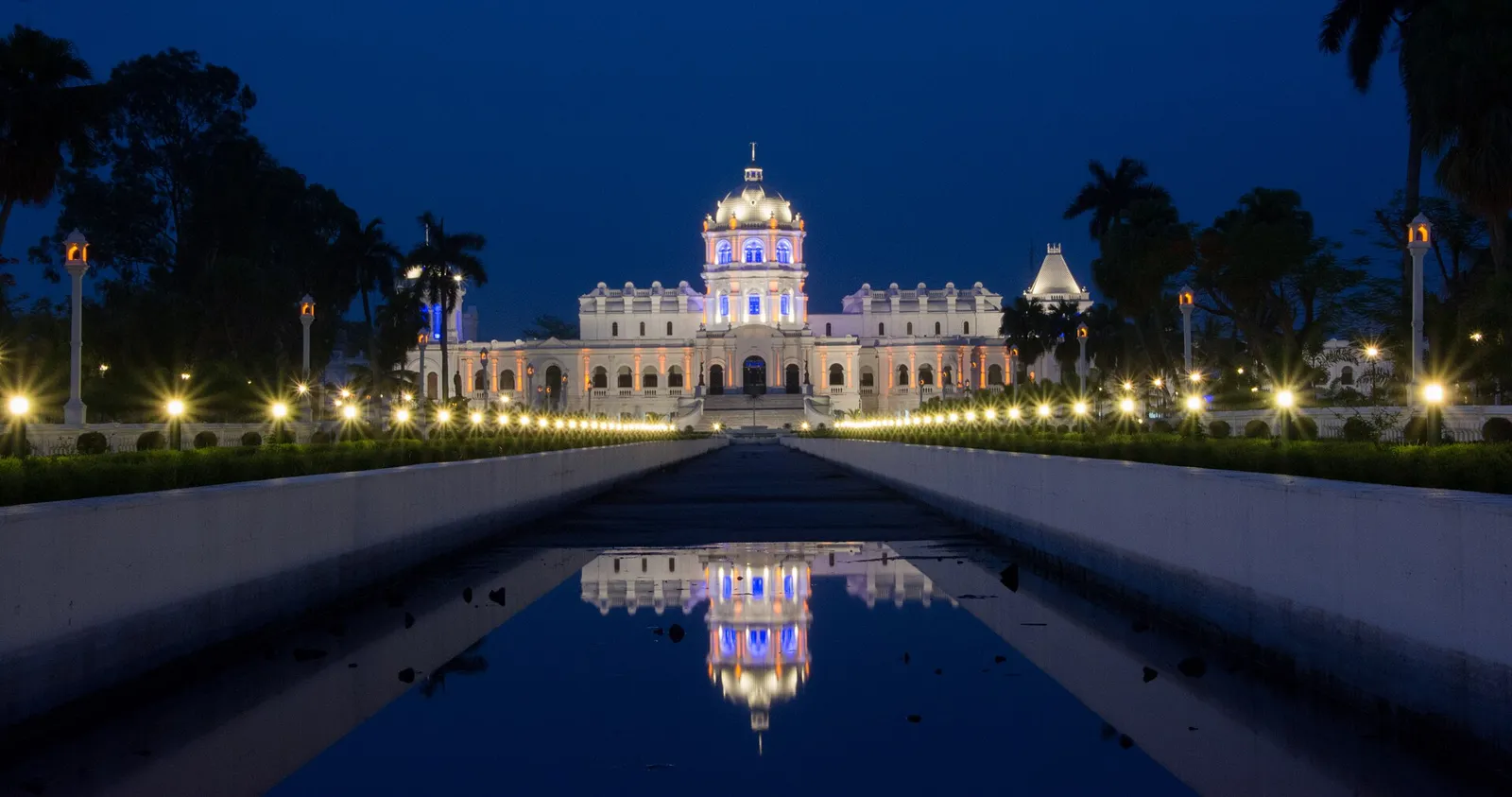
Old Agartala — especially the temple precincts and Rajbari area — is the focal point. The puja draws people from across West Tripura and surrounding districts. Timing and precise rituals vary; check with local temple authorities for the puja dates each year. Visitor guide — Getting there: Agartala is accessible by air, rail and road. Old Agartala is within city distance of most hotels. Where to stay: Stay in Agartala for a wide choice of hotels and guesthouses; staying near the city center eases attendance at processions. What to wear and pack: Wear modest, comfortable clothing, and be prepared for summer heat and humidity in July; an umbrella or light raincoat is helpful. Etiquette: Maintain respectful distance during temple rites; follow directives from temple officials. Photography may be restricted near certain rituals. Safety and comfort: Large crowds can form at the mela; keep valuables secure and stay hydrated.

Today and tomorrow

Kharchi Puja continues to evolve. While rooted in temple practice, it now functions as a civic celebration that reinforces Agartala's cultural identity. Local authorities use the mela as a platform for cultural preservation and to support artisans. Debates over ritual practices (such as animal sacrifice) reflect changing ethical sensibilities and legal frameworks; many communities now adopt symbolic offerings.

Nearby

Places to see around the festival