Ghumoopedia — Explore, Discover, Experience
Sign in

Cultural · Assam

Majuli Raas Leela

The satras of Majuli island

Dates

Last verified 17 November 2026. Confirmed: announced by organisers or government. Provisional: from a published almanac, not yet announced. Seasonal: no date announced.

The complete guide

Majuli Raas Leela: everything to know before you go

Also known as
Majuli Raas Yatra / Raas Leela of Majuli
Where
Majuli district (river island)
When
November (post-Dussehra period)
Duration
Several days of performances
Who takes part
Vaishnavite Sattriya tradition; Satras and devotees
Type
Religious dance-drama festival
Entry
Local performances; some organized venues may request donations
Best for
Sattriya dance, traditional theatre and satras' cultural heritage

Overview

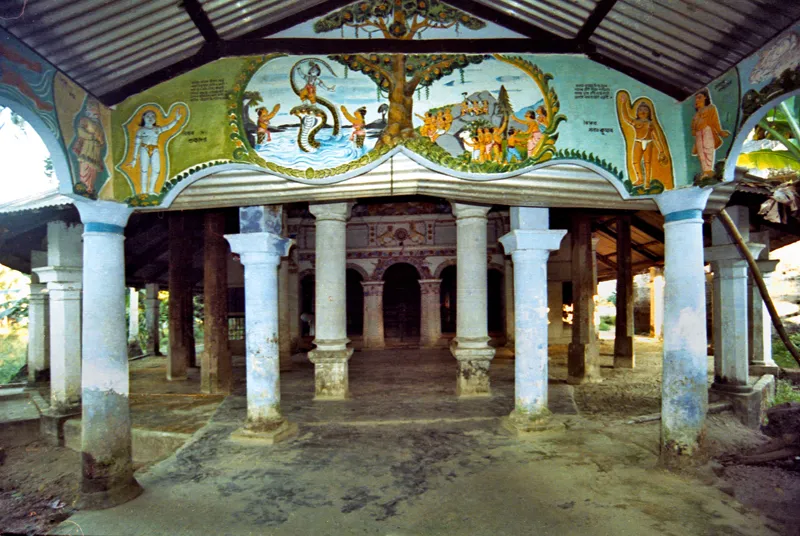
Majuli’s Raas Leela is a hallmark of Assamese Vaishnavite culture. Performed in satras (monastic cultural centres), the festival stages episodes from Krishna’s life through music, dance and elaborate masks or costumes. It is both devotional theatre and a living repository of Sattriya art forms.

Origins and legend

Rooted in 16th–17th century Vaishnavite reform movements initiated by Srimanta Sankardev, Raas Leela dramatizes Krishna’s lilas (playful acts) to teach devotion through accessible performance. Majuli’s satras preserved and refined these forms over generations as pedagogic and devotional acts.

How it is celebrated

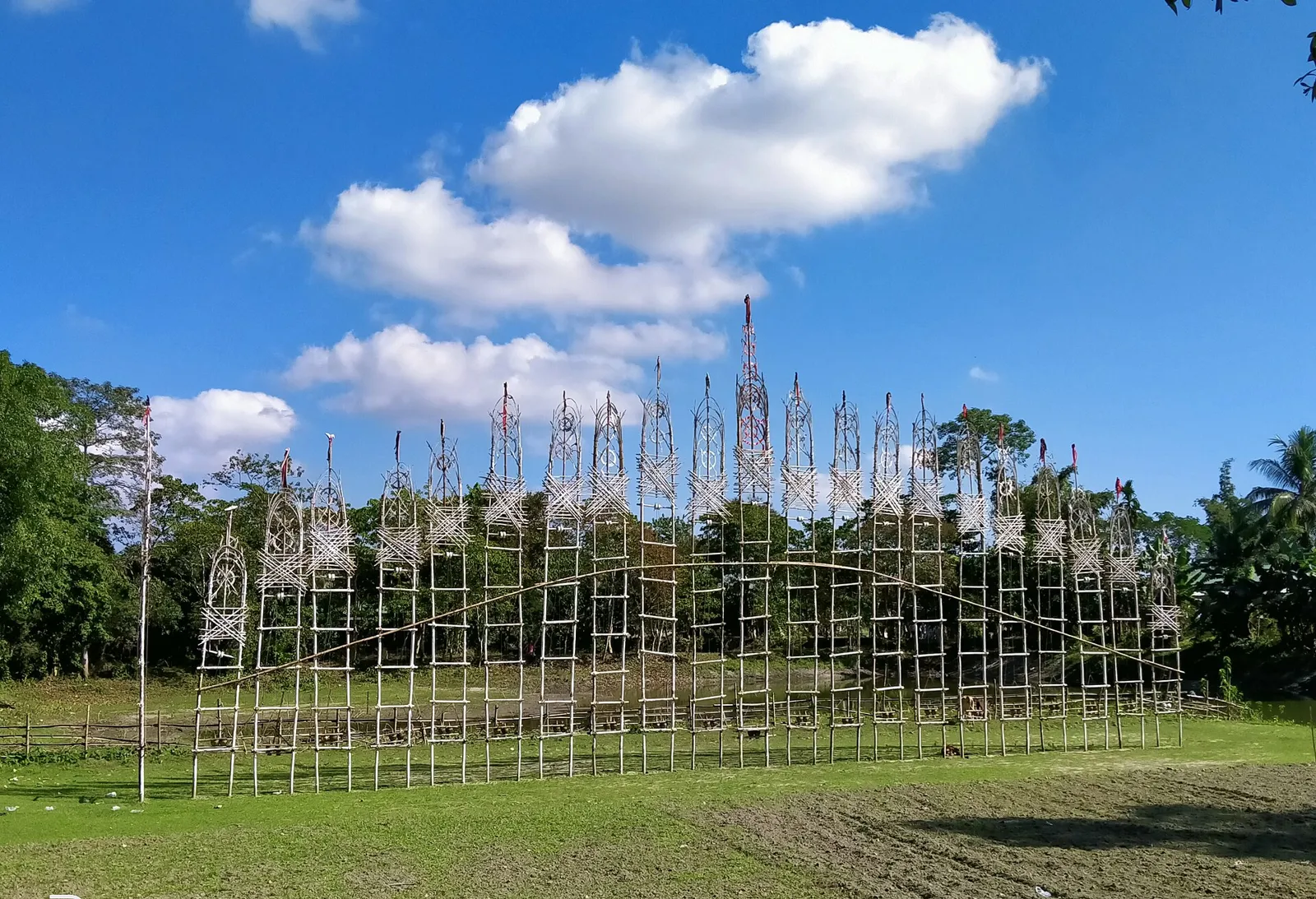
Satras organize multi-night performances with singers, musicians and dancers trained in Sattriya styles. The community attends both as devotion and cultural patronage. Costumes, bamboo stage sets and traditional instruments create an intimate, ritual theatre environment.

The cultural days

Days leading to the main performances include music rehearsals, offering rituals and display of satra crafts such as mask-making, weaving and manuscript art. Visitors gain insight into satra life and artistic training.

The pilgrimage days

Devotees visit nearby satras to receive blessings and participate in communal meals. The festival draws pilgrims and scholars interested in Assam’s Vaishnavite heritage.


Food and flavours

Local rice-based dishes, fish preparations and pithas are part of satra hospitality. Simple communal meals are served to visiting devotees.

Music, dance, art and dress

Sattriya dance — now a classical form — is central. Performers wear traditional satra attire and the music uses khol, cymbals and harmonium. Visual arts from satras, including weaving and painted masks, are showcased.

Where to experience it

Majuli’s principal satras such as Auniati and Dakhinpat host notable performances; reach Majuli by river from Jorhat and plan an overnight stay to attend multiple events.

Visitor guide

  • Getting there. Jorhat is the nearest railhead; ferries run to Majuli from Nemati Ghat. River schedules vary seasonally. Where to stay. Simple guesthouses and homestays on Majuli; Jorhat offers more hotel options. What to wear and pack Comfortable, modest clothing for satra visits; carry insect repellent and sun protection for island travel. Etiquette. Respect satra schedules, avoid disrupting rehearsals, and seek permission before photography. Safety and comfort. River travel is subject to weather; confirm ferry timings and allow buffer time for connections.

Today and tomorrow

Majuli’s Raas Leela remains central to regional identity and benefits from cultural preservation funding. Sustainable tourism initiatives aim to protect Majuli’s ecology while supporting satra livelihoods. • Is it free? Many satra performances are free or donation-based. • Is it only about? Primarily devotional theatre, also an anthropological treasure. • Best day to visit? Opening nights of the Raas performances. • See also: Sattriya dance festivals, Majuli crafts.

Nearby

Places to see around the festival