Ghumoopedia — Explore, Discover, Experience
Sign in

Cultural · Delhi

Republic Day Parade, Delhi

Kartavya Path, New Delhi

Dates

Last verified 17 November 2026. Confirmed: announced by organisers or government. Provisional: from a published almanac, not yet announced. Seasonal: no date announced.

The complete guide

Republic Day Parade, Delhi: everything to know before you go

Also known as
Republic Day Parade; Gantantra Diwas Parade
State and district
Delhi (Union Territory); New Delhi district, along Kartavya Path
When
26 January
Duration
About 90 minutes to two hours on the morning of 26 January, with related events before and after (Beating Retreat on 29 January)
Faith and community
National; people of all faiths and regions
Type
National and military celebration
Entry
Ticketed seating, issued through official channels; the roadside beyond the enclosures is restricted
Best for
Military contingents, state tableaux, a flypast, cultural performances, the sense of a national occasion

Overview

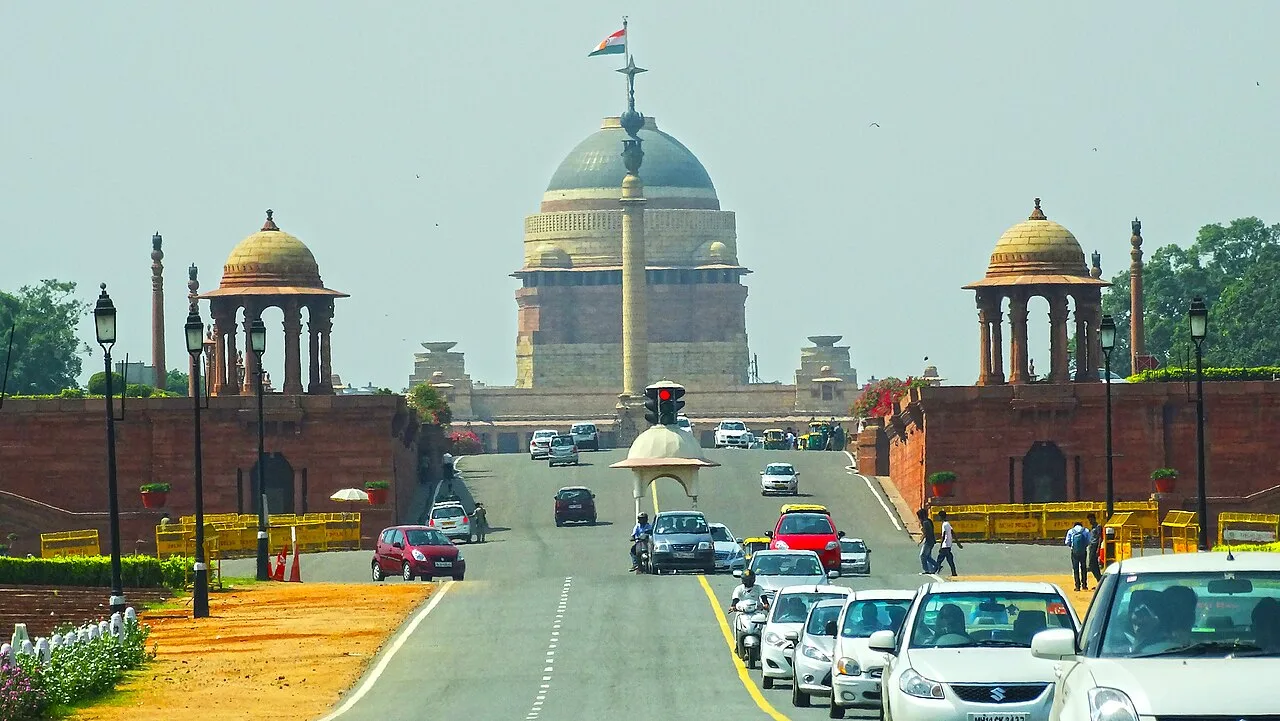
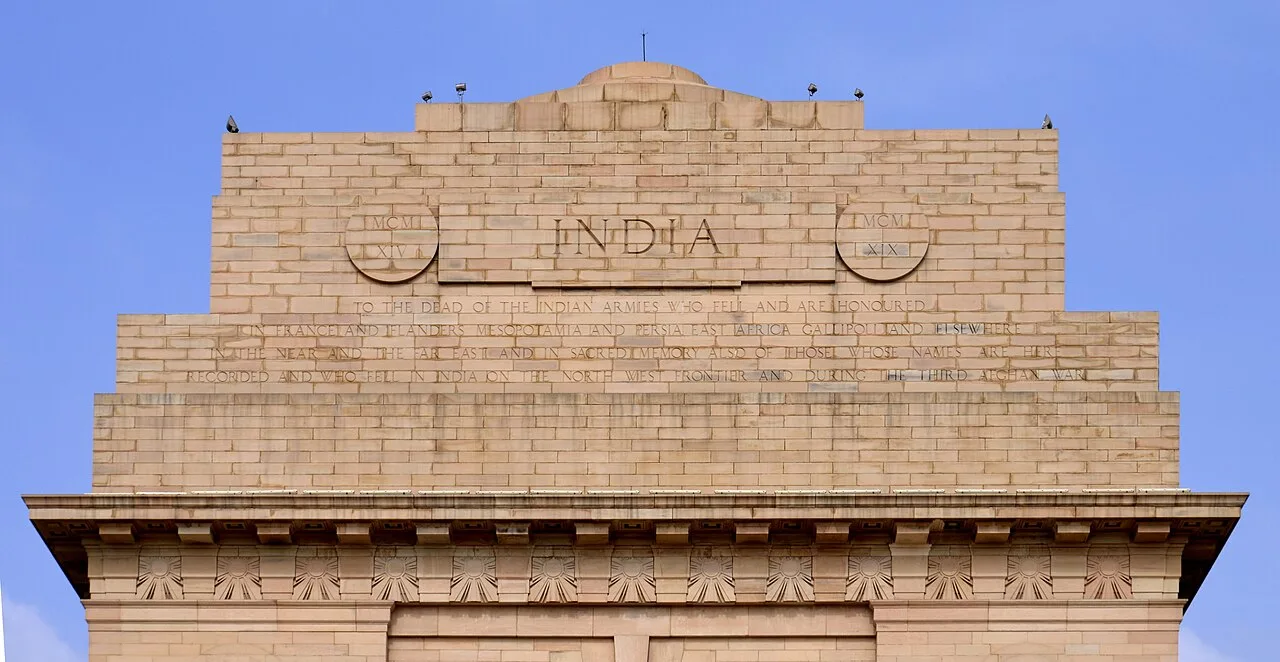
On the morning of 26 January, the broad ceremonial avenue of Kartavya Path in New Delhi becomes the stage for India's biggest parade. The Republic Day Parade marks the day in 1950 when the Constitution of India came into force and the country became a republic. The parade moves from the Rashtrapati Bhavan, the residence of the President, along Kartavya Path past India Gate, with marching contingents of the Army, Navy and Air Force, paramilitary forces, the National Cadet Corps and school children. Decorated tableaux from states and ministries roll past, showing the culture and achievements of different parts of the country, and motorcycle teams and military equipment draw cheers. The President takes the salute, and a foreign leader attends as chief guest each year. The parade ends with a flypast by aircraft of the Indian Air Force. Watched by crowds in cold January weather and by millions on television, it is a day of pride, ceremony and colour.
Origins and legend

The Republic Day Parade is a modern national ceremony, and its roots lie in the end of colonial rule. India became independent on 15 August 1947, but its Constitution, drafted by the Constituent Assembly under the chairmanship of Dr B. R. Ambedkar, was adopted on 26 November 1949 and came into force on 26 January 1950. The date was chosen because on 26 January 1930, the Indian National Congress had declared Purna Swaraj, complete independence, and it had been observed as Independence Day before 1947. When the Constitution took effect, India became a sovereign democratic republic, and Dr Rajendra Prasad took the oath as its first President.

The first Republic Day parade was held on 26 January 1950 at the Irwin Stadium, now known as the Major Dhyan Chand National Stadium, with the President of Indonesia, Sukarno, as chief guest. In the following years, the parade was held at different venues, and from 1955 it was held on Rajpath, the ceremonial avenue that was renamed Kartavya Path in 2022. Over the decades, the parade grew to include tableaux of the states, gallantry award winners, the bravery awards for children and cultural performances. Each edition carries a theme and honours the country's armed forces and its diversity. The details of the order and route change from year to year, but the idea of showing the republic to itself, and to the world, remains constant.

How it is celebrated

The day begins with the Prime Minister laying a wreath at the National War Memorial near India Gate, in memory of soldiers who gave their lives for the country. The President, escorted by the Presidential bodyguard, arrives at the saluting base on Kartavya Path with the chief guest, and the national flag is unfurled to the national anthem and a 21-gun salute. The parade follows, led by the Parade Commander, with marching contingents from the armed forces, bands, and the display of tanks, missile systems and other equipment. Gallantry award winners ride in open jeeps, and the Army's motorcycle teams perform daring stunts. Then come tableaux from states and ministries, and groups of schoolchildren perform folk dances. The parade ends with a flypast of fighter jets and helicopters, and the national flag and tricolour balloons are released into the sky.

The cultural days

The cultural side of Republic Day is a showcase of India's regions. The state tableaux, which are designed over many months, depict themes such as folk traditions, heritage sites, achievements in science and development, and local arts, with bands of performers walking beside them. Dance groups, often students, perform folk and classical dances on the move, in costumes from every part of the country. In the days around the parade, other programmes bring more culture to the public. A Bharat Parv event at the Red Fort grounds, organised by the central government in recent years, has featured food, crafts and performances from across India. School and college students take part in contests and cultural programmes, and the National Gallery of Modern Art and other museums hold exhibitions. On 29 January, the Beating Retreat ceremony at Vijay Chowk, with massed military bands and illuminated government buildings, closes the celebrations.

The ceremonial days

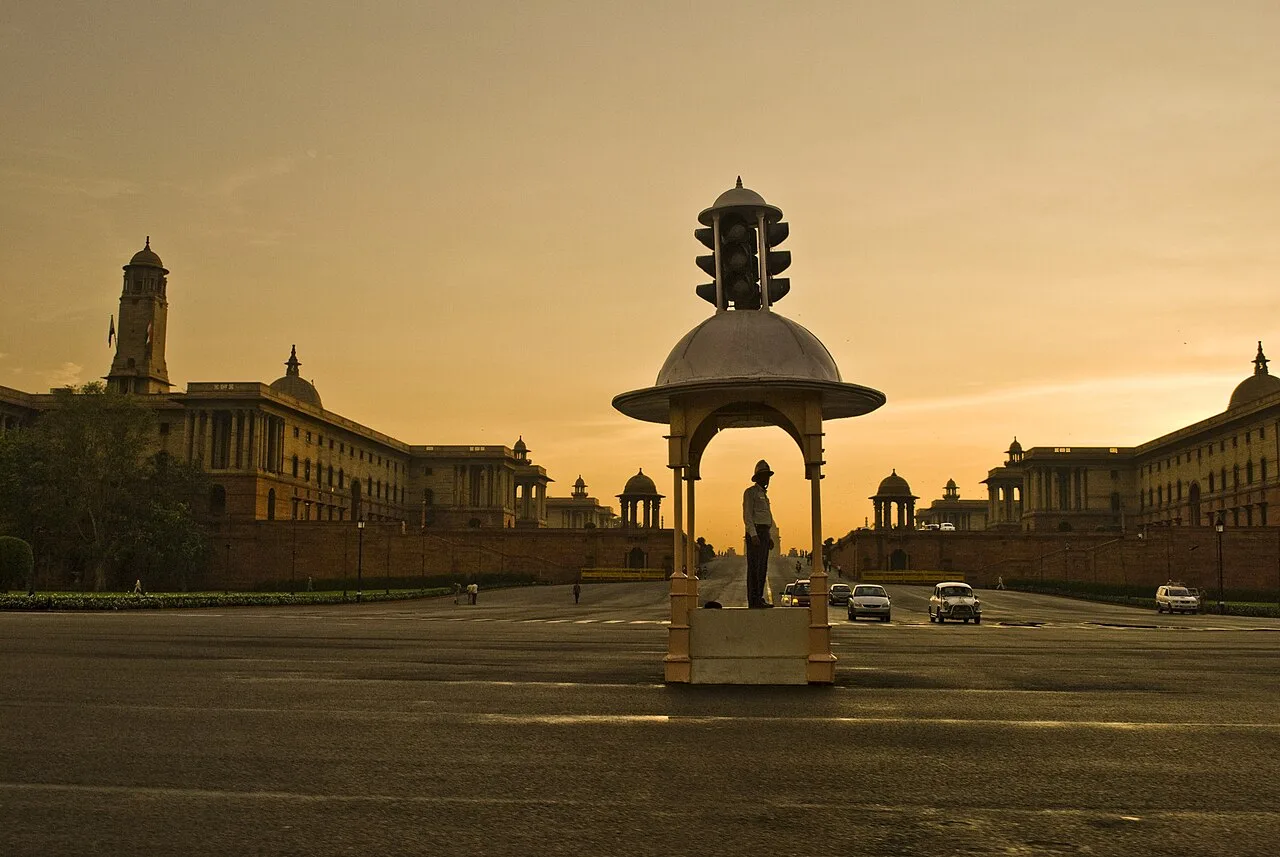
The Republic Day Parade is not a pilgrimage, so this section covers the ceremonial run-up and aftermath. In the days before 26 January, rehearsals take place on Kartavya Path and nearby roads, and traffic diversions are announced. Dress rehearsals, held a few days earlier, draw smaller but keen crowds. On the day itself, the ceremonies follow a fixed order of command: arrival of the President and chief guest, salute, march past, tableaux and flypast. The Beating Retreat ceremony on 29 January, with its massed bands and the lighting of the North and South Blocks and Rashtrapati Bhavan, is considered the formal end of the celebrations. Visitors who cannot get tickets can watch the rehearsals or the illuminated buildings in the evenings, though security restrictions are strict. For many residents, the sight of the buildings lit in saffron, white and green is the lasting memory.

Food and flavours

The parade itself is a ceremonial event, so the food experience is mainly the traditions around it. Because spectators arrive very early and sit for hours in cold weather, many carry flasks of tea and packed snacks, and vendors near the entry points sell hot tea, coffee, and snacks. Delhi's winter food is at its best in January: chole kulche, parathas with white butter and pickle, gajar halwa, jalebi, gajak and rewri, along with roasted peanuts, sweet potato chaat and hot soup. After the parade, many families head to the street food lanes of Old Delhi, such as Paranthe Wali Gali and the Chandni Chowk area, or to the food courts of Dilli Haat and India Gate's nearby stalls. Cafes and restaurants in Connaught Place offer festive menus. At home, many families cook special meals and fly tricolour decorations. The Bharat Parv, when held, includes food stalls from across India.

Music, dance, art and dress

The music of the parade is that of military bands, with brass, pipes and drums playing patriotic marches and songs, including the stirring tunes associated with the armed forces and the national anthem. Massed pipe bands, mounted bands and the beating of drums give the day its distinctive sound. Folk and classical dance groups perform on the march, accompanied by the dhol, nagara and other instruments, and tableaux often carry recorded music from their states.

The visual arts are central: each tableau is an elaborate work of design, using fibre, flowers, fabrics and lighting. Dress includes the uniforms of the armed forces, with their coloured turbans, plumes and medals, the ceremonial dress of the Presidential bodyguard, and the costumes of dancers and children from different states. Spectators often wear the tricolour, in scarves, caps and badges, and many dress warmly for the cold morning. The overall effect is a moving picture of India's diversity under a single flag.

Where to experience it

The parade takes place along Kartavya Path, running from Rashtrapati Bhavan past Vijay Chowk and India Gate. The seating enclosures are arranged along the avenue, and the main viewing areas have been designed for ticket holders. Nearby sites include the National War Memorial, India Gate, the Rashtrapati Bhavan, the Parliament House, the National Museum, and the Central Vista area with its lawns and fountains. The Red Fort, where Independence Day is celebrated, is a short distance away, and the Bharat Parv has been held at its grounds. For those without tickets, India Gate lawns and areas open to the public in the evening are a good way to see the illuminations. The National Gallery of Modern Art and the Purana Qila offer additional heritage visits. Check the latest announcements for the route and any changes.

Visitor guide

  • Getting there. Kartavya Path is in central New Delhi. The nearest Metro stations are Central Secretariat (Yellow and Violet lines) and Udyog Bhawan, and the Delhi Metro runs special schedules on Republic Day. Road access is heavily restricted on the day, so plan to use the Metro and walk.
  • Where to stay. Delhi has hotels in every price range, and those near Connaught Place and India Gate fill early in January. Booking ahead is advised.
  • What to wear and pack. Delhi in late January is cold, with morning fog. Wear thermals, a warm jacket, cap, gloves and comfortable shoes, and carry a ticket and a photo ID. Check the list of permitted items, as bags and electronics may be restricted.
  • Etiquette. Follow the instructions of security staff, stand for the national anthem, and do not obstruct others' view with flags or umbrellas. Be patient with queues and security checks.
  • Safety and comfort. Security is very tight, and entry closes early, so arrive well in advance. Carry water and snacks, and keep a copy of your ticket on your phone and in print. Expect crowds and cold, and plan how to get home afterwards.

Today and tomorrow

The Republic Day Parade continues to evolve each year, with new themes, new participants and changes to the route and format. In recent years, the parade has put a greater emphasis on women's contingents, on indigenous defence technology, and on cultural diversity, and has expanded the role of ordinary people in the celebration. The central challenges are security, the cost of large-scale ceremony and keeping the public engaged. Many citizens see it as a chance to renew a sense of shared purpose, and the parade continues to draw large television audiences and crowds.

Nearby

Places to see around the festival