Ghumoopedia — Explore, Discover, Experience
Sign in

Fair & Mela · Haryana

Surajkund International Crafts Mela

Surajkund, Faridabad

Dates

Last verified 17 November 2026. Confirmed: announced by organisers or government. Provisional: from a published almanac, not yet announced. Seasonal: no date announced.

The complete guide

Surajkund International Crafts Mela: everything to know before you go

Also known as
Surajkund Mela; Surajkund International Crafts Mela
State and district
Haryana; Faridabad district (Surajkund, on the Delhi border)
When
February, traditionally from 1 to 15 February
Duration
About 15 days
Faith and community
Secular and pan-Indian; crafts communities from across India and partner countries
Type
Crafts, handloom and culture fair
Entry
Ticketed, with a modest fee that varies by day and year
Best for
Handicrafts and handlooms, regional food, folk performances, shopping, a themed state and partner country each year

Overview

Every February, a fairground on the edge of the Aravalli hills near Delhi is filled with the work of craftspeople from across India and abroad. The Surajkund International Crafts Mela is one of the largest crafts fairs in the world. For about two weeks, hundreds of artisans set up in thatched huts and stalls, weaving, carving, painting and moulding in front of the visitors, while a series of stages hosts folk dancers, singers and musicians. Each year, one Indian state is the theme state, with a pavilion and special performances, and one or more partner countries bring their own artisans and performers. The fair is built around the idea that crafts are living traditions, not museum pieces, and that buyers and makers should meet directly. It is a popular family outing for people from Delhi and Haryana, and an easy way for travellers to see the range of Indian handicrafts in a single place, with shopping, music and food all in one setting.
Origins and legend

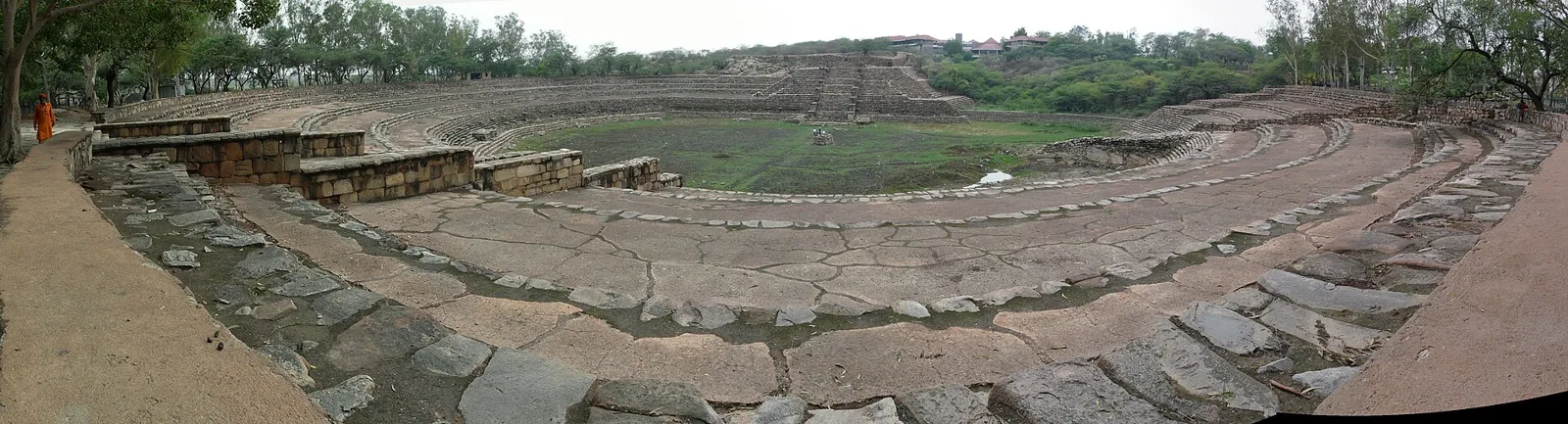
The fair takes its name from Surajkund, the "pool of the sun", an ancient reservoir nearby. According to tradition, it was built in the tenth century by a Tomar Rajput ruler, Raja Surajpal, and was associated with a sun temple whose remains are said to lie nearby. The reservoir is shaped like a semicircular amphitheatre, with stone steps rising on the sides, and it remains a notable monument of the region. The name was given to the fair because it was first held in the open ground close by.

The mela itself is a modern creation. It was started in 1987 by Haryana Tourism, working with the Union Ministries of Tourism, Textiles, Culture and External Affairs, to promote traditional handicrafts and handlooms and to give artisans a market and recognition. In its early years it was a small fair, but it grew quickly, and in 1990s it began to invite artisans from other countries, which led to the addition of "International" to its name. Over time, the practice of choosing a theme state and partner nations gave each edition its own character. The mela has also been an important platform for artisans from small villages who might never otherwise reach a metropolitan market, and many master craftspeople have been honoured at the fair. Details such as dates and layout change each year, but the idea of a fair that celebrates craft remains.

How it is celebrated

The fair opens with an inauguration ceremony, usually attended by government leaders and the representatives of the theme state and partner country, with a parade of folk performers. Each day, the gates open in the late morning and visitors walk through lanes of stalls organised by region and craft. In the open areas, artisans work on potter's wheels, handlooms and carving benches, and visitors can watch and ask questions. In the afternoon, stage performances begin, and food courts do a brisk business. In the evening, lights come on and crowds gather for the main cultural programmes. The festival also includes workshops, competitions and awards for craftspeople, and some editions have featured special events such as a kite festival or children's art competitions. On the final day, there is a closing ceremony, and many visitors come for last-minute bargains.

The cultural days

The cultural programme at Surajkund is a travelling tour of Indian and international performance. Each day, folk artists from the theme state and other regions perform on several stages, from Rajasthan's Kalbelia dancers and Punjab's bhangra to Assam's Bihu, Manipur's Pung Cholom and Kerala's Kathakali excerpts. Haryanvi artists perform local folk dances and songs, and the partner countries bring their own music and dance, from African drummers to Central Asian dancers. Puppeteers, magicians, acrobats and storytellers entertain families, and there are fashion shows featuring handloom textiles. In the evening, musicians and singers take the main stage, and a stroll through the grounds offers a mix of sounds. The cultural days are designed to complement the crafts, showing the traditions behind the objects on sale.

The craft days

Surajkund is not a pilgrimage festival, so this section covers the heart of the fair: the crafts and the people who make them. The stalls are grouped by state, and in a single day, a visitor can move from Kashmiri carpets and papier-mâché to Rajasthani blue pottery and block prints, Uttar Pradesh brassware and chikankari embroidery, Gujarat's mirror work, Odisha's pattachitra paintings, Andhra's Kalamkari textiles and Assam's silk. Haryana's own crafts are also on show, including khes weaving, terracotta, brass items and wooden furniture. Craftspeople demonstrate their methods, and many offer custom orders. Awards recognise outstanding artisans. Visitors should bargain politely, ask about materials and certification such as the Geographical Indication tag, and buy directly from makers when possible, as this supports their livelihoods.

Food and flavours

The food court at Surajkund is a tour of India's regional cuisines, with each theme state serving its specialities. Haryanvi dishes are a highlight, with bajra khichdi (pearl millet with lentils) served with ghee, kadhi pakora (fritters in a yoghurt gravy), churma (crushed wheat flatbread with ghee and jaggery), bathua raita (a yoghurt dish made with wild spinach), and white butter with makki or bajra rotis. A tall glass of lassi is the usual accompaniment. Other stalls offer litti chokha from Bihar, momos and thukpa from the north-east, dosas and filter coffee from the south, kebabs and biryani, and Rajasthani dal baati churma. Sweets include jalebi, gajar halwa, ghewar and rasgulla. Partner countries sometimes set up stalls of their own. Prices are higher than in the city, so it is wise to compare, drink bottled water, and choose busy stalls for freshness.

Music, dance, art and dress

The music of Surajkund draws from every part of India and beyond. On the stages you can hear the dhol and nagara of the north, the shehnai, the sarangi and the ektara of folk singers, the tabla and harmonium of classical and semi-classical performers, and the stringed instruments of the Himalaya and the desert. Haryanvi performers present ragini songs, saang (a folk theatre) and ghoomar-style dances, in which women in swirling skirts move in circles.

The visual arts are everywhere. Stalls glow with the colours of Rajasthani textiles, Gujarati embroidery and Bengali terracotta, and artists paint, sculpt and weave in front of visitors. Dress is as varied as the performers: Haryanvi men in white kurta, dhoti or pagri, women in damman (a long gathered skirt), kurti and odhni, and visitors in every style of regional costume. Many visitors dress in traditional clothes for photographs, and clothing stalls offer ready-to-wear versions.

Where to experience it

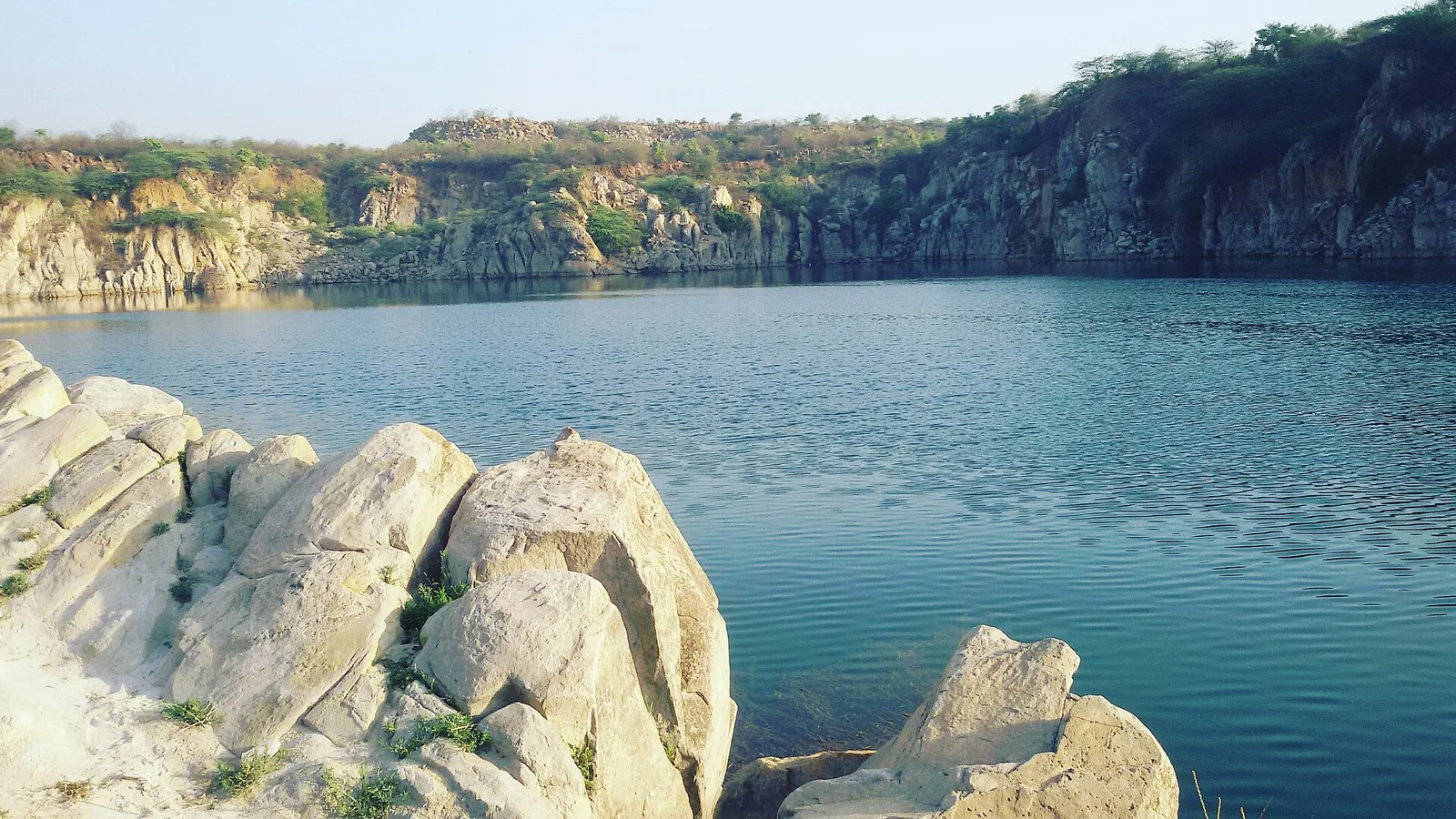
The fair is held in the Surajkund Mela grounds, in Faridabad district, about 8 km from the Delhi border and about 25 km from central Delhi. The Surajkund tank, an old stepped reservoir, is a short walk from the fairground and is worth a visit for its architecture. Nearby, Badkhal Lake, Damdama Lake and the Aravalli forests offer walks and views, and the Raja Nahar Singh Palace in Ballabhgarh is a heritage site in Faridabad. For more craft shopping, Dilli Haat in Delhi is an all-year market with a similar spirit, and the National Crafts Museum in Delhi presents the history of Indian crafts. A day at the fair can be combined with a visit to the Qutub Minar or Hauz Khas, which are a half-hour drive away.

Visitor guide

  • Getting there. Surajkund is about 25 km from central Delhi by road, and shuttle buses and taxis run from nearby Metro stations such as Badarpur Border on the Delhi Metro's Violet Line. Delhi's Indira Gandhi International Airport is about 35 km away.
  • Where to stay. Most visitors stay in Delhi, Gurugram or Faridabad and travel in for the day. Hotels near Surajkund and Faridabad are also available, and early booking is useful for weekends.
  • What to wear and pack. February days are mild and nights cool. Wear comfortable shoes for a lot of walking, bring a light jacket, a cap, sunglasses and a cloth bag for purchases. Carry cash, as some stalls may not take cards.
  • Etiquette. Bargain with courtesy, ask before photographing artisans and performers, and do not touch fragile items without permission. Avoid littering.
  • Safety and comfort. Weekends and the last days are very crowded, so go early on weekdays if you can. Keep valuables secure, and watch children in busy lanes. Buy tickets from official counters or authorised online platforms.

Today and tomorrow

Surajkund remains a major showcase for Indian crafts, and each year it draws visitors from across the country and overseas. The fair has adapted to changing times with online ticketing, digital payments and a presence on social media, and it has opened a window for artisans to sell beyond the fair. The challenges include competition from machine-made goods, rising costs for small craftspeople, and the need to keep the fair genuinely handmade and fair to the makers. Observers also point to the importance of making sure that artisans, and not only traders, get the benefit of the sales.

Nearby

Places to see around the festival