
Ghumoopedia — Explore, Discover, Experience
Sign in
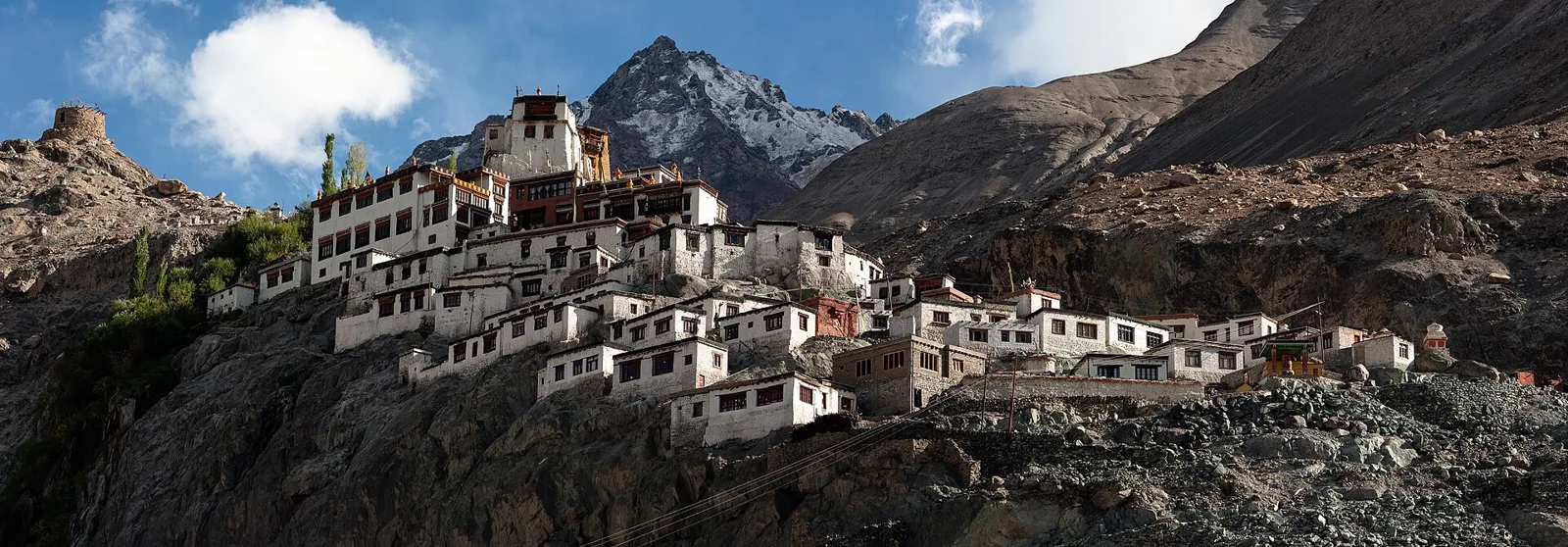
Diskit Monastery, near Diskit

City guide · Ladakh

Diskit

Diskit is the principal town of Nubra Valley in Ladakh and serves as the headquarters of Nubra district and Diskit tehsil. Set amid a stark landscape of mountains, river valleys and high-altitude desert, it is an administrative centre as well as a practical base for exploring the region.

Famous for

  • Diskit Monastery
  • Nubra Valley gateway
  • Maitreya Buddha statue
  • Nubra Gustor festival
In the city
2
Nearby
2
District
Nubra

Why Diskit matters

Diskit is the principal town of Nubra Valley in Ladakh and serves as the headquarters of Nubra district and Diskit tehsil. Set amid a stark landscape of mountains, river valleys and high-altitude desert, it is an administrative centre as well as a practical base for exploring the region. Its best-known landmark is Diskit Monastery, perched above the settlement, with a prominent Maitreya Buddha statue overlooking the valley.

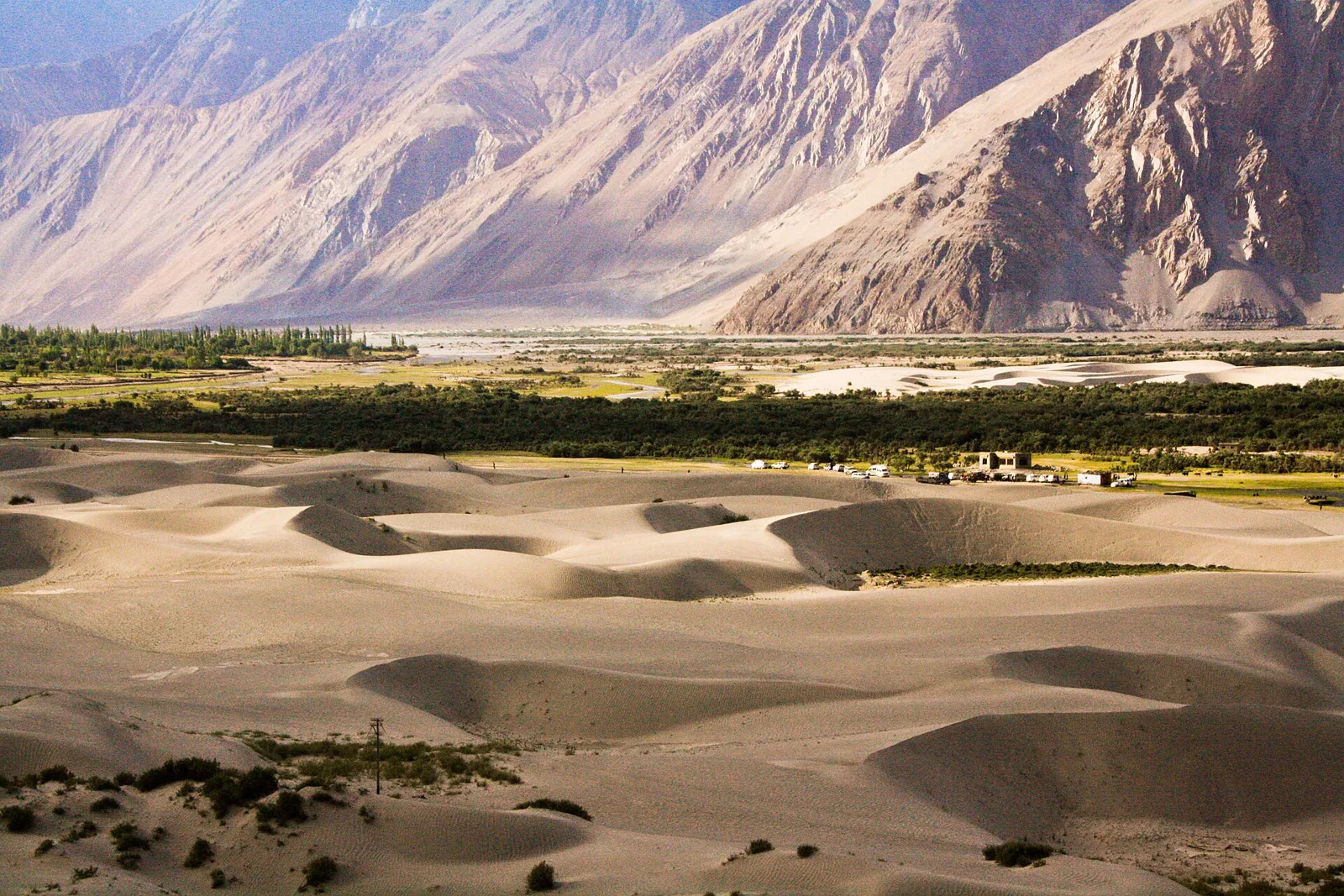
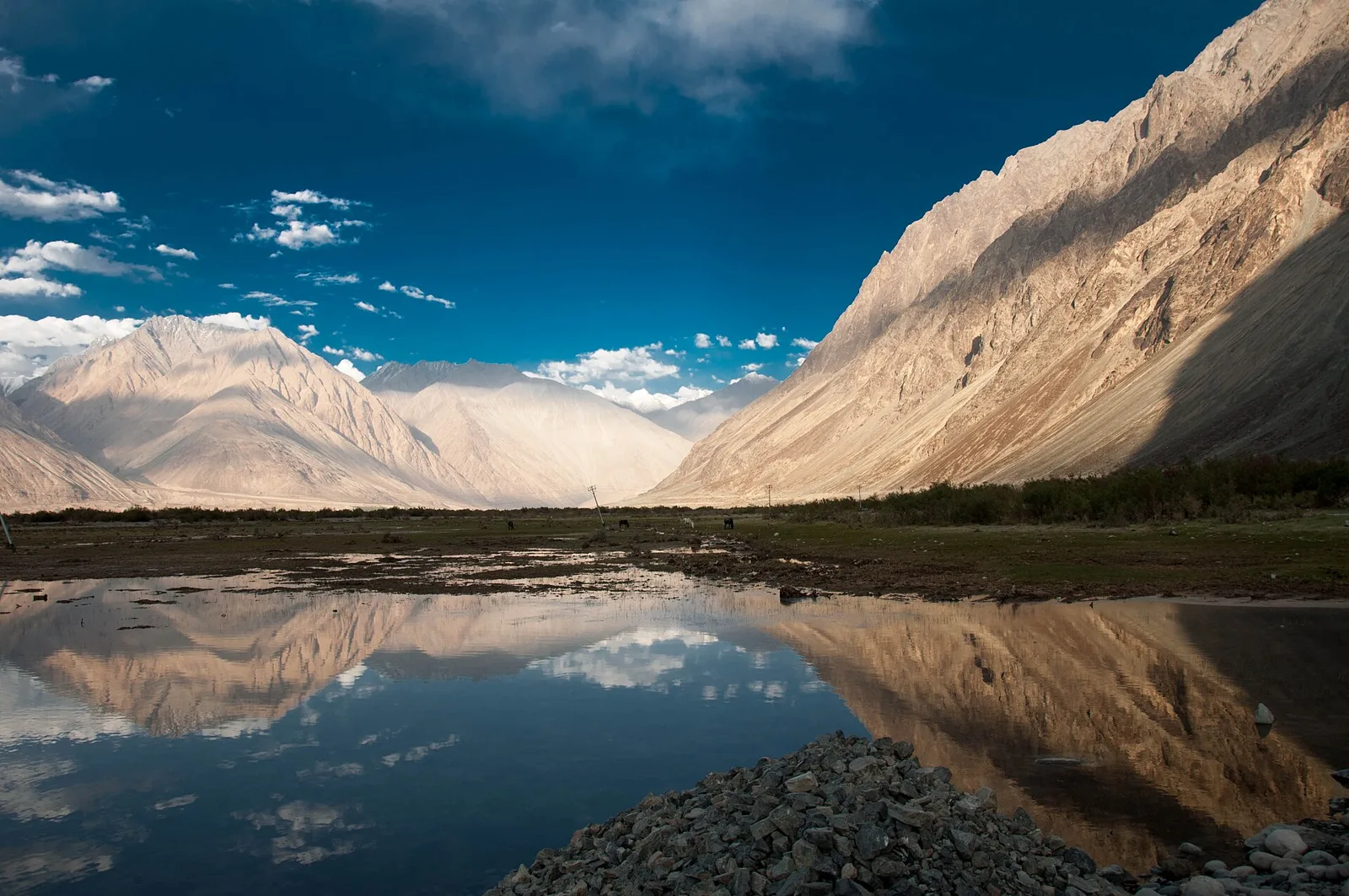
Visitors come for the monastery and for the broader Nubra experience: the Shyok and Nubra river landscapes, villages, orchards and the sand dunes near Hunder, where Bactrian camels are a familiar sight. Diskit’s small market and accommodation make it a useful stop on journeys between Leh and the valley’s other settlements. The town is also a place to encounter the region’s blend of Tibetan Buddhist traditions and Muslim communities. Travel here is as much about the dramatic, high-altitude setting and village life as about individual sights; road conditions and acclimatisation are important parts of planning a visit.
Famous for: crafts, trade & products

Diskit is not a major textile, handicraft or industrial centre, and it has no widely recognised local GI-tagged product. Its best-known institution is Diskit Monastery, an important religious centre for Nubra. The town’s modest market mainly serves residents and travellers, with everyday provisions, basic travel supplies and some souvenirs rather than the specialised shopping found in larger cities.

Nubra’s rural economy includes farming and orchards, and seasonal local produce such as apricots may be encountered in the valley. Small shops may offer dried fruit, preserves, woollen items or Buddhist devotional objects, but availability varies and these should not be mistaken for a distinct Diskit-made craft tradition. For a closer look at local life, browse the market and ask about produce from nearby villages; buying directly from local sellers is a better way to support the area than expecting a formal craft bazaar. Regional products and traditions are best understood as part of Nubra’s village economy, not as a large-scale manufacturing or export trade centred on Diskit.

History

Diskit’s history is closely linked to Nubra’s position on routes connecting Ladakh with Central Asia. Caravans once travelled through the wider valley towards the Karakoram passes and markets beyond, while the settlement’s monastery developed into an important centre of Buddhist religious life. Diskit Monastery is traditionally dated to the 14th century and associated with Changzem Tserab Zangpo, a follower of Tsongkhapa.

Ladakh came under Dogra rule during the 19th century and was later administered as part of Jammu and Kashmir; the region was not governed as a British colonial town in the way many Indian cities were. In modern times, road connections, public administration and tourism have reshaped Diskit’s role. It functions as Nubra’s district and tehsil headquarters and as a service centre for surrounding settlements. Its location also gives it strategic importance within a remote border region. The growth of visitor facilities has brought new activity, while the monastery and older village landscape remain central to the town’s identity.

Food, festivals & culture

Diskit reflects Nubra’s mix of Buddhist and Muslim communities. Ladakhi and Urdu are used locally, alongside Hindi and other languages heard across the valley. Everyday food draws on Ladakhi and wider Himalayan traditions: visitors may find thukpa, momos, skyu, barley-based dishes and butter tea. Apricots and other orchard produce are part of the local food culture in season; availability varies, and Diskit is not known for a signature sweet or restaurant dish.

The most prominent religious landmark is Diskit Monastery, where the annual Diskit Gustor festival is usually held in autumn, with dates varying according to the Tibetan calendar. Monks perform cham, or masked ritual dances, accompanied by traditional instruments. Losar, the Tibetan New Year, is also observed in the region, generally during winter, with customs varying between families and communities. Buddhist prayer, monastery ceremonies, Muslim places of worship and local gatherings all contribute to the town’s cultural life. Visitors should dress respectfully at religious sites and follow local guidance during ceremonies.

Visiting the city

The most comfortable season for a visit is generally June to September, when road access is more reliable and the valley’s villages and orchards are active. Diskit is reached by road from Leh, with the journey crossing high mountain terrain; allow time to acclimatise and check current road and travel-permit requirements before setting out. The nearest airport is Kushok Bakula Rimpochee Airport in Leh. Jammu Tawi is a commonly used major railway station, but it is far from Nubra and onward travel is by road.

Local taxis and private vehicles are useful for reaching sights spread across the valley. In Diskit, explore the monastery and town market; nearby areas of interest include Hunder’s dunes and the villages around Sumur and Panamik. Weather, altitude and road conditions can change quickly, so plan flexibly.

Attractions

Places to visit in Diskit

Sights within about 12 km of each other, even when they fall in different districts.

Short trips

Around Diskit

Within about 40 km — easy half-day or day trips from the city.

Map

Diskit on the map

  1. 1Diskit Monastery
  2. 2Hunder Sand Dunes
  3. 3Nubra Valley
  4. 4Panamik Hot Springs

Ladakh

Other cities to explore