Ghumoopedia — Explore, Discover, Experience
Sign in
Leh, near Leh

City guide · Ladakh

Leh

Leh is Ladakh’s largest city and one of its two capitals. Visitors come for its historic palace and its ties to the former Kingdom of Ladakh.

Famous for

  • Leh Palace
  • Ladakh Pashmina
  • Hemis festival
  • Thangka painting
  • Apricot products
In the city
14
Nearby
9
Districts
Leh, Sham
Plan a tripHotels near Leh

Why Leh matters

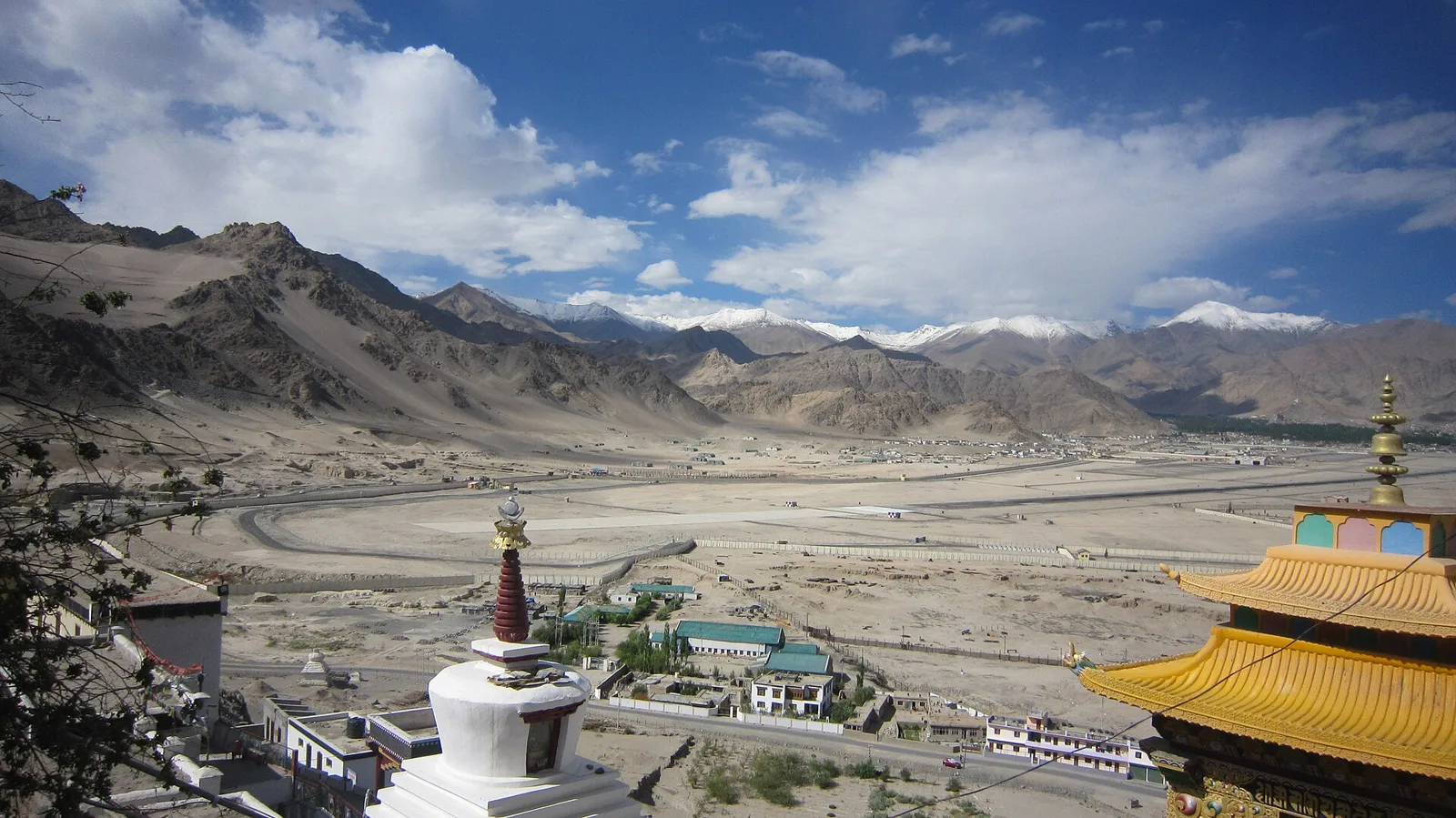
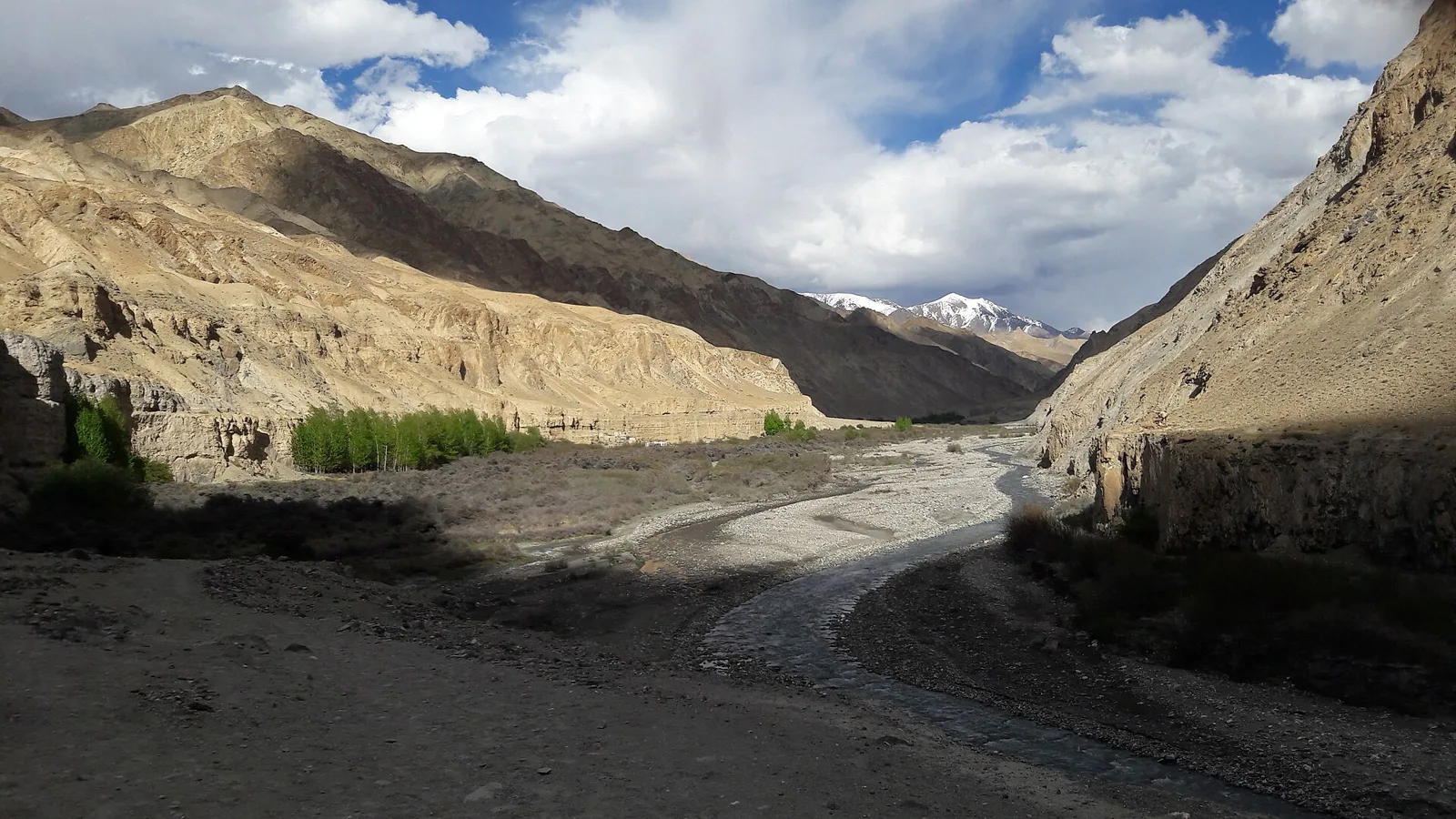
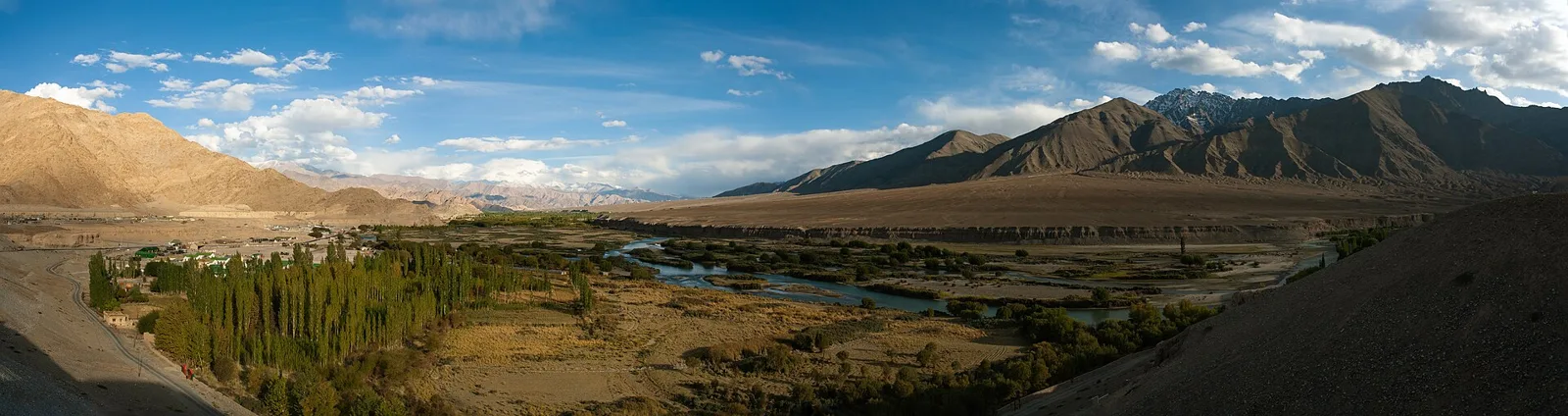
Leh is Ladakh’s principal urban and administrative centre, serving as a hub for the Leh district and the Ladakh Autonomous Hill Development Council. Set high in the Himalaya beside the Indus Valley, it is a gateway for journeys to monasteries, mountain passes and remote settlements across the region. Its elevation makes time to acclimatise an important part of many visits.

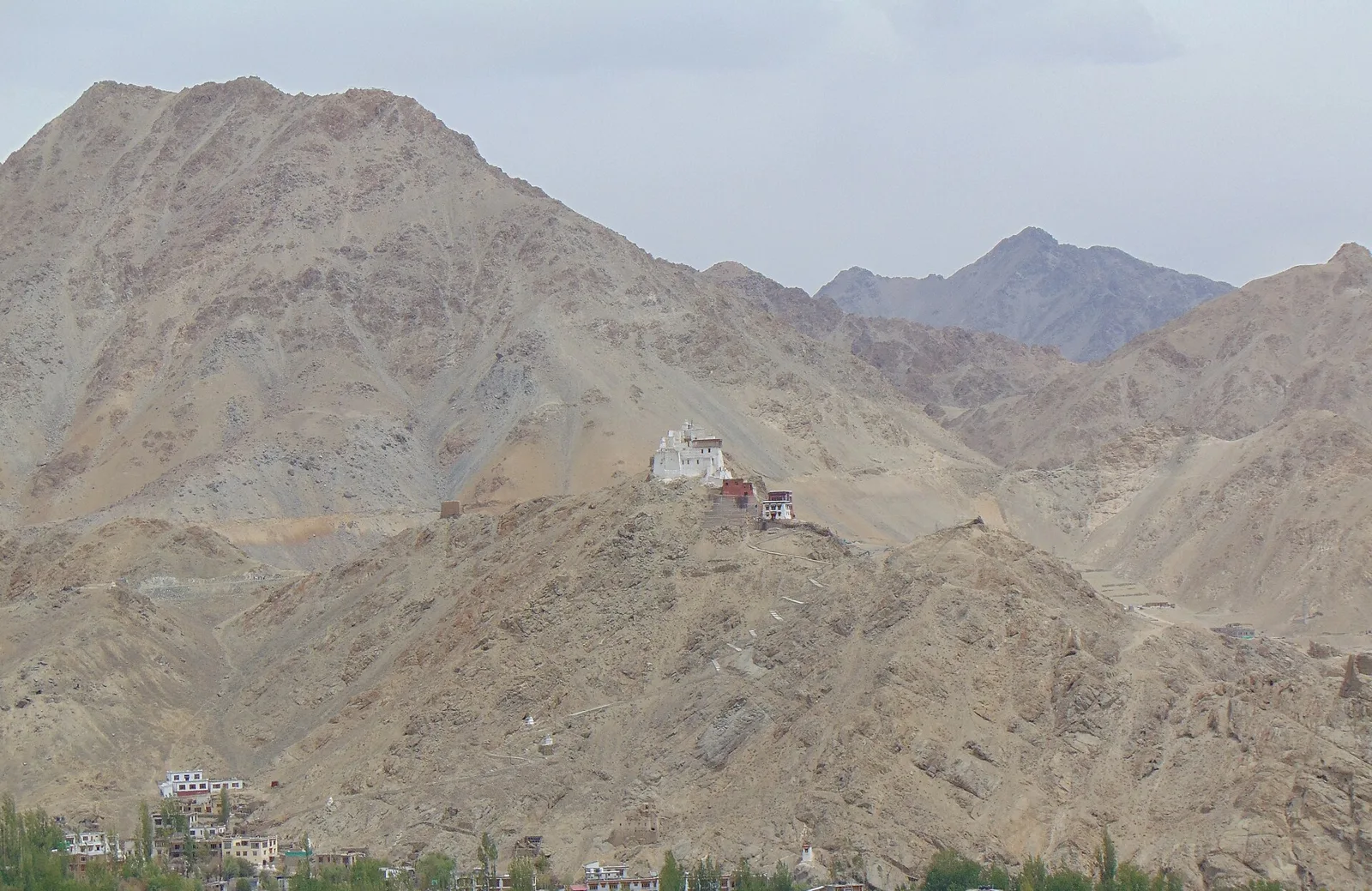
The old town’s lanes, the former royal Leh Palace and the hilltop Namgyal Tsemo monastery give the city a distinctive historic profile. Travellers also come for its Buddhist and Muslim heritage, high-altitude landscapes, local food and seasonal festivals. Leh has long connected routes between Kashmir, Tibet and the wider Indus region; today, its markets, guesthouses and travel services make it a base for exploring Ladakh. The city’s appeal lies in this meeting of trade history, living traditions and dramatic mountain surroundings, rather than in any single monument or activity.
Famous for: crafts, trade & products

Leh’s shops bring together products from across Ladakh and the wider Himalayan region. Pashmina, traditionally sourced from high-altitude Changthang, is among the best-known goods; Ladakh Pashmina has a geographical indication. Look for shawls and other woollen textiles in the Main Bazaar and established craft shops, and ask about fibre, provenance and workmanship. Apricots and products such as dried fruit, preserves and oils are also sold seasonally. Seabuckthorn foods and drinks, often presented as regional specialities, appear in shops and cafés.

Local crafts include thangka paintings, carved woodwork, metal objects, prayer items and handmade clothing. The Leh Market and nearby lanes are the most convenient places to browse, while cultural centres and craft outlets can offer more context on makers and techniques. These are generally small-scale crafts and regional products, not evidence of a large manufacturing industry in the city. Leh is also an important centre for tourism, administration and trade serving surrounding communities. Compare materials and ask whether an item was made locally, especially when buying textiles or artworks; a regional style does not always mean the piece was produced in Leh.

History

Leh’s importance grew from its position on routes linking Kashmir, Tibet, the Indus Valley and Central Asia. Salt, grain, wool, silk and other goods passed through the town, which became a significant trading stop and the seat of Ladakhi rulers. The older royal centre at Shey lies east of the present city.

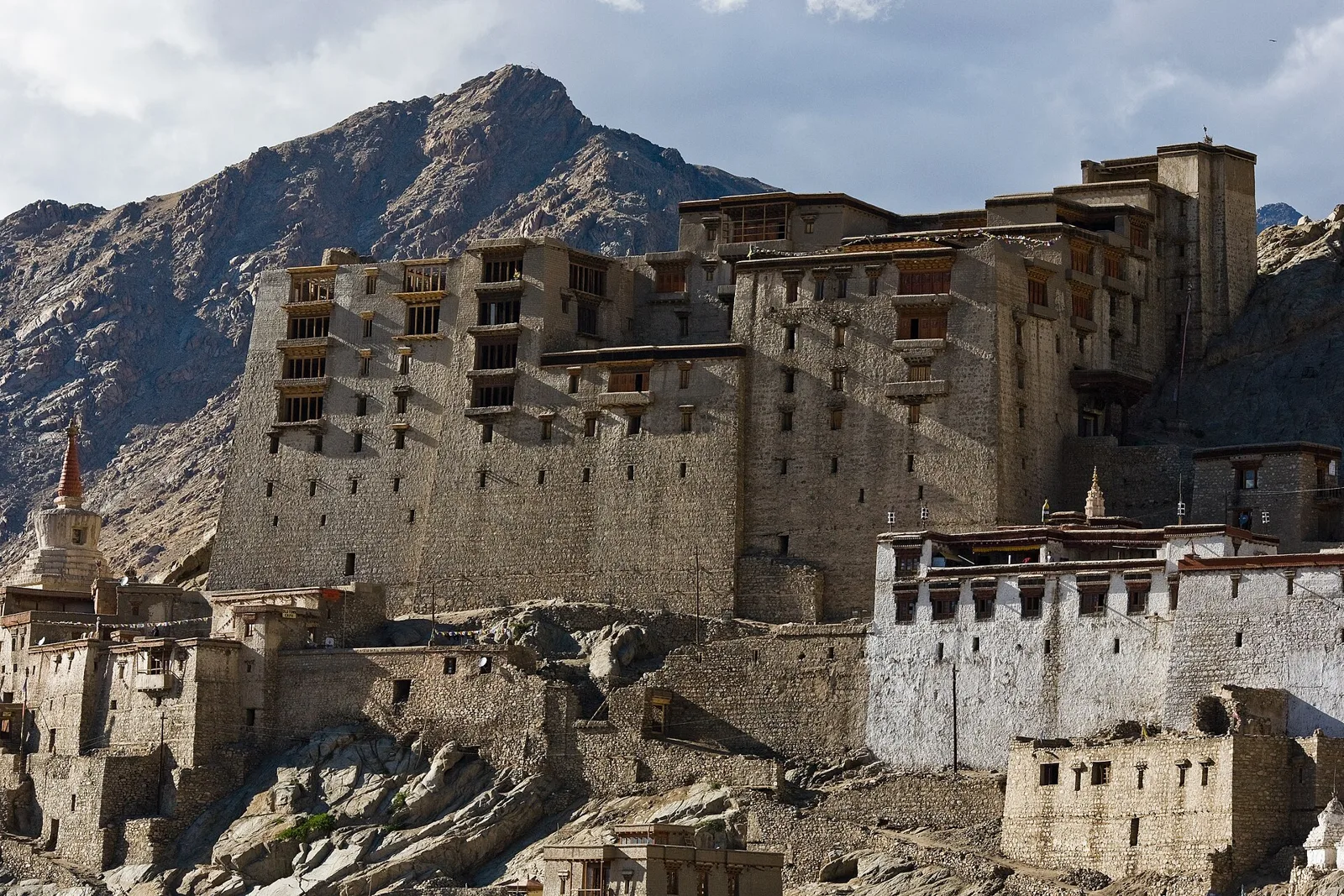
The Namgyal dynasty shaped Leh’s historic skyline. Leh Palace, built in the 17th century as a royal residence, overlooks the old town and reflects the kingdom’s political importance. A mosque near the bazaar also recalls the region’s connections with Kashmir and the Mughal world. In the 19th century, Dogra forces brought Ladakh under Jammu and Kashmir’s princely rulers; during the British period, Leh remained a frontier trading centre. Trade across older borders later diminished, while roads and air links strengthened connections with the rest of India. Since Ladakh became a Union Territory in 2019, Leh has continued as a key administrative centre and has grown as a base for tourism and regional services.

Food, festivals & culture

Ladakhi is widely spoken in Leh, alongside Hindi, Urdu and English. Meals often include thukpa, momos and skyu, a hearty dough-and-vegetable stew. Khambir, a local round bread, is commonly served with butter tea; dried apricots and apricot preserves are popular regional treats. Food traditions reflect the cold, dry climate and the need for nourishing, practical dishes.

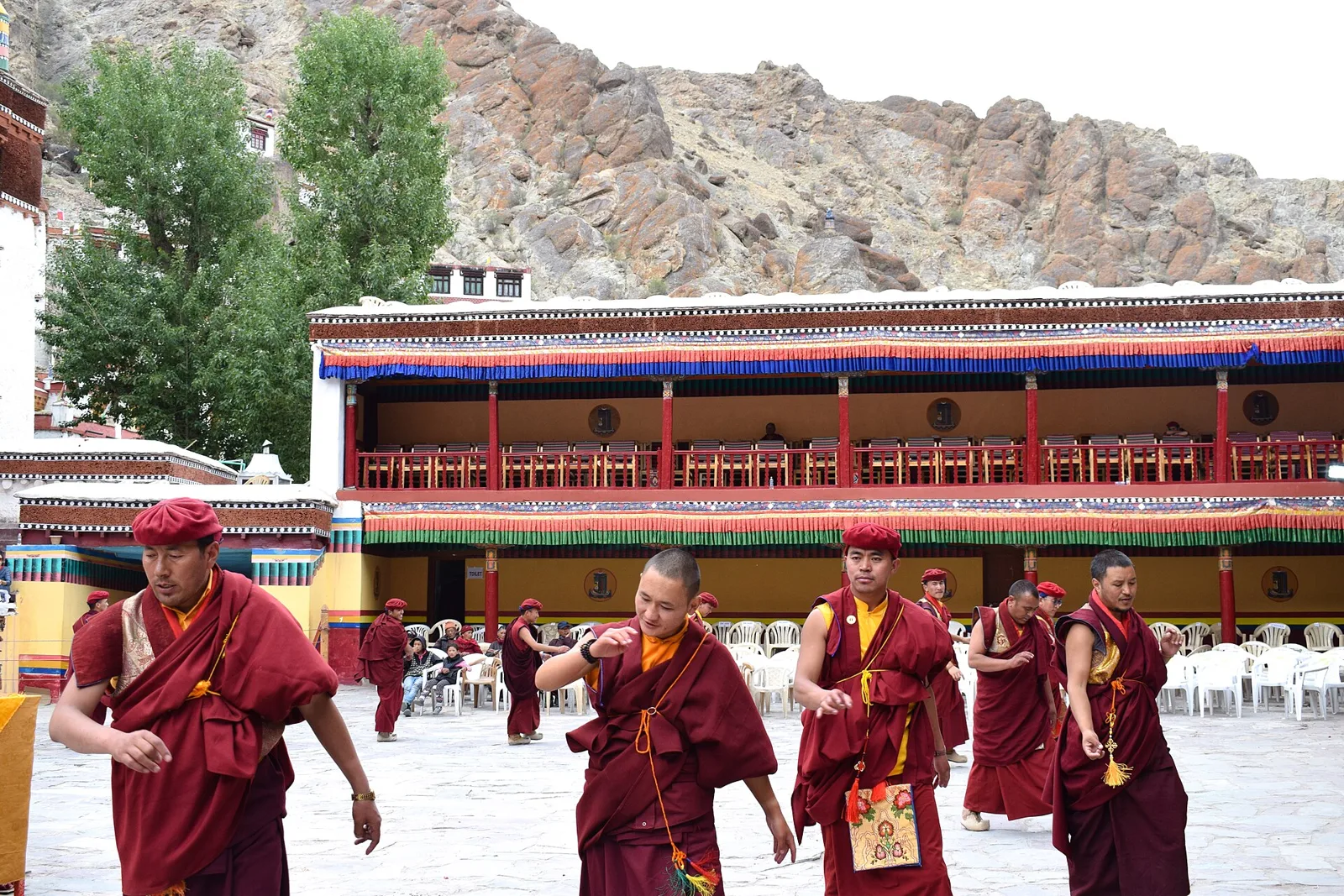
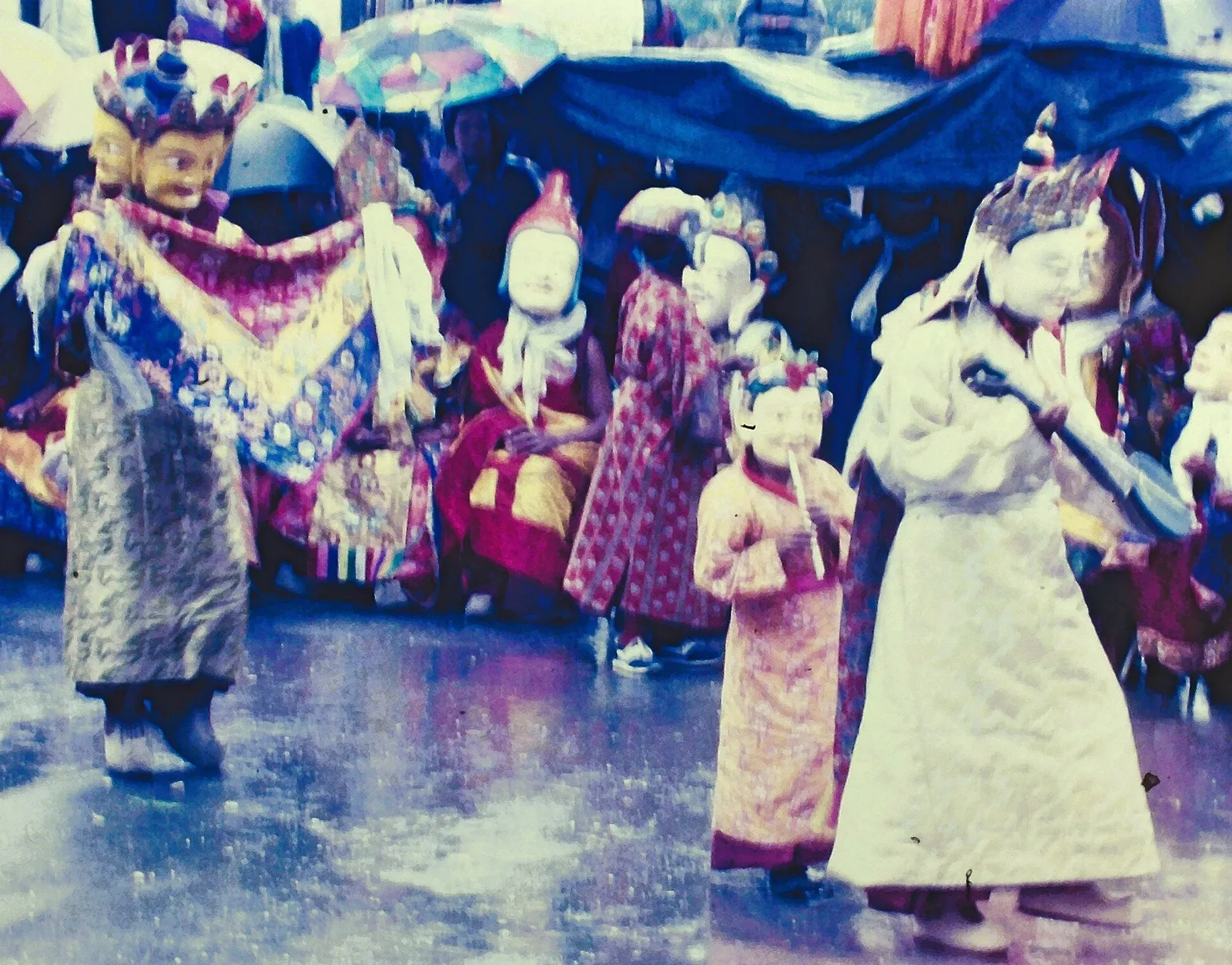
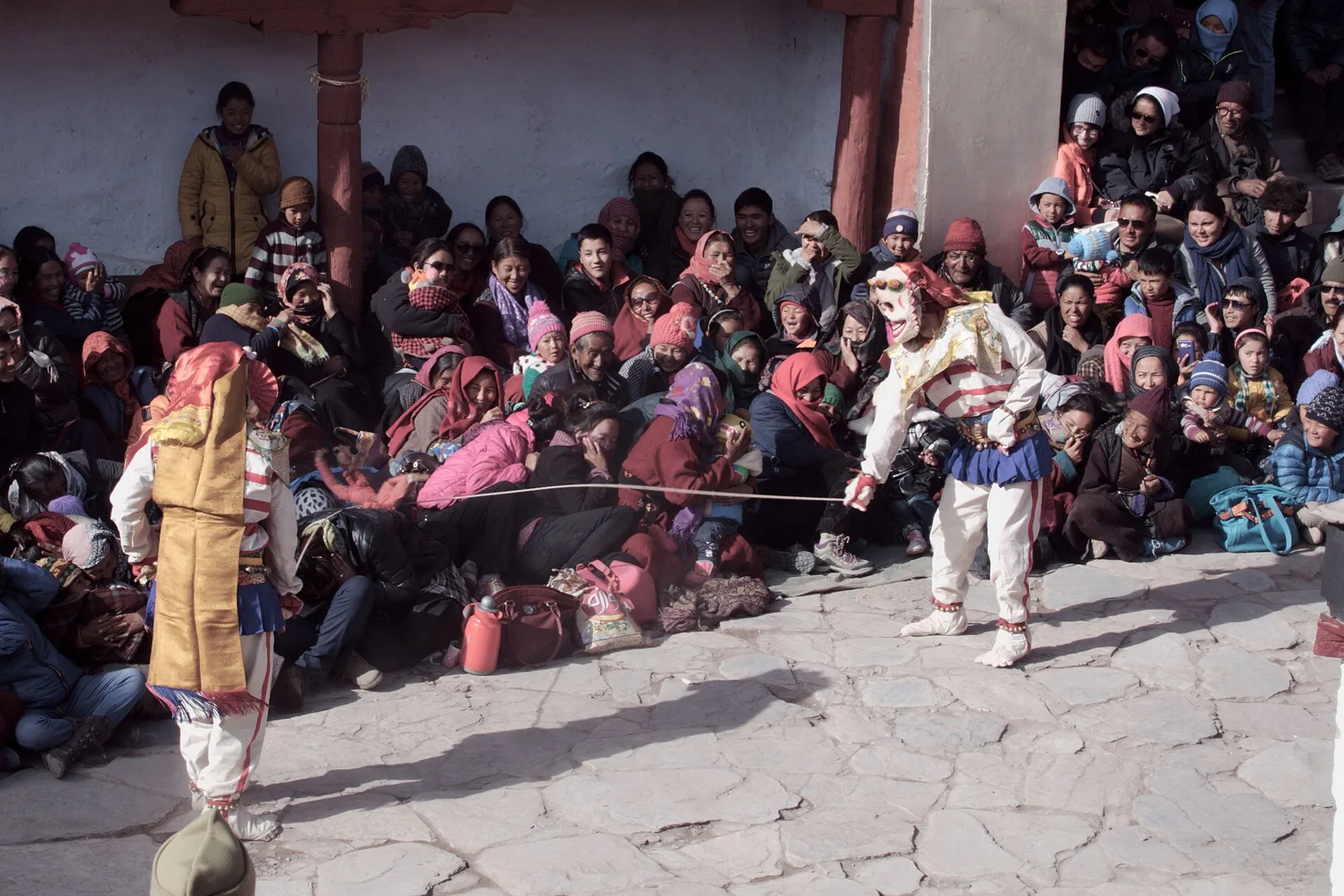
Buddhist observances shape the cultural calendar, while Muslim communities are an integral part of the city’s life and heritage. Hemis festival, usually held in June or July at Hemis Monastery outside Leh, is known for masked cham dances and music. Losar, the Tibetan New Year, is celebrated in winter, with customs and timing varying between communities. Folk songs, dance and traditional instruments feature at festivals and gatherings. In and around Leh, visitors can encounter Buddhist worship at Sankar Monastery and Namgyal Tsemo, and Muslim worship at the Jama Masjid and other mosques. Respectful dress and quiet behaviour are appreciated at places of worship.

Visiting the city

June to September is generally the most accessible season, with milder days and the main road approaches usually open; conditions can change quickly at high altitude. Winters are very cold, and road access from Srinagar and Manali is seasonal. Allow time to acclimatise after arrival and avoid strenuous activity at first.

Kushok Bakula Rimpochee Airport serves Leh. There is no railway in Ladakh; Srinagar Railway Station is a rail access point, followed by a long onward journey to Leh. Taxis, local buses and arranged vehicles serve the city and nearby sights, while the compact old centre is pleasant to explore on foot. Browse the Main Bazaar and Old Town, then visit the palace area; Changspa and Sankar offer quieter lanes and monastery visits. Check current road and weather conditions before travelling beyond the city.

Attractions

Places to visit in Leh

Sights within about 12 km of each other, even when they fall in different districts.

Leh

Leh district

Leh

Leh is Ladakh’s largest city and one of its two capitals. Visitors come for its historic palace and its ties to the former Kingdom of Ladakh.

Leh Palace

Leh district

Leh Palace

Built around 1600, Leh Palace is a former Ladakhi royal residence above Leh. Visitors come to see the historic building and its outlook over the city.

Matho Monastery

Leh district

Matho Monastery

Matho Monastery is a Tibetan Buddhist institution in Ladakh and one of the region’s few centres of the Sakyapa tradition. Visitors know it for the Matho Nagrang festival, its oracle rituals and its historic thangka collection.

Namgyal Tsemo Monastery

Leh district

Namgyal Tsemo Monastery

Founded by King Tashi Namgyal, Namgyal Tsemo is a Buddhist monastery in Leh. Visitors come to see its gilded Maitreya statue, ancient manuscripts and frescoes.

Shey Palace and Monastery

Leh district

Shey Palace and Monastery

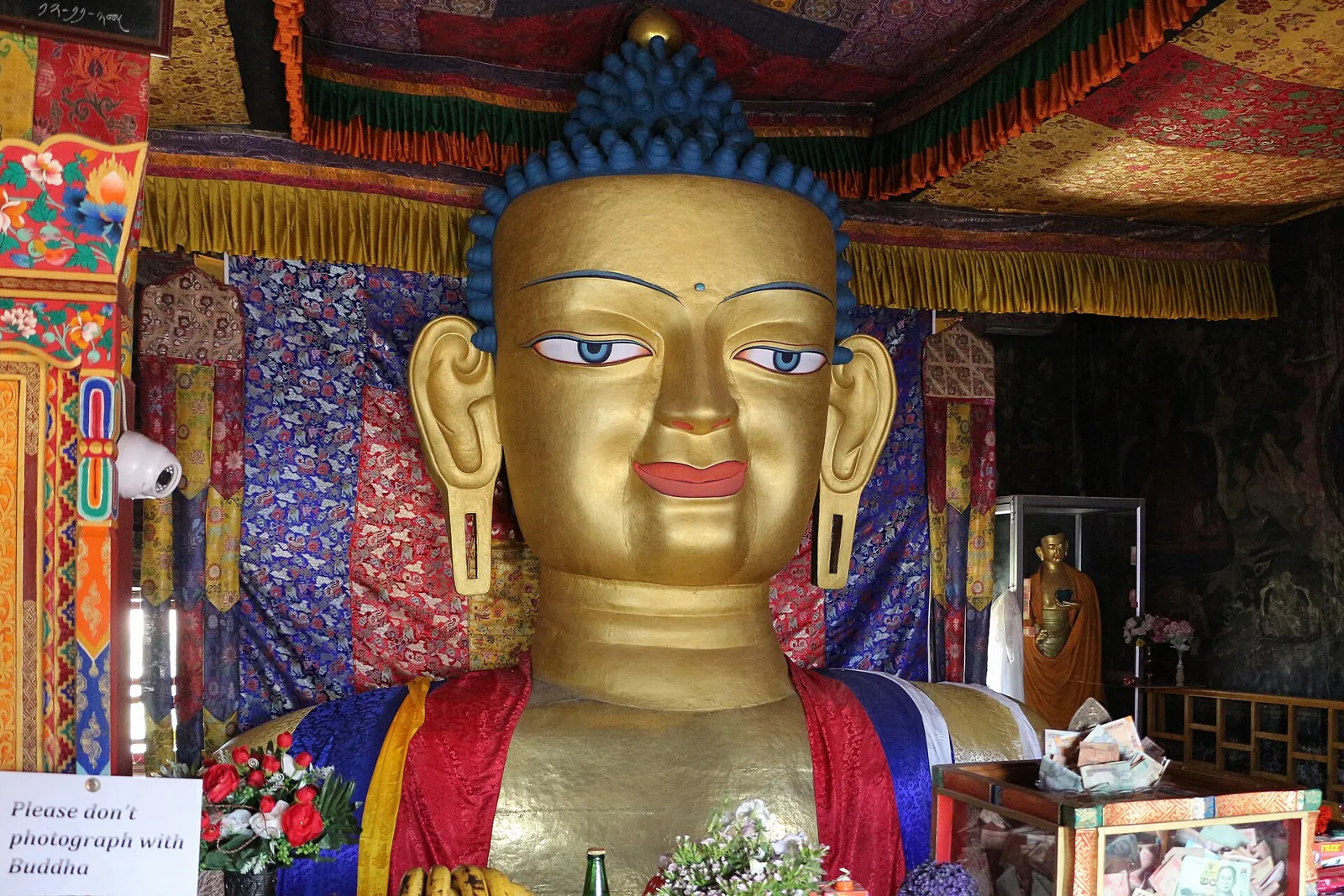
Shey Palace and Monastery is a historic royal and religious complex in Ladakh, visited for its ruined palace, later monastery and large gilded Buddha image.

Spituk Monastery

Leh district

Spituk Monastery

This Buddhist monastery in Spituk, near Leh, draws visitors for its long religious history, Gelugpa tradition, Kali statue and annual Gustor Festival.

Stakna Monastery

Leh district

Stakna Monastery

Stakna Monastery is a Drugpa-Kagyu Buddhist institution near Leh. Visitors come to see its sacred Arya Avalokitesvara image and learn about its distinctive Bhutanese lineage.

Stok Palace and Monastery

Leh district

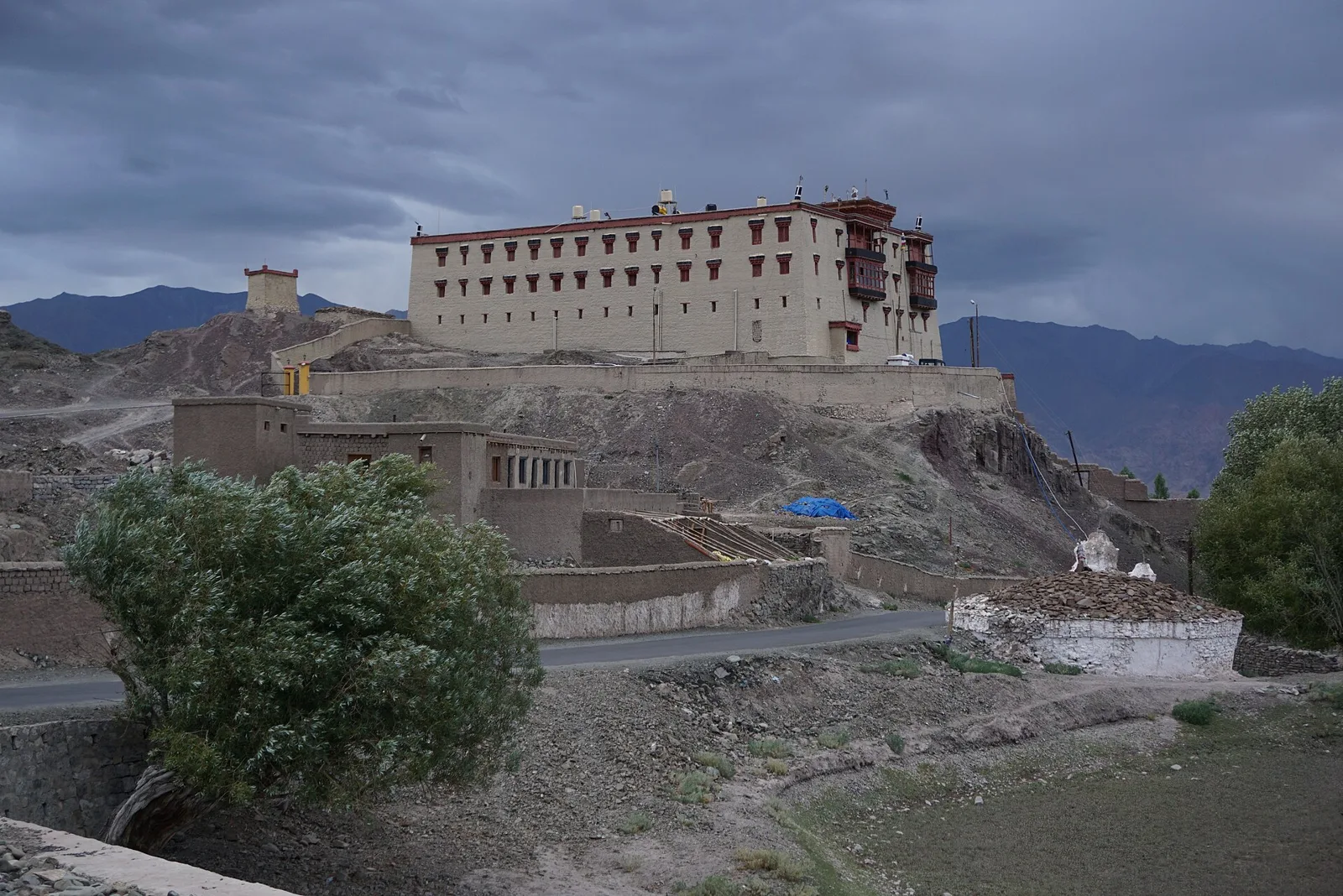
Stok Palace and Monastery

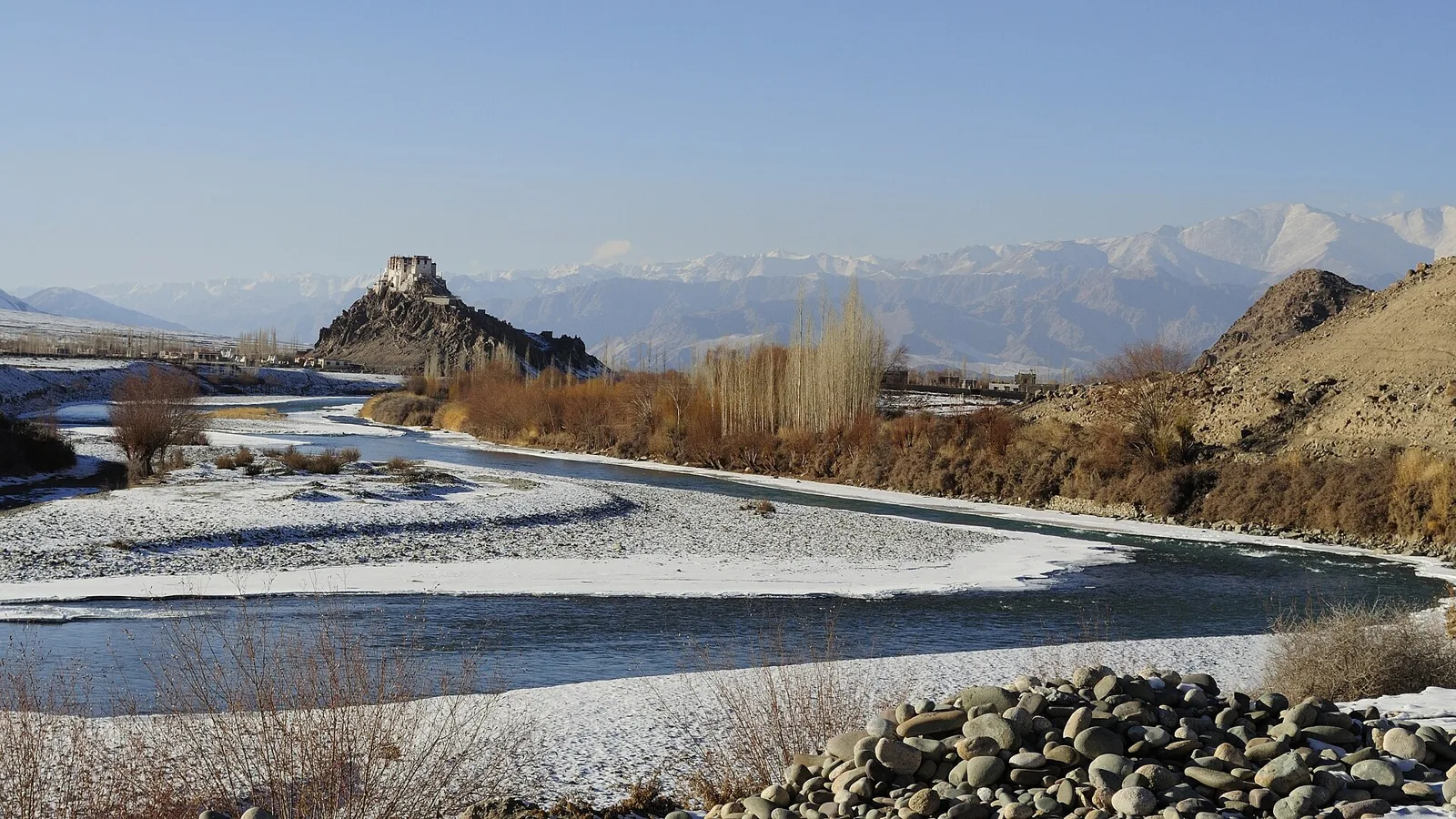
This Ladakh complex pairs a 14th-century Buddhist monastery, known for its Kangyur collection and annual masked ritual dances, with a nearby palace once used by Namgyal rulers.

Thikse Monastery

Leh district

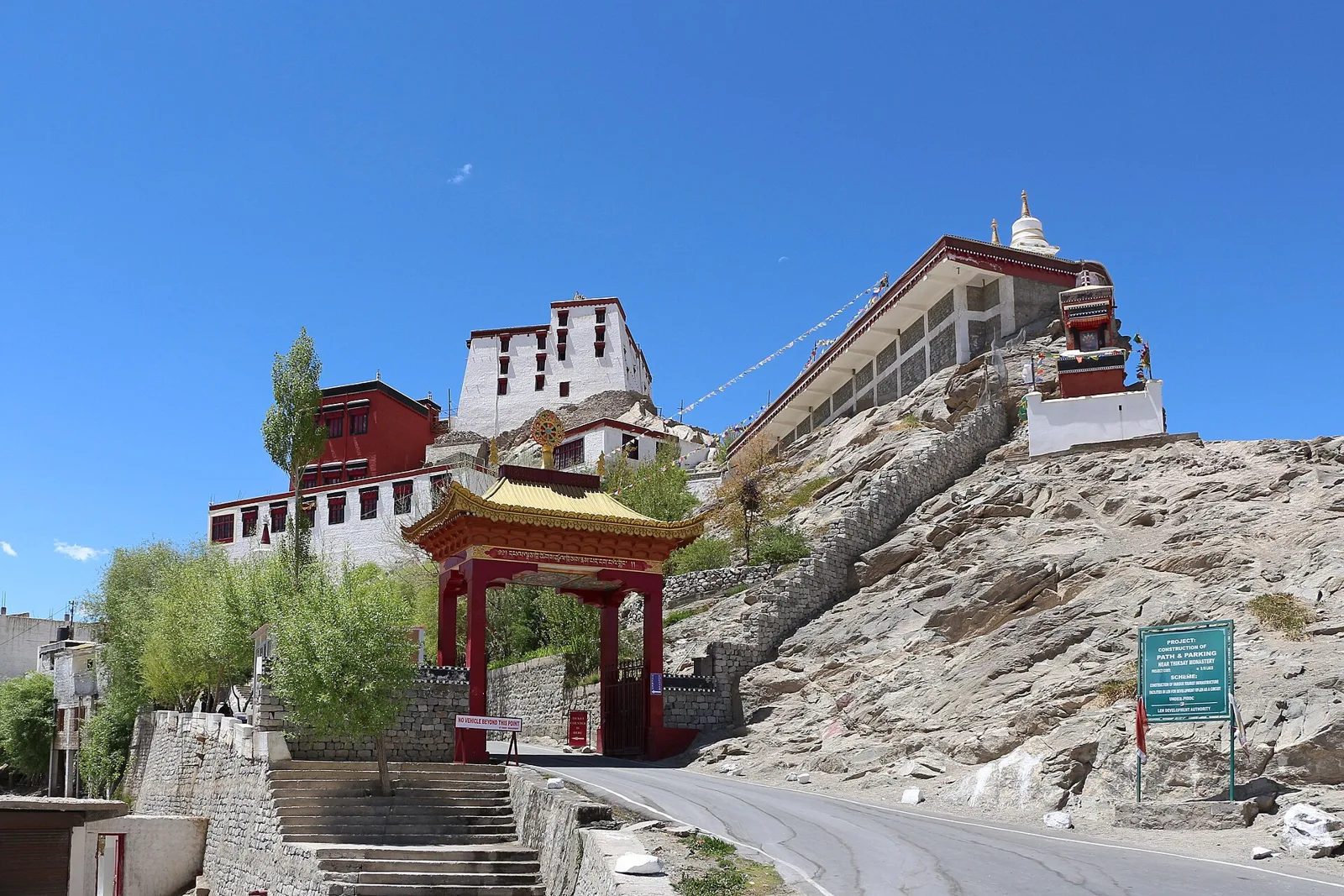
Thikse Monastery

Thikse Monastery is a Gelug Buddhist complex in Ladakh. Visitors come to see its hilltop architecture, Buddhist art and the large Maitreya statue housed in its temple.

Alchi Monastery

Leh district

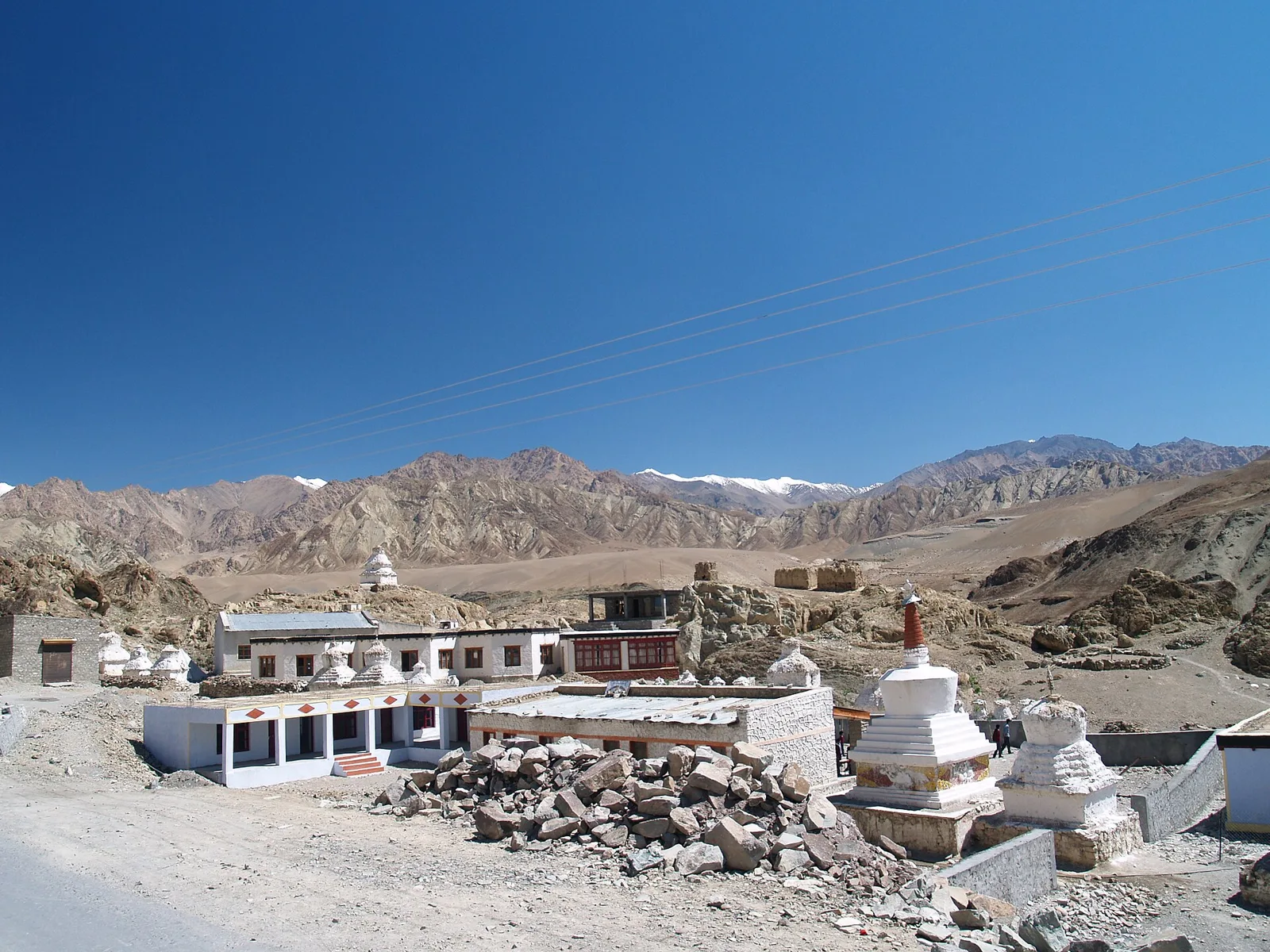
Alchi Monastery

Alchi Monastery is a Buddhist temple complex in lower Ladakh. Visitors come to explore its Kashmiri-influenced shrines, chortens, artistic traditions and layered history.

Basgo Monastery

Leh district

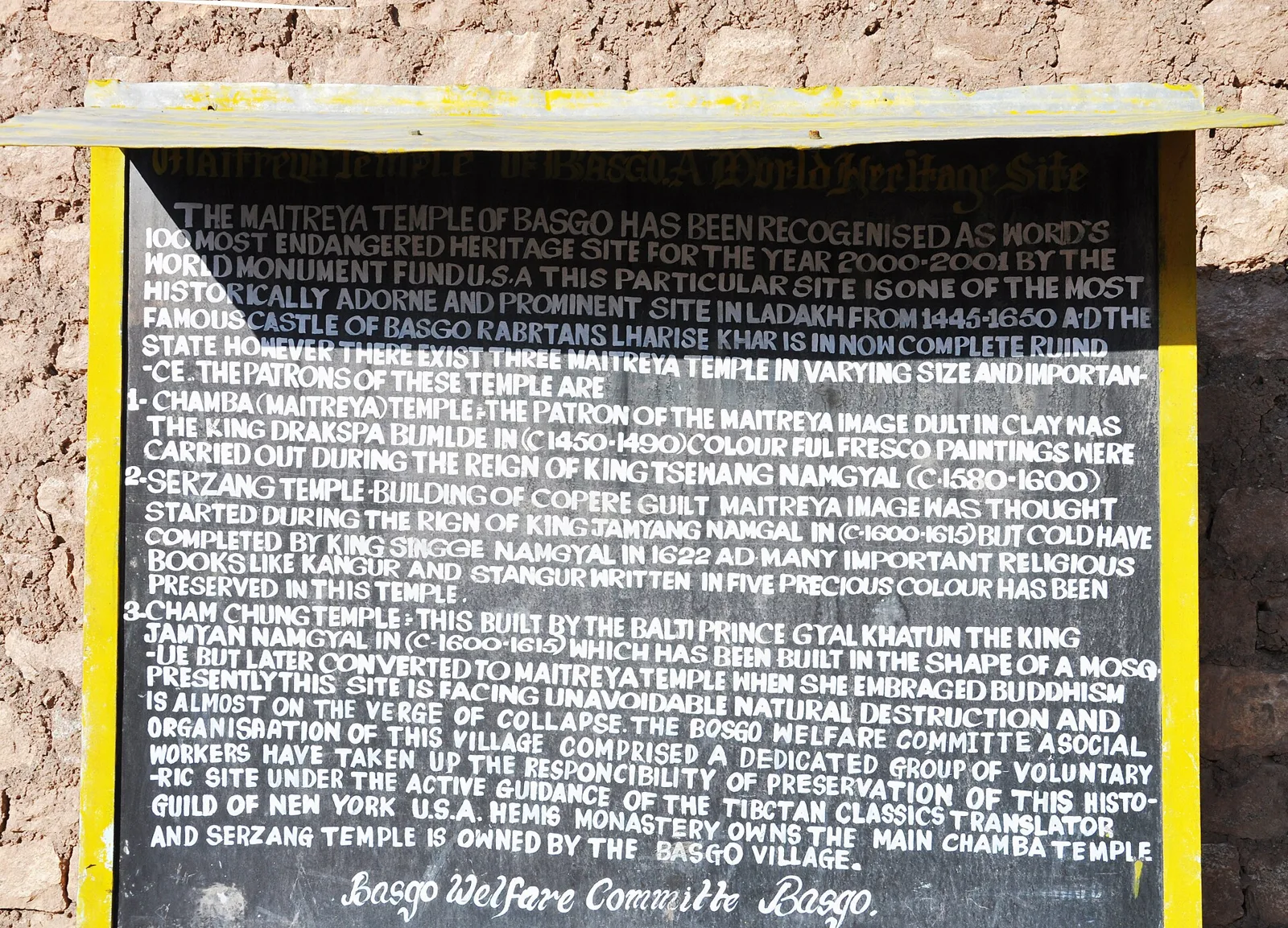
Basgo Monastery

Basgo Monastery, also called Basgo or Bazgo Gompa, is a Buddhist complex in Ladakh. Visitors come to see its Buddha image, murals and temples above the remains of the old town.

Likir Monastery

Leh district

Likir Monastery

Likir Monastery, a Gelugpa Buddhist institution in Ladakh, is known for its religious history and position beside a former trade route. Visitors also come to see its setting at Likir village.

Rizong Monastery

Leh district

Rizong Monastery

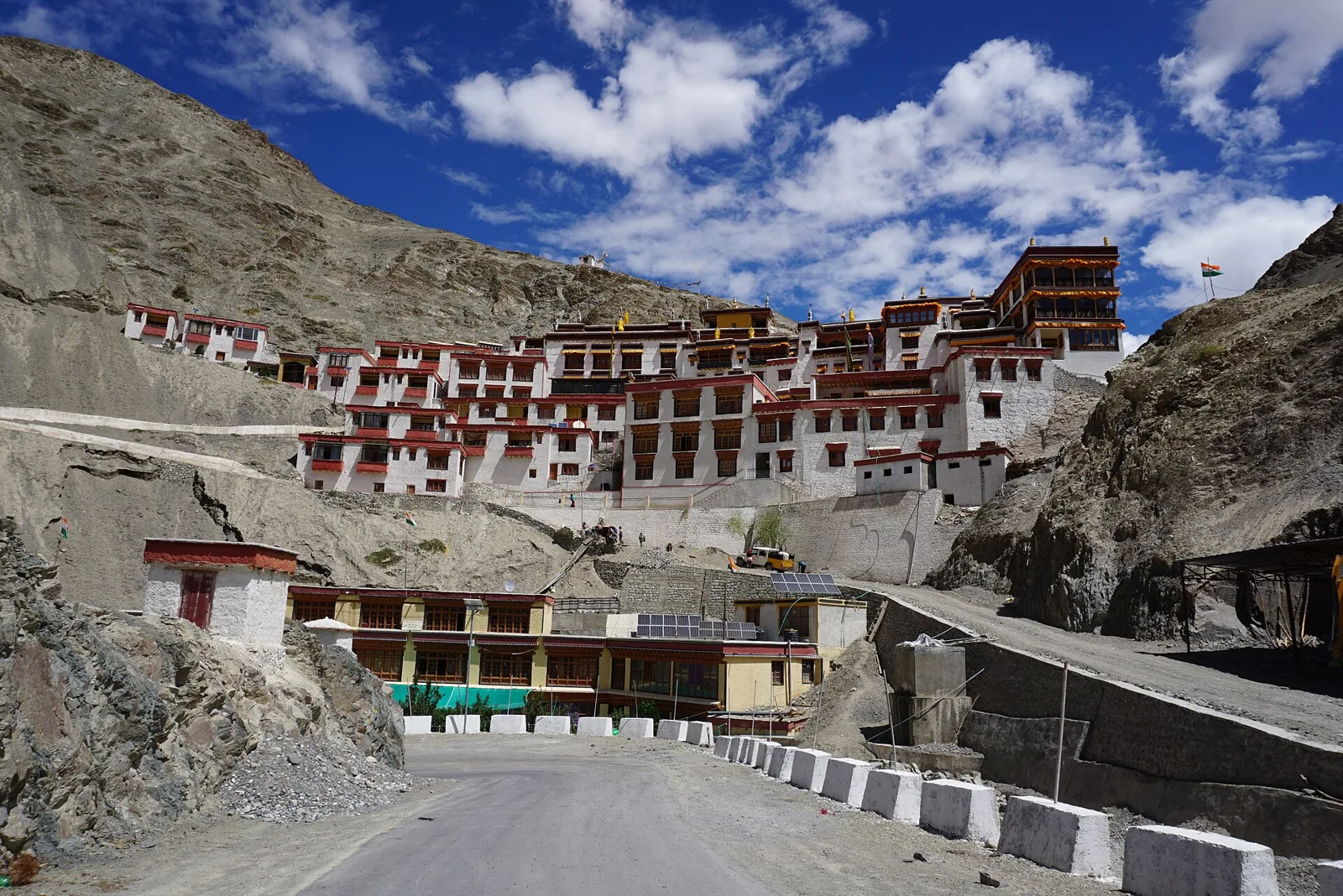
Rizong Monastery is a Gelugpa Buddhist complex in Ladakh, known for its monastic discipline and nearby meditation caves. A nunnery also forms part of its surroundings.

Saspol Caves

Leh district

Saspol Caves

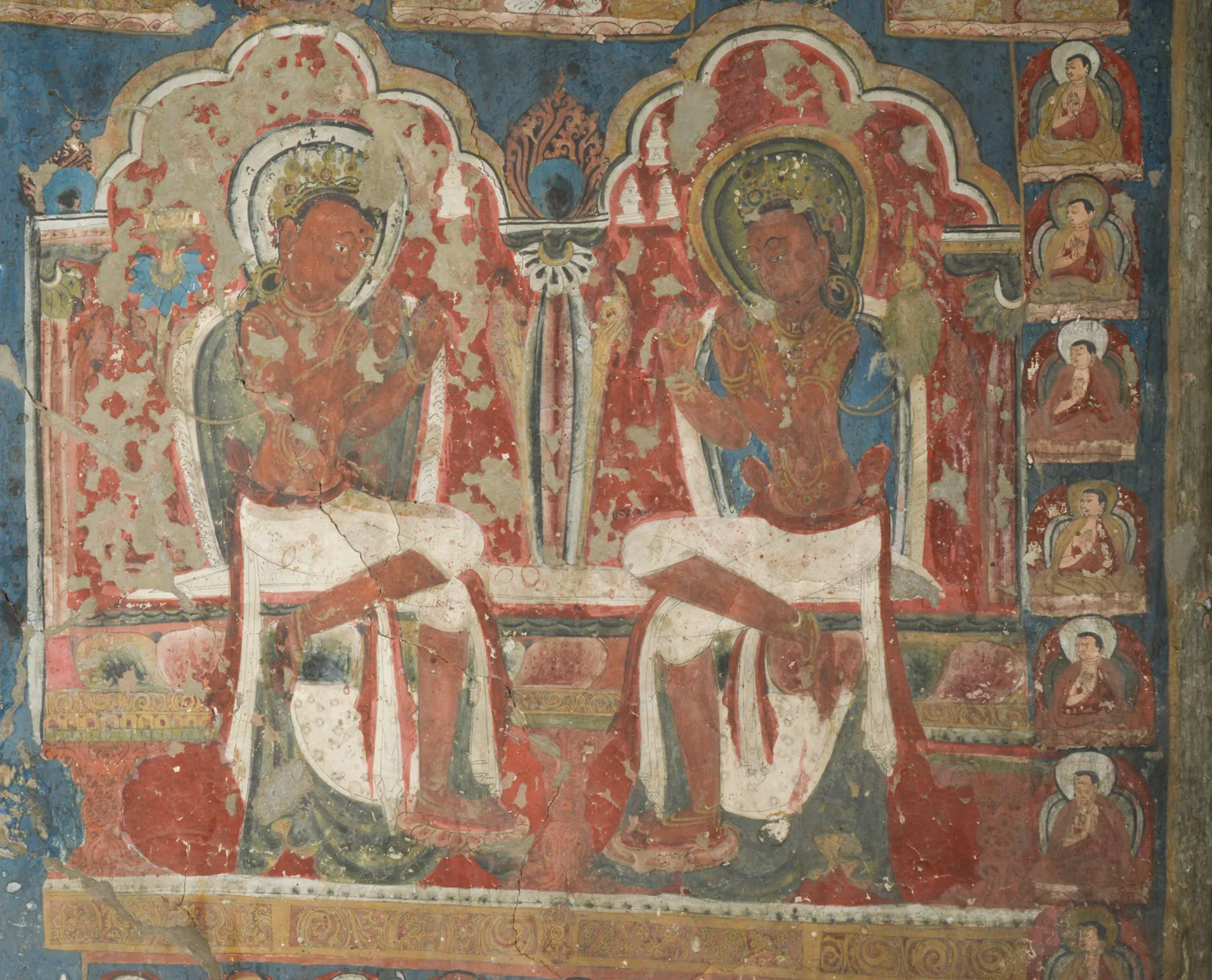
Saspol Caves, also known as the Gon-Nila-Phuk Cave Temples, are a group of rock-cut temples in Ladakh. Visitors come to see their surviving wall paintings, including rare Anuttarayoga Tantra works.

Short trips

Around Leh

Within about 40 km — easy half-day or day trips from the city.

Chemrey Monastery

Leh district

Chemrey Monastery

Chemrey Gompa is a Buddhist monastery in Ladakh’s Indus valley, founded in 1664. Visitors come to see its Padmasambhava statue and silver- and gold-lettered scriptures, and to attend its annual festival of sacred dances.

Hemis Monastery

Leh district

Hemis Monastery

Hemis Monastery is a Buddhist gompa of the Drukpa Lineage in Ladakh; visitors come for its annual early-June festival held in honour of Padmasambhava.

Hemis National Park

Leh district

Hemis National Park

Hemis National Park is a high-altitude protected area in Ladakh, best known for its snow-leopard population and habitat for other endangered mammals.

Khardung La

Leh district

Khardung La

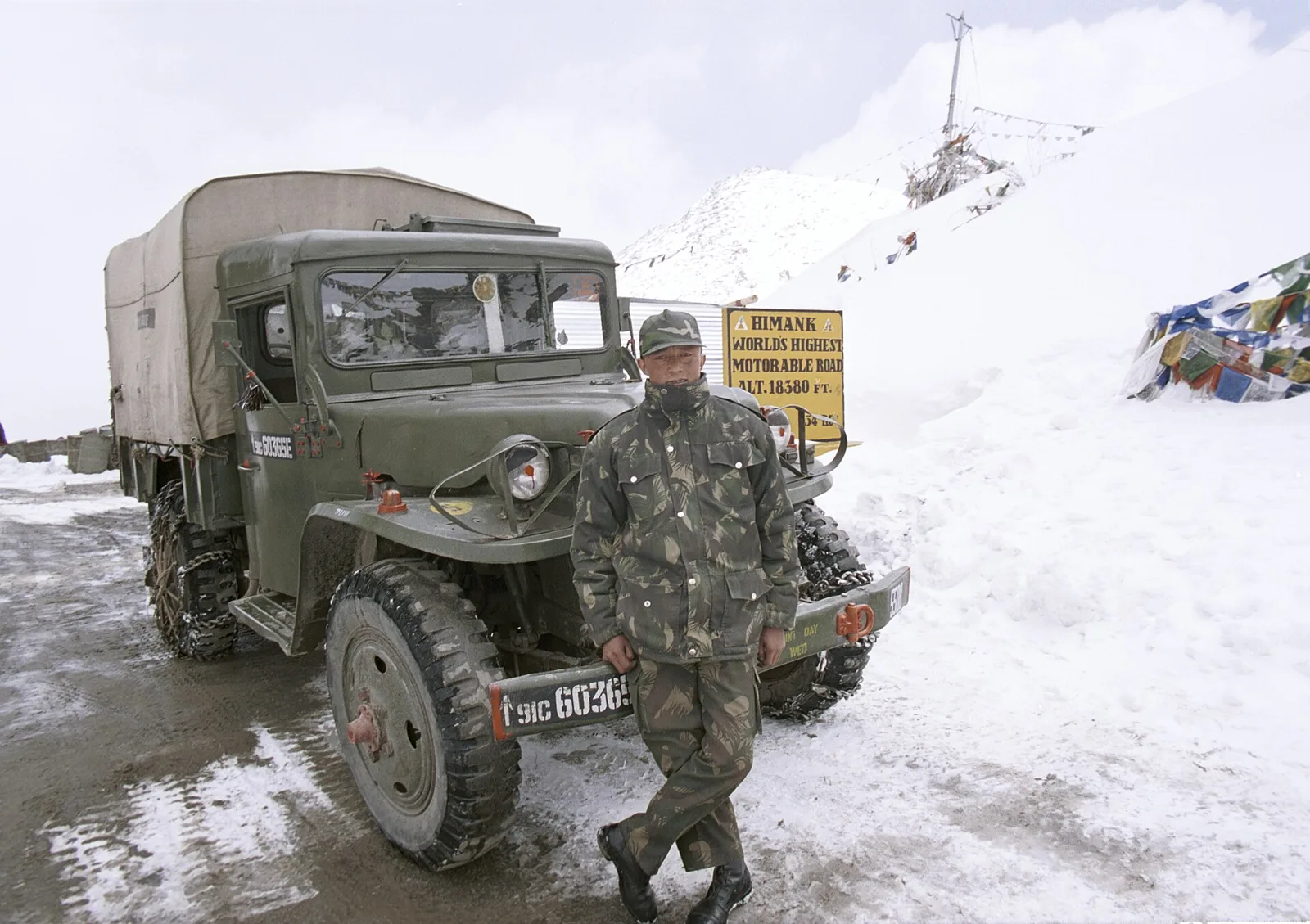
Khardung La is a high mountain crossing in Ladakh, north of Leh. Travellers use it on the route linking Leh with Nubra Valley and the Siachen Glacier.

Magnetic Hill, Leh

Sham district

Magnetic Hill, Leh

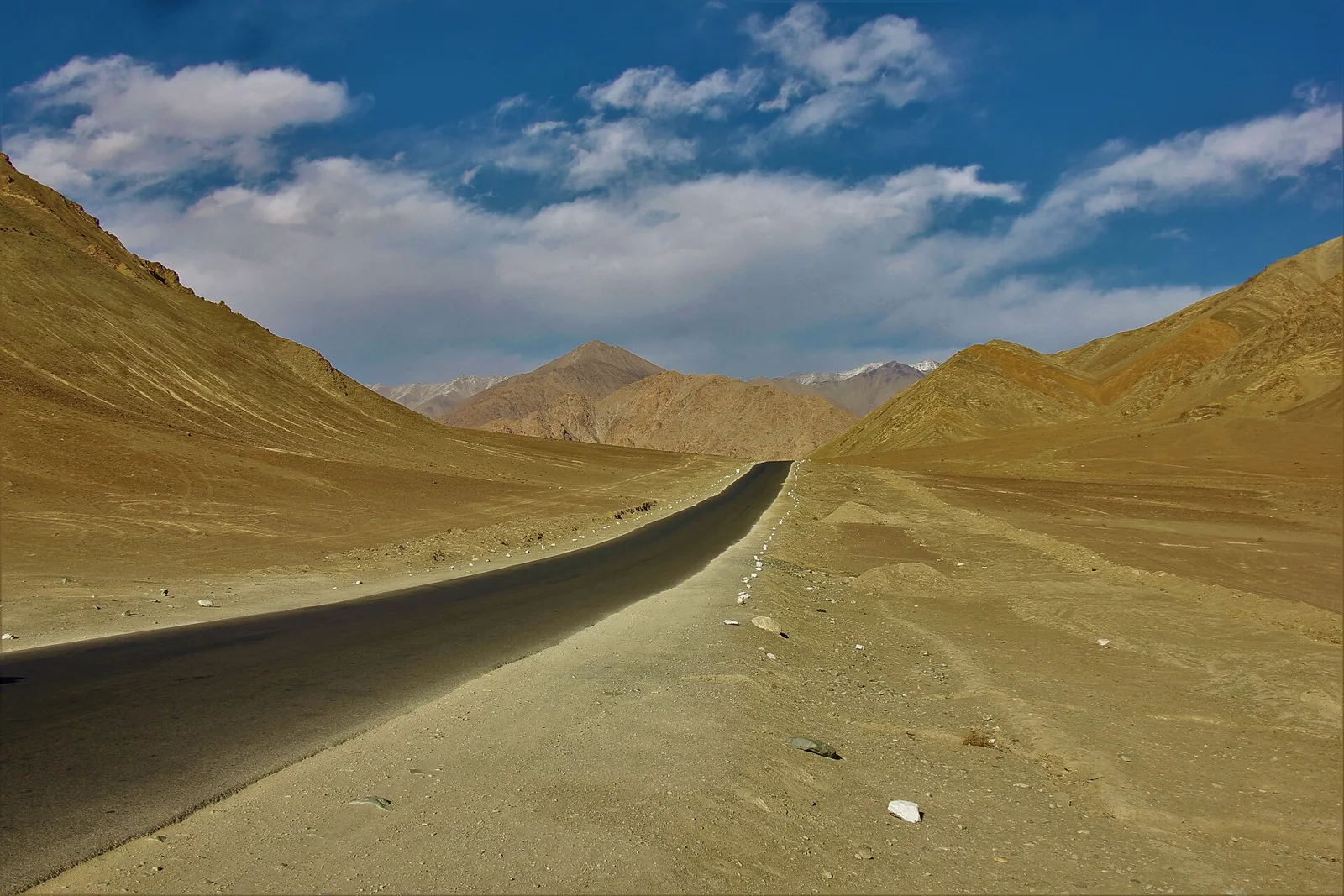
Magnetic Hill is a gravity-hill landmark in Ladakh’s Sham district, between Khalatse and Leh. Visitors come to see vehicles appear to climb the road while actually travelling downhill.

Markha Valley

Leh district

Markha Valley

Markha Valley, in Leh district, Ladakh, follows the Markha River through Hemis National Park. Trekkers travel between Ganda La and Gongmaru La, passing villages and the mountain Kang Yatze.

Phyang Monastery

Leh district

Phyang Monastery

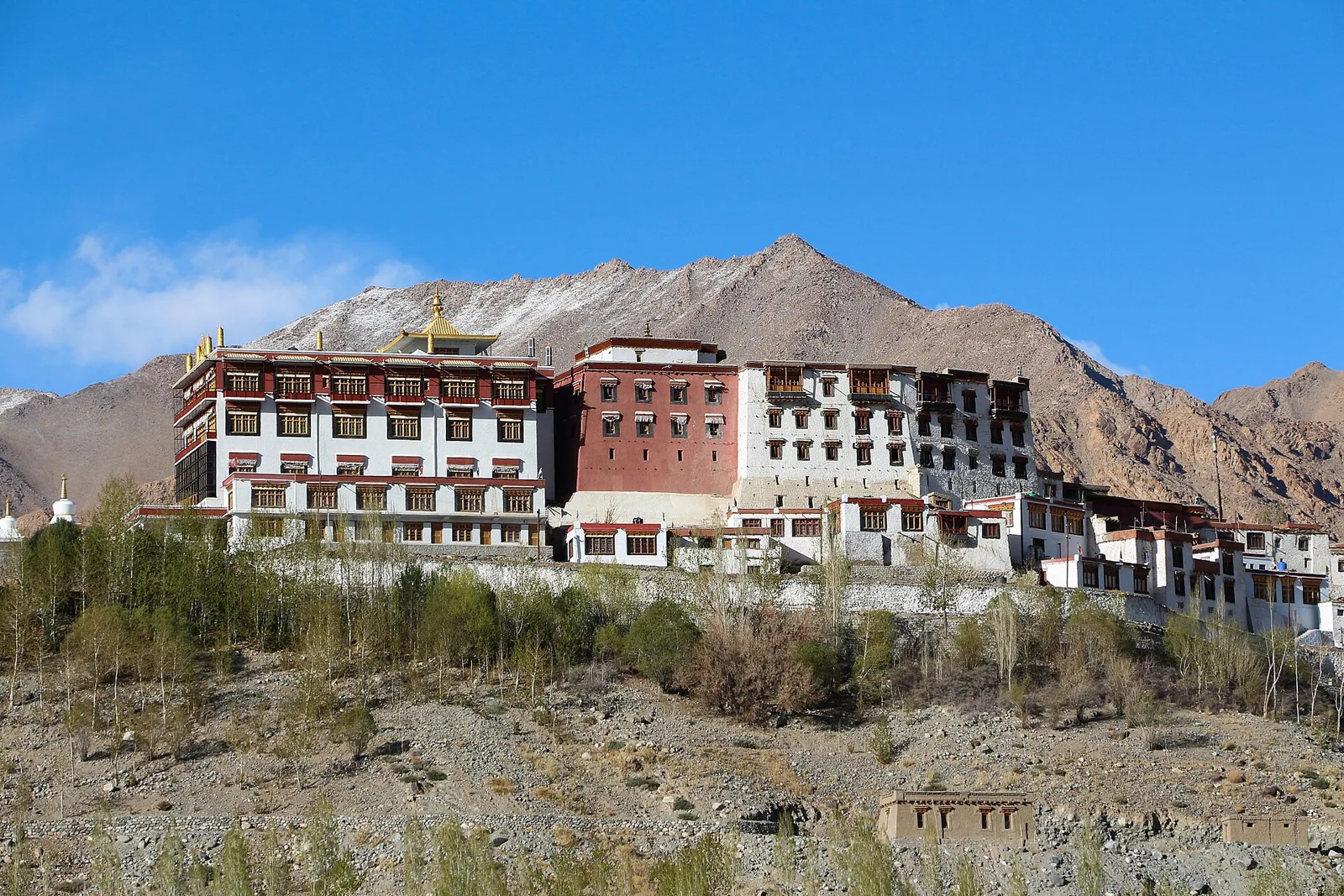
Phyang Monastery, also called Phyang or Phiyang Gompa, is a Buddhist monastery in Ladakh. Visitors come to see the site in Fiang village, west of Leh.

Shanti Stupa, Leh

Leh district

Shanti Stupa, Leh

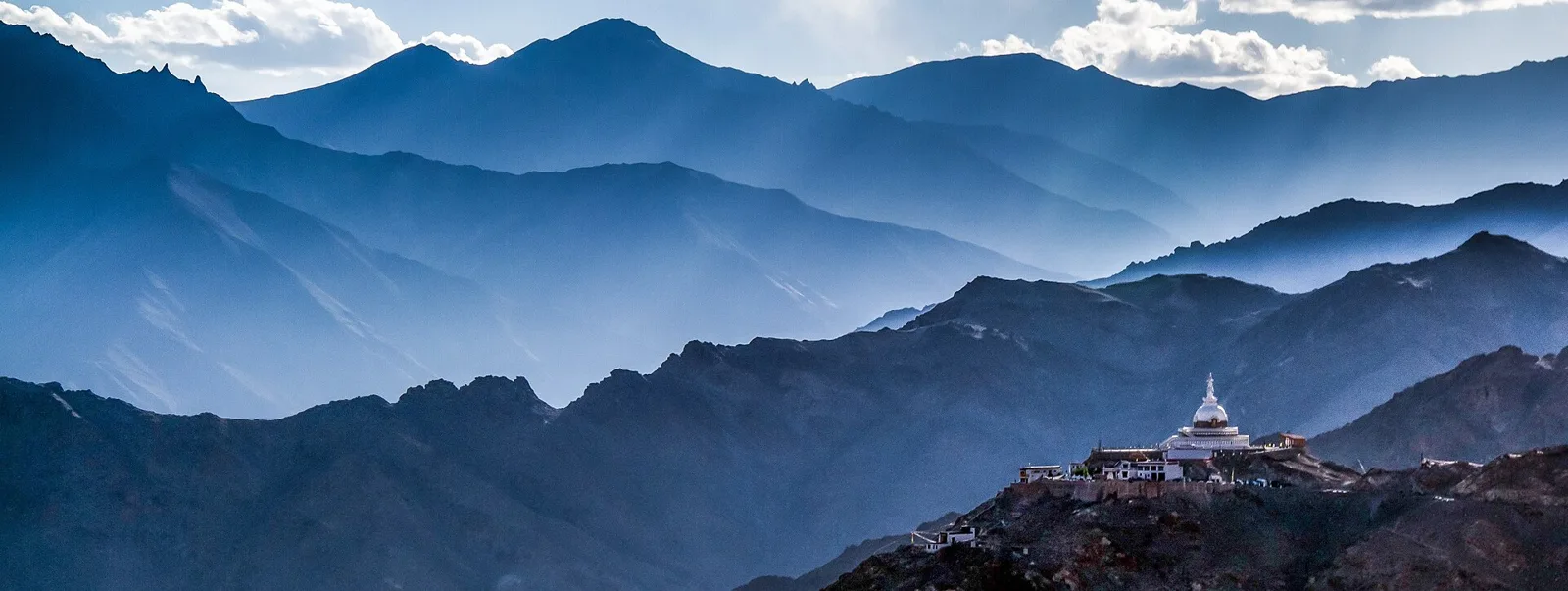
Set on a hill in Chanspa, Shanti Stupa is a Buddhist monument whose relics and elevated setting attract visitors interested in its religious significance and views of the nearby landscape.

Takthok Monastery

Leh district

Takthok Monastery

People visit Takthok for its rock-built structure and its association with a cave linked to Padmasambhava. It is a Buddhist monastery in Sakti, east of Leh.

Map

Leh on the map

  1. 1Leh
  2. 2Leh Palace
  3. 3Matho Monastery
  4. 4Namgyal Tsemo Monastery
  5. 5Shey Palace and Monastery
  6. 6Spituk Monastery
  7. 7Stakna Monastery
  8. 8Stok Palace and Monastery
  9. 9Thikse Monastery
  10. 10Alchi Monastery
  11. 11Basgo Monastery
  12. 12Likir Monastery
  13. 13Rizong Monastery
  14. 14Saspol Caves
  15. 15Chemrey Monastery
  16. 16Hemis Monastery
  17. 17Hemis National Park
  18. 18Khardung La
  19. 19Magnetic Hill, Leh
  20. 20Markha Valley
  21. 21Phyang Monastery
  22. 22Shanti Stupa, Leh
  23. 23Takthok Monastery

Ladakh

Other cities to explore