Ghumoopedia — Explore, Discover, Experience
Sign in
Padum, near Padum

City guide · Ladakh

Padum

Padum, also called Padam, is the administrative centre of Zanskar district in Ladakh. Visitors interested in the area’s history may come to learn about its former role as a capital of the Zanskar Kingdom.

Famous for

  • Zanskar’s administrative centre
  • Karsha and Bardan monasteries
  • Historic Zanskar kingdom
  • High-altitude valley journeys
  • Chadar trek gateway
In the city
5
Nearby
2
District
Zanskar

Why Padum matters

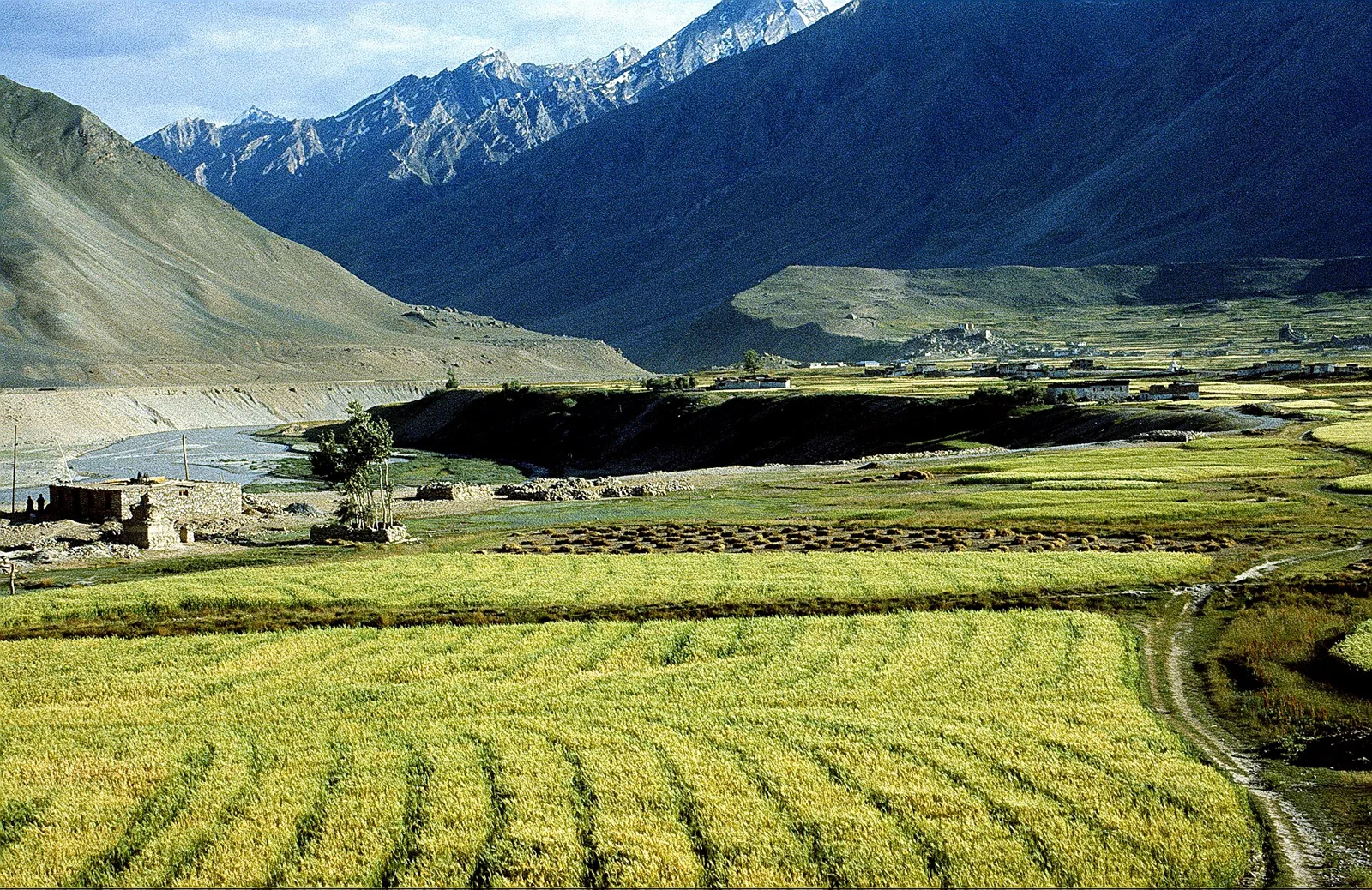
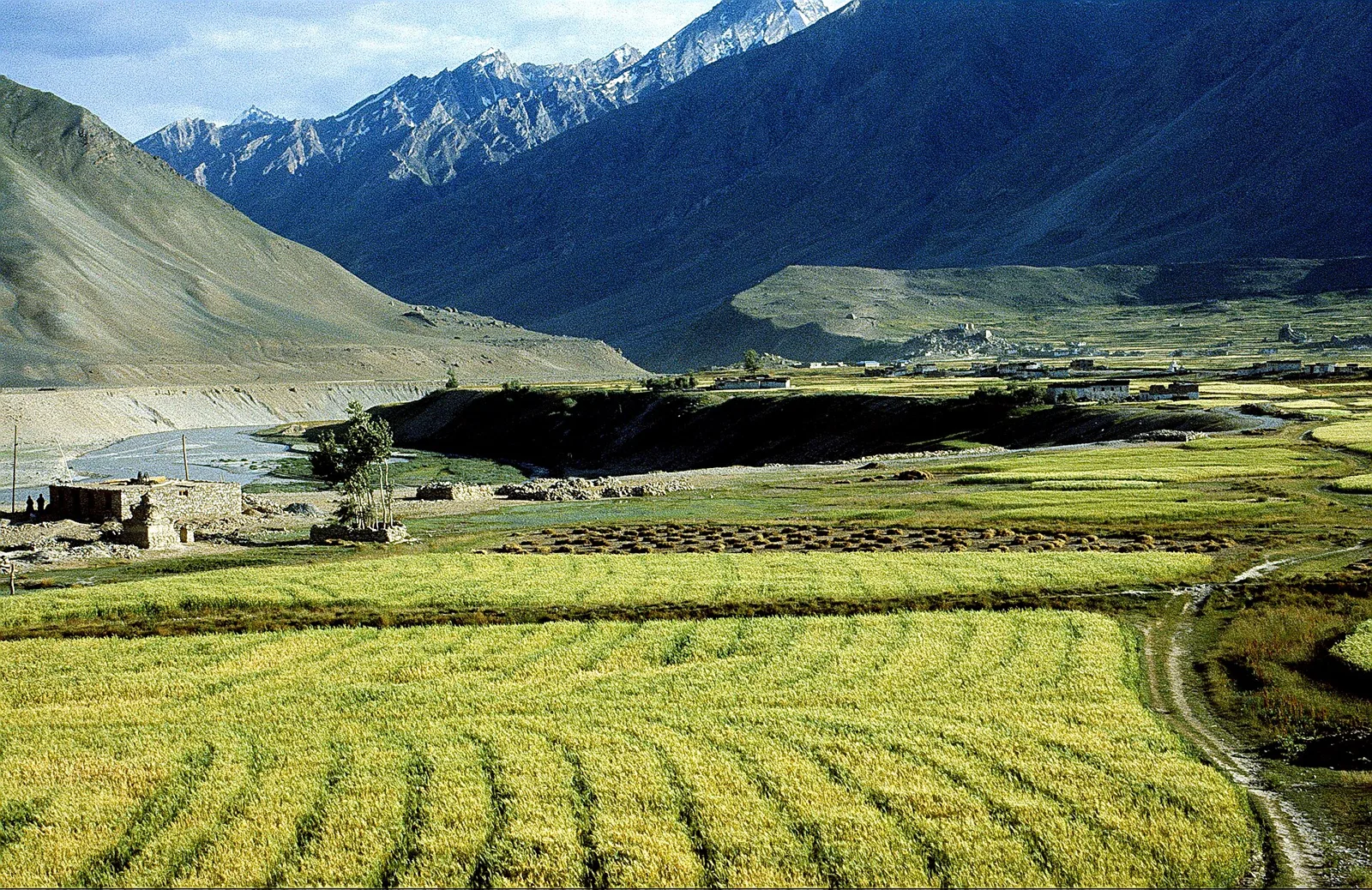
Padum, also called Padam, is the principal town of Zanskar, set in a broad high-altitude valley in Ladakh. It serves as the sub-divisional centre and a key service hub for surrounding villages, with places to stay, eat and arrange supplies before travelling farther into the region. A proposal to create a separate Zanskar district was announced in 2024, with Padum identified as a likely headquarters; the change was proposed rather than established at that time.

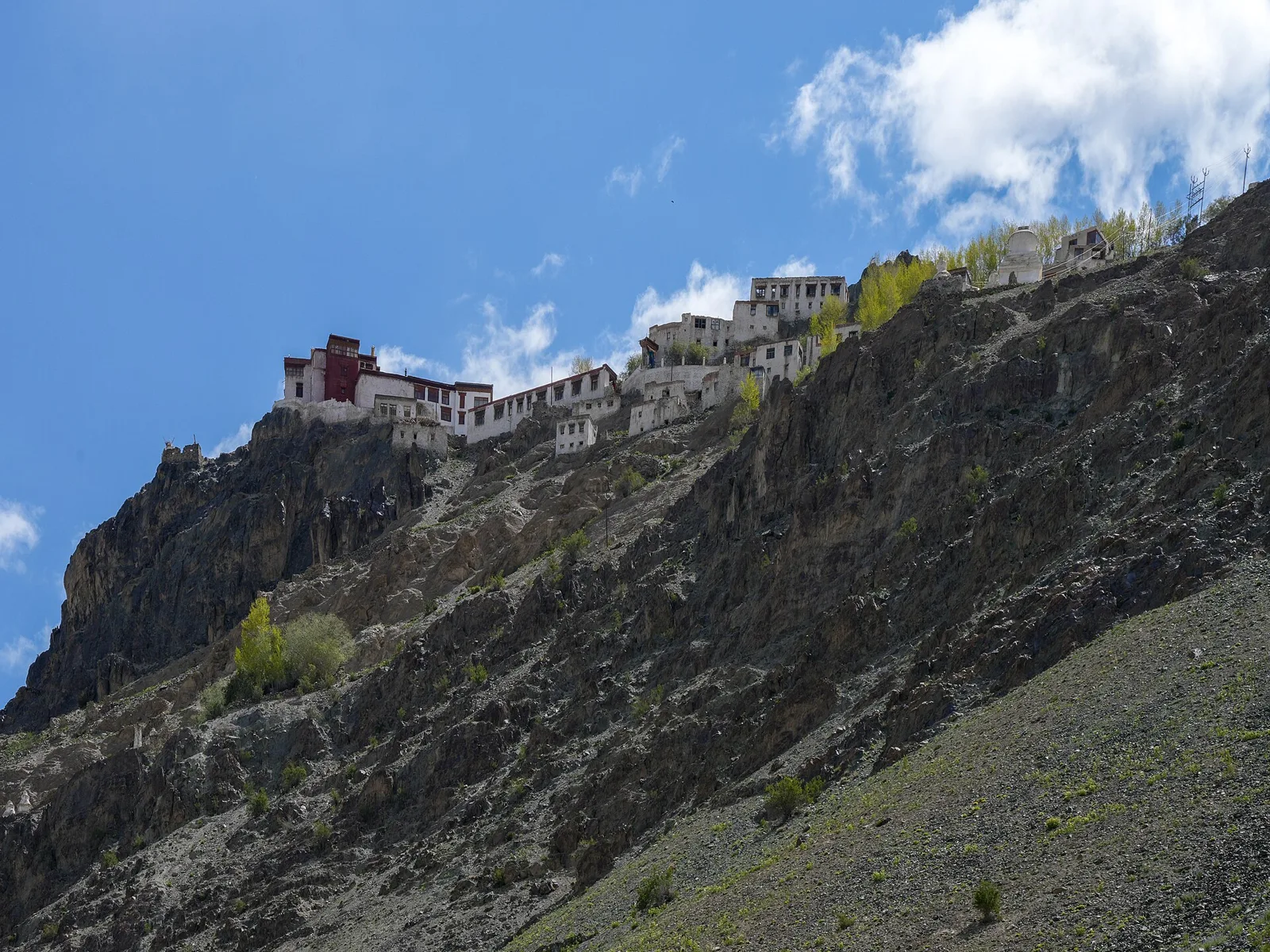
Visitors come for the stark mountain scenery, Buddhist heritage and access to remote trekking routes. Nearby Karsha Monastery is among the area’s most prominent religious sites, while Bardan Monastery stands closer to town. Padum is also a starting point for journeys towards Phugtal Monastery and, in winter, the Chadar route along the frozen Zanskar River. Its setting at the centre of the valley’s converging arms makes it a natural base for exploring Zanskar, though journeys beyond town require planning around road and weather conditions.
Famous for: crafts, trade & products

Padum is best known as a regional base rather than a centre of large-scale manufacturing or a nationally recognised textile trade. There is no widely established local GI-tagged product associated specifically with the town. Zanskari households and small traders serve residents and travellers with everyday provisions, locally prepared foods and practical goods for life in a remote mountain valley. Visitors may find handmade items and souvenirs through small shops, guesthouses or local sellers, but availability varies and should not be assumed.

The town’s most distinctive cultural landmarks are its Buddhist institutions, including Bardan Monastery and the nearby complex at Karsha. These are places of worship and heritage, not commercial markets; visitors should approach respectfully and ask before photographing people or ceremonies. Padum’s central bazaar area is the most convenient place to look for groceries, basic travel supplies and meals. For a more personal introduction to local products or cooking, ask a host whether nearby families make items for visitors. Zanskar’s appeal lies chiefly in its landscape, monasteries and living traditions, rather than in a specialised shopping district or a signature export craft.

History

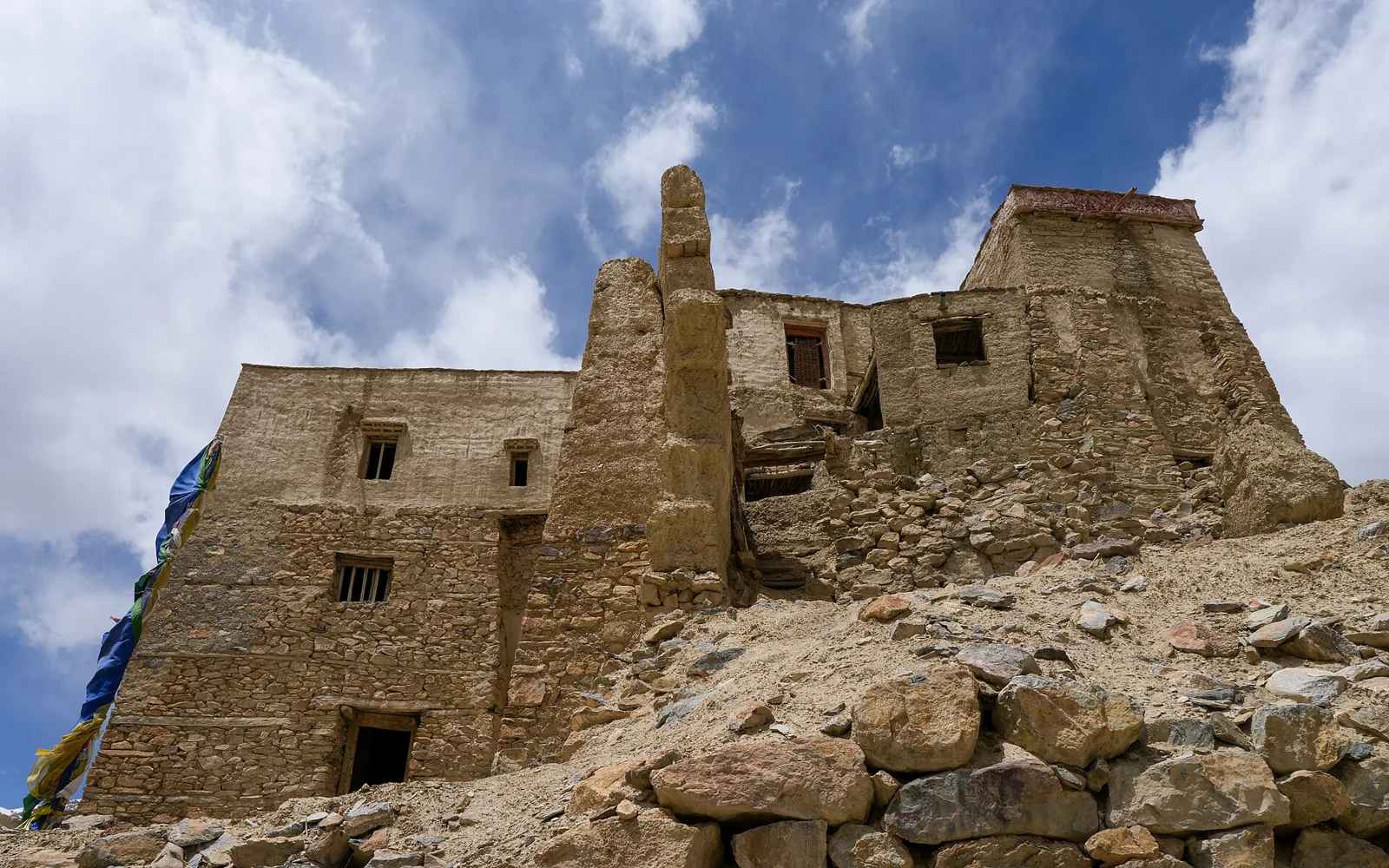
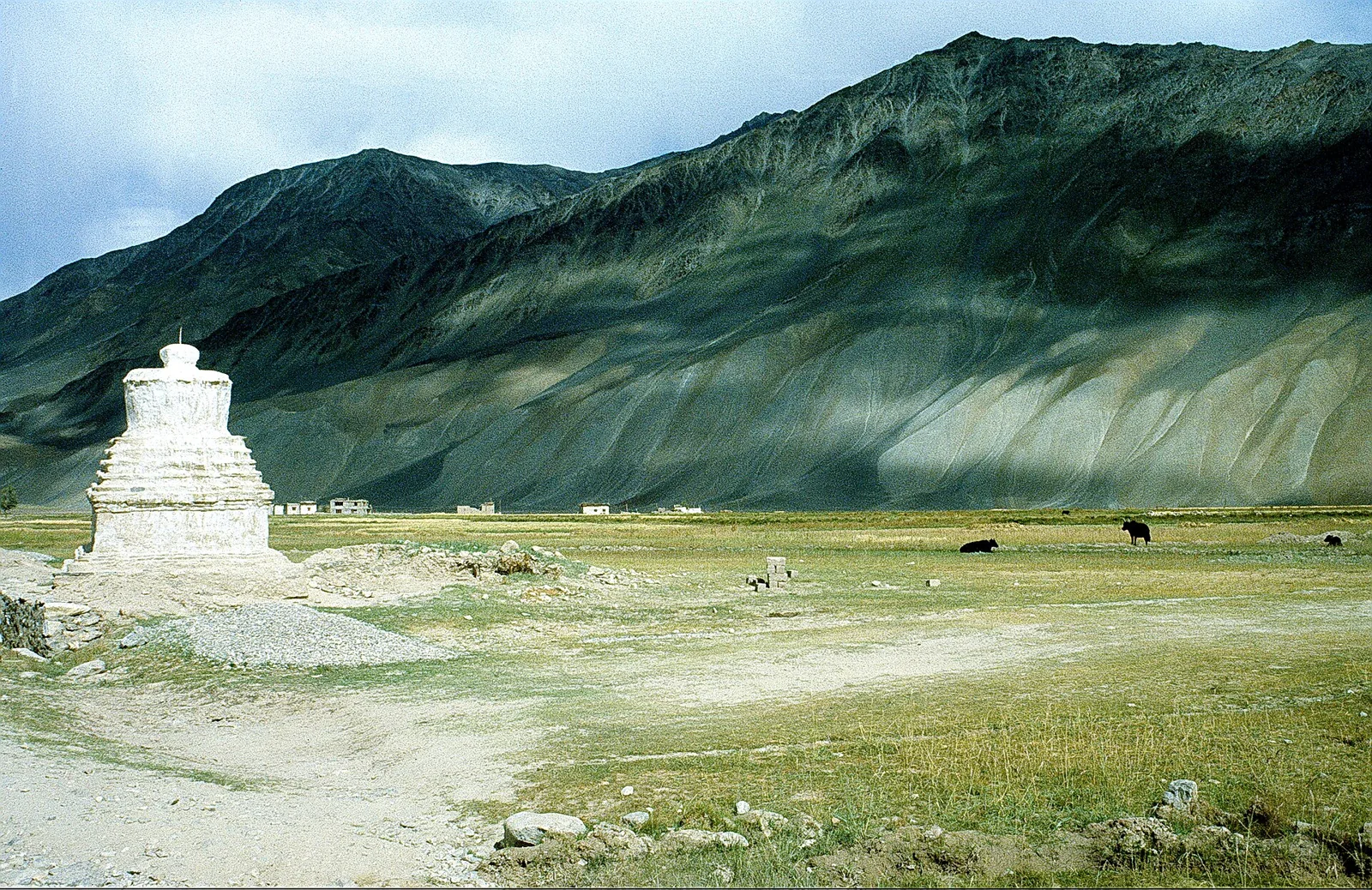
Padum takes its name from Padmasambhava, the Buddhist teacher revered across the Himalayan region. It was historically one of the two principal capitals of the Zanskar Kingdom, alongside Zangla. The old settlement grew below a monastery and the remains of a palace, with large chortens marking its traditional centre. Its position within the valley helped it serve as a meeting point for nearby villages and routes across the mountains.

Zanskar later became part of the wider political and administrative history of Ladakh. The region’s remoteness preserved distinctive religious and community traditions, while limited road access long shaped travel and trade. A road connection over Pensi La linked Padum with Kargil, and newer road development has improved links towards Himachal Pradesh and Leh. Today Padum is the administrative centre of Zanskar sub-division in Kargil district, Ladakh. In 2024, the creation of a separate Zanskar district was proposed, with Padum considered a likely headquarters; it was a proposal, not a completed administrative change.

Food, festivals & culture

Padum’s communities include people of Tibetan descent who largely follow Tibetan Buddhism, as well as a long-established Muslim population. Zanskari and Tibetan languages are heard alongside Ladakhi, Hindi and Urdu. Buddhist monasteries shape the town’s cultural landscape, while mosques serve Muslim residents. Visitors are welcome at many religious sites when they dress modestly, behave quietly and follow local guidance.

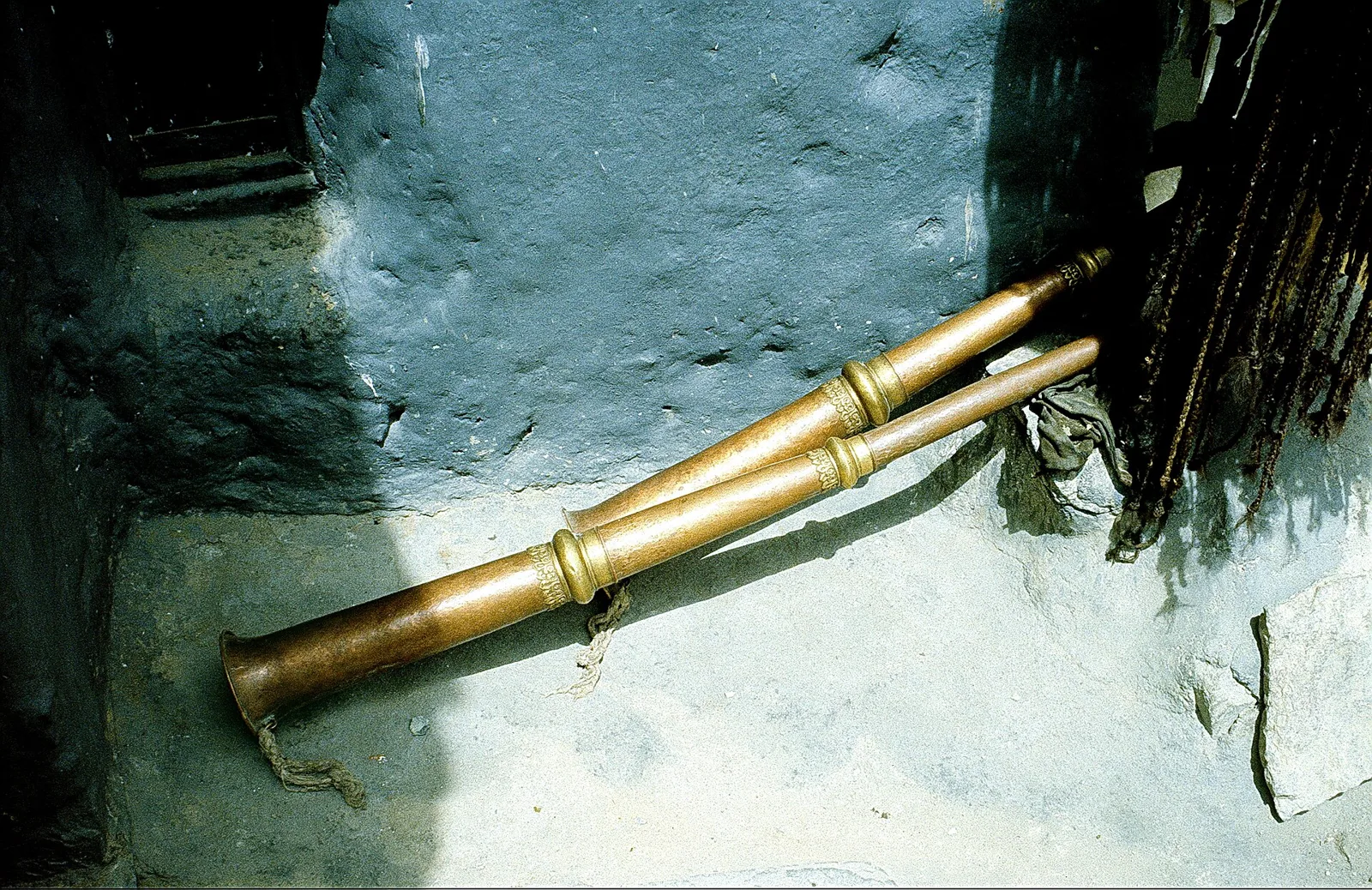
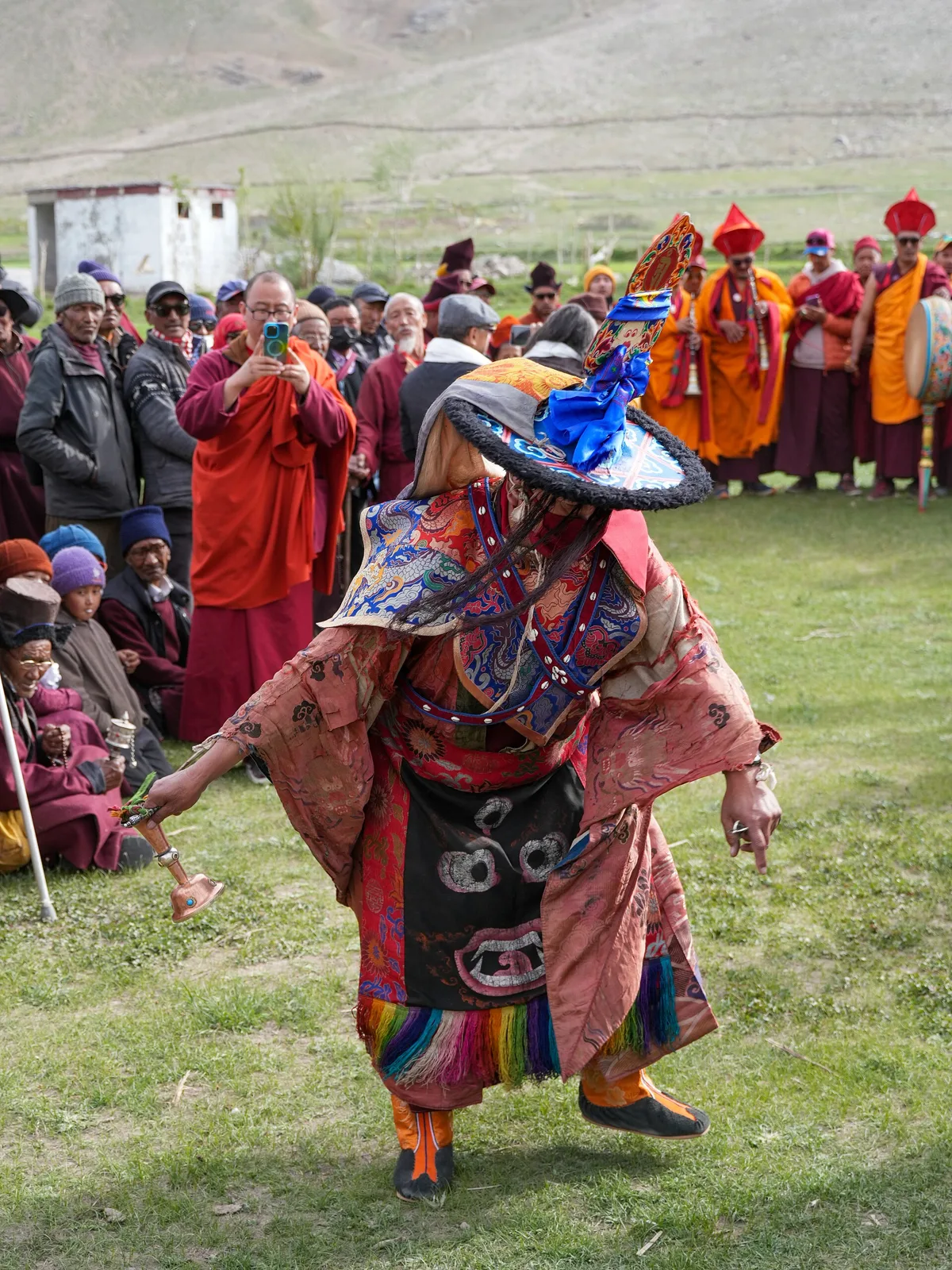
Meals reflect the wider Ladakhi and Tibetan highlands: visitors may find thukpa noodle soup, momos, skyu, and butter tea, though menus differ between homes and restaurants. Losar, the Tibetan New Year, is observed in winter, with customs varying by community. Monastery festivals, often held in warmer months, can include masked dances, music and ritual gatherings; dates vary by monastery and year. At Karsha and other nearby religious centres, festival days are important occasions for local worshippers as well as cultural visitors. Ask locally before planning around a celebration, and observe ceremonies without obstructing participants.

Visiting the city

Summer, broadly June to September, is generally the most practical season for visiting Padum, when mountain roads are more likely to be passable. Conditions can change quickly, and winter travel is especially demanding. The nearest airport is Kushok Bakula Rimpochee Airport in Leh; Jammu Tawi is the nearest main railway station. Padum is reached by road via Pensi La from Kargil, or by routes connecting towards Leh and Darcha, subject to seasonal conditions.

The central bazaar is useful for meals and basic supplies. Explore the old settlement below the gompa and palace ruins, then visit Bardan Monastery and nearby Pibiting. Karsha Monastery lies northeast of town and makes a rewarding excursion. Local taxis or arranged vehicles are practical for reaching sites outside the centre; confirm road conditions with local hosts before setting out.

Attractions

Places to visit in Padum

Sights within about 12 km of each other, even when they fall in different districts.

Short trips

Around Padum

Within about 40 km — easy half-day or day trips from the city.

Map

Padum on the map

  1. 1Padum
  2. 2Karsha Monastery
  3. 3Sani Monastery
  4. 4Stongdey Monastery
  5. 5Zanskar Valley
  6. 6Phugtal Monastery
  7. 7Zangla

Ladakh

Other cities to explore