
Ghumoopedia — Explore, Discover, Experience
Sign in
Kargil, near Kargil

City guide · Ladakh

Kargil

Kargil is a city in Ladakh and the union territory’s joint capital, as well as the administrative centre of its district. Travellers pass through it on journeys between Srinagar and Leh.

Famous for

  • Gateway to Suru Valley
  • Purig cultural heritage
  • Apricots and dried fruit
  • Central Asian trade history
  • Kargil War history
In the city
1
Nearby
2
Districts
Kargil, Sham

Why Kargil matters

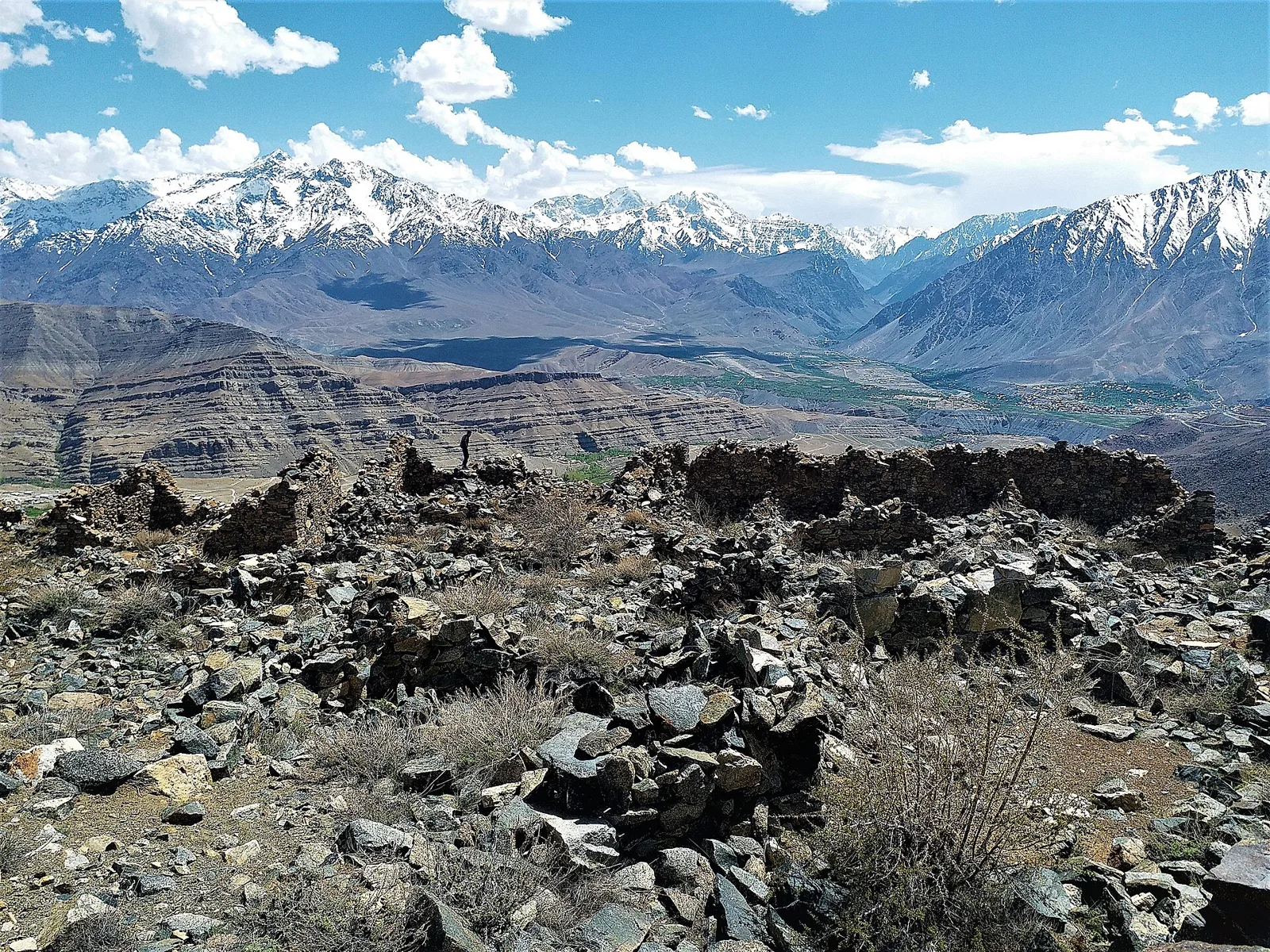
Kargil is an important administrative centre and one of Ladakh’s two joint capitals, as well as the headquarters of Kargil district. Set beside the Suru River, it occupies a strategic meeting point of routes linking the Kashmir Valley, Leh, the Suru region and Baltistan. The road east follows the Wakha Rong valley towards Leh; to the west, the route runs through Dras towards Srinagar. This crossroads has shaped the town’s history as a place of exchange and a natural base for journeys through the surrounding mountains.

Visitors come for Kargil’s layered Purig culture, its river-and-mountain setting and its history as a historic trade centre and a focal point of the 1999 Kargil War. The town also serves as a starting point for exploring the Suru Valley, including villages and high mountain scenery beyond the main highway. In town, the Munshi Aziz Bhat Museum offers a window on regional trade and material culture. Kargil is less a resort than a living regional hub, where markets, religious life and travel routes meet.
Famous for: crafts, trade & products

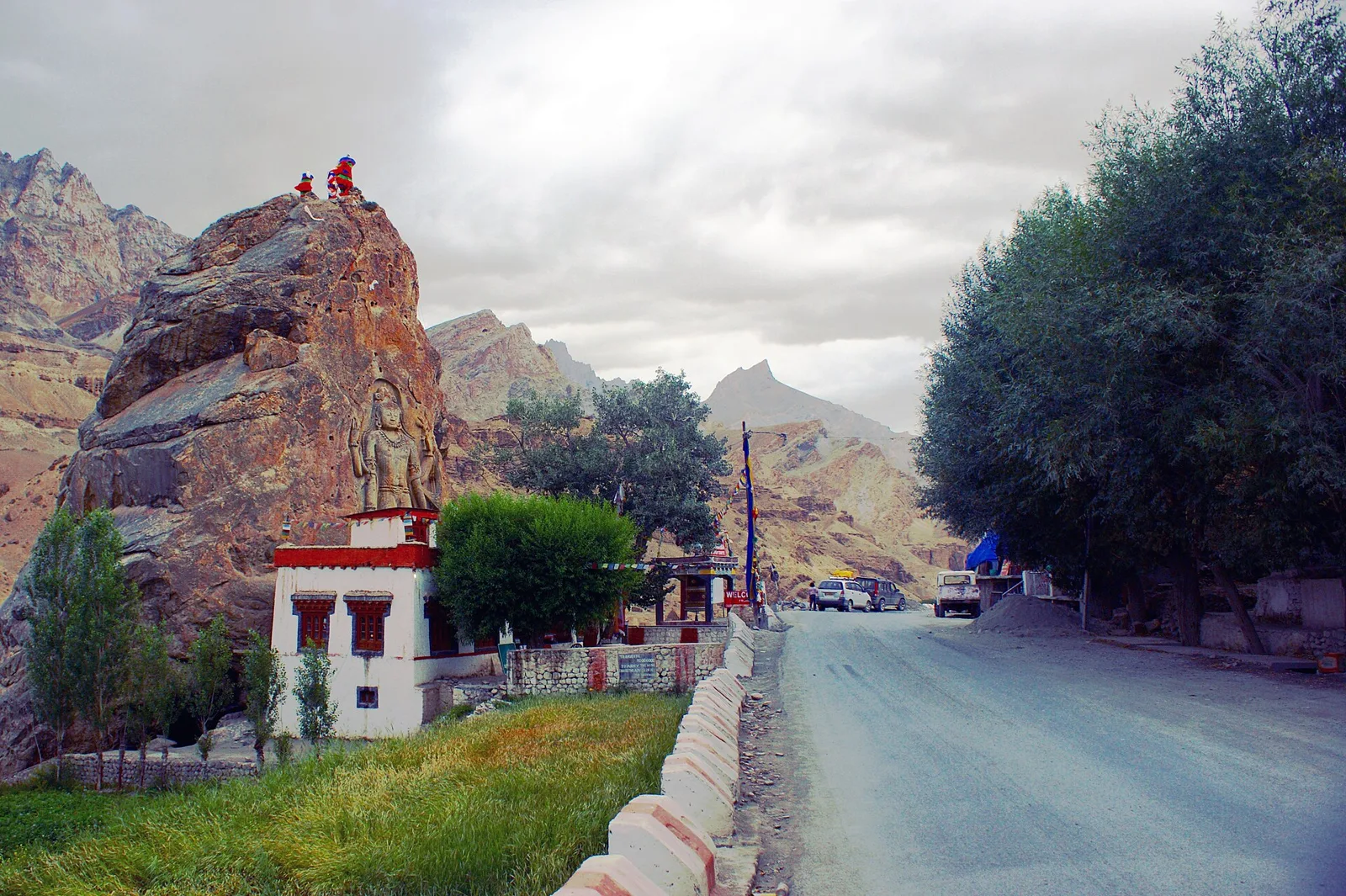
Kargil is not known for a major saree or textile industry. Its best-known local produce includes apricots, especially dried fruit, along with other seasonal fruit and nuts from the surrounding valleys. These can be found in Kargil Bazaar, where shops also stock everyday provisions and goods for travellers. Availability varies with the season, and locally made products may be sold alongside goods brought in from elsewhere.

Woollen clothing, woven items and carpets reflect craft traditions found across the region, though production is generally small-scale rather than a large export industry. Ask in the bazaar about locally made pieces and their place of origin. For a deeper look at the town’s trading past, visit the Munshi Aziz Bhat Museum of Central Asian and Kargil Trade Artifacts, which presents objects connected with historic commerce and daily life. Kargil does not have a single large craft market or a widely recognised city-specific GI product; the central bazaar is the most practical place to browse for regional foods and handicrafts.

History

Kargil’s position at the meeting of river valleys made it a useful stopping point on routes connecting Kashmir, Leh and Baltistan. By the early modern period, forts in the Sod Valley and at Pashkum helped control parts of the region. During the Dogra expansion into Ladakh in 1834, these forts were attacked; Dogra forces later established a fort and administrative post at Kargil. Local resistance followed, and control was reasserted in the campaigns of the 1840s. Under the princely state of Jammu and Kashmir, Kargil became a tehsil and an important frontier centre. In the colonial era, its bazaar, rest house and post and telegraph facilities served traders and travellers.

The 1947–48 war divided the former Ladakh region, and the 1971 Simla Agreement established the Line of Control in place of the earlier ceasefire line. In 1999, fighting on ridges overlooking the Srinagar–Leh road brought Kargil international attention. Today the town is a district headquarters and a joint capital of the Union Territory of Ladakh.

Food, festivals & culture

Kargil’s culture reflects the Purig region’s connections with Ladakh, Kashmir and Baltistan. Purigi is widely associated with local identity; Urdu is also commonly used, alongside languages such as Balti, Shina, Hindi and Ladakhi. Food is suited to a cold, high-altitude climate: visitors may encounter dishes such as skyu, thukpa and momos, as well as breads including khambir. Butter tea is part of the wider Himalayan food tradition, while apricots are enjoyed fresh in season or dried for later use.

Most residents are Shia Muslim, and mosques and imambaras are central to community life. Eid celebrations follow the Islamic lunar calendar, while Muharram is marked by solemn gatherings and processions. Losar, the Ladakhi New Year, is observed in winter by communities across the region, though customs vary. Purig folk songs and dances are performed at family and community occasions. Visitors should dress respectfully at places of worship and be considerate during religious observances; dates for lunar-calendar festivals change from year to year.

Visiting the city

The most comfortable period for a visit is generally late spring through early autumn, when the high mountain roads are more accessible; conditions can still change quickly. Winters are severe, and road access may be disrupted by snow. Kargil has no regular commercial airport or railway station. Srinagar International Airport is a common air gateway, while Jammu Tawi Railway Station is a principal railhead for onward travel by road. Check current road and flight conditions before setting out.

Kargil is compact enough to explore around the central bazaar on foot, with taxis useful for longer trips and nearby excursions. Spend time by the Suru River, browse the market and visit the Munshi Aziz Bhat Museum. The town is also a base for journeys into the Suru Valley and towards Dras; the Kargil War Memorial is in Dras, not in Kargil town. Allow time for altitude, acclimatisation and changing mountain weather.

Attractions

Places to visit in Kargil

Sights within about 12 km of each other, even when they fall in different districts.

Short trips

Around Kargil

Within about 40 km — easy half-day or day trips from the city.

Map

Kargil on the map

  1. 1Kargil
  2. 2Dha-Hanu (Aryan Valley)
  3. 3Mulbekh Monastery

Ladakh

Other cities to explore