Ghumoopedia — Explore, Discover, Experience
Sign in

Harvest · Odisha

Raja Parba

Coastal Odisha, especially Cuttack, Puri and Ganjam

Dates

Last verified 17 November 2026. Confirmed: announced by organisers or government. Provisional: from a published almanac, not yet announced. Seasonal: no date announced.

The complete guide

Raja Parba: everything to know before you go

Also known as
Raja / Mithuna Parba
Where
Odisha — celebrated statewide
When
June (three-day observance)
Duration
3 days typically
Who takes part
Agrarian and household communities; linked to womanhood rites
Type
Seasonal festival celebrating menstruation, fertility and agrarian cycles
Entry
Community participation; public events
Best for
Folk customs, seasonal rituals, family celebrations

Overview

Raja Parba is a distinct Odisha festival that celebrates menstruation, fertility and the impending monsoon. Observed over three days, it centers on the symbolic rest and rejuvenation of Mother Earth; unmarried girls dress in finery and participate in swings, folk games and social visits, while agricultural work is postponed. The festival blends social rites of passage with seasonal expectation, serving both as a communal pause before the planting season and as a celebration of feminine vitality.
Origins and legend

Raja’s roots are agrarian and ritual: communities historically marked the fertile pause before sowing with rites honoring the earth’s power to bear crops. Legends and folk narratives personify the earth as a woman whose cyclical rest is ritually observed. The festival’s association with female rites underlines social values around fertility and continuity.

How it is celebrated

Households decorate with kolam (floor designs), women and girls wear new clothes and jewellery, and community swings are set up in public spaces. Agricultural tasks are suspended, and people exchange sweets and visit neighbours. Traditional games, music and light feasting mark the days.

Food and flavours

Special seasonal snacks and sweets—rice-based confections and fried treats—are prepared. Households may serve cooling preparations to mark the pre-monsoon heat.

Music, dance, art and dress

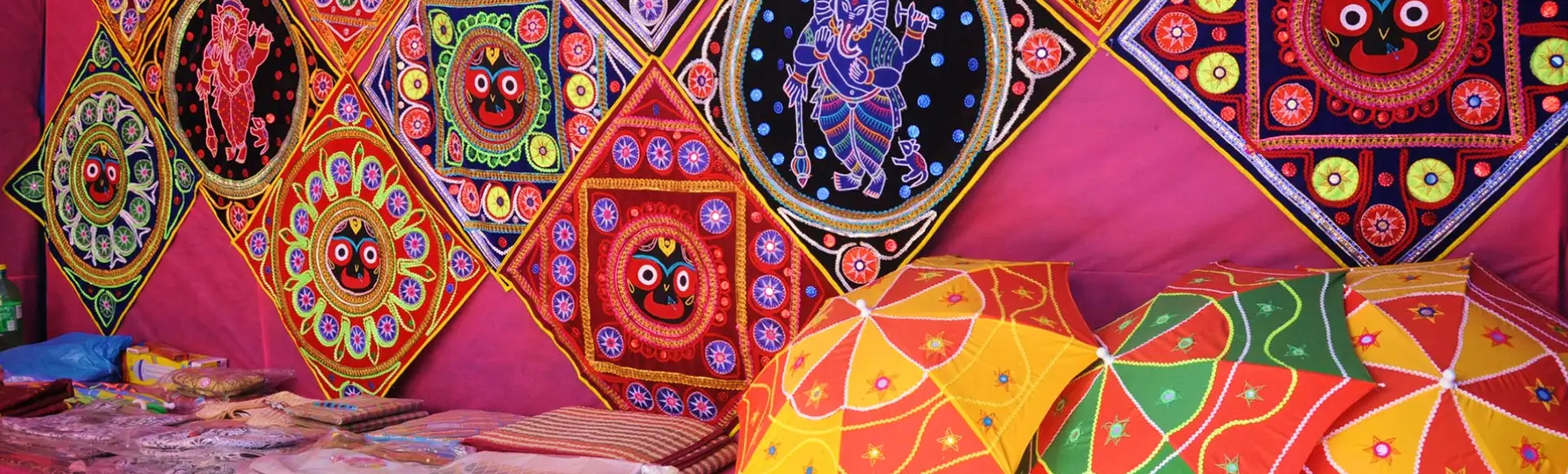
Folk songs and dance accompany swings and social gatherings. Handloom sarees and traditional jewellery are showcased; local craft stalls sell seasonal items tied to the festival.

Where to experience it

Raja is best experienced in small towns and villages across Odisha where communal swings and neighborhood festivities retain traditional forms. Urban observances continue but are often adapted to city life.

Visitor guide

  • Getting there: reach towns and villages across Odisha by road or rail.
  • Where to stay: local guesthouses or district hotels.
  • What to wear and pack: light cotton clothing; modest dress for visiting households.
  • Etiquette: respect local norms around gendered rites and photography; take invitations seriously.
  • Safety and comfort: the festival is low-risk; participate respectfully in public games and gatherings.

Today and tomorrow

Raja endures as a living seasonal observance that foregrounds feminine cycles in a positive communal register. Cultural programs and school activities increasingly interpret the festival for urban youth while preserving village customs.

Nearby

Places to see around the festival