

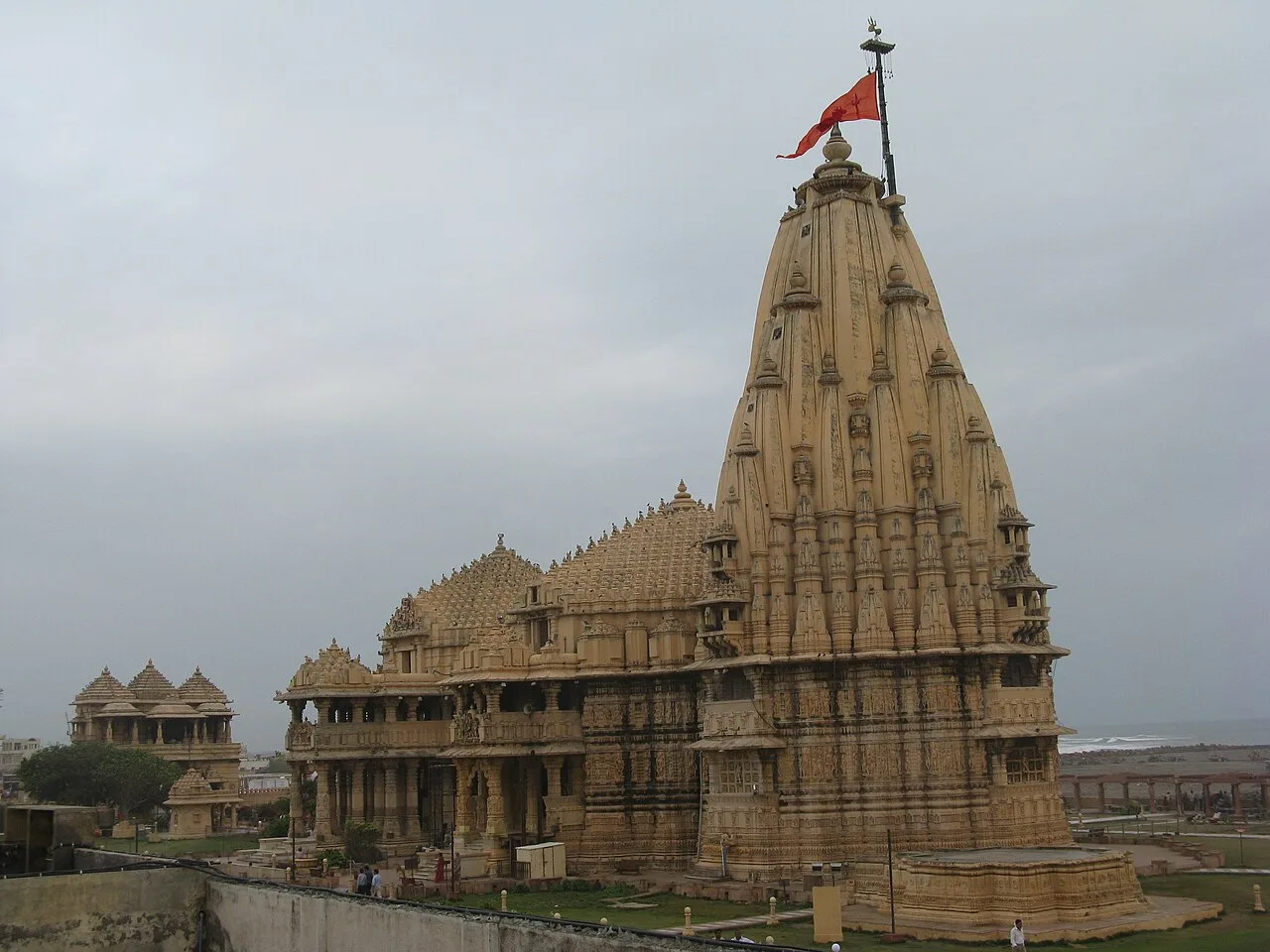

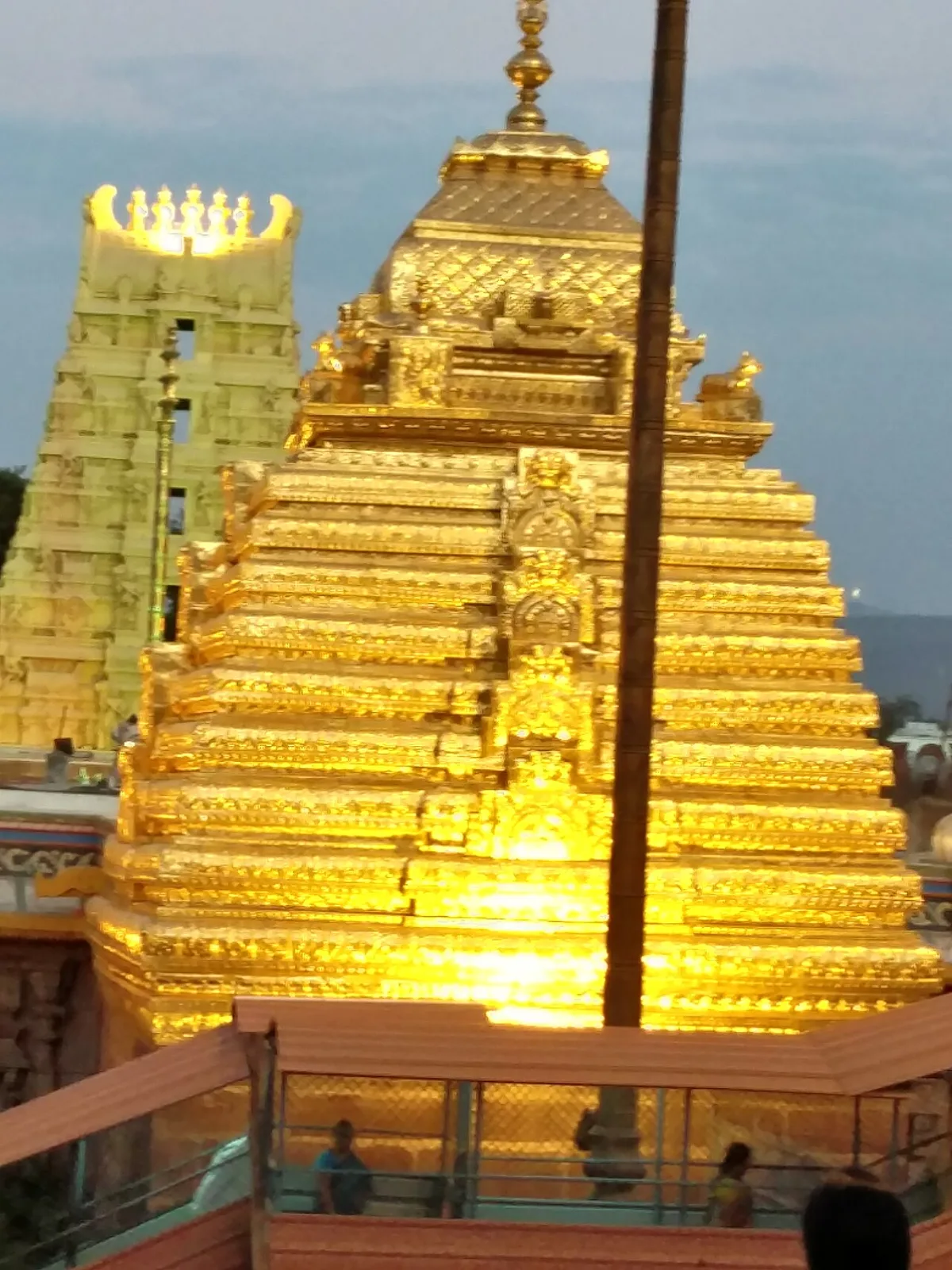
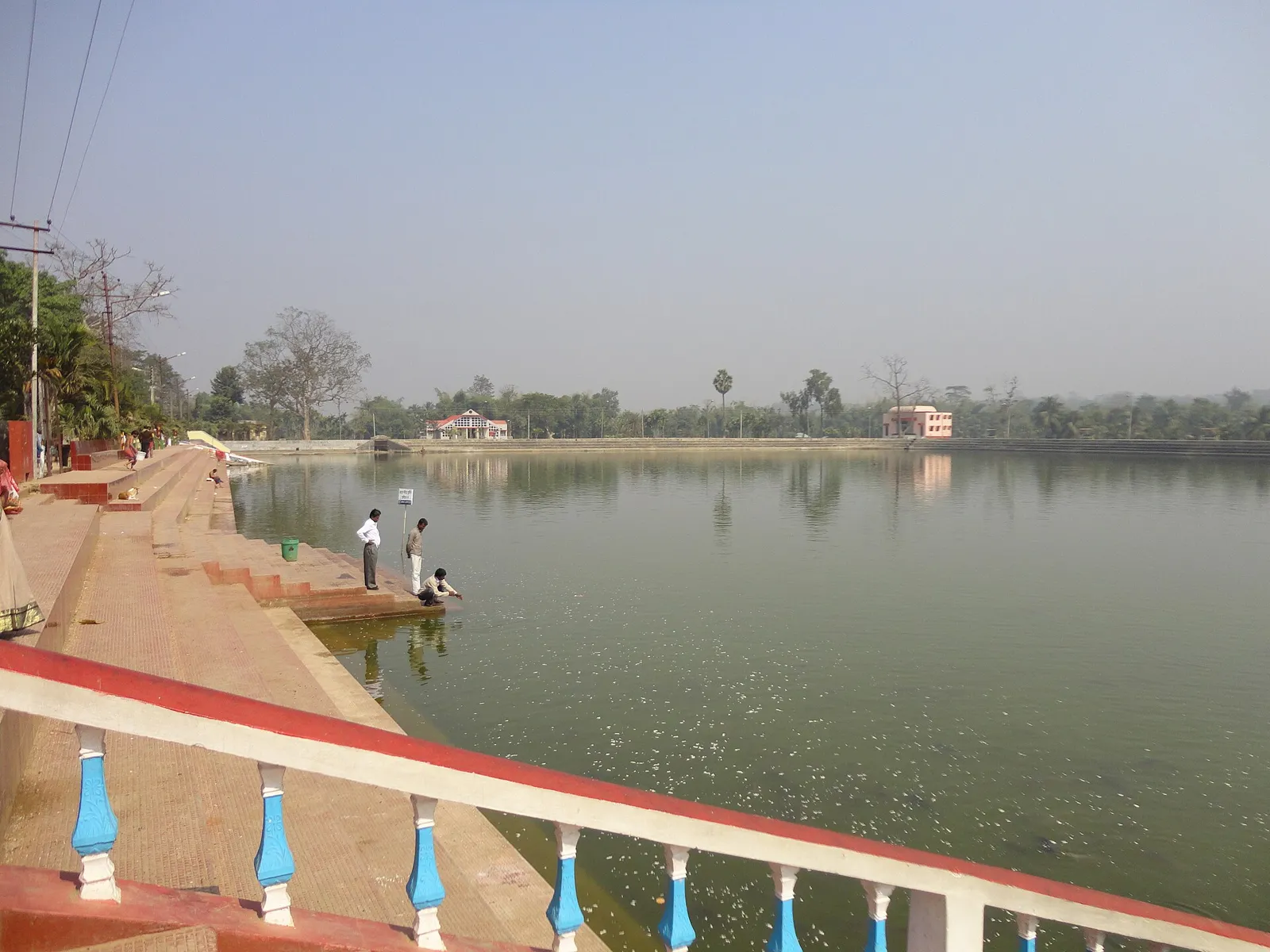
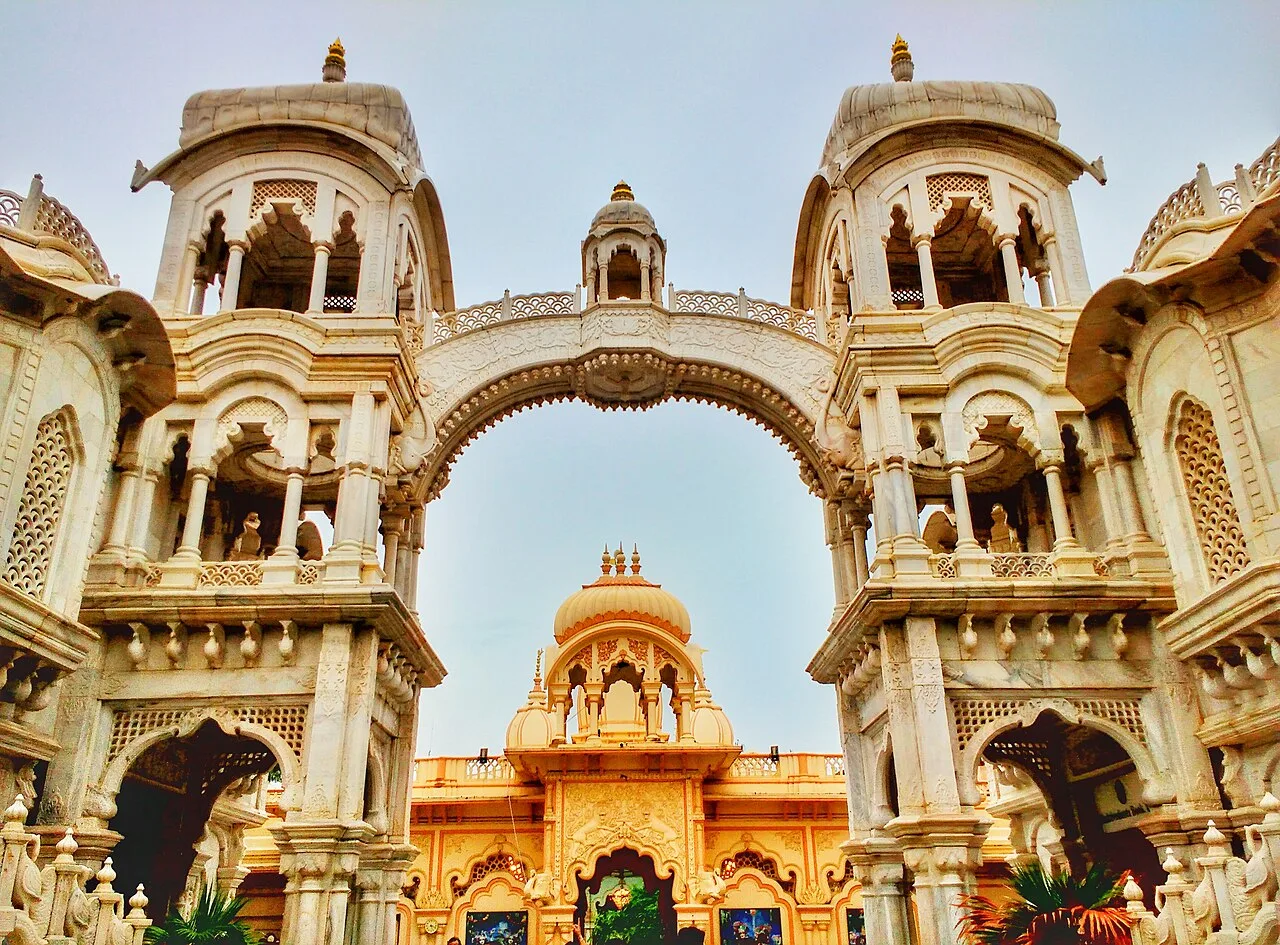
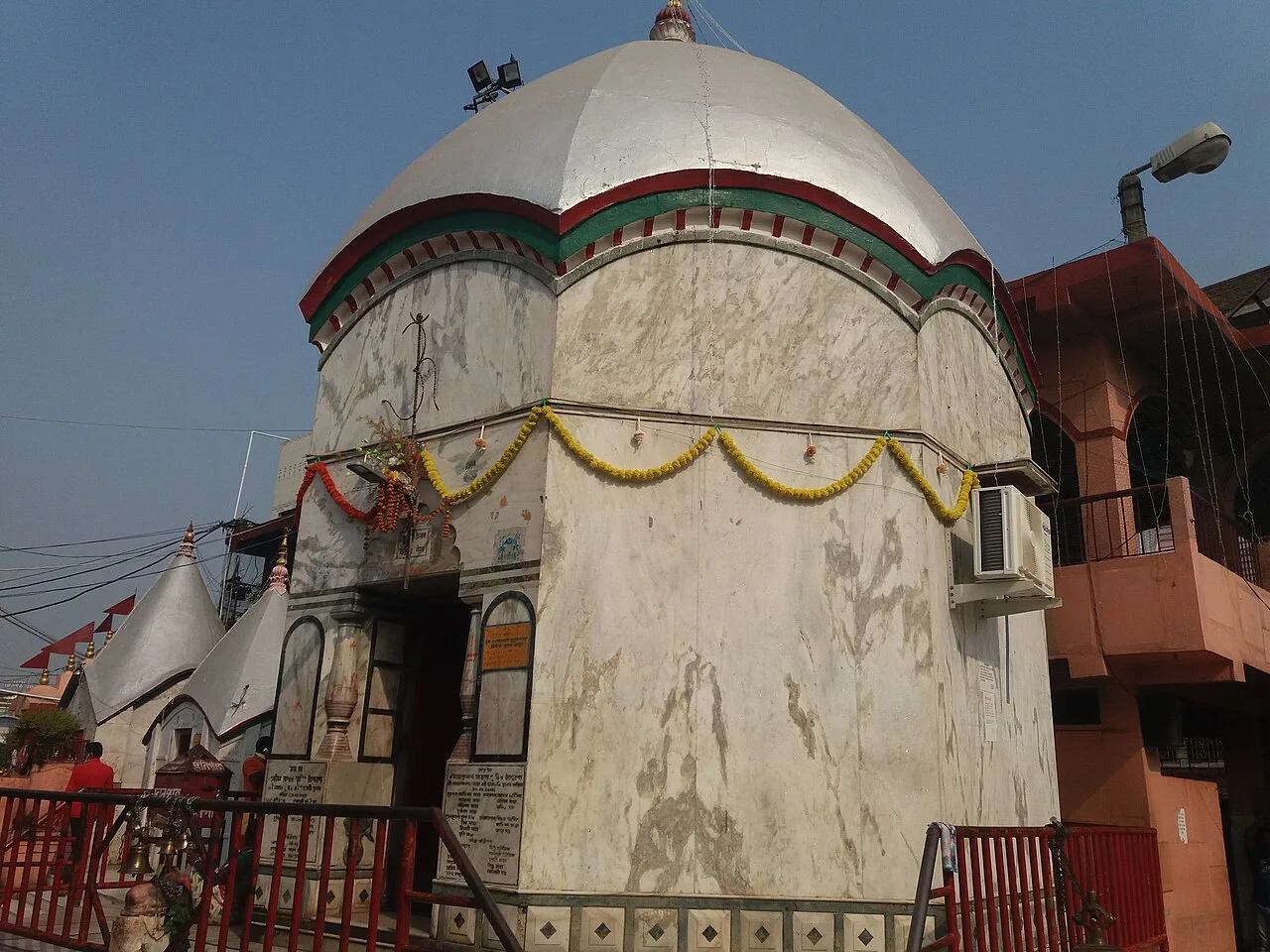
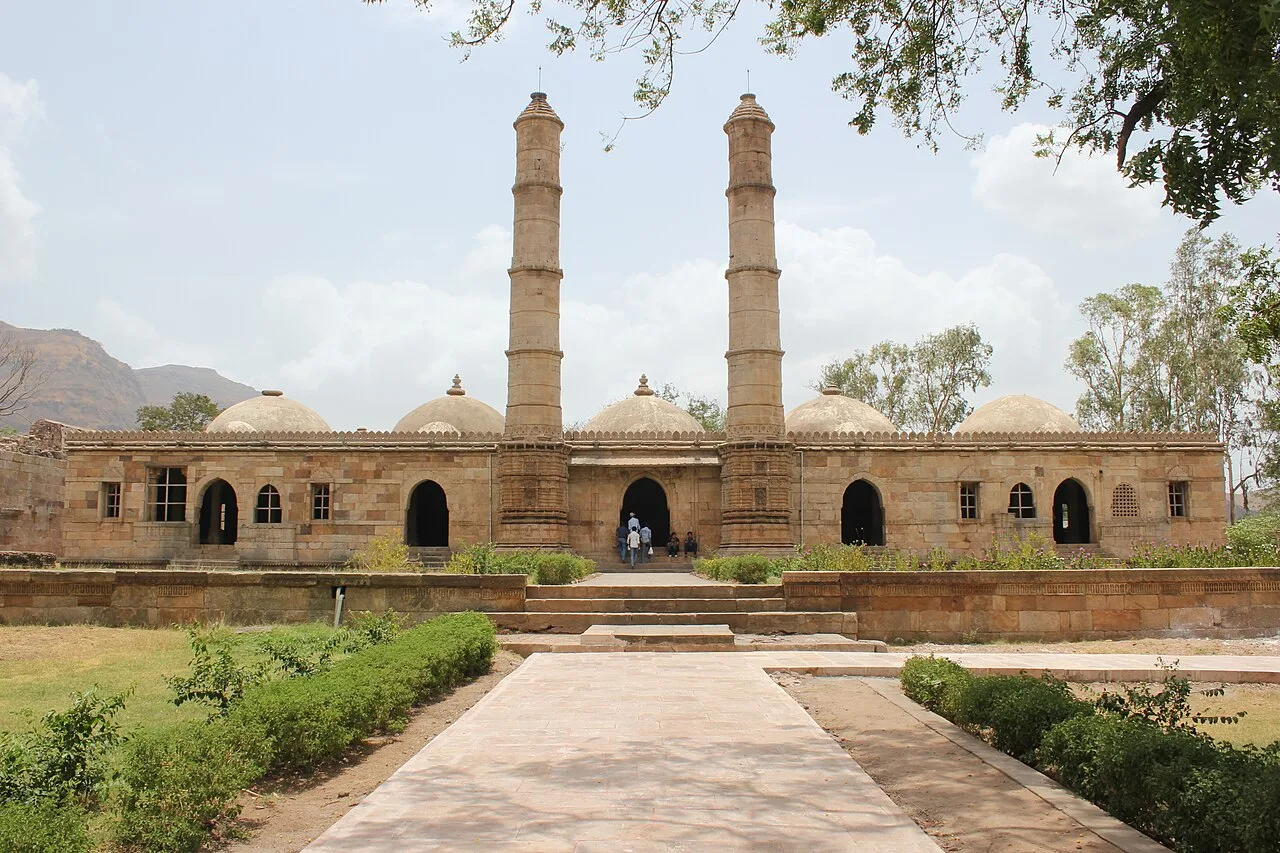
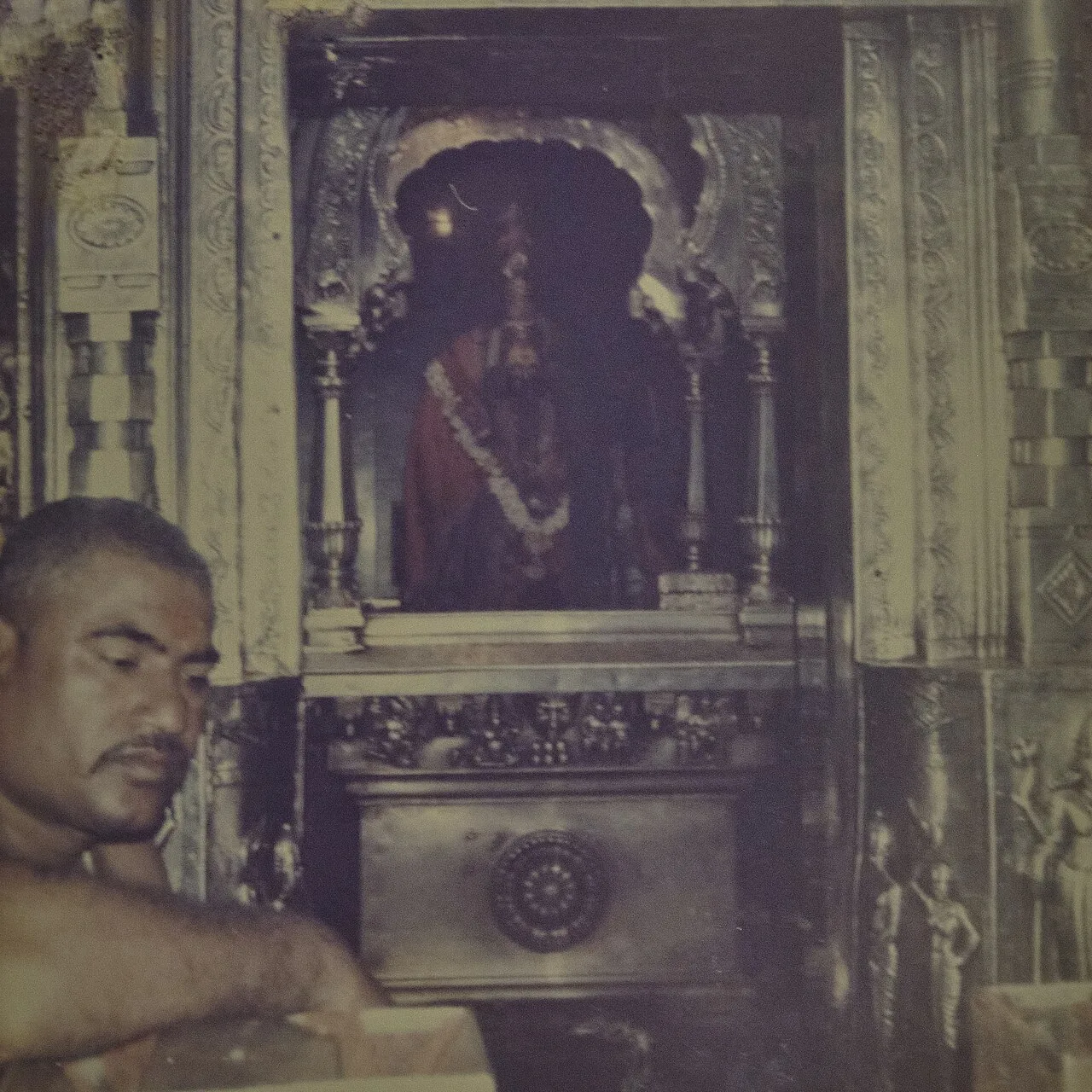

Origins & spiritual significance
Shakti Peethas are sacred sites associated with the story of Sati, Shiva and the birth of the goddess’s many forms. In a widely told account, Sati immolated herself after her father Daksha insulted Shiva at a sacrifice. Shiva carried her body in grief, and Vishnu used his discus to separate it; the places where parts or ornaments fell became sites of Shakti worship. Each Peetha is commonly paired with a goddess and a Bhairava, a form of Shiva who guards or accompanies her. The body-part associations are devotional symbols, not a single agreed map of the legend.
Lists differ among texts, regions and living traditions. Counts of 51, 52 and 108 are all encountered, and two traditions may identify different places or body parts for the same Peetha. The 69 sites presented here follow the Tantrachudamani list, rather than claiming to settle those differences. Some entries are also important temples in their own right, with local histories and practices that do not depend on a Peetha identification.
Devotees undertake the pilgrimage to honour the Goddess in her varied forms, seek protection, healing, fulfilment or spiritual insight, and experience the connection between Shakti and Shiva. A complete circuit can be a lifelong aspiration rather than one continuous trip. Visiting a single shrine, or a regional group, is also meaningful. Pilgrims are best served by approaching each temple through its local tradition and treating disputed identifications with respect.