Ghumoopedia — Explore, Discover, Experience
Sign in

Religious · Delhi

Ramlila & Dussehra, Delhi

Red Fort grounds, Ramlila Maidan and neighbourhoods across Delhi

Dates

Last verified 17 November 2026. Confirmed: announced by organisers or government. Provisional: from a published almanac, not yet announced. Seasonal: no date announced.

The complete guide

Ramlila & Dussehra, Delhi: everything to know before you go

Also known as
Ramlila; Dussehra; Dasara; Vijayadashami
State and district
Delhi (Union Territory); main venues include the Red Fort grounds and Ramlila Maidan, with performances in hundreds of neighbourhoods
When
September–October, with Ramlila performed over nine or ten nights ending on Dussehra, the tenth day of the bright half of Ashwin
Duration
About 10 days of Ramlila, with the burning of the effigies on the last evening
Faith and community
Hindu; people of all backgrounds attend
Type
Religious and cultural theatre festival
Entry
Free in most venues; some seated enclosures may be ticketed
Best for
The Ramayana in performance, effigy burning, fairs, street food, a lively neighbourhood festival atmosphere

Overview

Every autumn, Delhi turns into a city of open-air theatre. For ten nights, in parks, grounds and neighbourhood squares, actors perform the story of Rama from the epic Ramayana, the tale of a prince who goes into exile, loses his wife Sita to the demon king Ravana, and wins her back with the help of his brother Lakshmana and the monkey god Hanuman. These performances are called Ramlila, and they build to Dussehra, the tenth day, when huge effigies of Ravana, his brother Kumbhkarna and his son Meghnad are set alight in front of cheering crowds. The most famous performances are in the Red Fort grounds and Ramlila Maidan, but almost every neighbourhood has its own. Alongside the plays, fairs spring up with food stalls, toys, swings and shops. The festival mixes devotion with theatre and entertainment, and for many Delhi families, the Ramlila is a childhood tradition that they pass on to their own children.
Origins and legend

The story at the heart of Ramlila is the Ramayana, attributed to the sage Valmiki and retold in many languages, including the Hindi version by Tulsidas known as the Ramcharitmanas, which is the basis of most north Indian performances. It tells how Rama, the eldest son of King Dasharatha of Ayodhya, was sent into exile for fourteen years, with his wife Sita and brother Lakshmana, how Sita was abducted by Ravana, the ten-headed king of Lanka, and how Rama, with an army of monkeys and bears led by Hanuman, defeated Ravana and returned to Ayodhya. Dussehra, or Vijayadashami, celebrates Rama's victory over Ravana and the triumph of good over evil. In other parts of India, Dussehra also celebrates the goddess Durga's victory over the demon Mahishasura.

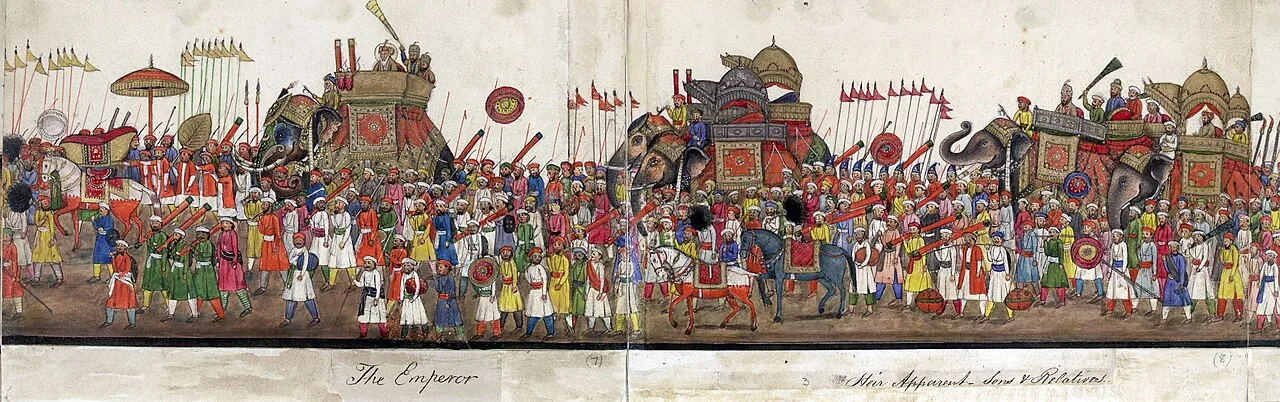
Ramlila as a theatre tradition is centuries old. The performance of the Ramayana across north India is said to have grown around the time of Tulsidas in the sixteenth century, and in 2008, UNESCO inscribed Ramlila on its list of the Intangible Cultural Heritage of Humanity. In Delhi, tradition holds that the Ramlila at the Red Fort and the grounds known as Ramlila Maidan have roots going back to the Mughal period, with some accounts linking it to the era of the later Mughal rulers, though the details are debated. Over time, committees of residents and traders organised performances in their neighbourhoods, and the practice spread across the city. Today there are hundreds of Ramlila committees, each with its own style, and the event remains one of the great shared traditions of the capital.

How it is celebrated

Ramlila begins on the first night of the Navratri period, and each evening a different episode is performed on an open stage, such as Rama's birth, his marriage to Sita, his exile, Sita's abduction, the search for her, Hanuman's journey to Lanka, the great battle and the return. Performers, often amateurs from the neighbourhood and sometimes professionals, wear crowns, bows and elaborate costumes, and speak and sing verses from the epic. The audience, seated on the ground and in tiered seating, responds with devotion and applause, and many offer prayers at key moments. On the final day, Dussehra, tall effigies of Ravana, Kumbhkarna and Meghnad, packed with firecrackers, are set on fire by an actor playing Rama who shoots a flaming arrow. The crowd roars as the figures burn and fall. After this, families return home, often with sweets, and many exchange greetings.

The cultural days

The cultural side of Ramlila is both theatre and fair. Each performance mixes recitation, singing, dance and drama, and some Ramlilas include elaborate stage sets, music and lighting. Some neighbourhood groups give the story a distinctive local flavour, with humour and topical references, while others follow traditional forms closely. Famous committees, such as those at the Red Fort and Ramlila Maidan, sometimes invite well-known artists to play roles, and special days, such as the wedding of Rama and Sita and the Bharat Milap (the reunion of Rama and Bharata), draw extra crowds. Around the grounds, a mela with food stalls, toy shops, swings and rides runs every evening. In the days before Dussehra, craftsmen in places such as Tatarpur in West Delhi, which is known for effigy making, build giant figures of bamboo and paper. Schools and cultural groups also hold Ramlila-themed events.

The devotional days

Ramlila is not a pilgrimage, but its performances have a strong devotional side. The first night often begins with an aarti to Rama, Sita, Lakshmana and Hanuman, and key scenes, such as Rama's birth, his wedding, his coronation and Hanuman's devotion, are marked by prayers, with the audience joining in the chanting. The nine nights coincide with Navratri, when many Hindus fast and worship the goddess Durga, so many people attend temples during the day and the Ramlila in the evening. The tenth day, Vijayadashami, is considered auspicious for new beginnings, and many people start new ventures, worship tools and vehicles, or visit temples. Some perform rituals for ancestors. The devotional mood is part of the experience, even in a crowded fair.

Food and flavours

The Ramlila grounds are among the best places in the city for street food. Stalls serve chole bhature, aloo tikki, golgappe, papdi chaat, dahi bhalle and kachori, along with jalebi, rabri, kulfi and kheer. Roasted corn on the cob, peanuts and sweet potato appear as the weather cools, and cold drinks and sugarcane juice are popular during the warm evenings. During Navratri, many families fast and eat kuttu (buckwheat) puri, sabudana khichdi, singhare ke atte ki pakori and fruit, and the stalls at the fair offer special fasting food. After Dussehra, many households eat sweets such as laddoo and barfi, and some families serve jalebi and fafda. Prices at the fair are higher than elsewhere, and queues can be long. It is wise to choose busy stalls, drink bottled water and carry cash, though many stalls now accept digital payments.

Music, dance, art and dress

The music of Ramlila is the music of storytelling. Singers recite verses from the Ramcharitmanas, and the audience often joins in the refrains. Instruments include the harmonium, dholak, tabla, cymbals and, in some performances, the dhol and brass bands. Between scenes, devotional songs and bhajans are sung, and special days feature Hindustani classical or folk music. At Dussehra, the crackle of firecrackers and the roar of the crowd mark the burning of Ravana.

The visual art is dramatic: stage sets of palaces, forests and the city of Lanka, painted backdrops, and elaborate costumes with crowns, masks and jewellery. Characters are recognisable by their colours: Rama in blue or green, Sita in yellow or pink, Hanuman in red with a tail and a mace, and Ravana in black with ten heads. The giant effigies, some taller than a ten-storey building, are works of craft. Spectators wear festive clothes, often in bright colours, and children often dress as Rama or Hanuman.

Where to experience it

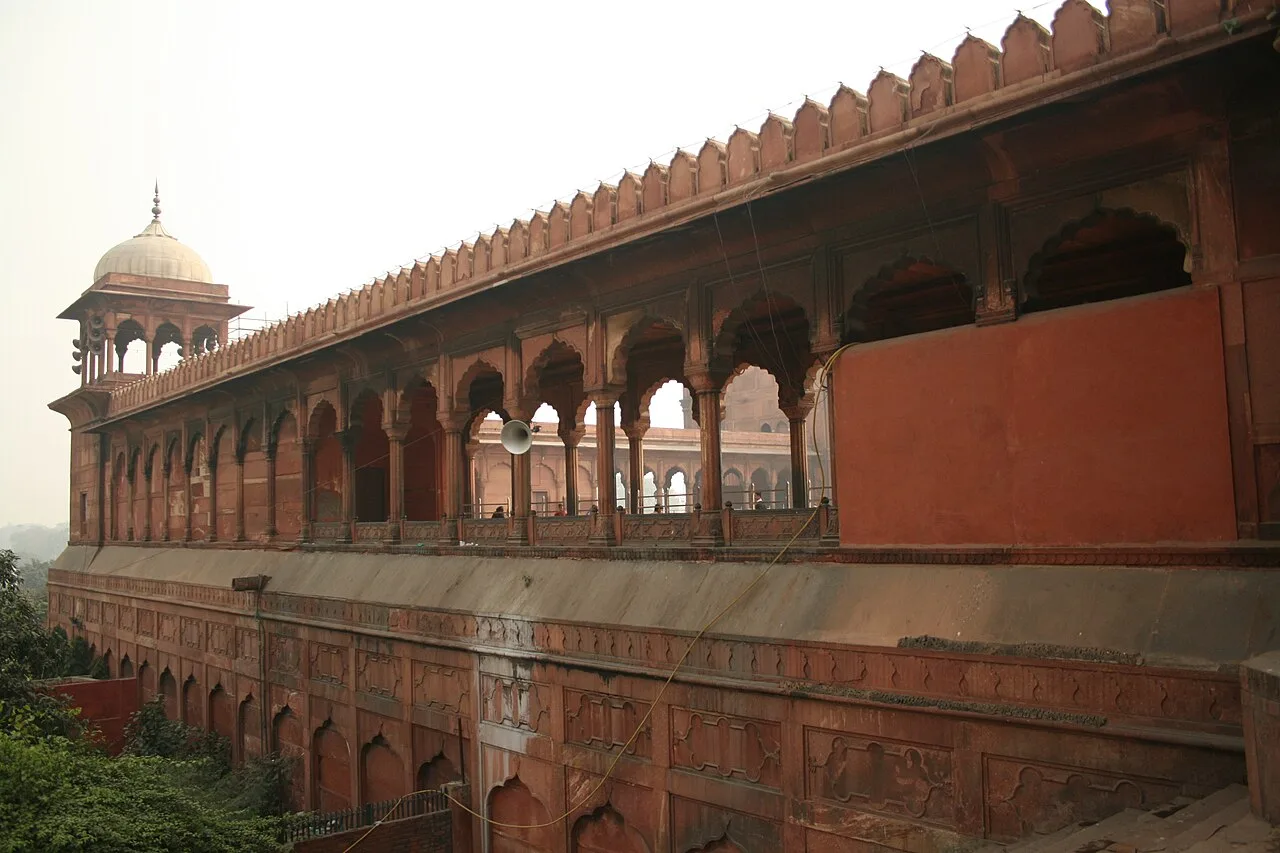
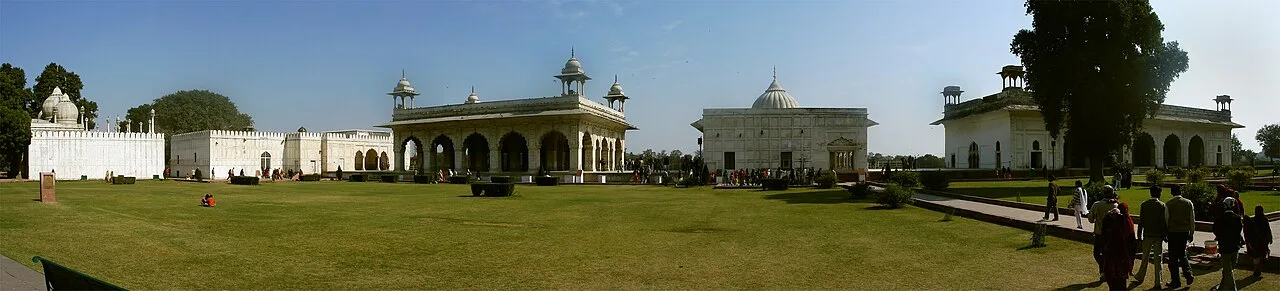
The best-known venues are the Red Fort grounds, including the Madhavdas Park and Lal Qila Maidan, where large committees stage grand Ramlilas that draw crowds and dignitaries, and the Ramlila Maidan near Turkman Gate, a vast open ground. In recent years, the Dussehra celebrations at the Red Fort have been among the biggest in the country. Other well-known performances are held at locations such as Subhash Maidan in Chandni Chowk, Dwarka, Lajpat Nagar, Rohini and Paschim Vihar. Each neighbourhood has its own committee, and many smaller performances are warm, intimate and free. Tatarpur, in West Delhi, is a good place to see the effigies being made in the days before Dussehra. Visitors should check the schedules of major Ramlilas, as timings and seating arrangements vary.

Visitor guide

  • Getting there. The Red Fort and Ramlila Maidan are in Old Delhi, close to Chandni Chowk and Delhi Gate Metro stations on the Yellow and Violet lines. Roads are closed around major venues on Dussehra evening, so the Metro is the best option.
  • Where to stay. Delhi has hotels in all price ranges. Staying near Connaught Place, Paharganj or Old Delhi puts you within reach of the main venues.
  • What to wear and pack. September and October evenings are warm and sometimes humid. Wear light cotton clothes and comfortable shoes, and carry a bottle of water. A small cushion or mat is useful if you plan to sit on the ground.
  • Etiquette. Remove shoes if asked at temples or the stage area, avoid blocking others' view, and keep a respectful silence during prayers. Ask before photographing performers up close.
  • Safety and comfort. Crowds are very dense at the effigy burning, so keep valuables secure and watch children. Stay well back from the burning effigies, as firecrackers can fly. Air quality can be poor at this time of year, so some visitors may prefer to wear a mask.

Today and tomorrow

Ramlila remains a living tradition in Delhi, but it faces the pressures of a growing and changing city. Neighbourhood committees must compete for space, funds and audiences, and television and online entertainment have changed viewing habits. At the same time, many committees have adopted new technology, such as better sound and lighting, while keeping the traditional spirit. There are growing concerns about air pollution from fireworks and effigy burning, and some committees have shifted to smaller effigies, green crackers or symbolic burning. The tradition's recognition by UNESCO has also encouraged efforts to document it and to train young performers.

Nearby

Places to see around the festival