
Ghumoopedia — Explore, Discover, Experience
Sign in

Sacred circuits › Famous Murugan temples

Temples by deity

Famous Murugan temples in India

Some of the best-known shrines across the country. Tap a pin or a name to open its guide.

  1. 1
    Palani Murugan Temple

    Palani, Tamil Nadu

    Full guide on Ghumoopedia

  2. 2
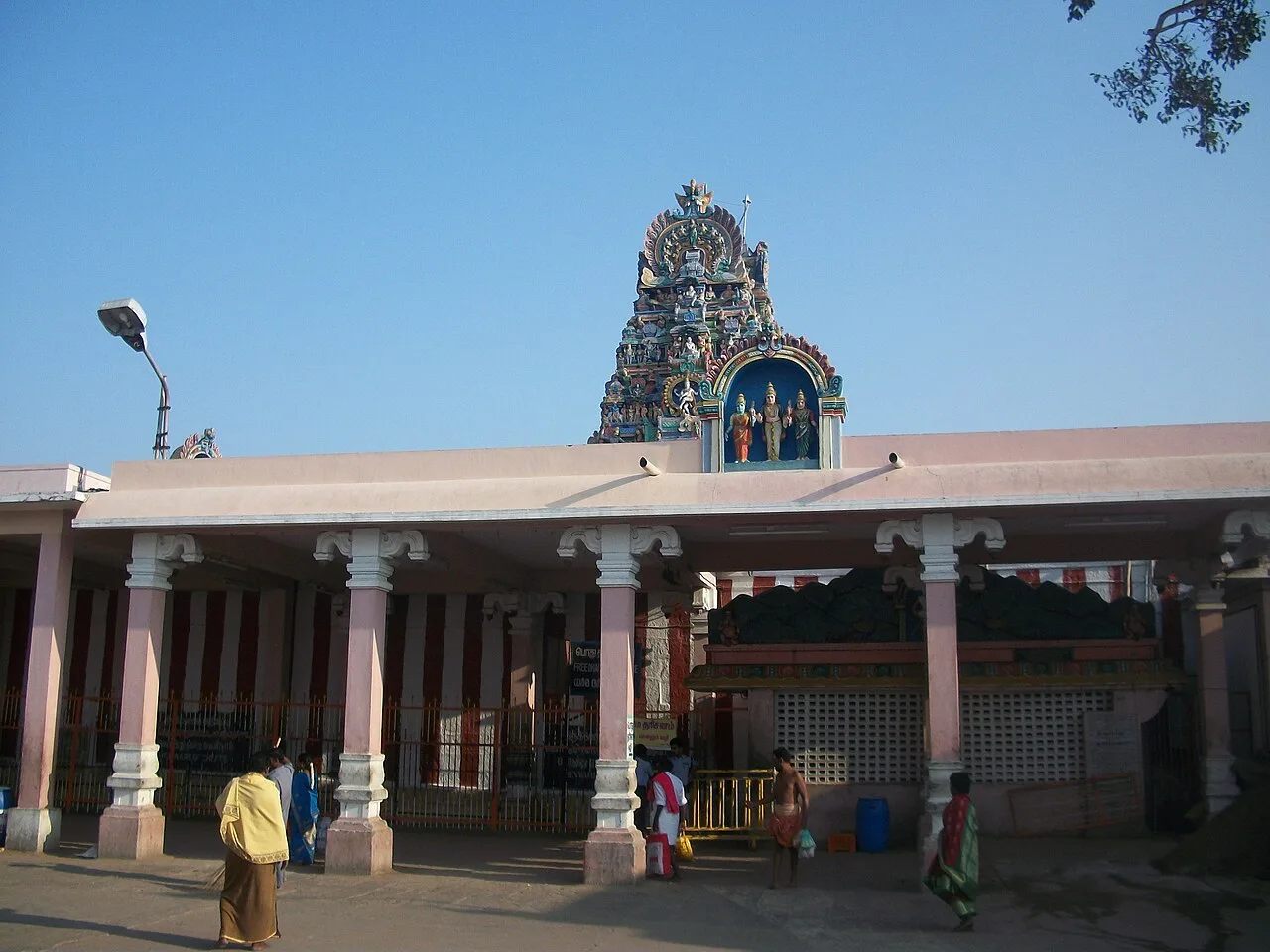
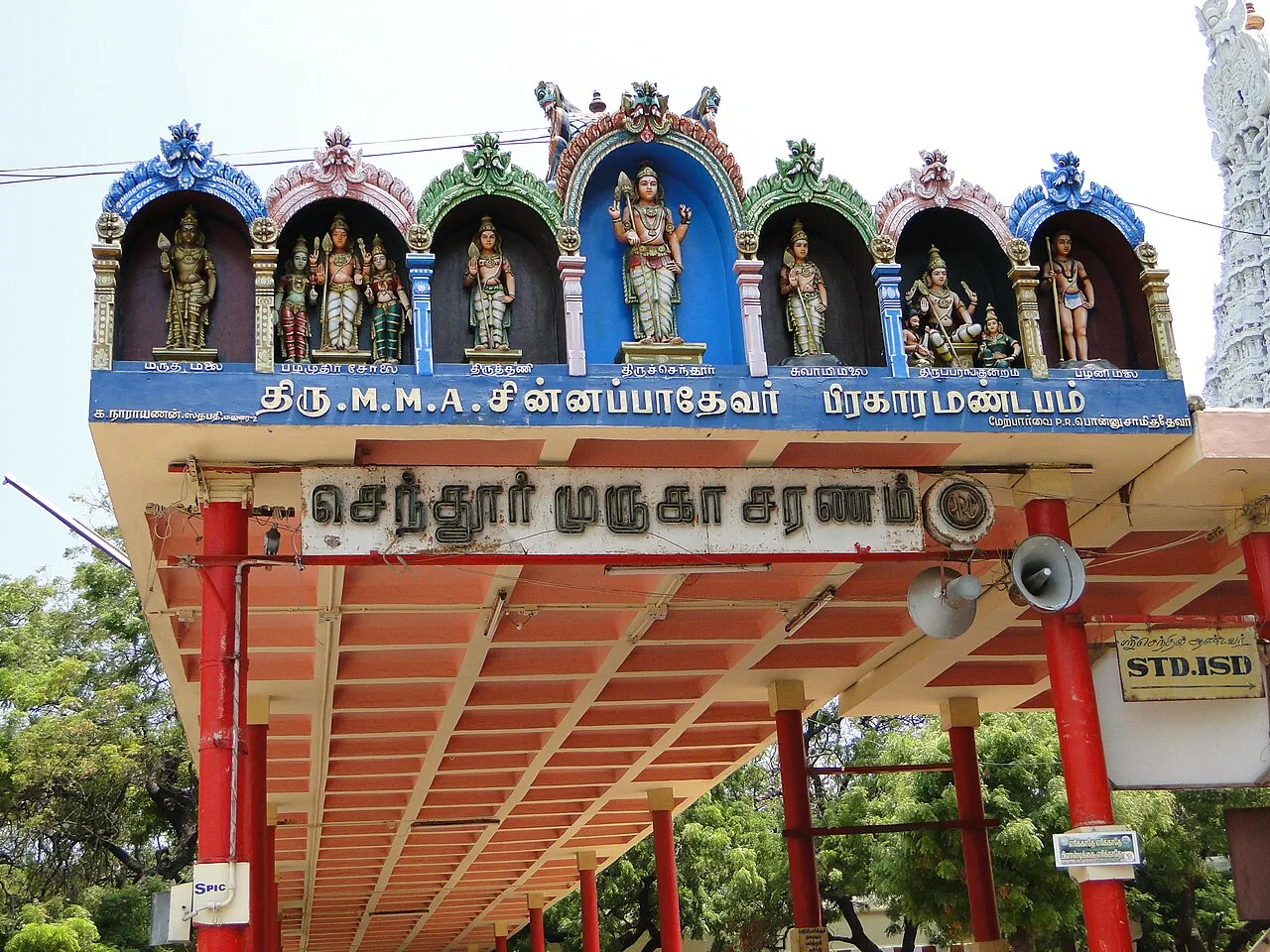
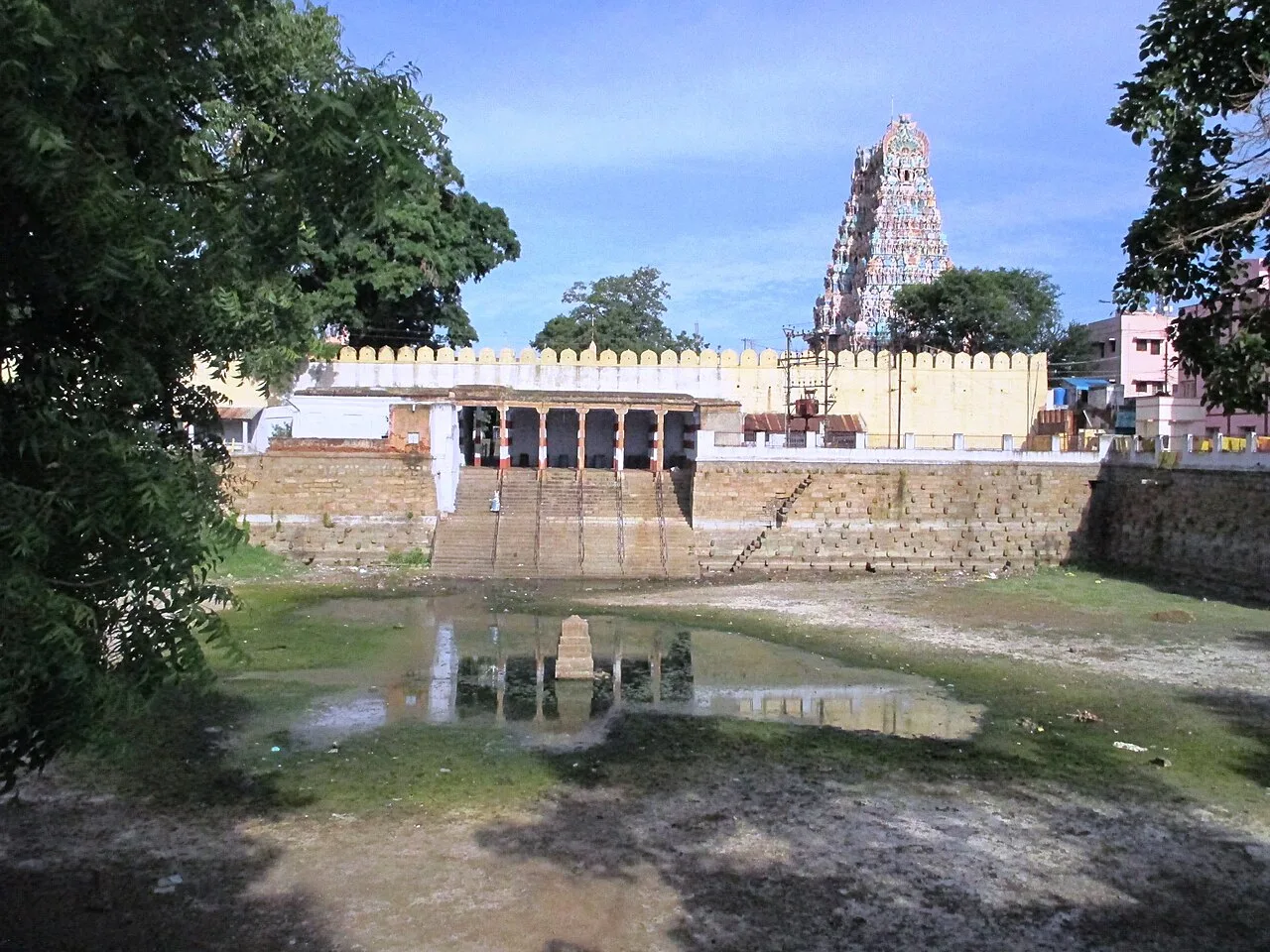
    Tiruchendur Murugan Temple

    Tiruchendur, Tamil Nadu

    Full guide on Ghumoopedia

  3. 3
    Swamimalai Murugan Temple

    Swamimalai, Tamil Nadu

    Guide coming soon

  4. 4
    Tiruttani Murugan Temple

    Tiruttani, Tamil Nadu

    Guide coming soon

  5. 5
    Thiruparankundram Murugan Temple

    Thiruparankundram, Tamil Nadu

    Full guide on Ghumoopedia

  6. 6
    Kukke Subramanya Temple

    Subramanya, Karnataka

    Full guide on Ghumoopedia

  7. 7
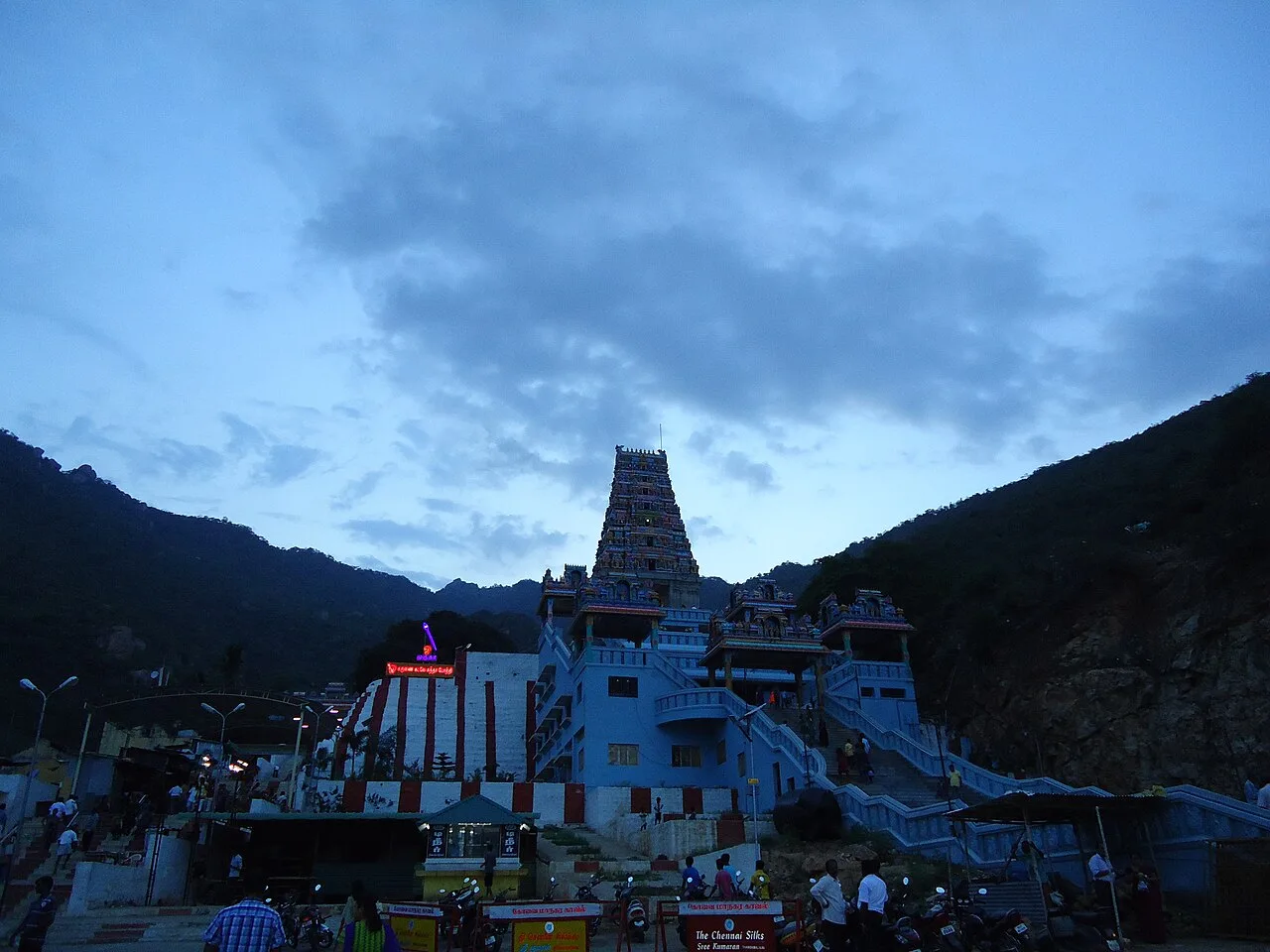
    Marudhamalai Murugan Temple

    Coimbatore, Tamil Nadu

    Full guide on Ghumoopedia

The complete guide

Famous Murugan temples in India: a pilgrim's guide

The deity & the traditions of worship

Murugan, also known as Skanda, Subrahmanya, Kandan and Kartikeya, is revered as a youthful warrior, teacher and compassionate protector. Tamil devotional traditions give him a particularly prominent place: hymns and stories celebrate his courage, wisdom and closeness to devotees. The Tirumurukāṟṟuppaṭai, an early Tamil devotional work, praises Murugan and sacred places associated with him; later Tamil literature, including the Kanda Puranam, elaborates his legends. The six celebrated abodes known as the Arupadai Veedu are central to pilgrimage, although this directory includes only five of those six and also features two other important Subrahmanya shrines.

Stories help explain why pilgrims visit. At Palani, Murugan is said to have withdrawn to the hill after a dispute over a divine fruit, choosing wisdom and renunciation over possession. At Tiruchendur he celebrates victory over the asura Surapadman; at Swamimalai, tradition says he taught the meaning of the sacred Pranava to Shiva. Tiruttani is associated with peace after battle, while Thiruparankundram commemorates his marriage to Deivanai. Kukke Subramanya is closely connected with serpent worship and protection, and Marudhamalai is a much-loved hill shrine. Devotees undertake these journeys to pray for health, family welfare, learning, courage and relief from difficulties, as well as to fulfil vows. The pilgrimage can be a single temple visit or a longer journey linking several shrines; it is a religious observance, not a requirement to complete a fixed circuit.

How the temples are spread across India

The shrines are concentrated in southern India, but they lie in distinct travel regions. Five are in Tamil Nadu: Palani in the western interior, Marudhamalai near Coimbatore, Swamimalai near Kumbakonam, Thiruparankundram beside Madurai, and Tiruchendur on the Gulf of Mannar coast. Tiruttani lies in northern Tamil Nadu, within reach of Chennai and the Andhra Pradesh border. Kukke Subramanya is in Karnataka’s Western Ghats, in Dakshina Kannada district. Distances between some Tamil Nadu shrines are substantial, so a map-based plan is more practical than treating them as neighbouring stops.

Travellers can group the western Tamil Nadu shrines, Palani and Marudhamalai, with a Coimbatore base or an onward journey towards Madurai. Thiruparankundram and Tiruchendur make a southern Tamil Nadu pairing, with Madurai a useful transport base for the former and a stop en route to the coast for the latter. Swamimalai can be combined with a visit to the Kumbakonam region, while Tiruttani is most conveniently planned from the Chennai side. Kukke is a separate Western Ghats excursion, commonly approached from Mangaluru or other regional transport hubs; hill roads and onward connections need checking. For a complete multi-state itinerary, allow several travel days and confirm current road, rail and local transport connections before departure.

Great temples to know

Palani Murugan Temple crowns a hill above Palani town and is among the most important Murugan pilgrimage centres. In the familiar fruit-of-wisdom legend, Murugan came to the hill after deciding that the fruit should go to his brother Ganesha, whose wisdom had won the contest. The principal deity, Dandayudhapani, is depicted as an ascetic holding a staff. Pilgrims can reach the hill by steps or use available assisted access, subject to current arrangements. The hilltop setting and the town’s busy devotional streets are part of the experience.

Tiruchendur Murugan Temple stands close to the sea and is famed as the place where Murugan defeated Surapadman. Its coastal setting distinguishes it from the other shrines in this group. Visitors encounter a large temple complex, ritual spaces and the shoreline nearby; conditions at the beach and access to particular areas can vary. Swamimalai, near Kumbakonam, is associated with Murugan teaching the Pranava mantra to Shiva. The temple rises on a small hill reached by steps, traditionally described as sixty, and its layered approach gives the visit a distinctive sense of ascent. Tiruttani is another hill temple, linked in tradition with Murugan’s repose and peace after conflict. Its steps are traditionally counted as 365, while road access may also be available; check current arrangements. The shrine and hill views make it a popular visit from northern Tamil Nadu.

Thiruparankundram, near Madurai, is associated with Murugan’s marriage to Deivanai after his victory over Surapadman. The temple is notable for its rock-cut setting and long history of worship, with sacred spaces that bring together several deities. Kukke Subramanya, in Karnataka’s forested Western Ghats, is especially revered for Subrahmanya’s connection with Vasuki and serpent worship. The temple draws devotees seeking blessings and relief from serpent-related concerns; its rituals and customary offerings should be confirmed locally. Marudhamalai, on a hill near Coimbatore, is a popular shrine to Murugan in the form of Dandayudhapani. The hill environment, views and association with the Siddhar Pambatti Siddhar in local tradition add to its appeal. Road access and walking requirements can change with conditions.

Festivals & the best time to visit

Tamil Nadu’s interior and coastal shrines are generally easier to visit during the cooler months, broadly from November to February, though weather varies and festival periods can be crowded. Summer heat can make hill steps, queues and exposed walks tiring, especially around Palani, Swamimalai, Tiruttani and Marudhamalai. Tiruchendur can be humid and sunny; carry water and plan for exposure near the coast. The northeast monsoon, usually affecting Tamil Nadu most strongly in the latter part of the year, can bring heavy rain and local travel disruption. Check forecasts and local advisories before setting out.

Kukke Subramanya lies in the Western Ghats, where rainfall can be heavy during the southwest monsoon, broadly June to September. Roads may be wet or affected by local conditions, while the landscape is especially lush. Murugan festivals and observances, including Thaipusam, Panguni Uthiram and Skanda Sashti, are important at many temples, but customs and crowd levels differ by shrine. Festival dates follow religious calendars and change from year to year. Large observances may mean longer queues, busy transport and limited nearby accommodation. For a quieter visit, consider a non-festival weekday in comfortable weather, and confirm the temple’s current festival schedule and any local travel guidance.

Worship, offerings & dress code

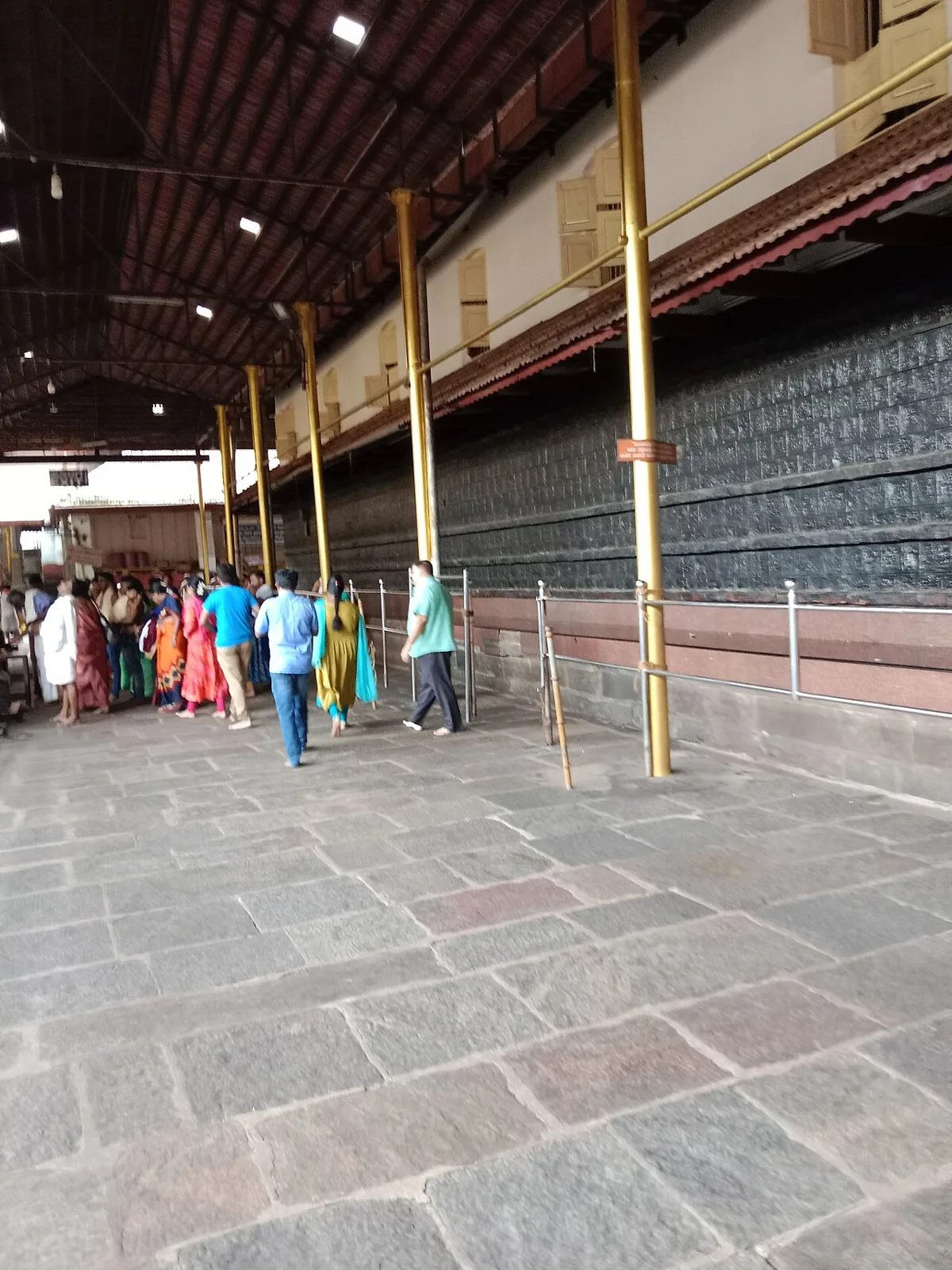
Worship commonly includes entering the temple for darshan, offering prayers and receiving prasadam where provided. Depending on the shrine and the day, devotees may make offerings such as flowers, fruit, coconuts, milk or other locally customary items. Abhishekam and other special worship are conducted according to each temple’s practice; availability, participation, booking and fees are not uniform. At Kukke, specific rituals connected with serpent worship are particularly significant, but pilgrims should obtain details from the temple rather than relying on informal agents. Queue arrangements can change during festivals, weekends and busy hours, so allow time and follow instructions from temple staff.

Dress neatly and modestly, covering shoulders and legs; clothing expectations may be more specific in some areas, and rules can change. Traditional Indian attire is commonly worn, but modest, comfortable clothing is suitable where permitted. Remove footwear where instructed and observe any separate arrangements for footwear storage. Do not assume that cameras, phones, bags or particular offerings are allowed in sanctums or queue areas. Some temples may restrict photography or access to inner spaces. Check the official temple authority for current darshan procedures, special worship, online services and entry guidance. If a booking or registration option exists, use the official channel and verify that it applies to the intended visit.

Planning a temple trip

Travel times depend on the starting point and current services. Rail and bus connections serve major towns such as Madurai, Coimbatore, Kumbakonam and Mangaluru, while local buses, taxis or other road transport link many shrines with nearby hubs. Palani, Tiruttani and Swamimalai involve hill access or steps; check whether road, lift or other assisted facilities are operating before relying on them. Kukke is a more remote Ghats journey, so allow for the final road leg and possible weather delays.

Pilgrims can base themselves in the nearest temple town or in a larger nearby city with more transport and accommodation choices. Simple lodges and guesthouses sit alongside mid-range hotels and higher-comfort stays; availability and rates vary with season and festivals. A short trip may cover one shrine, while a multi-temple Tamil Nadu itinerary needs several days, and adding Kukke requires extra travel time. Keep a flexible budget for local transport, meals, accommodation and customary offerings. Confirm current transport services, accommodation, temple access and official charges directly before travel; do not rely on old schedules or quoted prices.

Etiquette & responsible pilgrimage

Keep voices low, follow signs and staff directions, and respect queues and worshippers’ privacy. Photography may be restricted, especially in sanctums, so ask or check posted rules before taking pictures. Avoid touching sacred objects or entering areas marked for priests or authorised worshippers. At busy times, do not press ahead or block entrances for photographs.

Plan realistically for heat, stairs, uneven surfaces and, at Kukke, wet weather. Older visitors or anyone with health concerns should pace themselves, use permitted assistance and carry necessary medicines; seek medical advice when appropriate. Drink water where allowed, but keep bottles and packaging out of sacred spaces. Use bins, avoid littering or feeding wildlife, and respect the temple town, coast and hill environment. Support local communities considerately and leave each shrine and its surroundings clean.

Frequently asked questions

How many days are needed to visit all seven temples?

There is no fixed duration, since it depends on your starting point, transport and time spent at each shrine. A Tamil Nadu-only itinerary can take several days; adding Kukke Subramanya in Karnataka requires a separate travel leg. Build in rest and weather buffers rather than rushing between darshan queues.

What is the best order for visiting these shrines?

There is no obligatory order for the seven temples listed here. A practical route groups Palani and Marudhamalai in western Tamil Nadu, Thiruparankundram and Tiruchendur in the south, Swamimalai near Kumbakonam, and Tiruttani from the Chennai side. Treat Kukke as a separate Karnataka excursion and confirm connections.

Are these temples suitable for elderly pilgrims?

Many older pilgrims visit, but several shrines involve steps, walking, crowds or heat. Ask each temple about currently available road access or assistance, especially for hill visits, and plan rest breaks. Anyone with mobility or health concerns should discuss the trip with a clinician and avoid attempting strenuous climbs unprepared.

What should I wear to the temples?

Choose clean, modest clothing that covers shoulders and legs, and wear footwear that is easy to remove where required. Some temples may have additional dress or access expectations, so check current guidance before travelling. Comfortable clothing is especially useful for steps, warm weather and long queues.

Can I book darshan online or register in advance?

Arrangements differ by temple and may change, particularly for special worship, festival days or crowd management. Do not assume online booking is required or available. Check the relevant temple’s official authority for current darshan, registration and offering information, and avoid relying on unofficial booking links or intermediaries.