

Ghumoopedia — Explore, Discover, Experience
Sign in

Sacred circuits › Famous Devi & Shakti temples

Temples by deity

Famous Devi & Shakti temples in India

Some of the best-known shrines across the country. Tap a pin or a name to open its guide.

  1. 1
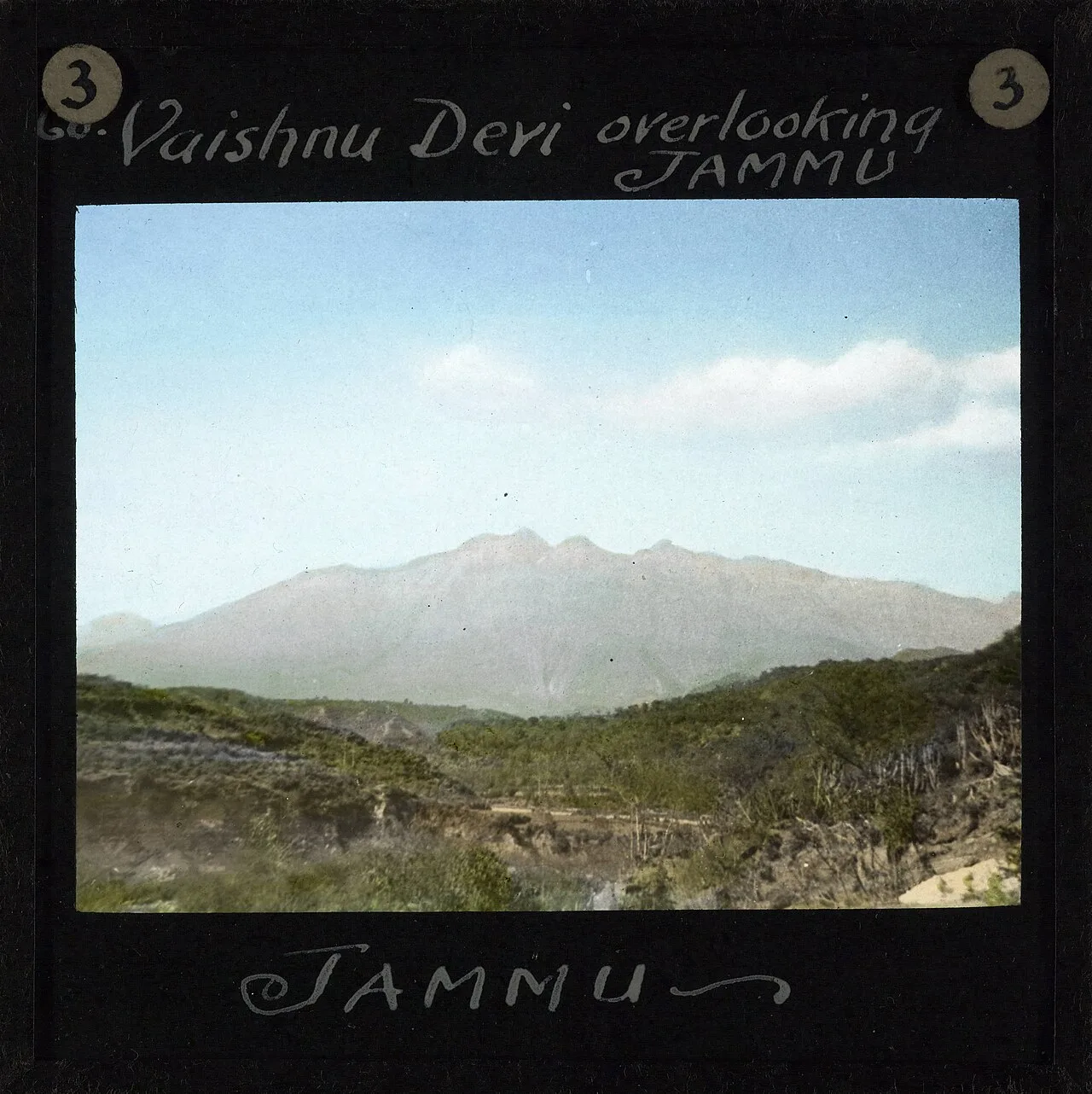
    Vaishno Devi Temple

    Katra, Jammu & Kashmir

    Full guide on Ghumoopedia

  2. 2
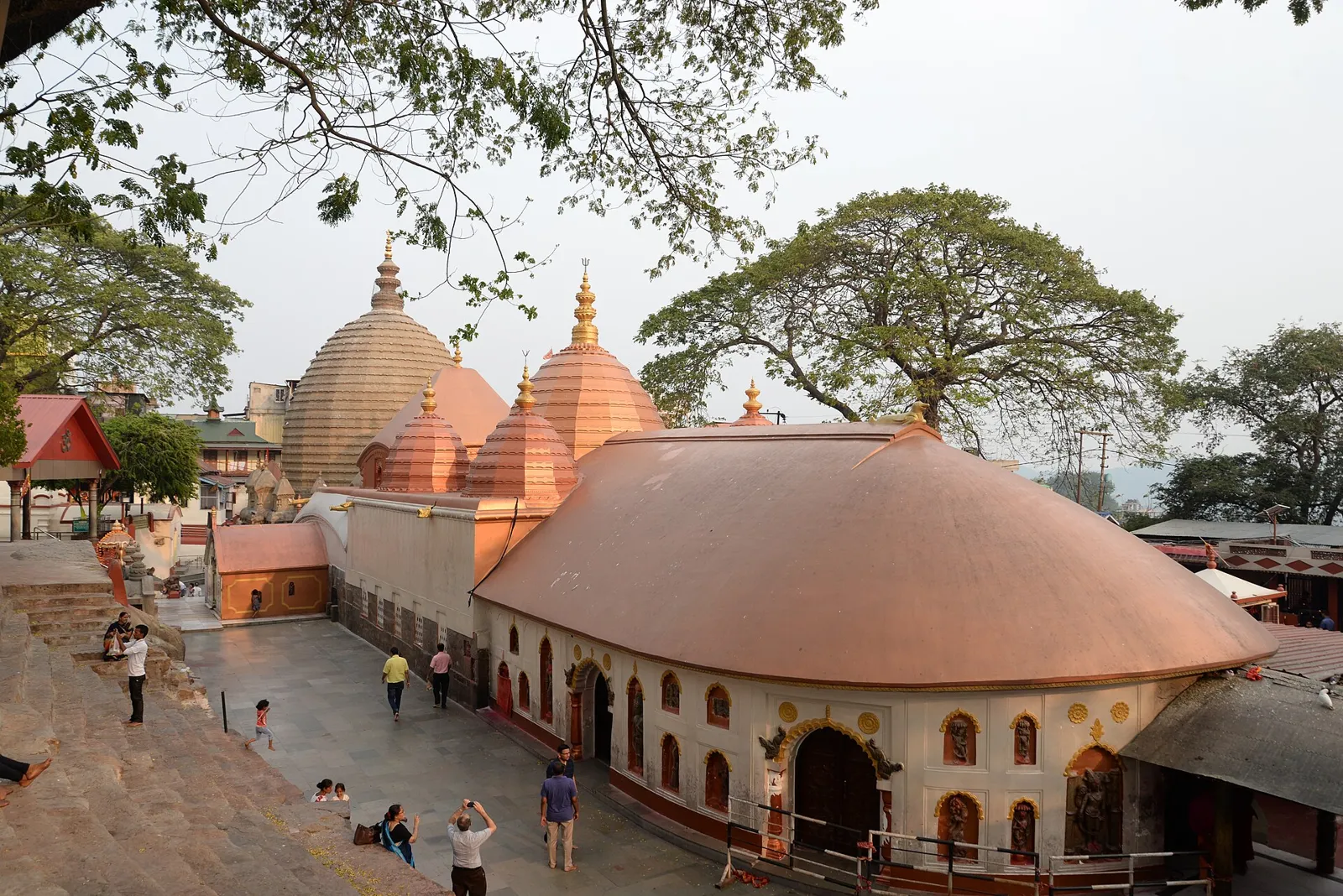
    Kamakhya Temple

    Guwahati, Assam

    Full guide on Ghumoopedia

  3. 3
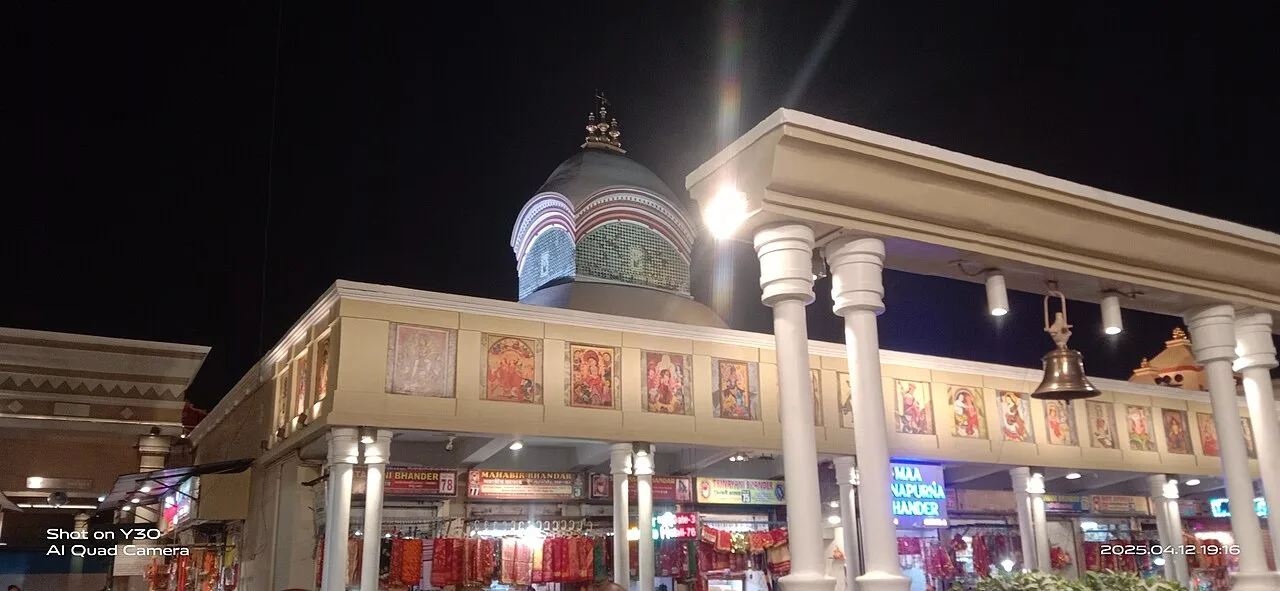
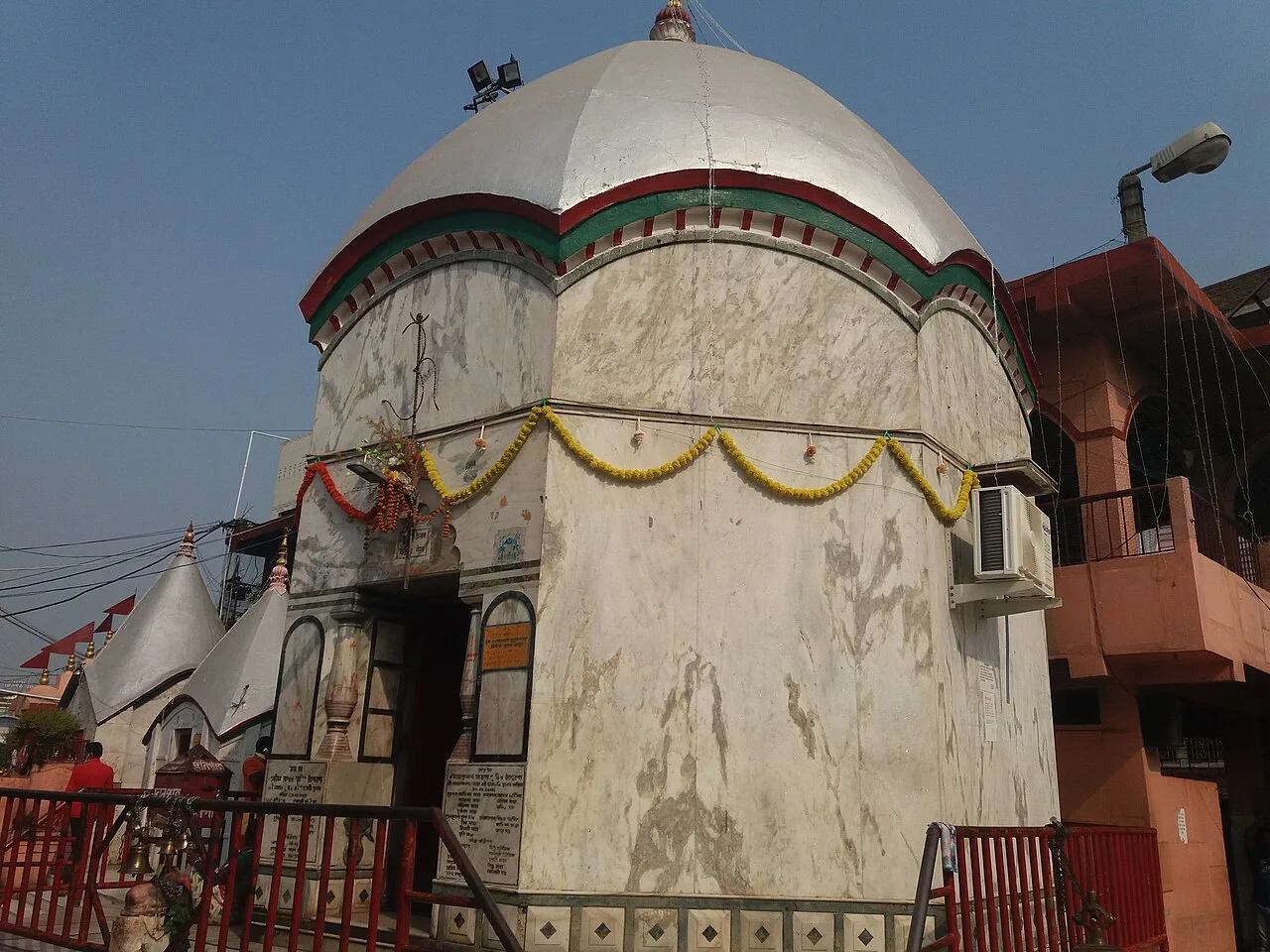
    Kalighat Kali Temple

    Kolkata, West Bengal

    Full guide on Ghumoopedia

  4. 4
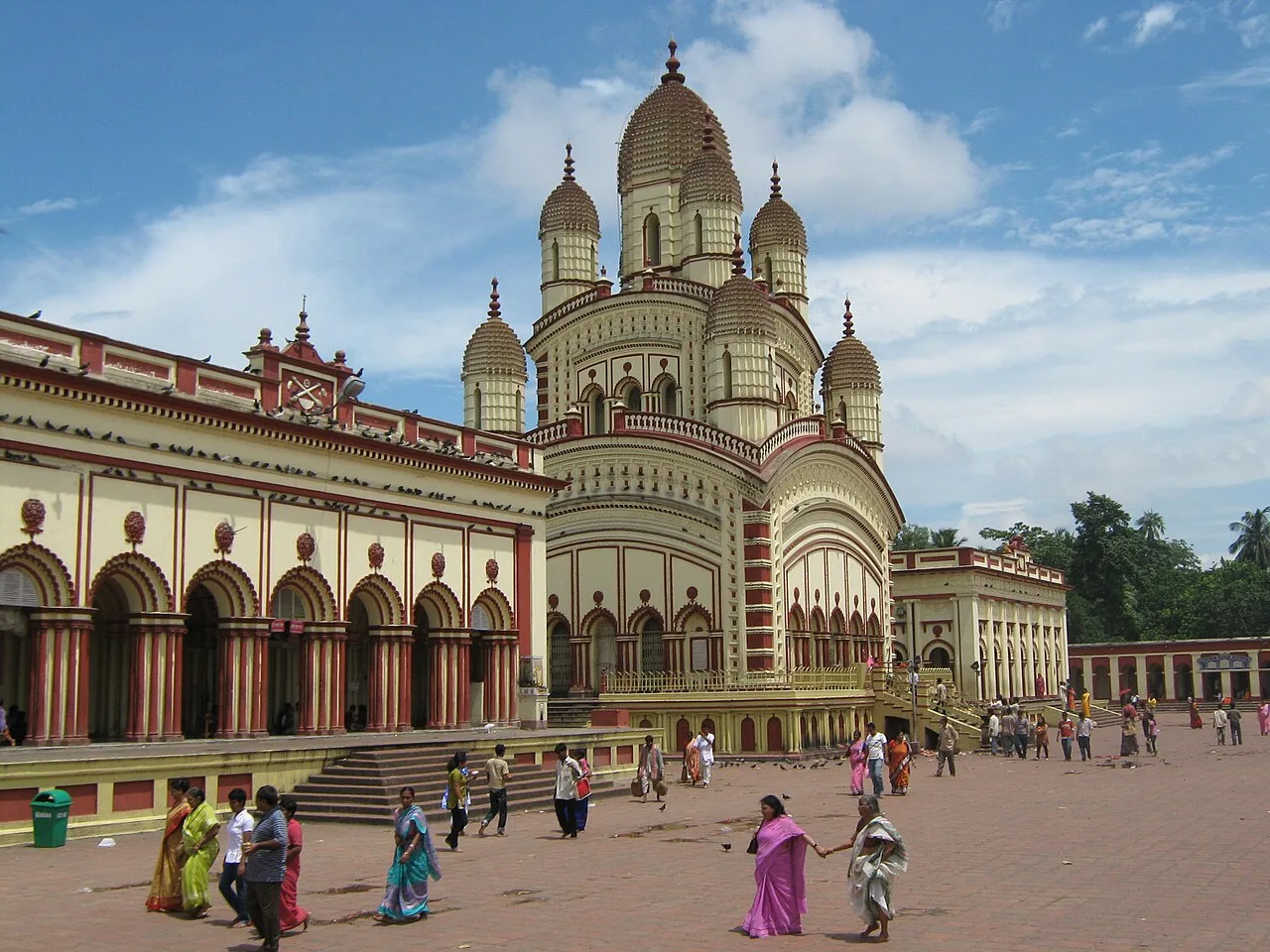
    Dakshineswar Kali Temple

    Kolkata, West Bengal

    Full guide on Ghumoopedia

  5. 5
    Meenakshi Temple

    Madurai, Tamil Nadu

    Full guide on Ghumoopedia

  6. 6
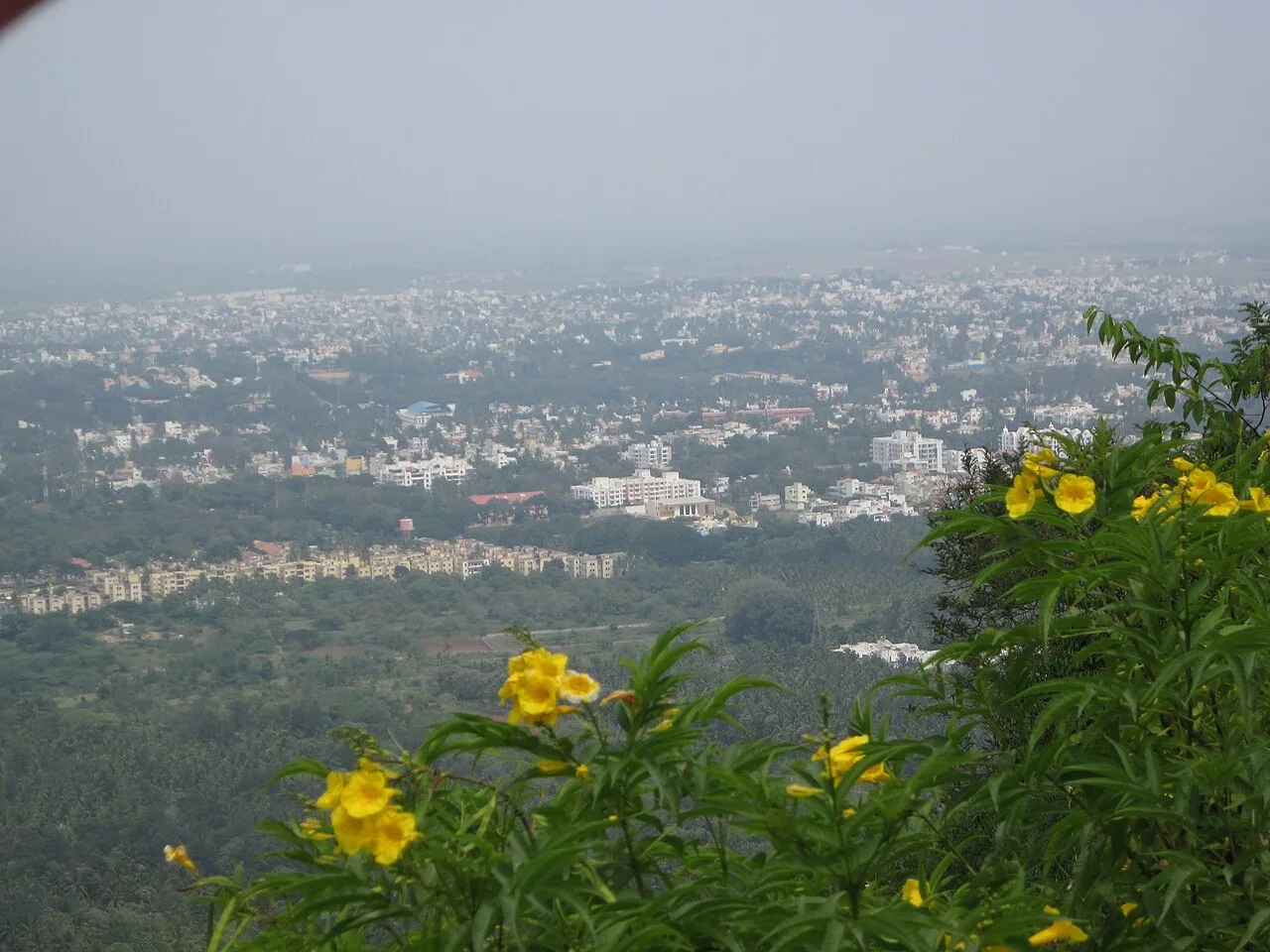
    Chamundeshwari Temple

    Mysuru, Karnataka

    Full guide on Ghumoopedia

  7. 7
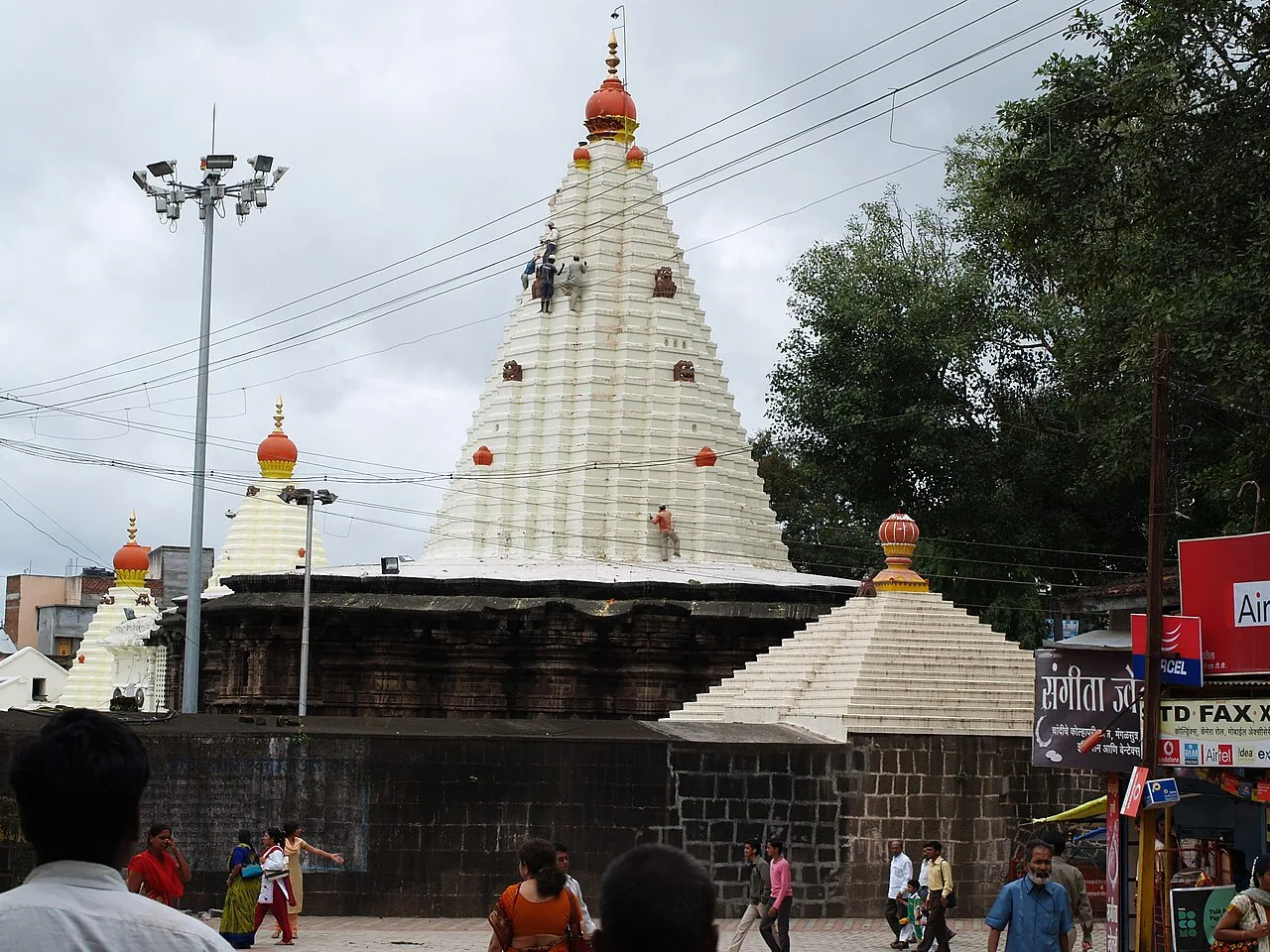
    Mahalakshmi Temple

    Kolhapur, Maharashtra

    Full guide on Ghumoopedia

  8. 8
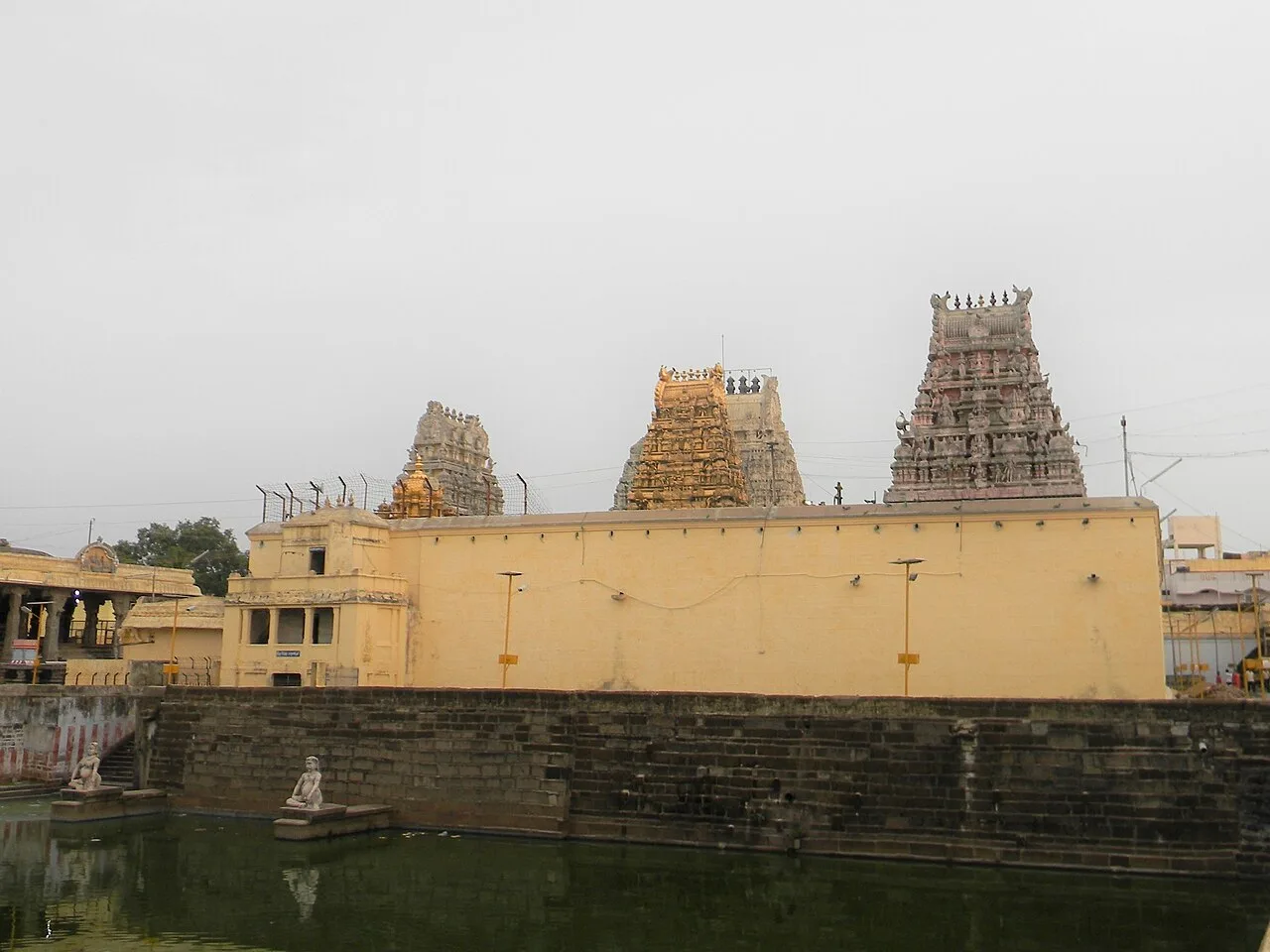
    Kamakshi Amman Temple

    Kanchipuram, Tamil Nadu

    Full guide on Ghumoopedia

  9. 9
    Ambaji Temple

    Ambaji, Gujarat

    Full guide on Ghumoopedia

  10. 10
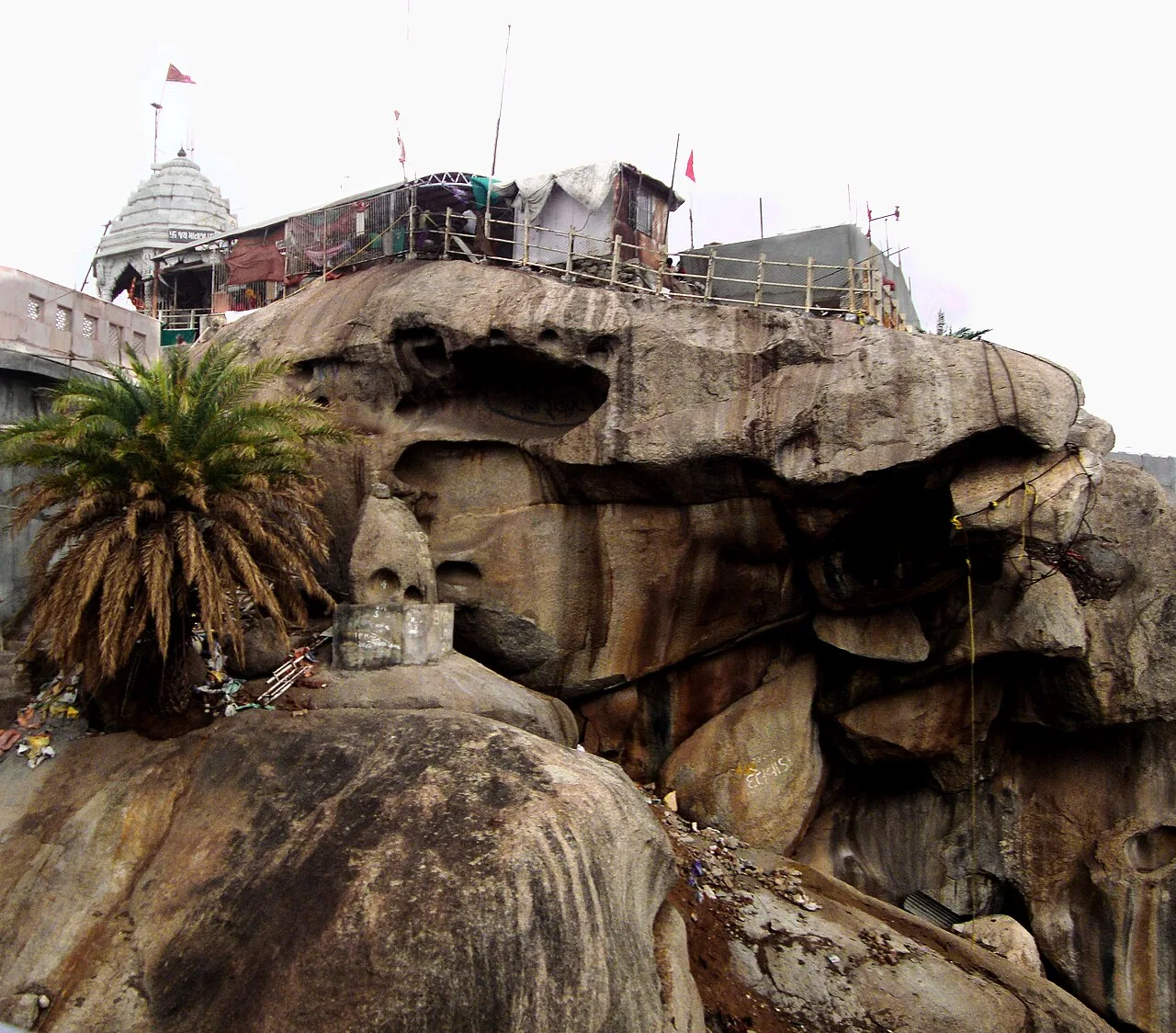
    Jwalamukhi Temple

    Jwalamukhi, Himachal Pradesh

    Guide coming soon

  11. 11
    Naina Devi Temple

    Bilaspur, Himachal Pradesh

    Guide coming soon

  12. 12
    Karni Mata Temple

    Deshnoke, Rajasthan

    Full guide on Ghumoopedia

  13. 13
    Mookambika Temple

    Kollur, Karnataka

    Guide coming soon

  14. 14
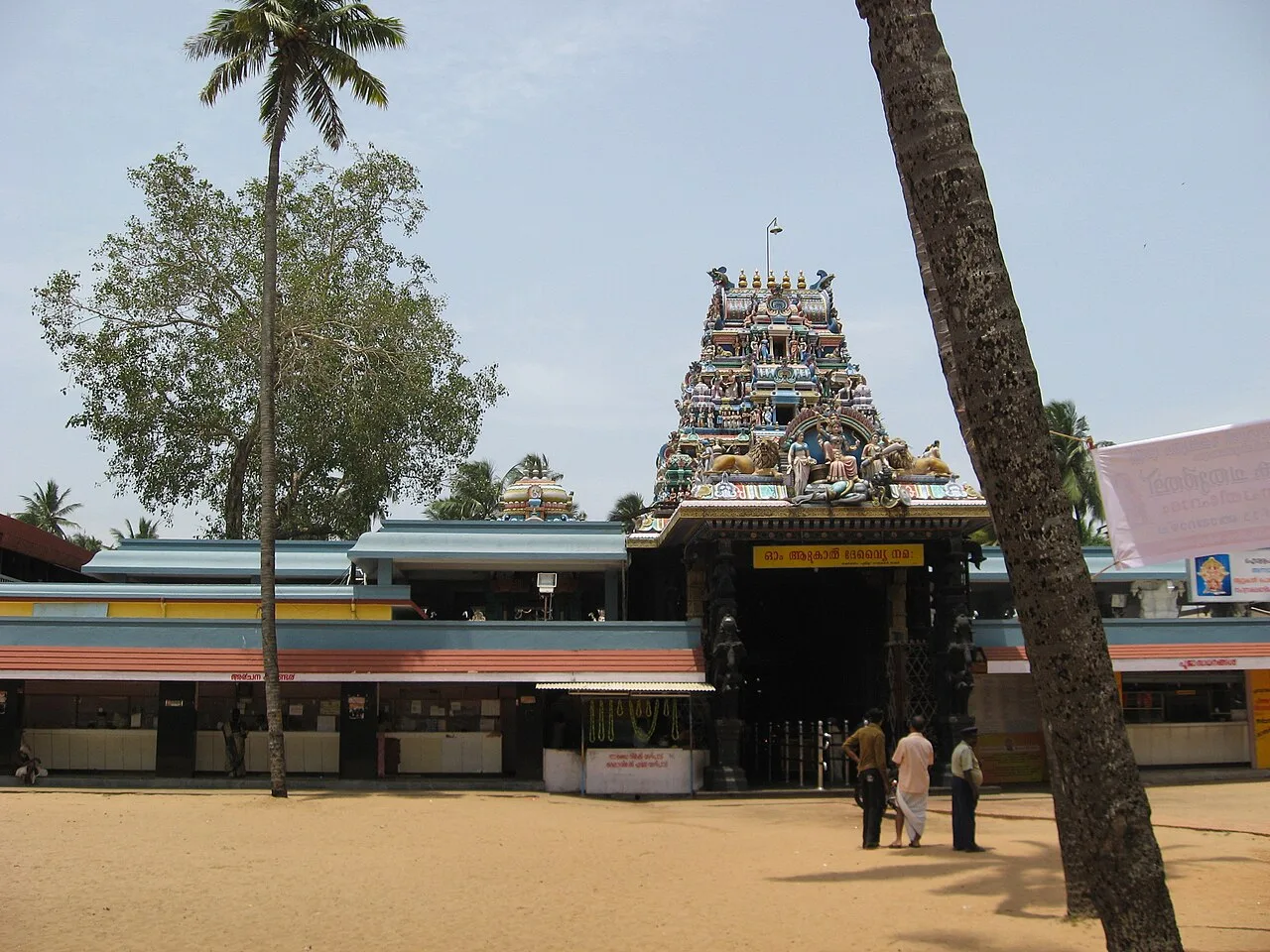
    Attukal Temple

    Thiruvananthapuram, Kerala

    Full guide on Ghumoopedia

  15. 15
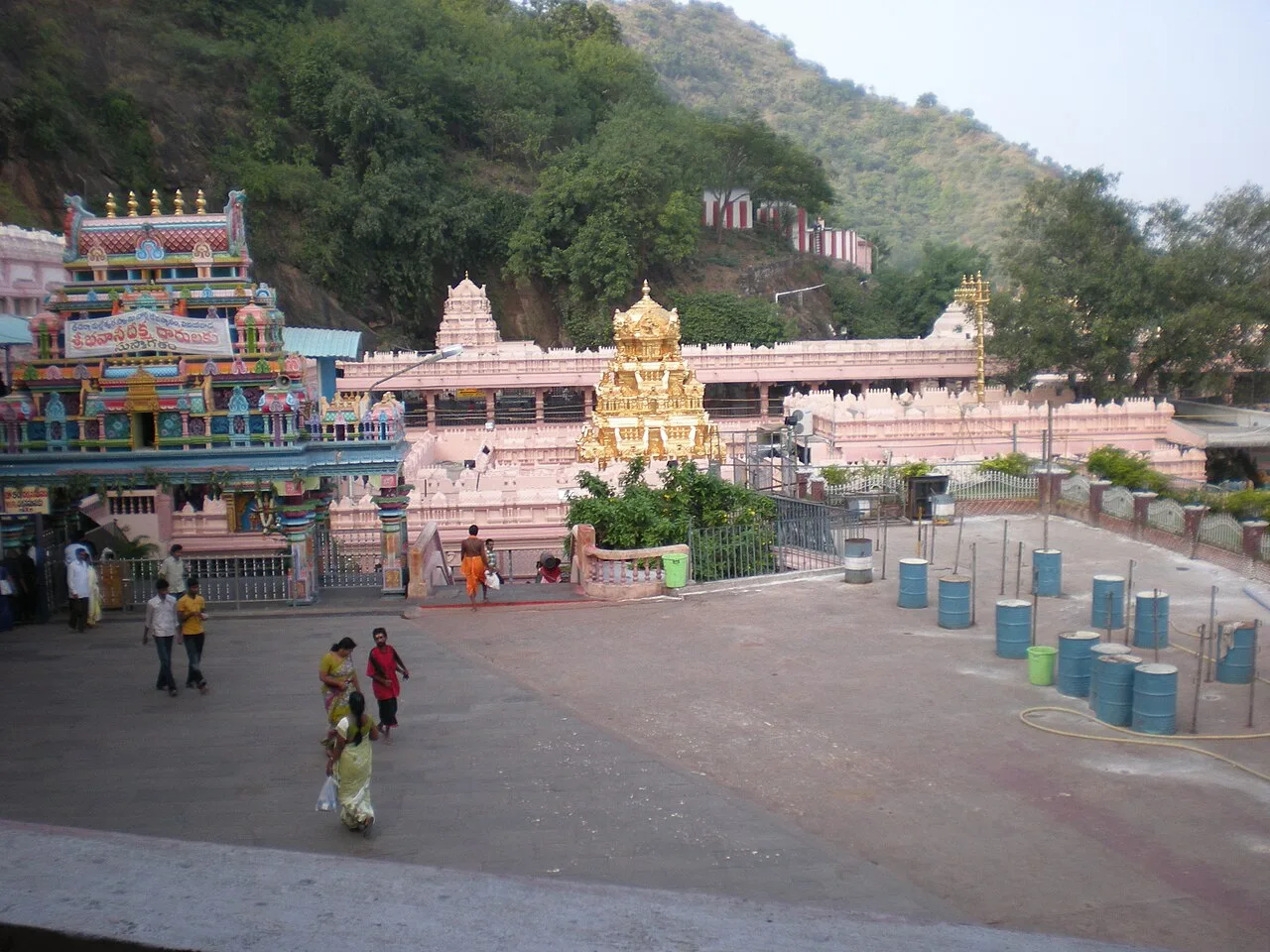
    Kanaka Durga Temple

    Vijayawada, Andhra Pradesh

    Full guide on Ghumoopedia

  16. 16
    Tarapith Temple

    Tarapith, West Bengal

    Full guide on Ghumoopedia

The complete guide

Famous Devi & Shakti temples in India: a pilgrim's guide

The deity & the traditions of worship

Devi and Shakti temples honour the divine feminine as creator, protector, source of wisdom and power. In Hindu traditions, Shakti is not simply a consort or a single local goddess: she is the energy through which the universe acts. Devotees approach her in many forms, including Durga, Kali, Meenakshi, Kamakshi, Mahalakshmi and the regional mother goddesses worshipped at these shrines. Puranic stories, local legends and temple customs give each place its own character, while connecting it to this wider understanding of the Goddess.

Several shrines are associated with Shakti Peetha traditions. These tell of Sati, whose body, in a well-known account, was carried by Shiva after her death; places where parts or ornaments fell are revered as sacred centres of the Goddess. The details and lists vary among traditions, so individual temples’ associations should be understood as matters of faith rather than a single uniform historical record. Kamakhya is especially linked with the Goddess’s creative power and fertility, while Kalighat and Jwalamukhi also hold important Shakta associations. Other temples centre on distinctive local narratives, such as the cave manifestation of Vaishno Devi or the protective goddess of a city or region.

Pilgrims come seeking blessings, protection, healing, prosperity, courage and fulfilment of vows. Many also visit to participate in a family or community tradition, mark a festival, or experience the discipline of a yatra. The journey itself—walking, waiting, praying and sharing space with other worshippers—can be as meaningful as reaching the sanctum. Each shrine has its own ritual calendar and devotional culture; together, they show how Shakti worship takes varied forms across India.

How the temples are spread across India

The temples span the northern Himalaya, the east, the Deccan and the southern peninsula. Vaishno Devi at Katra, Naina Devi near Bilaspur, Jwalamukhi in Kangra district and Ambaji in Gujarat make a broad northwestern circuit, though mountain roads and distances mean they are better planned as separate legs than treated as a short hop. Katra is the usual base for Vaishno Devi, while the Himachal shrines and Ambaji are reached from their respective regional transport hubs.

The eastern group includes Kamakhya in Guwahati, and the Kolkata-area temples Kalighat and Dakshineswar, with Tarapith farther inland in West Bengal. These can be combined with time in Assam or Bengal, but allow for intercity travel. In the south, Meenakshi at Madurai, Kamakshi at Kanchipuram, Mookambika at Kollur, Chamundeshwari at Mysuru and Attukal in Thiruvananthapuram suit regional itineraries rather than one hurried circuit. Kolhapur’s Mahalakshmi lies in western India; Kanaka Durga at Vijayawada is in Andhra Pradesh, and Karni Mata at Deshnoke is in Rajasthan.

A practical plan groups shrines by state or transport corridor, choosing a few at a time. Rail and air connections can shorten long transfers, while road journeys complete many last-mile links. Check current access and local conditions before setting out.

Great temples to know

Vaishno Devi Temple, above Katra, is reached by a well-known pilgrimage route to a cave shrine where the Goddess is worshipped in the form of three natural rock formations, or pindis. Kamakhya Temple on Nilachal Hill in Guwahati is associated with Shakti Peetha lore and the Goddess’s generative power; its annual Ambubachi observance draws large numbers of devotees. Kalighat Kali Temple in Kolkata is another major Shakta centre, renowned for its fierce yet protective form of Kali and its longstanding place in the city’s devotional life.

Dakshineswar Kali Temple, on the Hooghly near Kolkata, is dedicated to Bhavatarini, a form of Kali. Its temple complex was established in the nineteenth century and is closely associated with the spiritual life of Ramakrishna. Meenakshi Temple in Madurai is a vast, active temple complex dedicated to Meenakshi and Sundareshwarar; its sculpted towers, halls and ritual traditions make it a landmark of Tamil temple culture. Kamakshi Amman Temple at Kanchipuram is an important Shakti shrine in a city celebrated for its temples, with Kamakshi revered as a powerful form of the Goddess.

Chamundeshwari Temple crowns Chamundi Hill above Mysuru and honours the goddess linked in local tradition with the defeat of the demon Mahishasura. Mahalakshmi Temple in Kolhapur, also called Ambabai, is a prominent western Indian pilgrimage centre where devotees seek the Goddess’s blessings. Ambaji Temple in Gujarat draws worshippers to a major Shakti shrine; the sanctum’s revered object is not a conventional sculpted idol. At Jwalamukhi in Himachal Pradesh, the Goddess is worshipped through natural flames emerging from the rock, a feature central to the temple’s identity and sacred lore.

Karni Mata Temple at Deshnoke is distinctive for its revered rats, which are cared for within the temple and regarded by devotees as auspicious. Mookambika Temple at Kollur, in the Western Ghats, is associated with the Goddess as a source of learning and power and attracts pilgrims from Karnataka and Kerala. Kanaka Durga Temple stands on Indrakeeladri Hill at Vijayawada, overlooking the Krishna River, and is especially prominent in regional worship of Durga. Tarapith in West Bengal is a celebrated Tantric Shakta centre associated with the goddess Tara. Naina Devi near Bilaspur and Attukal in Thiruvananthapuram complete the northern and southern regional picture, each with a strong local following.

Festivals & the best time to visit

Conditions vary widely, so the best season depends on the region and the kind of journey. Katra and the Himachal hill shrines can be cold in winter and affected by rain, fog or difficult road conditions; summer and the milder shoulder seasons may be more comfortable for walking, though crowds can rise during holidays. Check local weather and route advisories, especially before a highland pilgrimage. Gujarat and Rajasthan can be very hot in summer, making cooler months generally easier for outdoor travel.

Guwahati, Kolkata and Tarapith are humid, with monsoon rain potentially complicating transfers. In the south, summer heat and monsoon showers affect Madurai, Kanchipuram, Mysuru, Kollur, Vijayawada and Thiruvananthapuram differently; Kollur’s hilly setting can bring particularly wet conditions. Festival periods offer a vivid experience but often mean larger crowds, longer waits and tighter accommodation availability. Navaratri is important at many Devi temples, while Kamakhya’s Ambubachi observance and Attukal’s major festival draw especially large gatherings. Temple calendars and observance arrangements can change, so confirm details with the shrine or official authority before travel.

Worship, offerings & dress code

Darshan usually involves joining a queue to approach or view the sanctum, with the exact arrangement varying by temple, festival and crowd conditions. Worship may include prayers, lamps, flowers, coconuts, sweets or other offerings accepted locally; some shrines have specific customary offerings, and visitors should ask at the temple rather than assume. Priests conduct rites according to each temple’s tradition, while pilgrims may make vows, recite prayers or offer thanks. At busy shrines, follow queue instructions and allow worship to proceed without pressing forward.

Wear clean, modest clothing that covers the shoulders and legs; some temples or particular areas may have additional dress expectations. Footwear is generally removed before entering designated sacred areas, and storage arrangements differ. Rules on photography, phones, bags, offerings and access to inner areas are not uniform. Some temples may restrict entry by time, crowd management or ritual practice, and arrangements can change on festival days. Check current guidance from the temple or its official authority, and do not treat paid or special-access options advertised elsewhere as guaranteed. Visitors who need assistance should ask staff about accessible routes and available support.

Planning a temple trip

Plan around geography rather than trying to visit all sixteen temples in one trip. Rail and air travel connect major cities and regional hubs, while taxis, buses and local transport cover many final legs; hill roads and last-mile journeys can take longer than a map suggests. Katra is the customary base for Vaishno Devi, and city stays work well for Kolkata, Guwahati, Madurai, Mysuru, Kanchipuram and Vijayawada. For remote or hill shrines, confirm local transport and accommodation options in advance.

Costs range from economical stays and public transport to private vehicles and more comfortable hotels. Festival demand can raise rates and reduce availability, so book early when possible. Carry water, essential medicines, identification and some cash, while keeping valuables secure. Before travelling, check the temple’s official information for current access, registration or booking procedures, facilities, weather advisories and any restrictions. Do not rely on old schedules or unofficial claims about tickets, timings or special entry.

Etiquette & responsible pilgrimage

Treat the temple as a place of worship: speak quietly, follow staff directions and respect local customs, including rules about footwear, queues and access to sacred spaces. Ask before photographing people or ritual activity, and obey no-photography signs; never assume photography is permitted inside a shrine. Avoid touching icons, offerings or ritual objects unless invited to do so.

Take care of your health, particularly on the Vaishno Devi route and at hill temples, where walking, elevation, weather and uneven paths may be challenging. Pace yourself, carry water and seek medical advice if you have relevant health concerns. In hot regions, protect yourself from heat and avoid exhausting walks at the hottest time. Keep waste with you until it can be disposed of properly, use refillable bottles where practical, and avoid feeding animals or disturbing local wildlife except where temple staff explicitly guide visitors.

Frequently asked questions

How many days are needed to visit these temples?

There is no single practical duration for all sixteen: they are spread across India. A regional visit to two or three nearby shrines may take several days, while a broad pilgrimage needs multiple trips or a lengthy itinerary. Allow extra time for mountain travel, queues, festivals and rest.

What is the best order for visiting the temples?

There is no prescribed travel order. Group the shrines by region and transport links: for example, the Kolkata-area temples with Tarapith, or a southern itinerary centred on Tamil Nadu or Karnataka. Treat the Himachal and Katra shrines as separate legs, and check current road and access conditions.

Are these pilgrimages suitable for elderly visitors?

Many temples can welcome older pilgrims, but the physical demands differ considerably. Vaishno Devi involves a substantial uphill pilgrimage route, and other shrines have steps, crowds or uneven ground. Review current accessibility information with the temple, plan rest breaks, and consult a clinician if health or mobility is a concern.

What should I wear when visiting a Devi temple?

Choose clean, modest clothing that covers shoulders and legs, and be prepared to remove footwear before entering designated areas. Local expectations vary, including possible rules for particular sections or festival days. Check the temple’s current guidance and carry a light covering if useful for changing weather.

Do these temples require online darshan booking or registration?

Arrangements are not uniform: some temples may provide online services or pilgrimage registration, while others manage entry differently. Procedures can change with crowd levels and festivals. Confirm directly through the temple or its official authority before travel, and be cautious of unofficial sites promising guaranteed access.