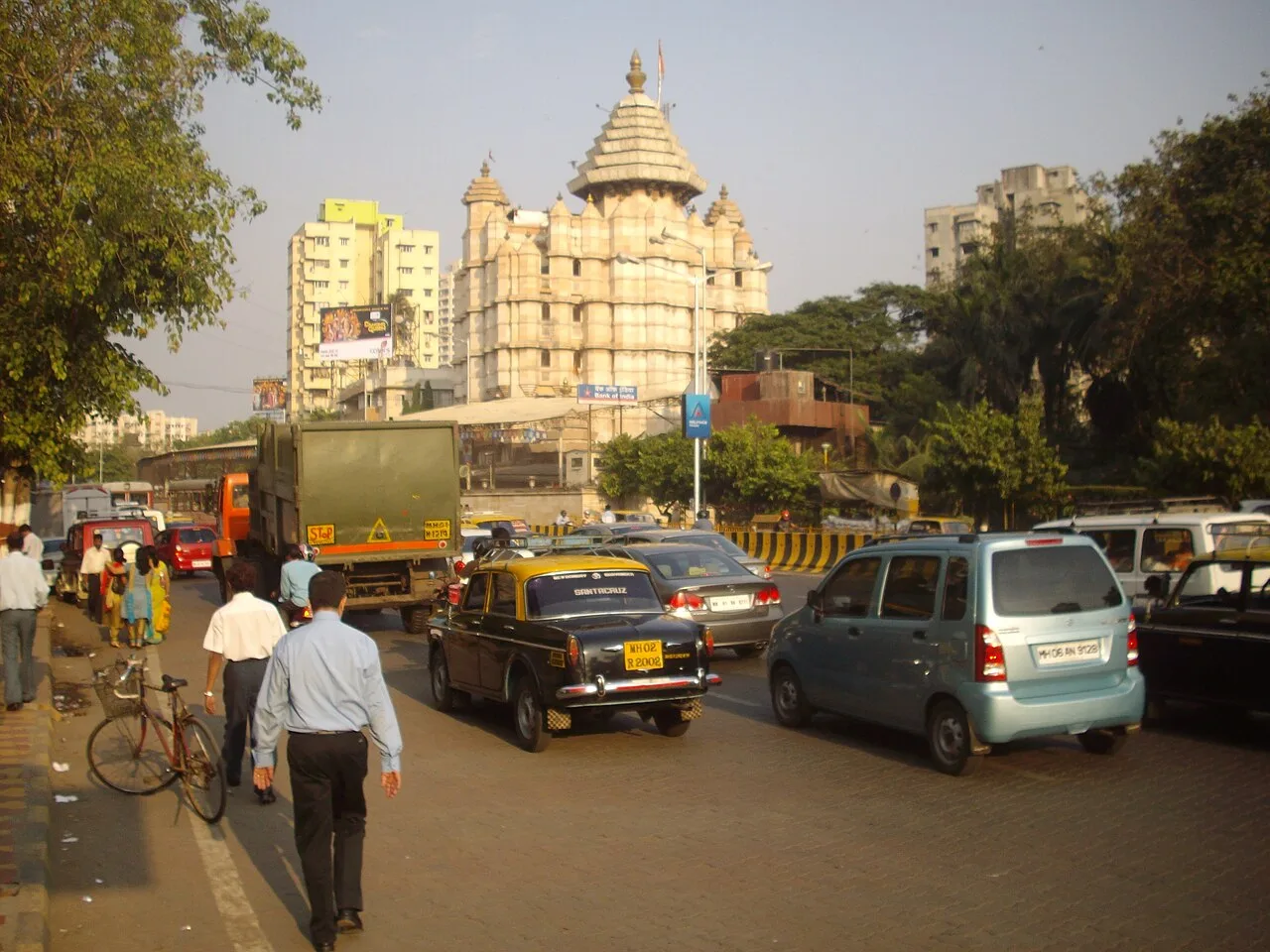
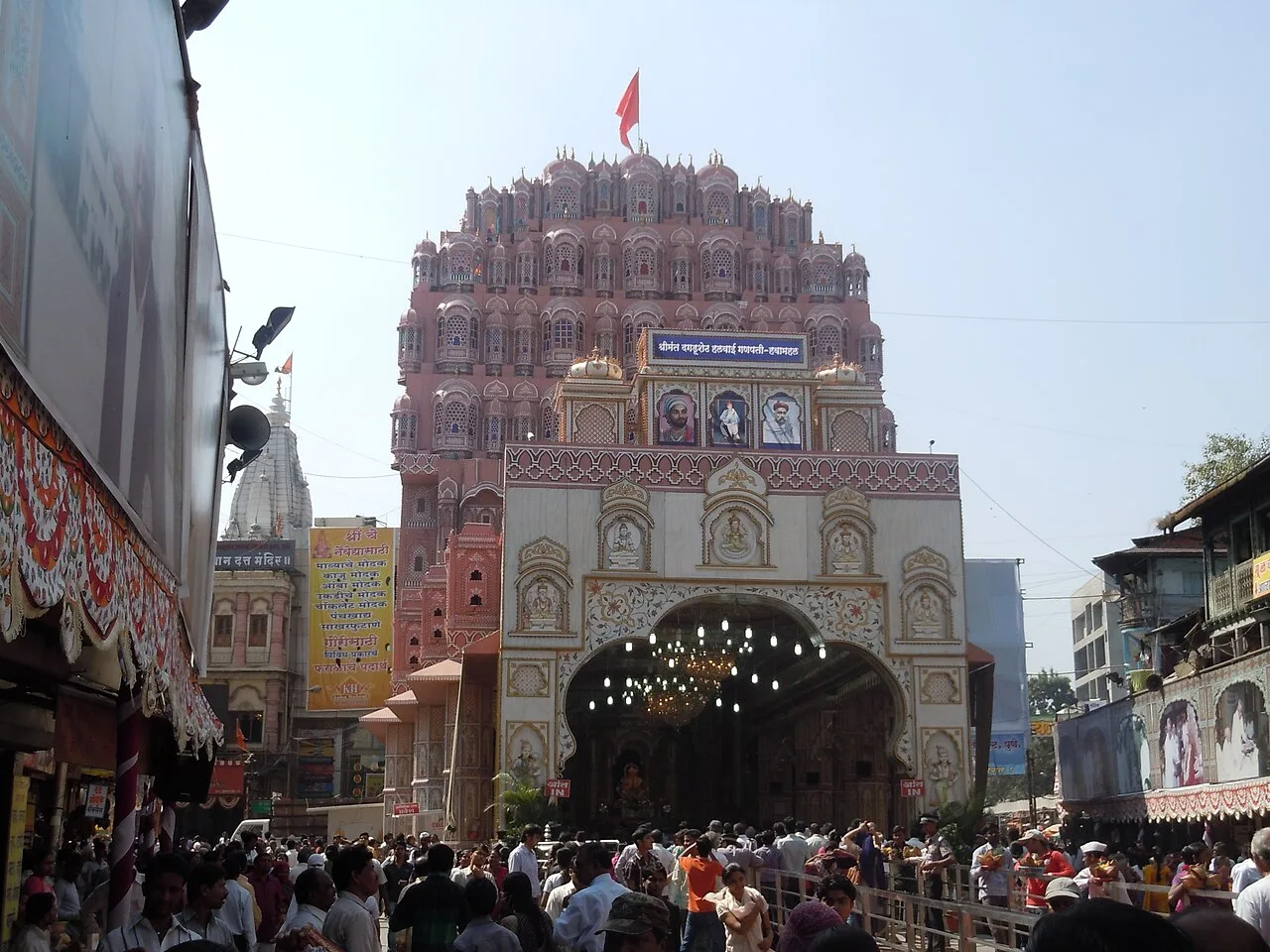
Siddhivinayak Temple stands in Prabhadevi, Mumbai, and is among the city’s best-known places of Hindu worship. Its present temple is associated with a foundation in 1801. The principal image has a distinctive form, with the trunk turned to the right, and is decorated for worship with flowers and ornaments. The temple’s busy urban setting and strong association with devotees seeking blessings for new beginnings make it especially prominent. Dagadusheth Halwai Ganapati Temple in Pune is celebrated for its richly adorned image and public Ganesh festival traditions. Its origins are connected in local accounts with sweets trader Dagadusheth Halwai and a period of personal loss in the late nineteenth century. Visitors come to see the elaborately ornamented shrine and experience a major centre of worship in the old city.
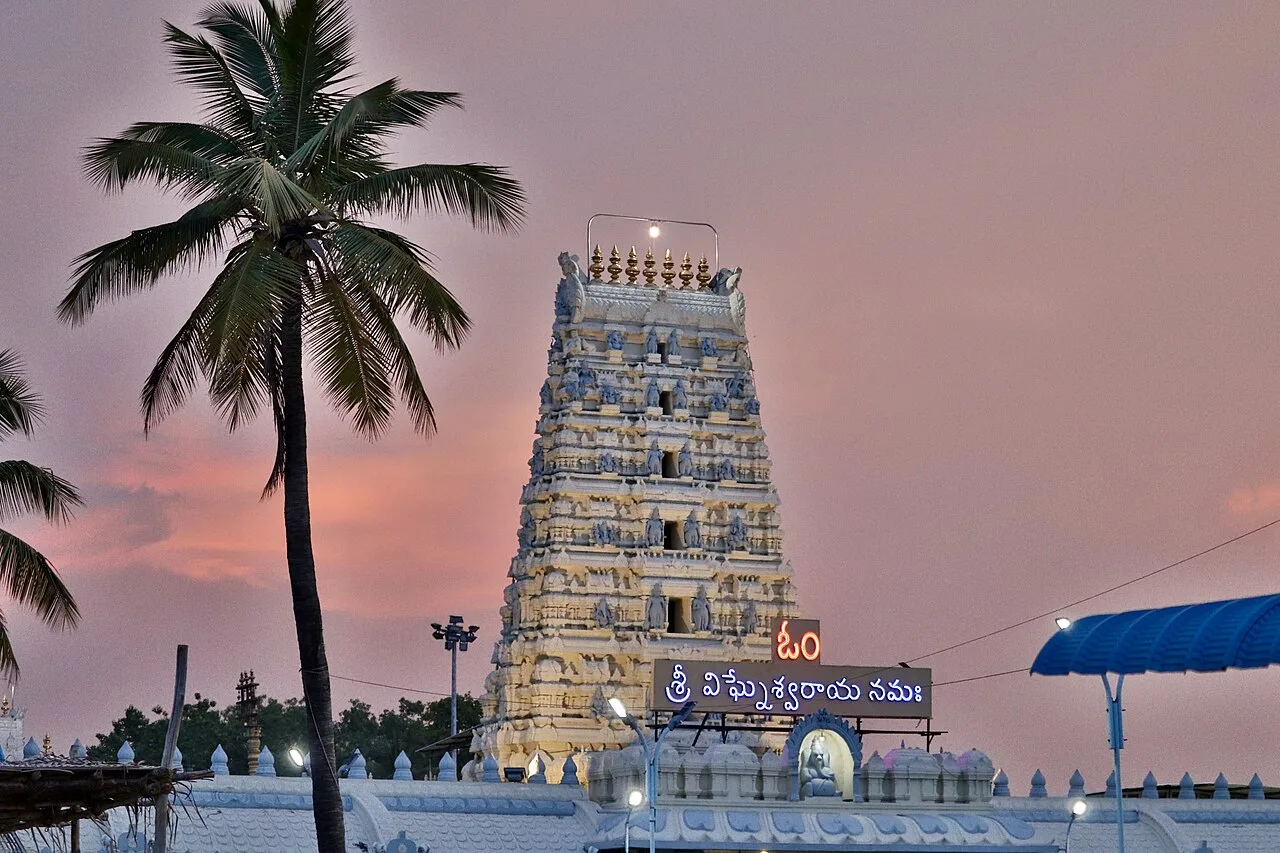
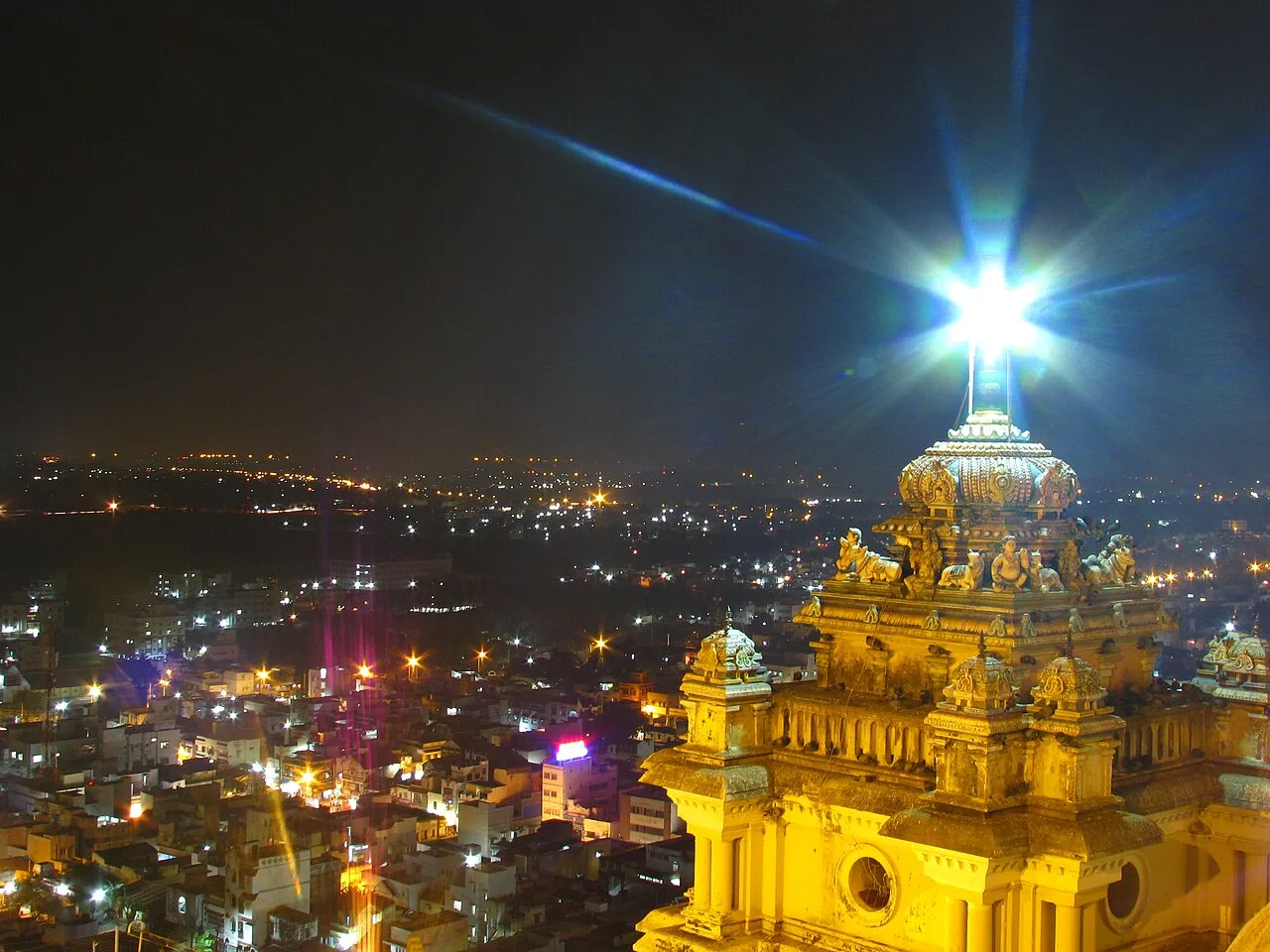
Kanipakam Vinayaka Temple, in Chittoor district, is associated with a self-manifested Ganesha image and a story in which the image emerged from a well. Tradition holds that the figure continues to grow, and the shrine is also known for the sacred water connected with its origin story. The temple’s annual observances draw pilgrims from the surrounding region. At Ucchi Pillayar Temple, Ganesha’s shrine sits atop the Rockfort in Tiruchirappalli. A familiar legend links the temple to Vibhishana, the image of Ranganatha he carried from Lanka, and Ganesha’s role in ensuring it remained at Srirangam. The ascent and views over the city and Kaveri region are part of the visit; the climb may be demanding for some pilgrims.
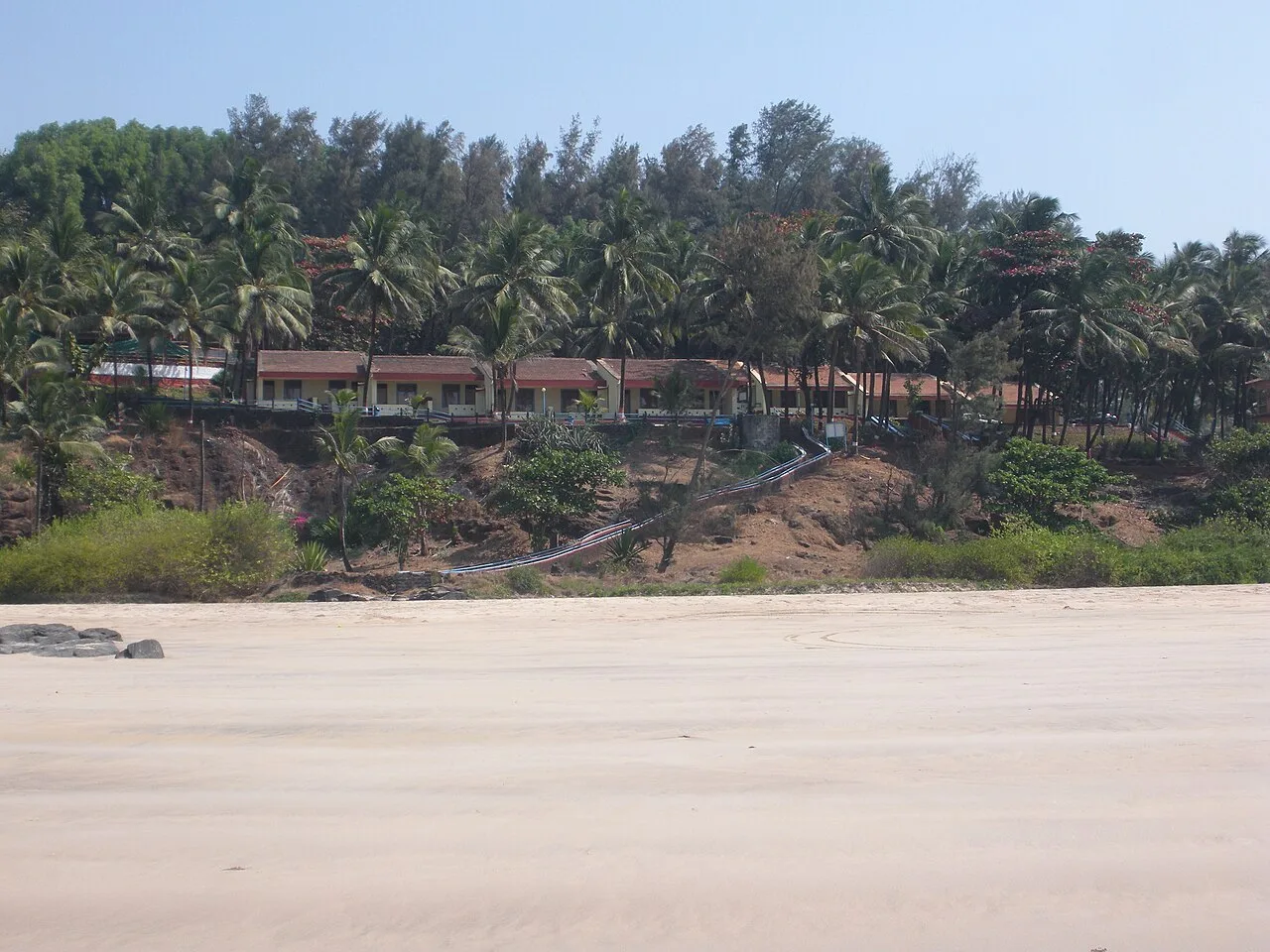
Ganpatipule Temple is on Maharashtra’s Konkan coast, where the image is revered as swayambhu, or self-manifested, and faces west. A traditional circumambulation goes around the hill associated with the shrine, rather than only around the inner sanctum. Khajrana Ganesh Temple in Indore is a major city pilgrimage site. Local tradition connects its image with a devotee’s vision and its recovery from a well; the temple is known for devotional offerings and the many bells, sometimes inscribed with prayers, brought by visitors. Moti Dungri Ganesh Temple in Jaipur stands below the hilltop palace complex of Moti Dungri. The temple’s Ganesha image is the focus of regular worship, and the distinctive setting makes it a familiar landmark as well as a pilgrimage stop.
Mayureshwar Temple at Morgaon is a leading shrine in the Ashtavinayak tradition. Its name recalls the form of Ganesha associated with a peacock, and Puranic and local narratives tell of Mayureshwar overcoming the demon Sindhu. The temple’s fortified appearance, gateways and surrounding devotional activity distinguish it from the larger city shrines. Pilgrims following the traditional Ashtavinayak circuit begin and conclude at Morgaon, but visitors coming only to this temple can also focus on its sanctum, circumambulation and village setting.