
The deity & the traditions of worship
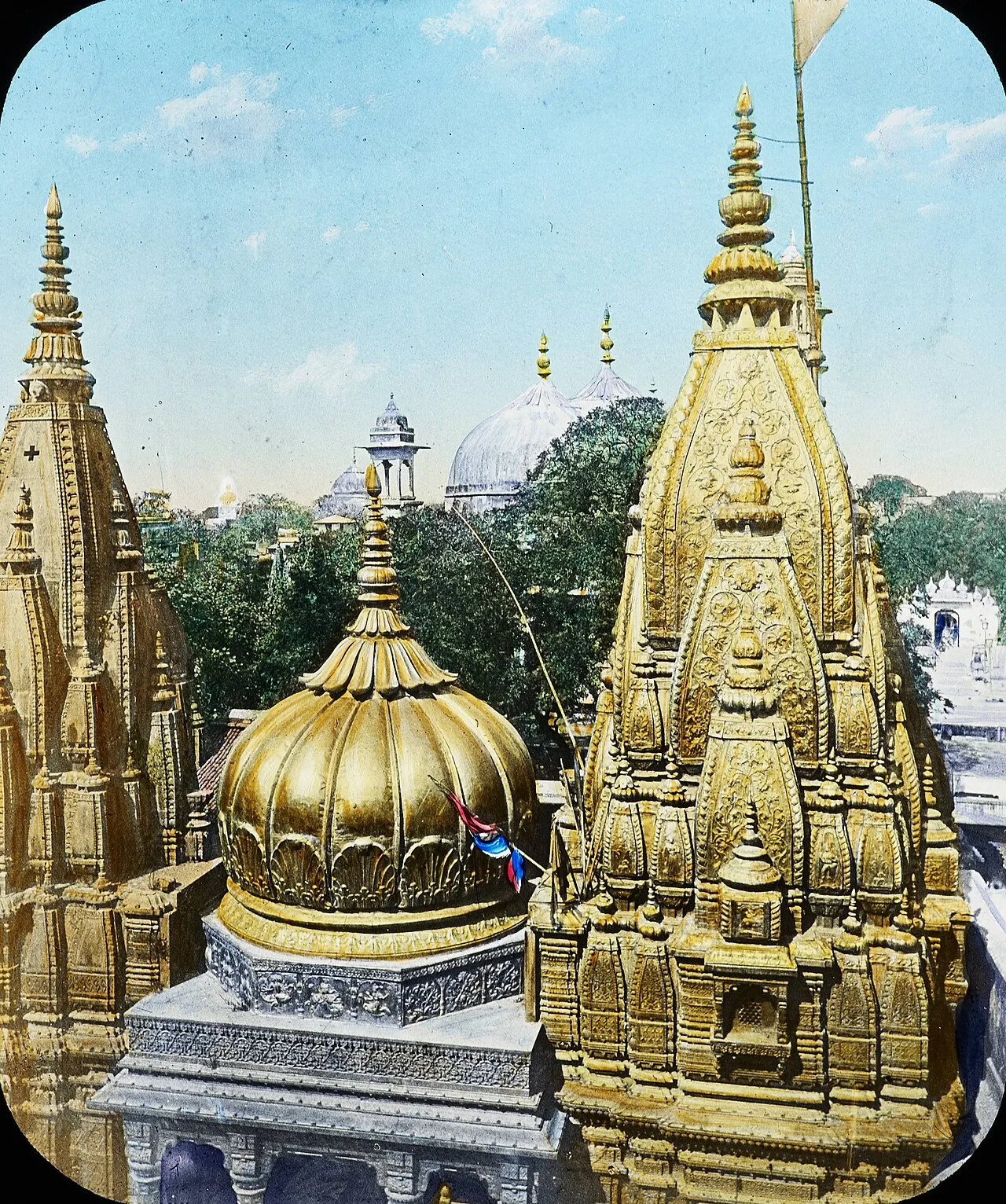
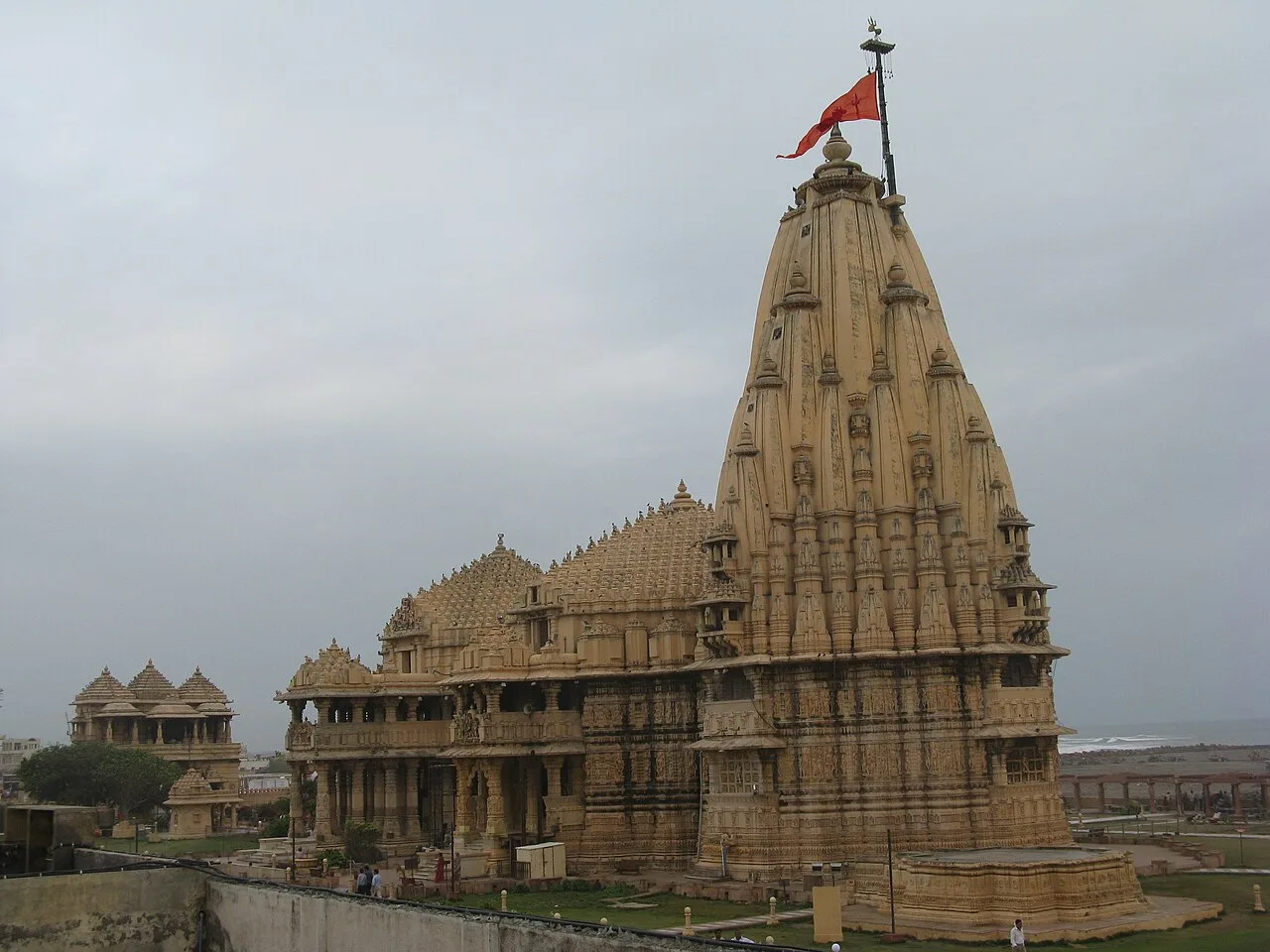
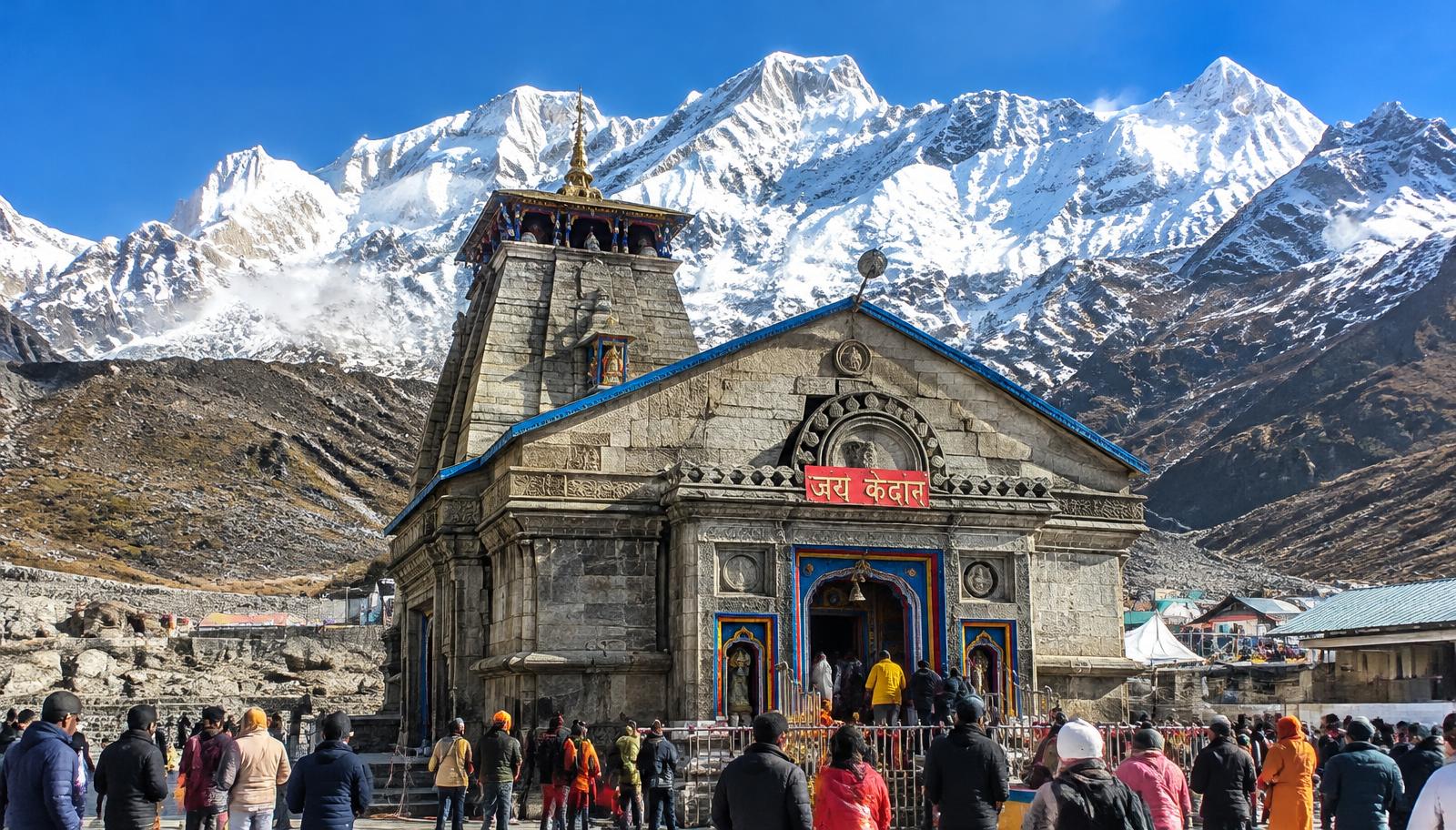
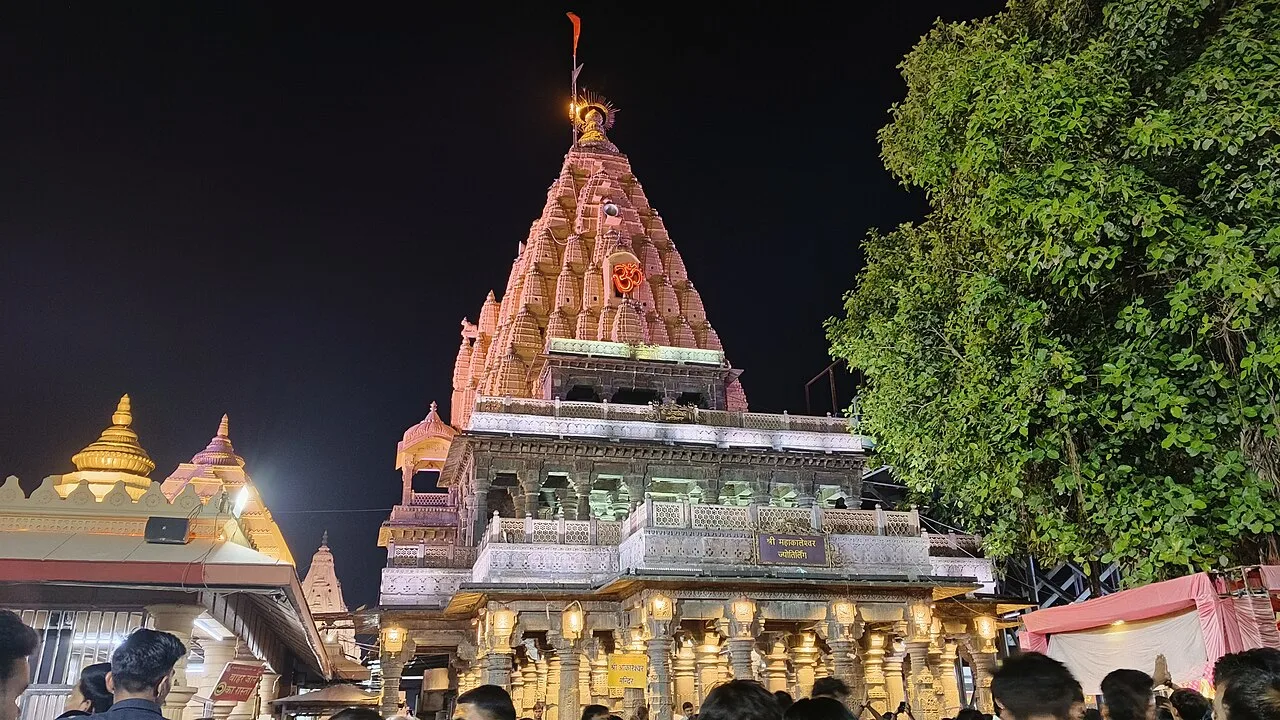
Shiva is worshipped across India in many forms: as the still, aniconic lingam, as the cosmic dancer Nataraja, as a mountain ascetic and as a presence associated with particular elements and landscapes. The temples on this page reflect that breadth. Several, including Kashi Vishwanath, Somnath, Kedarnath and Mahakaleshwar, are revered among the twelve Jyotirlingas, a sacred circuit described in Puranic tradition. Their stories connect Shiva’s boundless light with places where devotees believe his presence became especially manifest. The precise lists and tellings vary among traditions, but pilgrimage to these shrines is a way of joining a widely shared devotional geography.
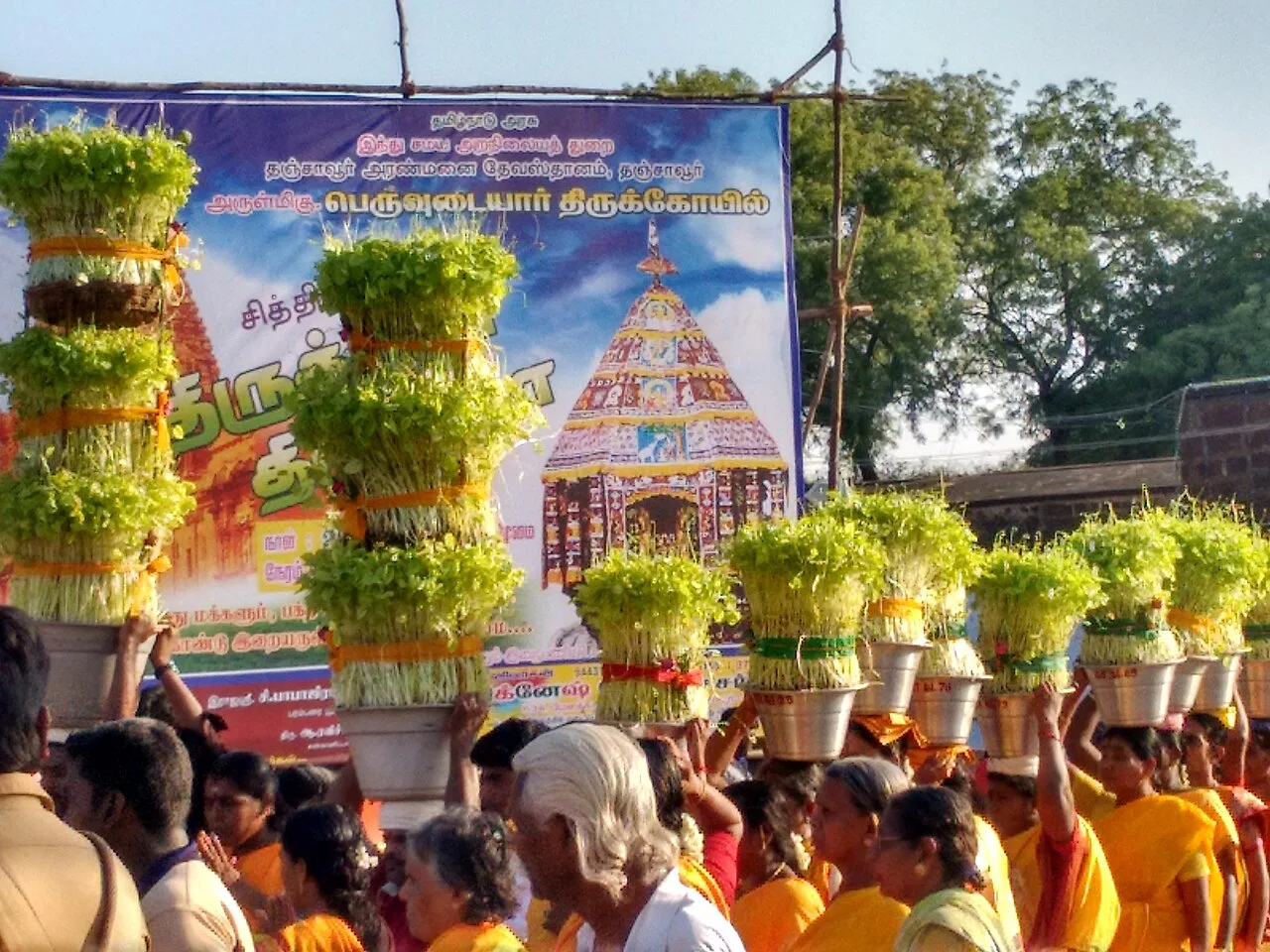
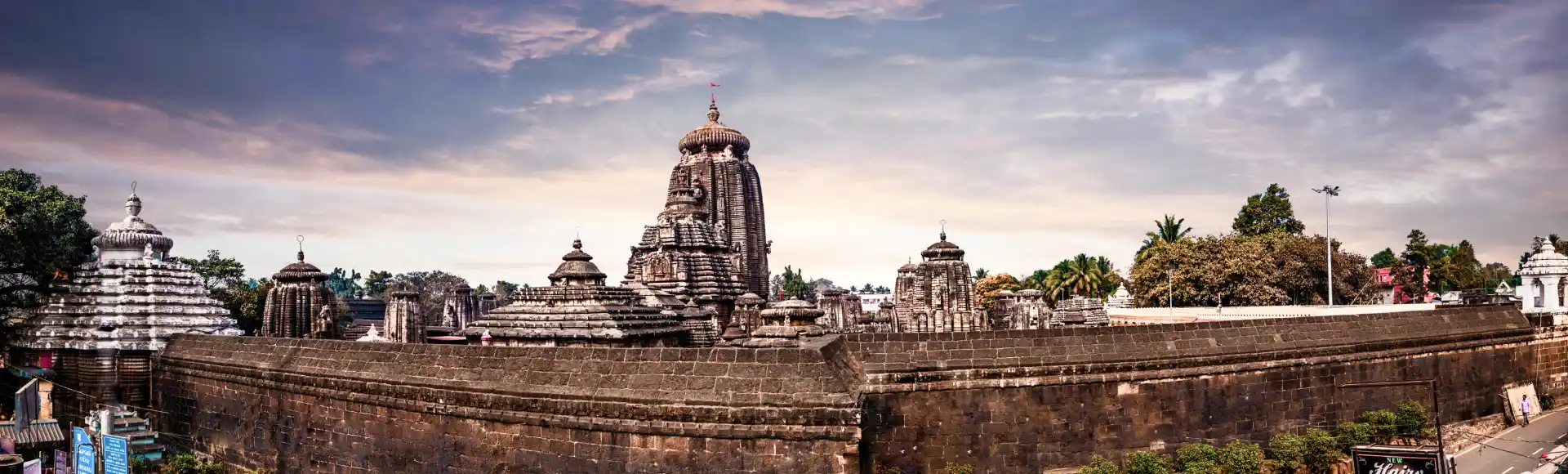
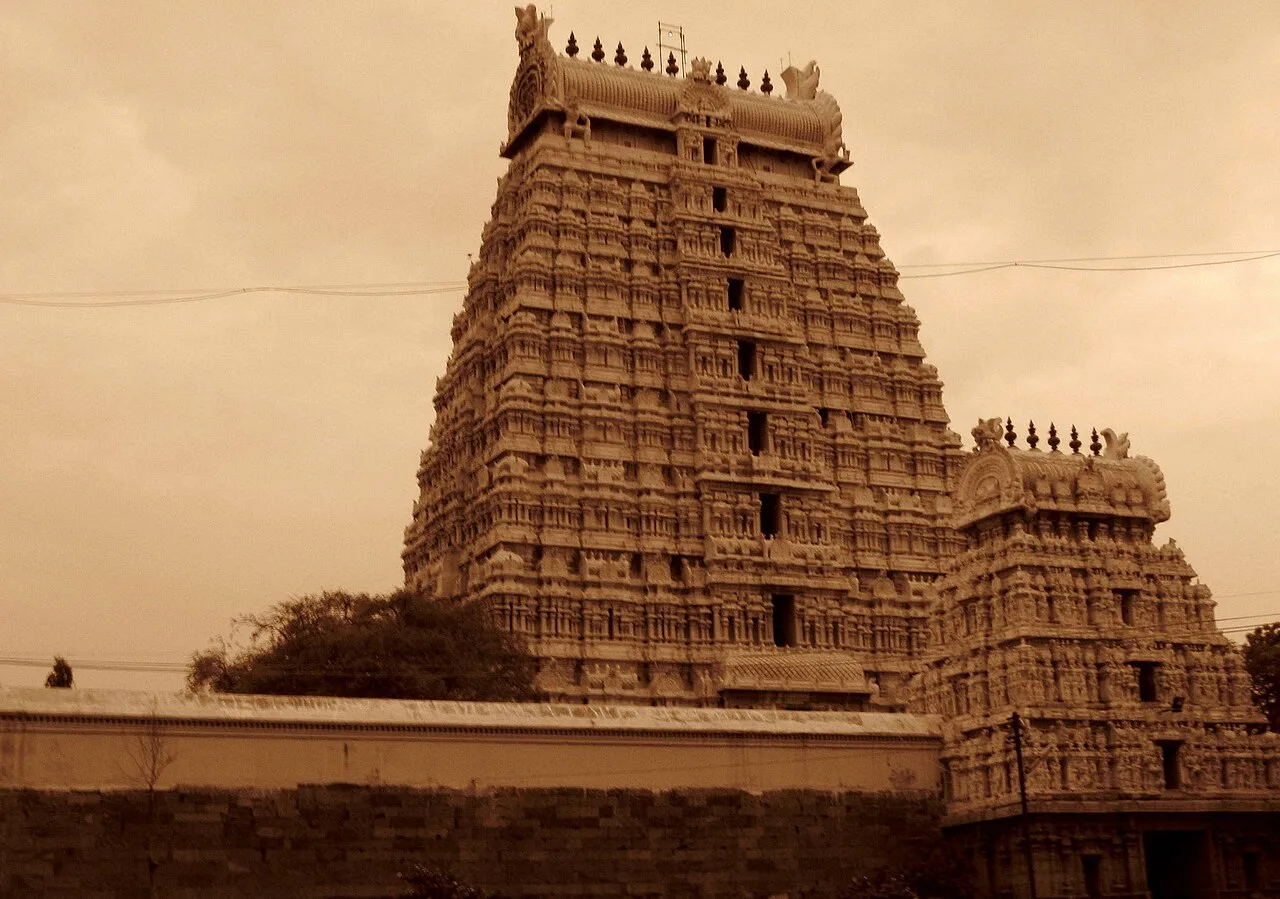
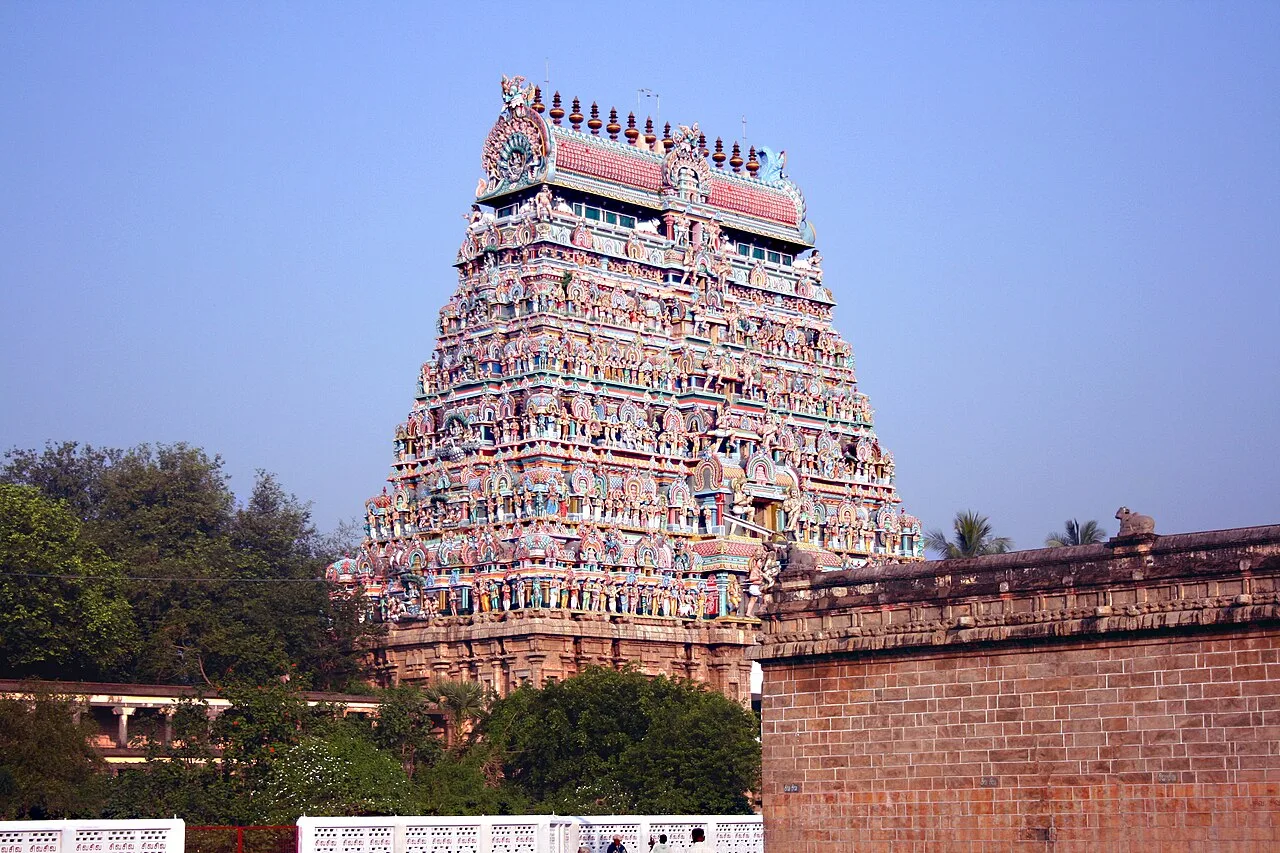
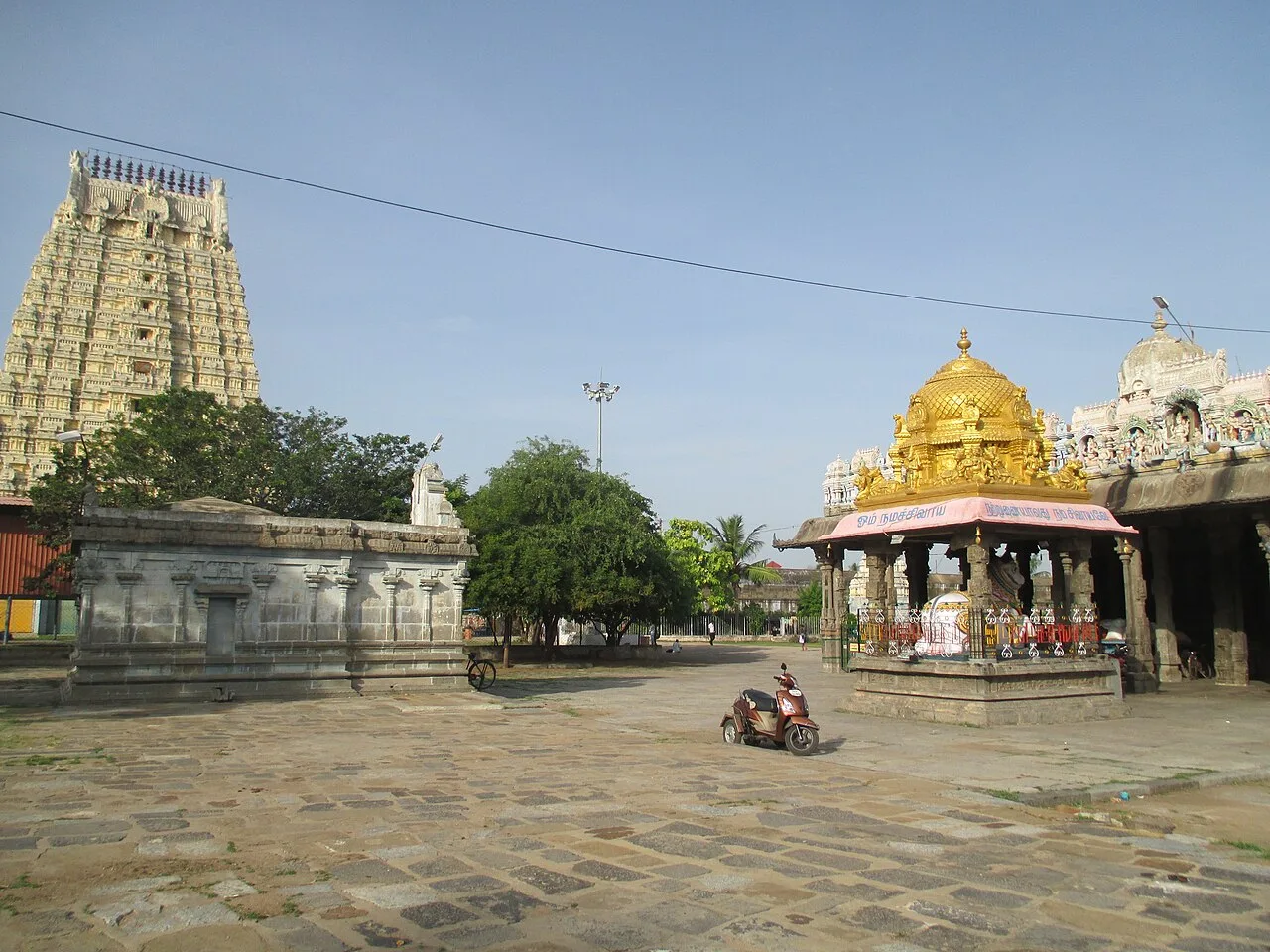
Other temples express regional theology and architectural history. At Tiruvannamalai, Arunachala is linked with Shiva as a column of fire; Ekambareswarar is associated with the element earth, and Srikalahasti with air. Chidambaram venerates Nataraja’s dance and the idea of space or consciousness, while Ujjain’s Mahakaleshwar is particularly associated with Shiva as lord of time. Great temples such as Brihadisvara and Lingaraja also embody centuries of living ritual and patronage, not merely a past architectural achievement.
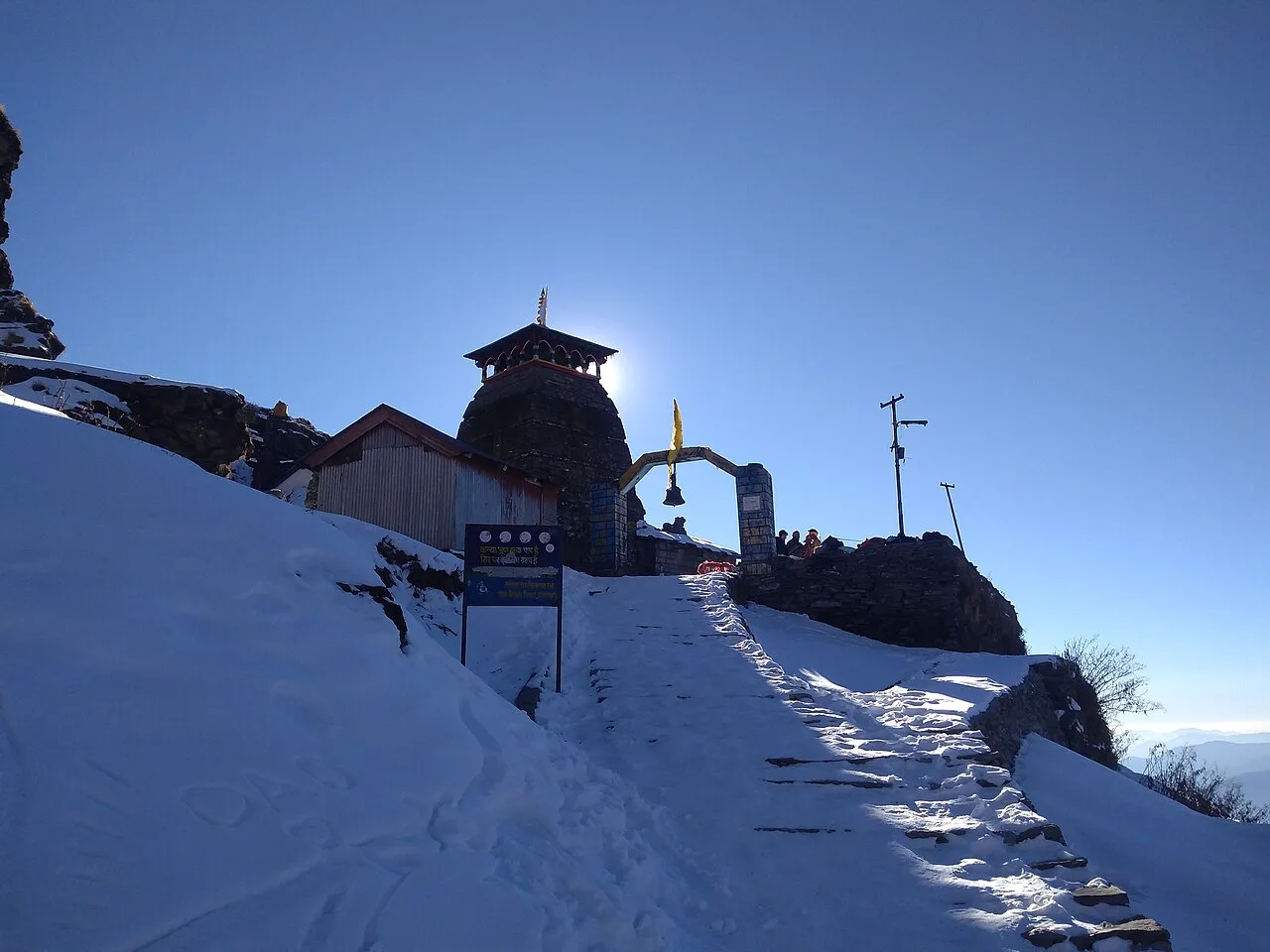
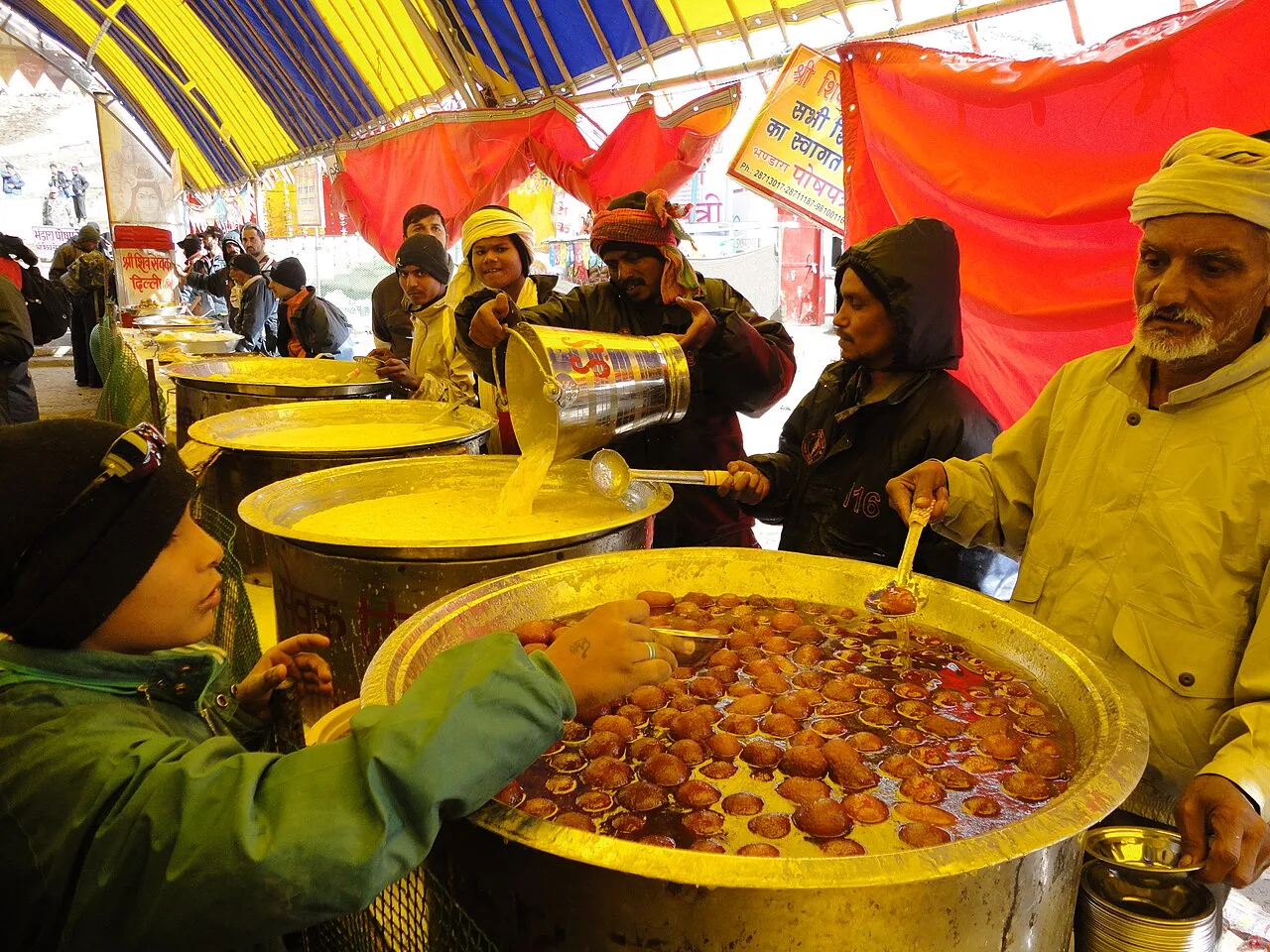
Devotees undertake these journeys to pray, make offerings, fulfil vows, mark life transitions or seek spiritual merit. Some follow a single temple’s annual festival; others combine shrines across a region or aspire to visit the Jyotirlingas. Mountain sanctuaries such as Kedarnath, Tungnath and Amarnath add physical effort to worship, making preparation part of the pilgrimage. No single itinerary or ritual suits everyone: local customs, sectarian traditions and the guidance of each temple shape the experience.