
The deity & the traditions of worship
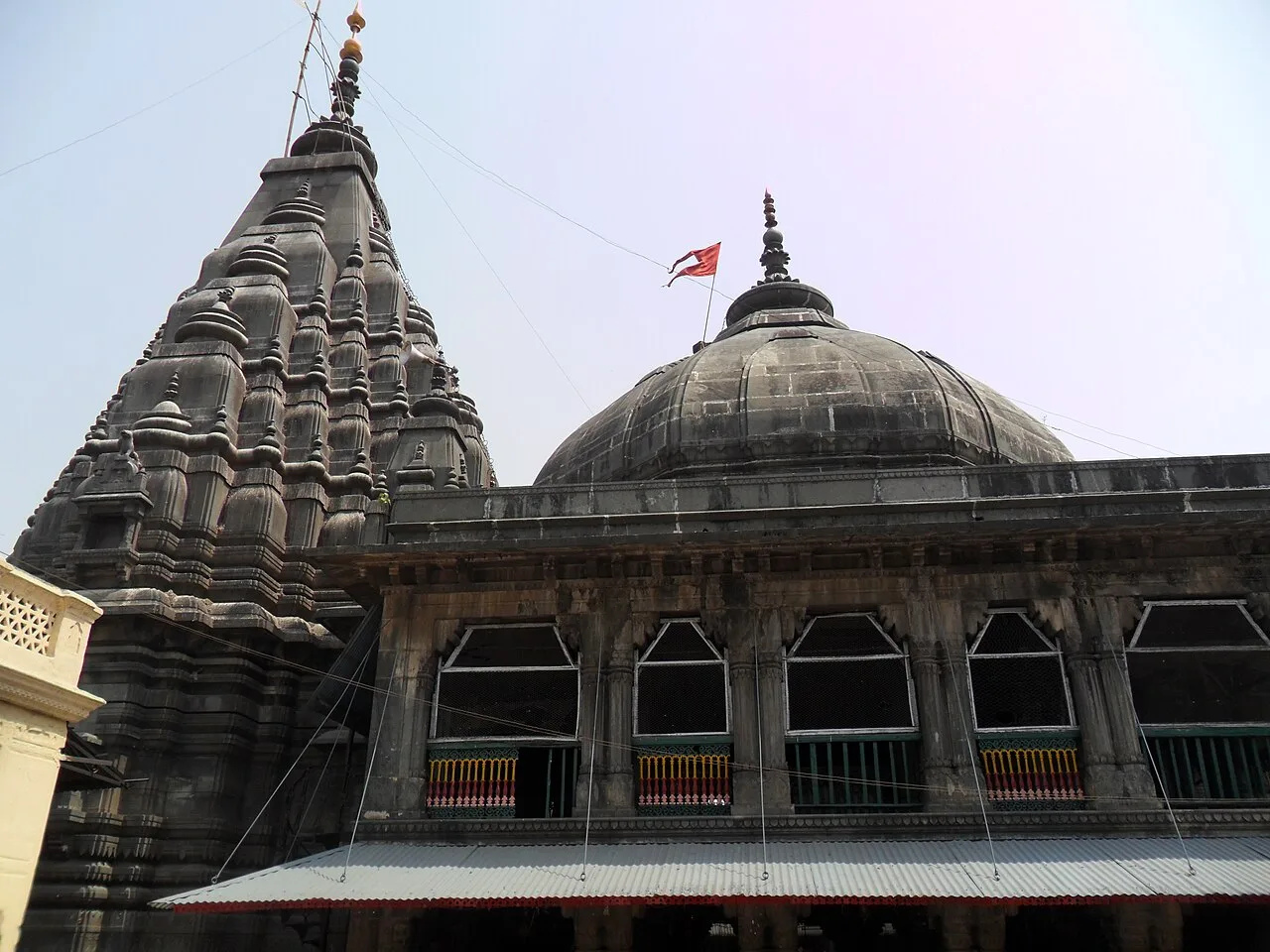
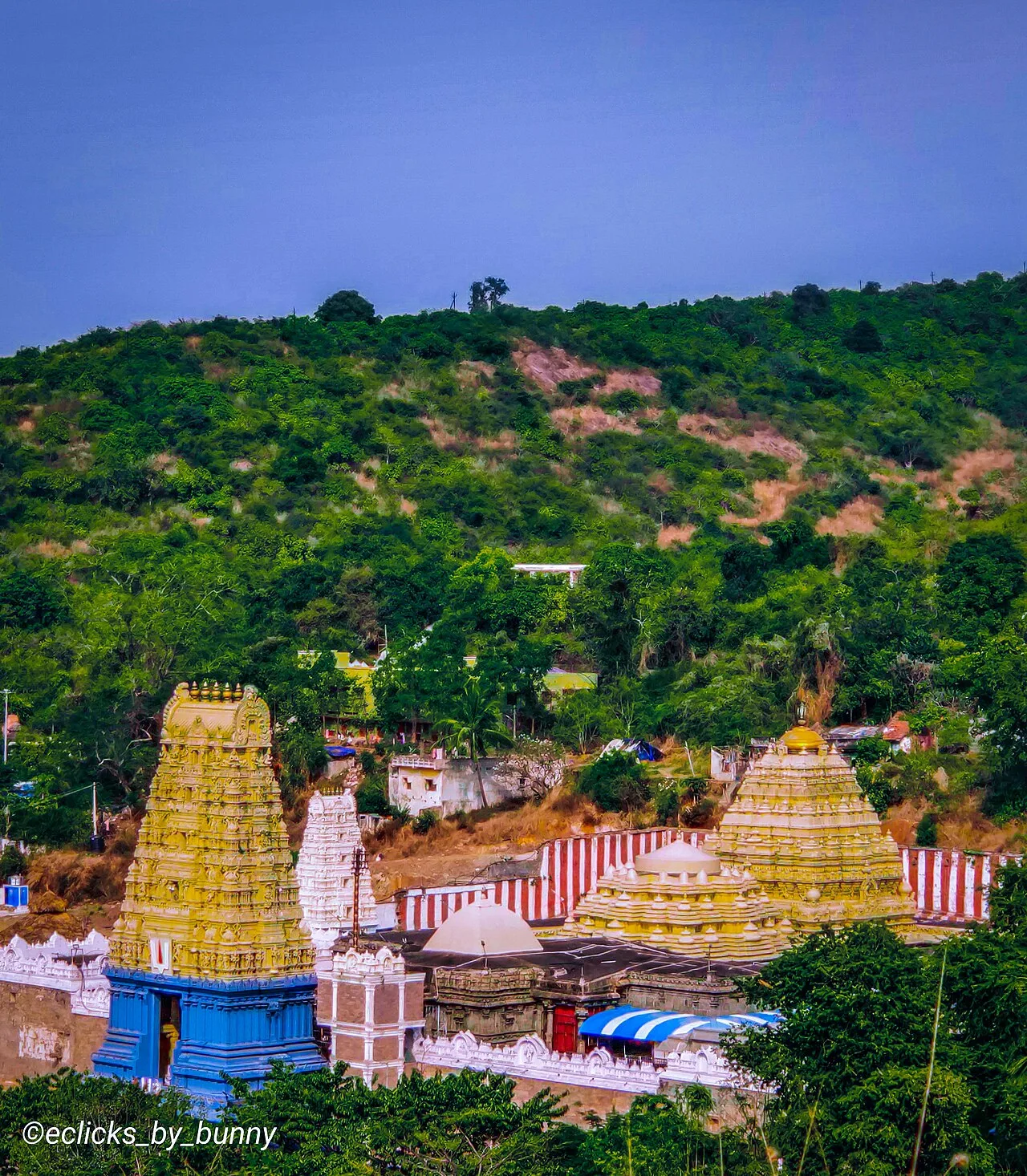
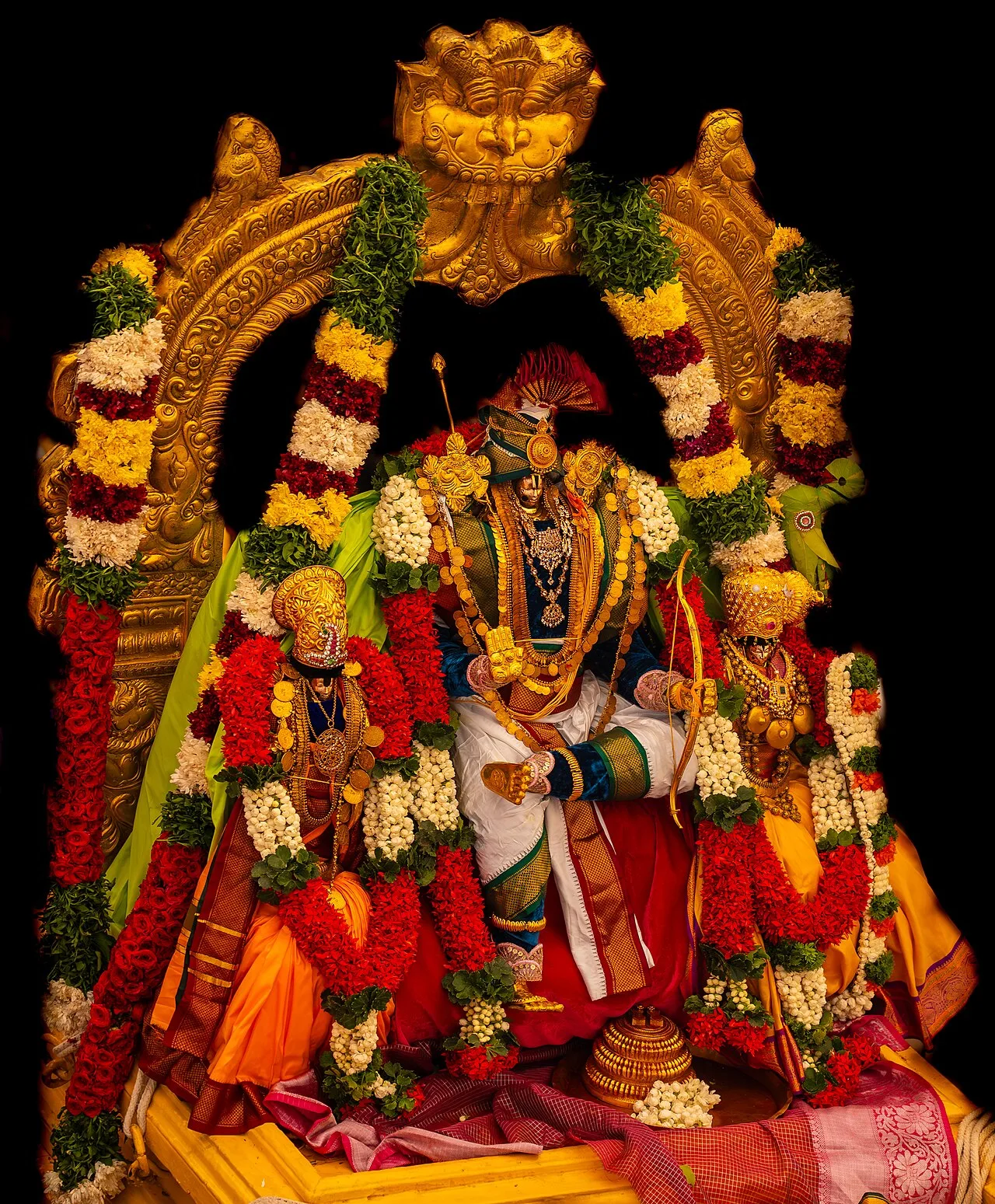
Vishnu is revered in Hindu traditions as preserver and protector, worshipped in many forms that meet the needs of different communities and devotional lineages. The temples in this guide honour Narayana, Krishna, Rama and other manifestations, with worship shaped by Puranic stories, regional histories and living customs. Vaishnava texts such as the Bhagavata Purana and the Ramayana inspire many of the legends associated with these places; Tamil hymns of the Alvars also praise several southern Vishnu shrines. The stories are understood in different ways across traditions, and local temple accounts remain important to devotees.
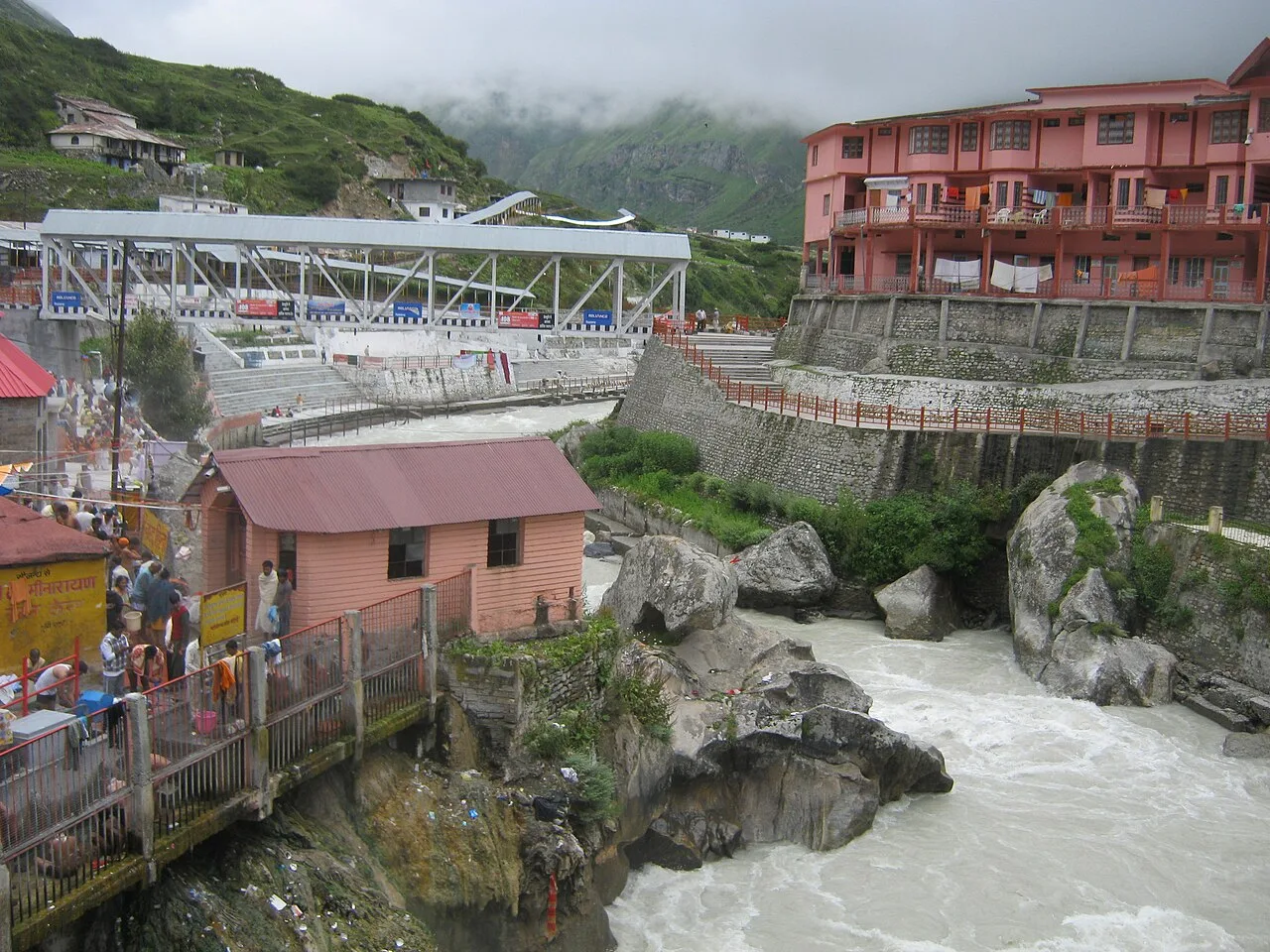
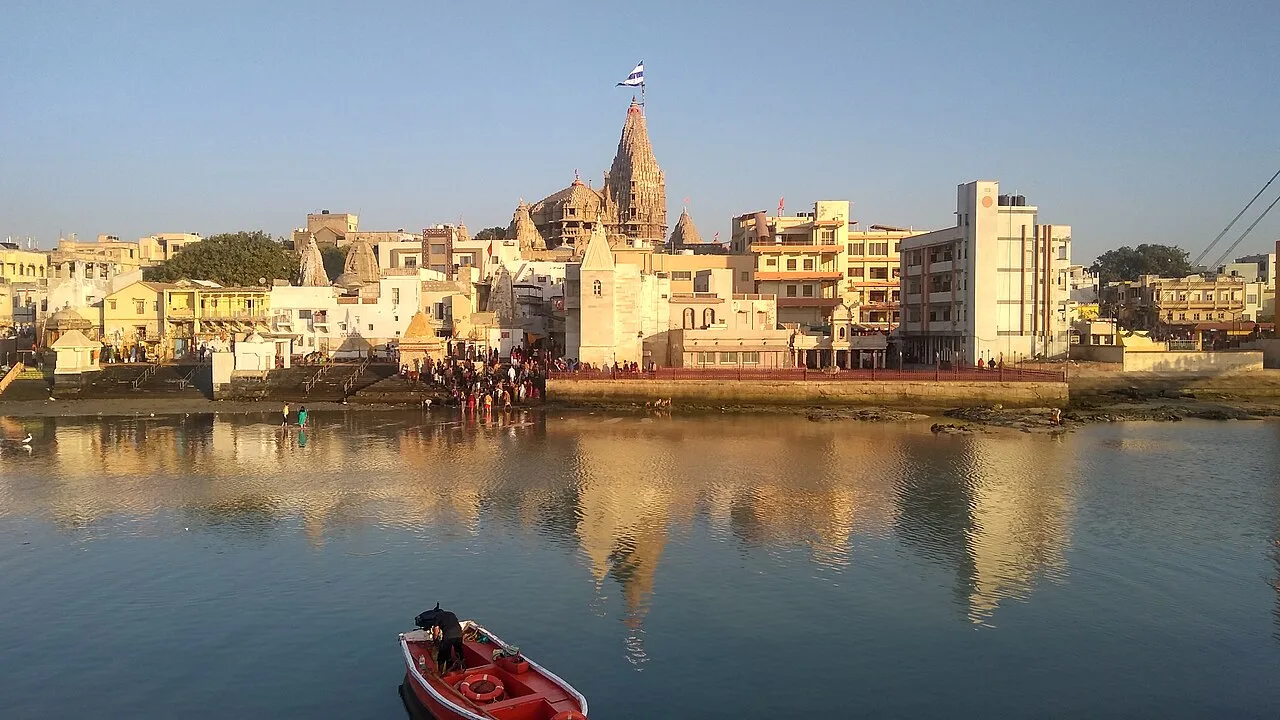
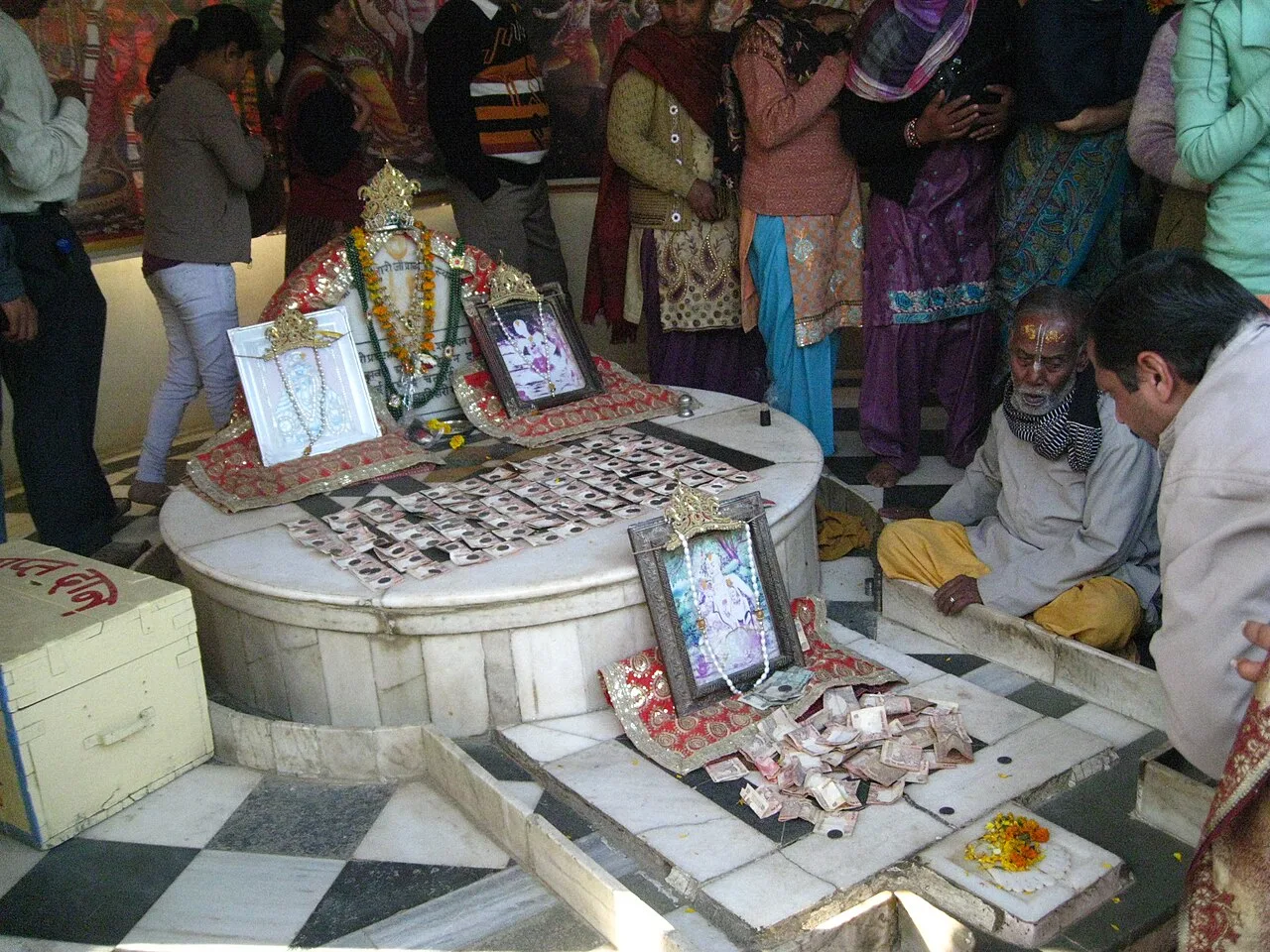
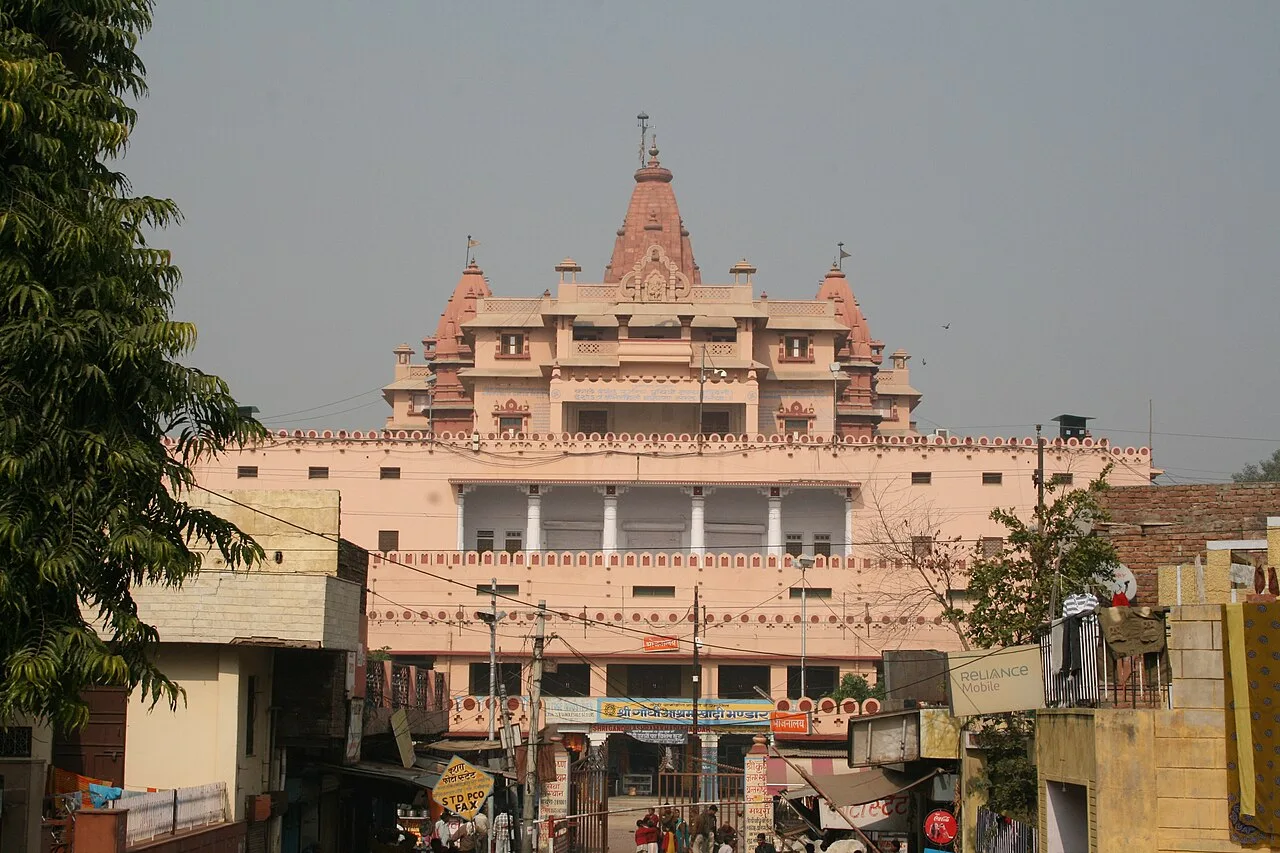
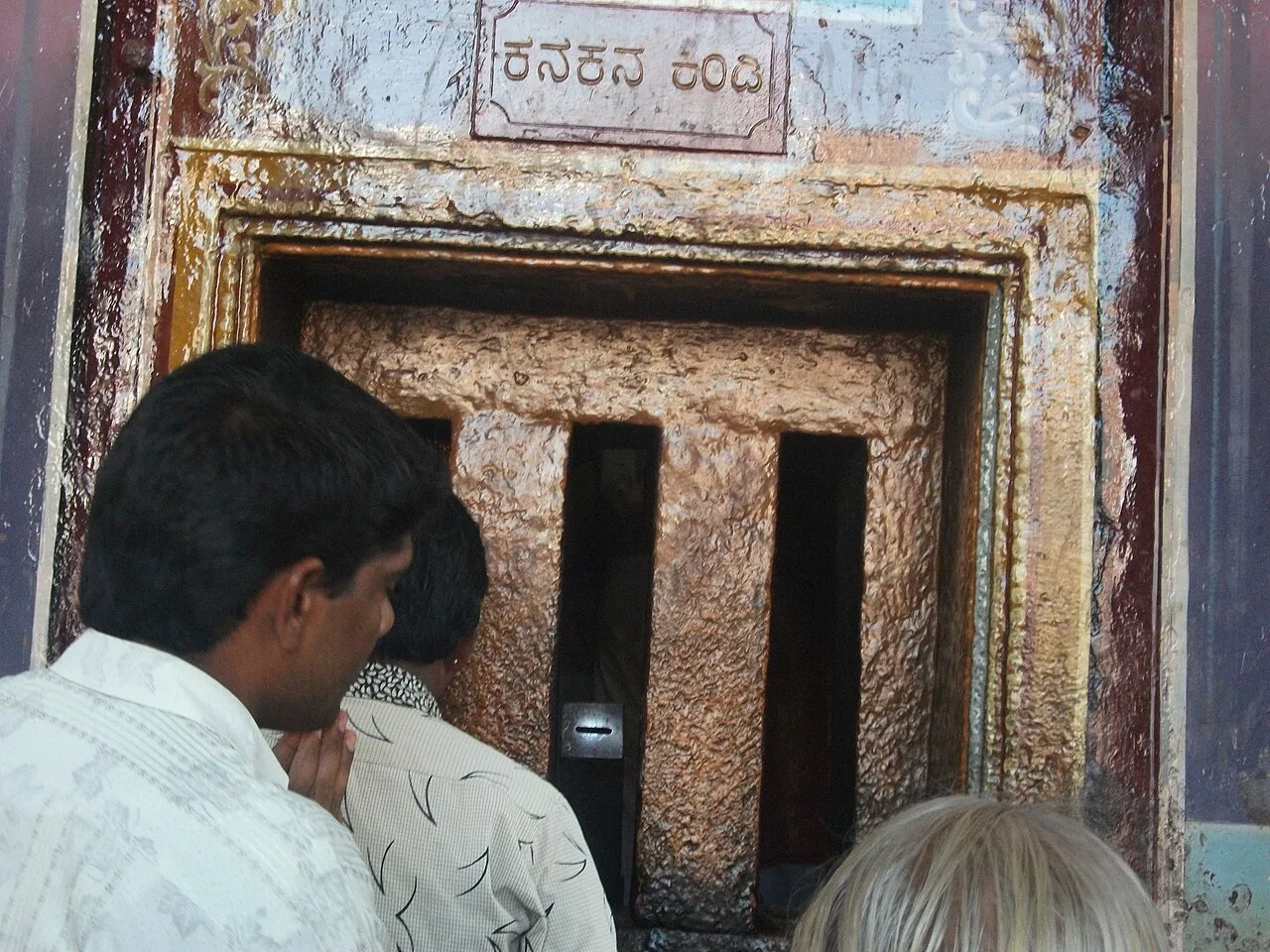
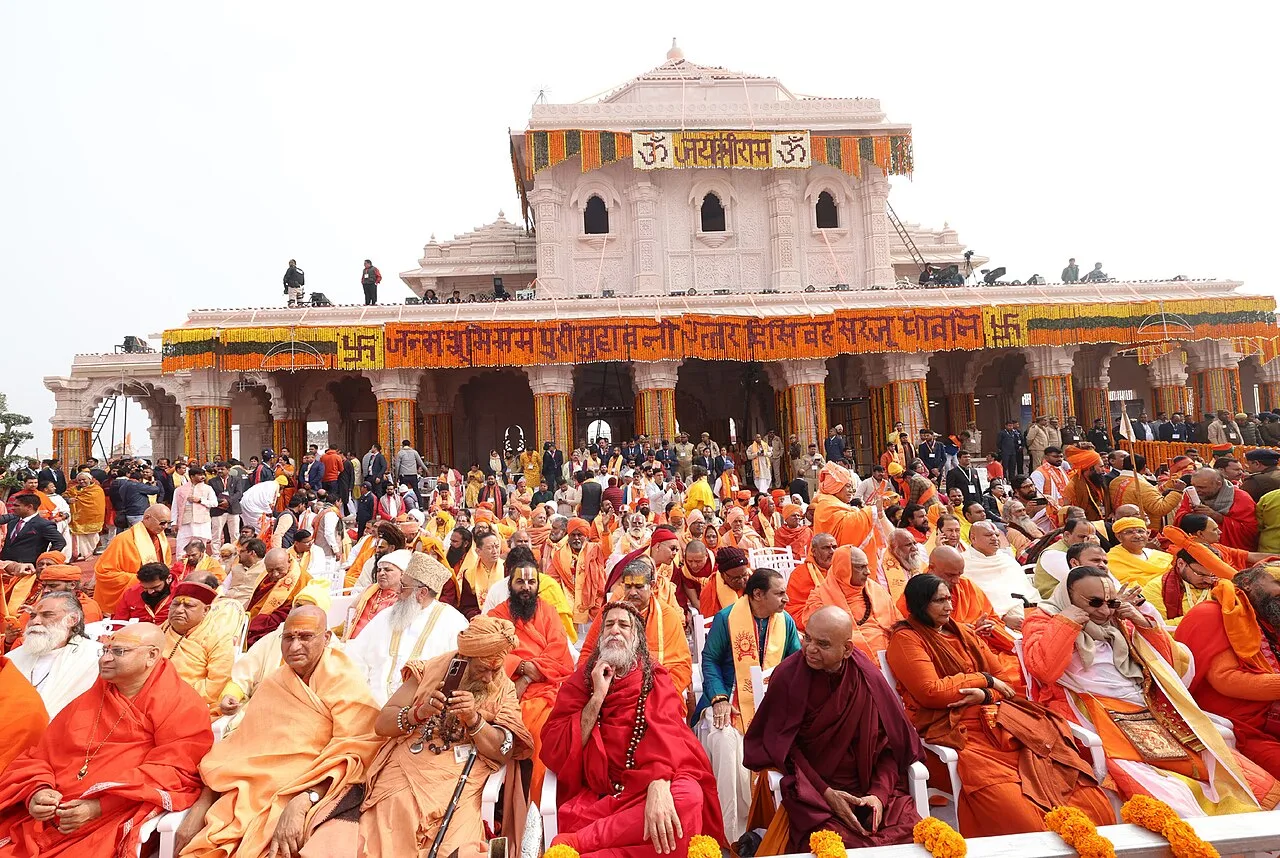
Pilgrims visit to seek blessing, offer thanks, mark family milestones, undertake vows or experience darshan, the auspicious sight of the deity. Some journeys are also acts of remembrance: at Gaya, Vishnupad is closely associated with rites for ancestors, while Badrinath is part of the Himalayan pilgrimage tradition. Krishna devotees may follow stories of his childhood and kingship through Vrindavan, Mathura, Dwarka, Nathdwara and Udupi; Rama devotees travel to Ayodhya and Bhadrachalam. These are distinct destinations, not a single prescribed circuit.
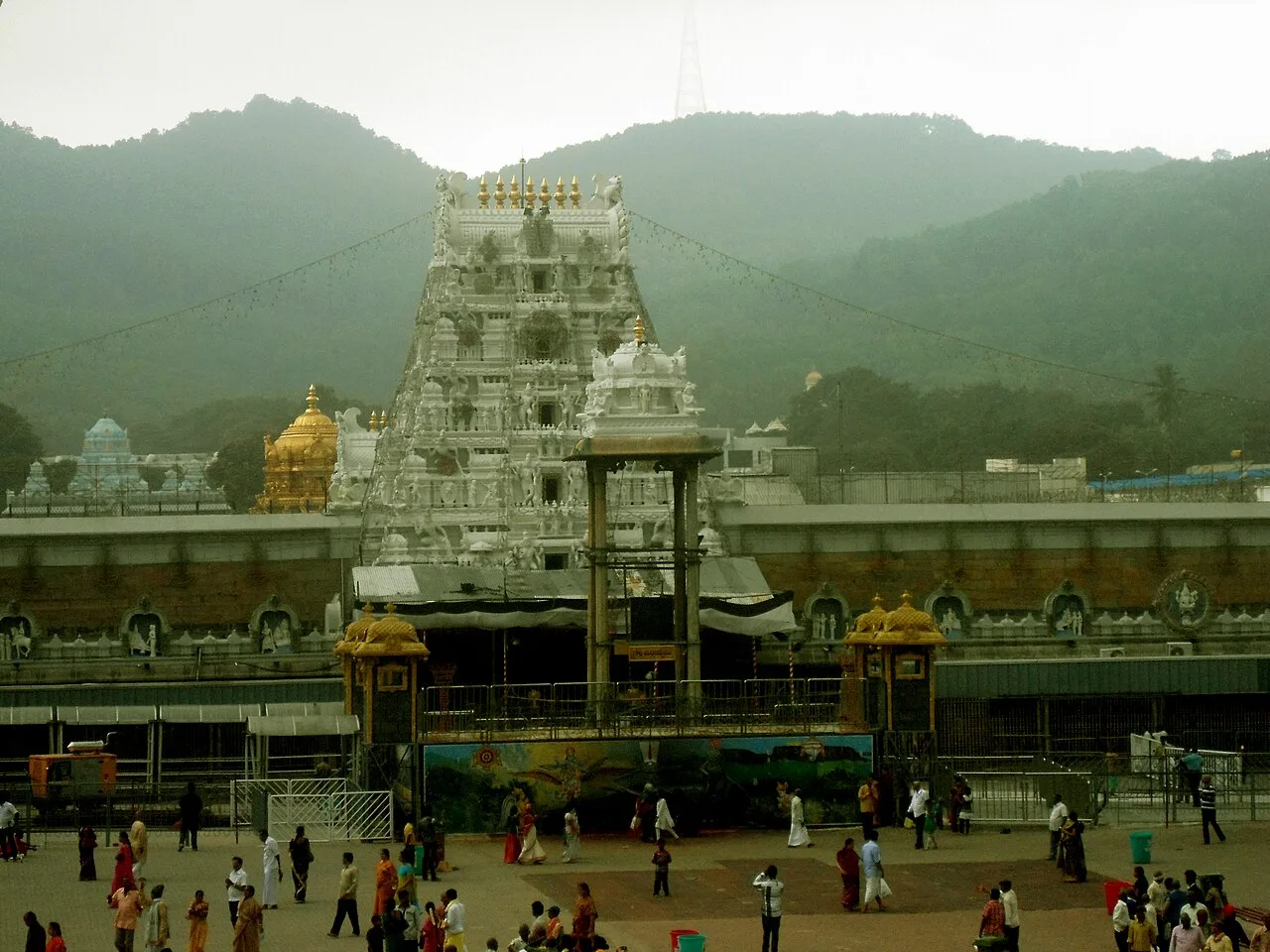
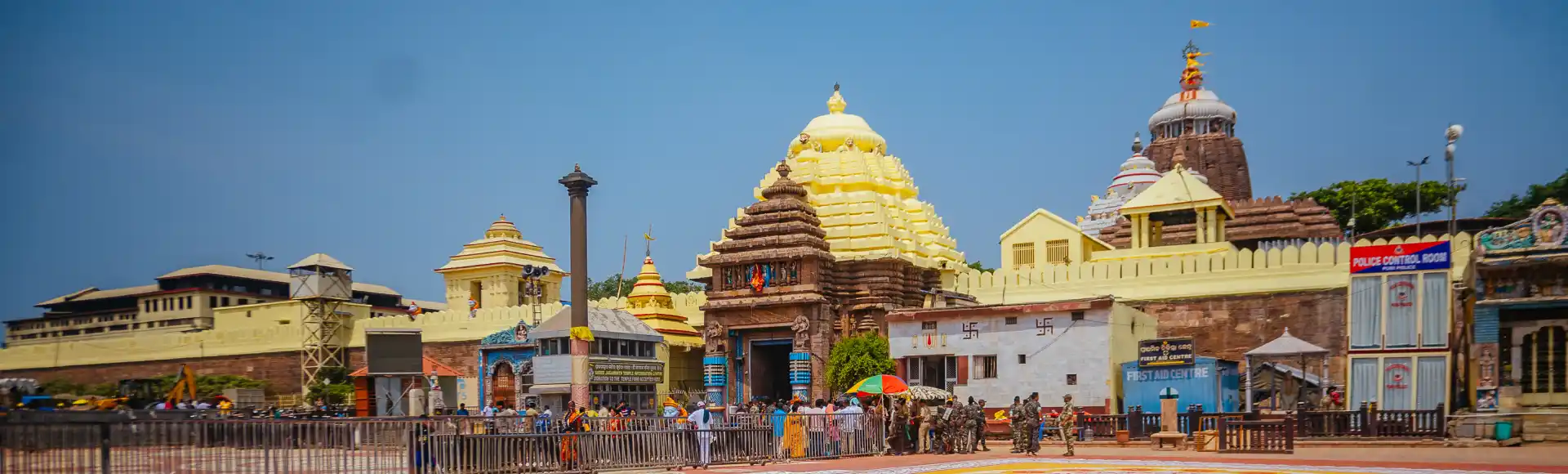
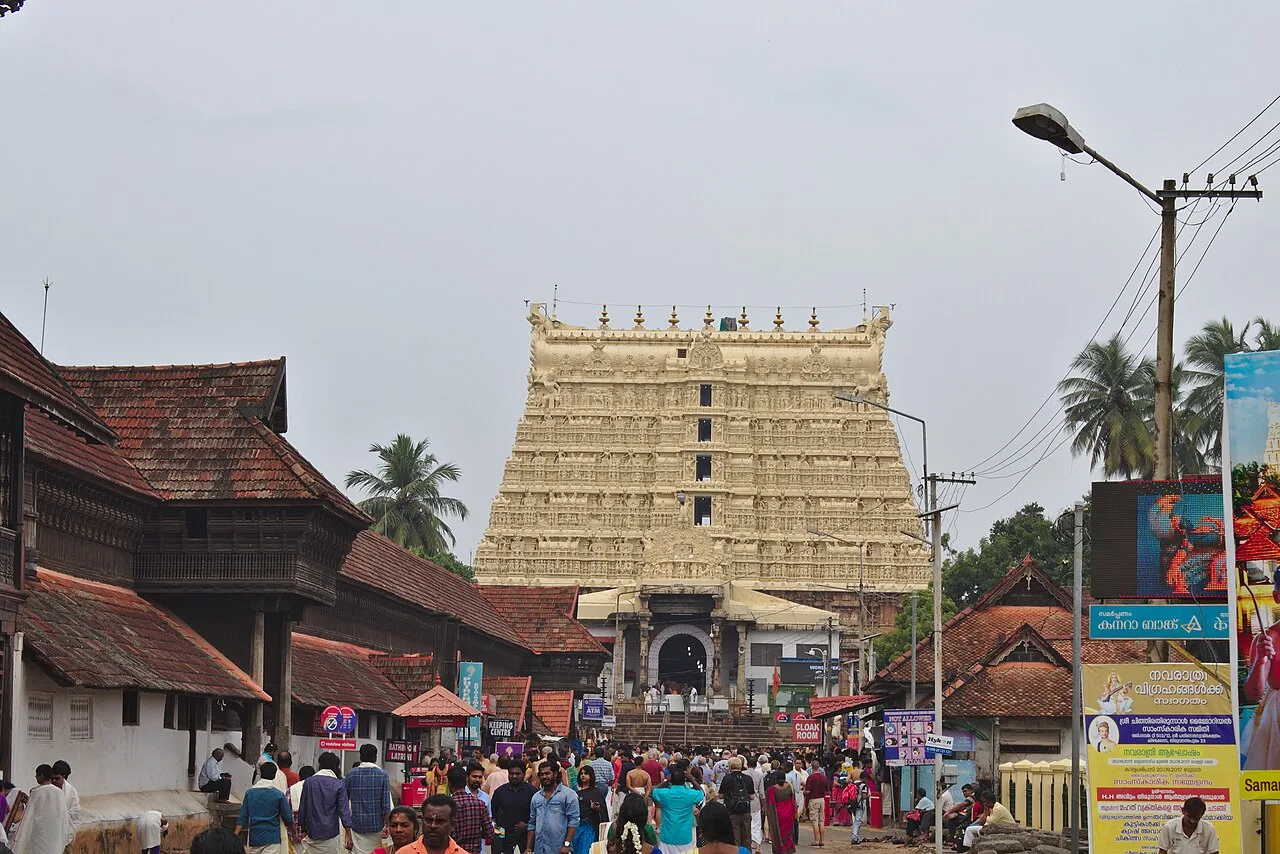
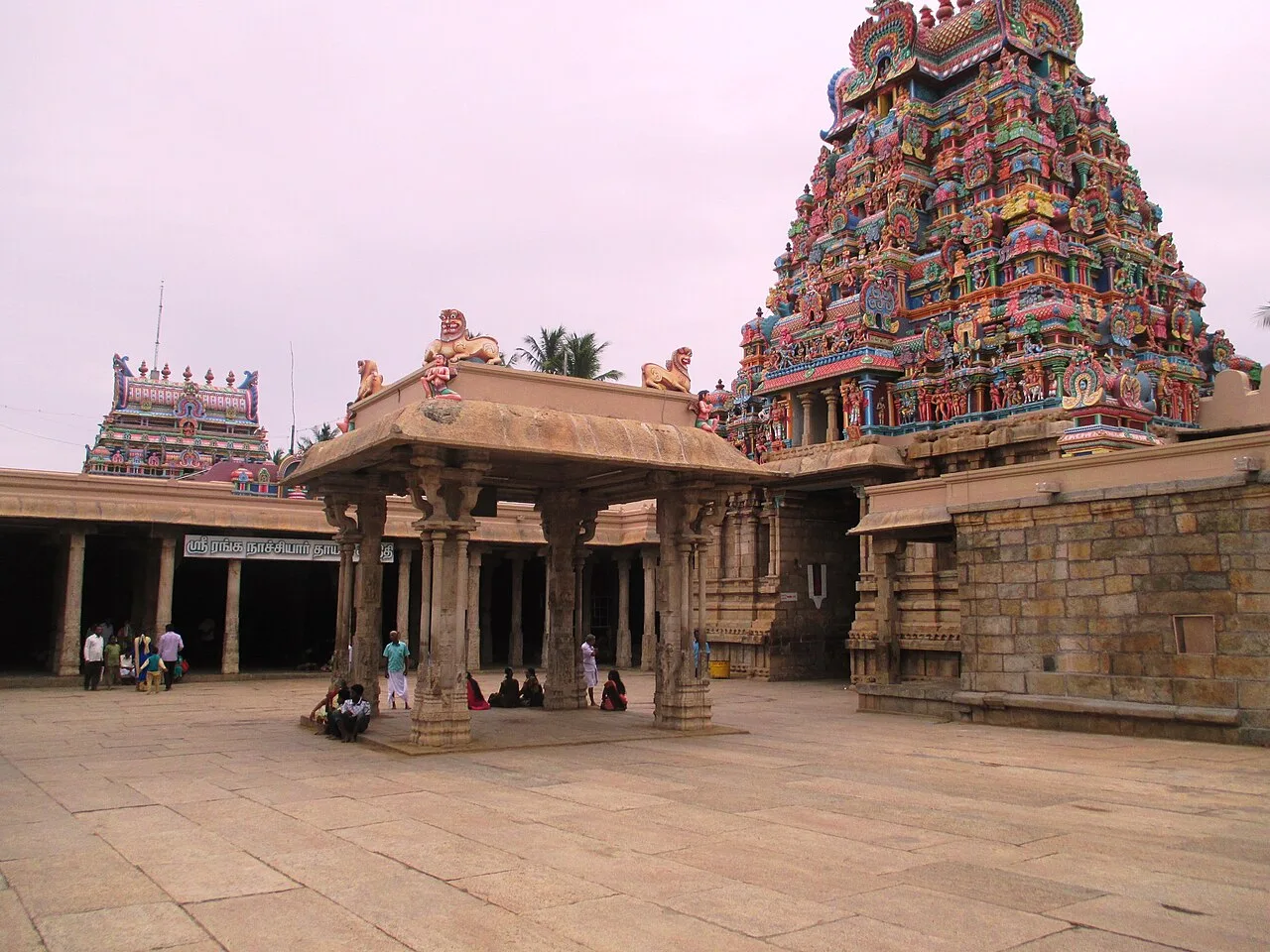
The shrines also preserve varied forms of worship, from the elaborate temple services of Tirumala and Srirangam to the distinctive rituals of Puri and Guruvayur. Their architecture, music, processions and food offerings reflect the regions in which they developed. For many visitors, pilgrimage combines prayer with learning, family observance and service, while the central purpose remains respectful attendance before the deity.