Ghumoopedia — Explore, Discover, Experience
Sign in
Thiruparankundram Murugan Temple, near Aruppukkottai

City guide · Tamil Nadu

Aruppukkottai

Aruppukkottai is an important town in Virudhunagar district, serving as a commercial and transport centre for the villages and smaller towns of the district’s eastern side. Its position on the route carried by National Highway 38 helps connect the interior with larger centres, including Madurai, roughly 50 kilometres away.

Famous for

  • Aruppukkottai cotton yarn
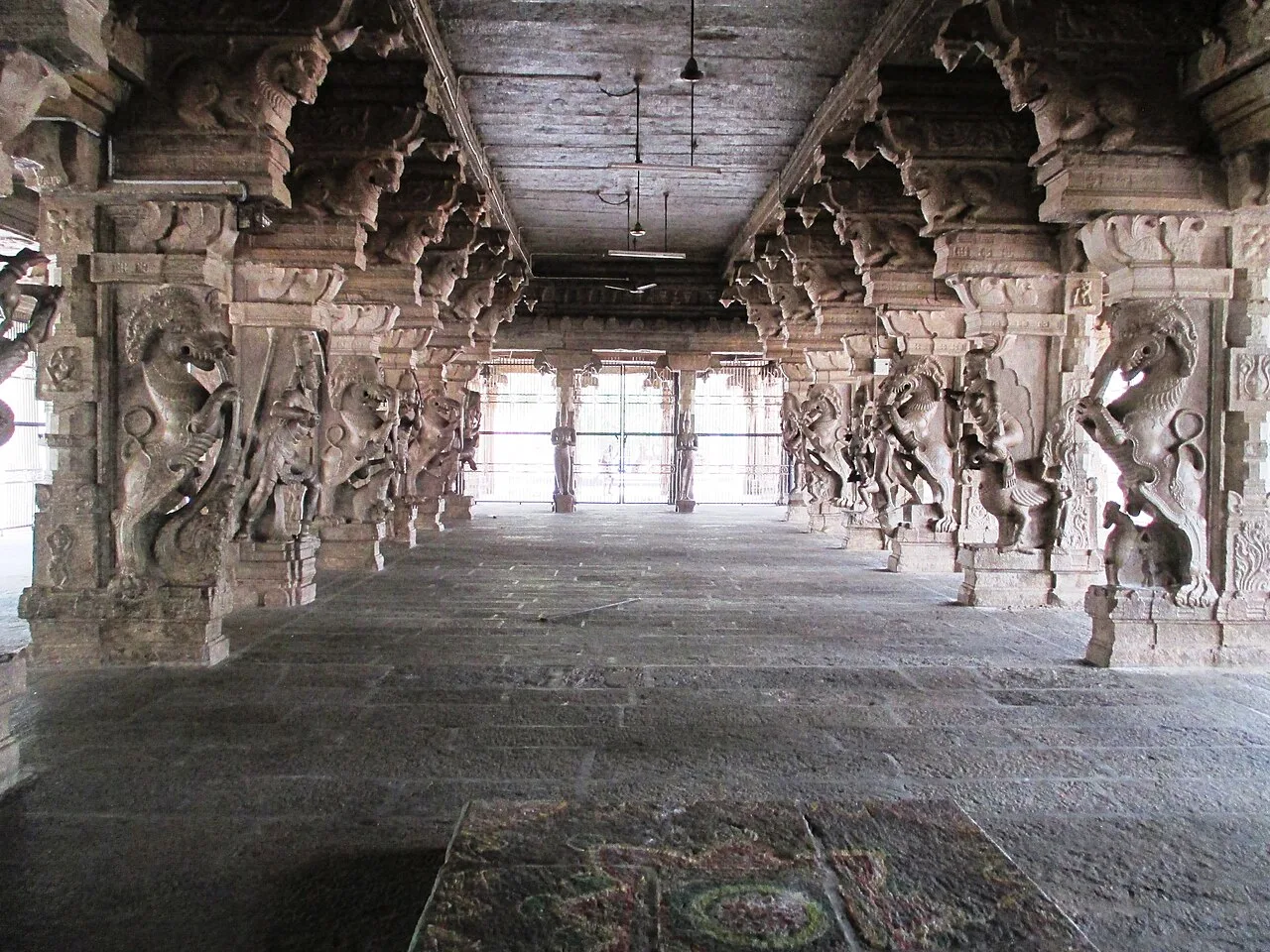
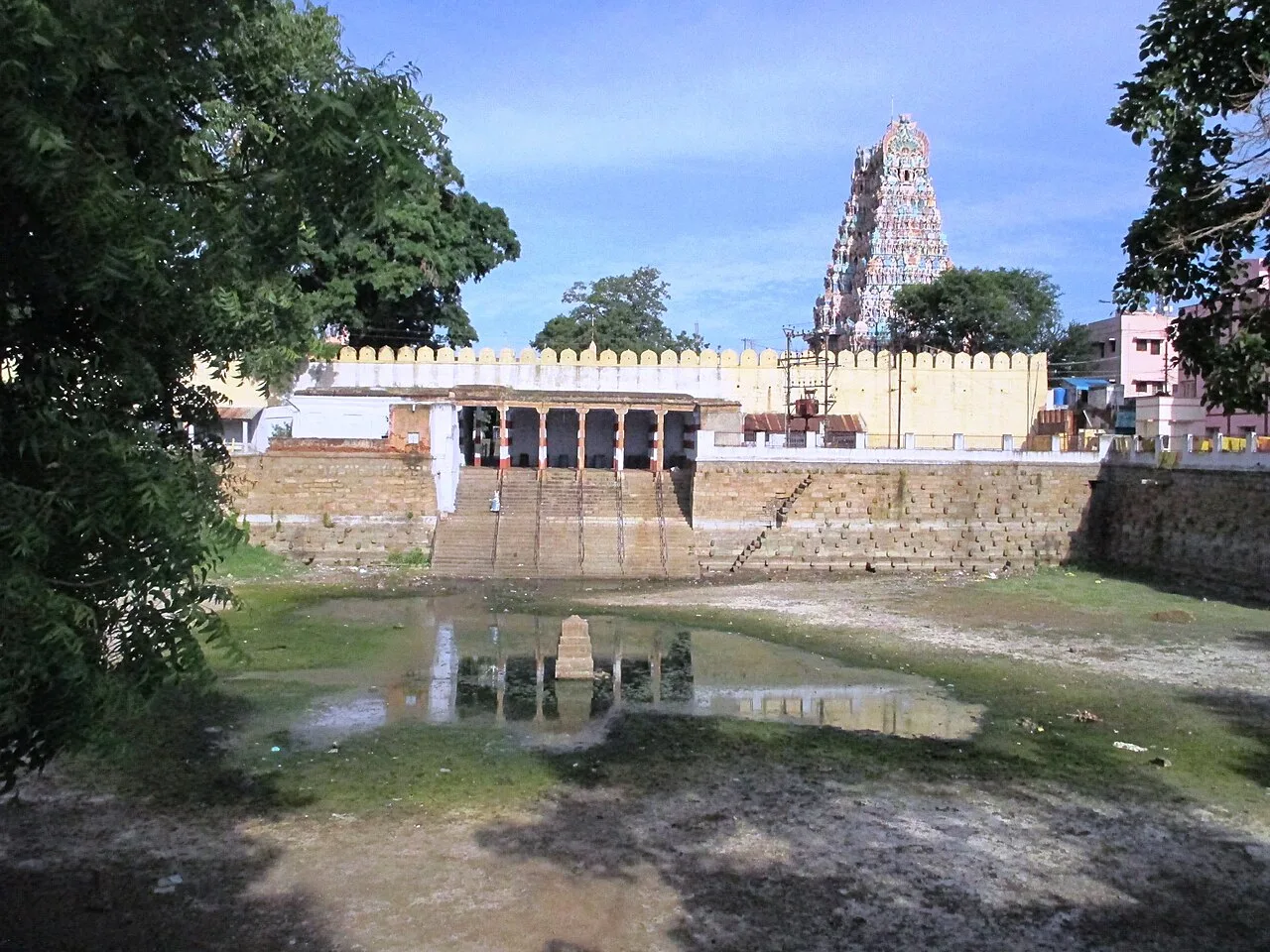
  • Meenakshi Chokkanatha Temple
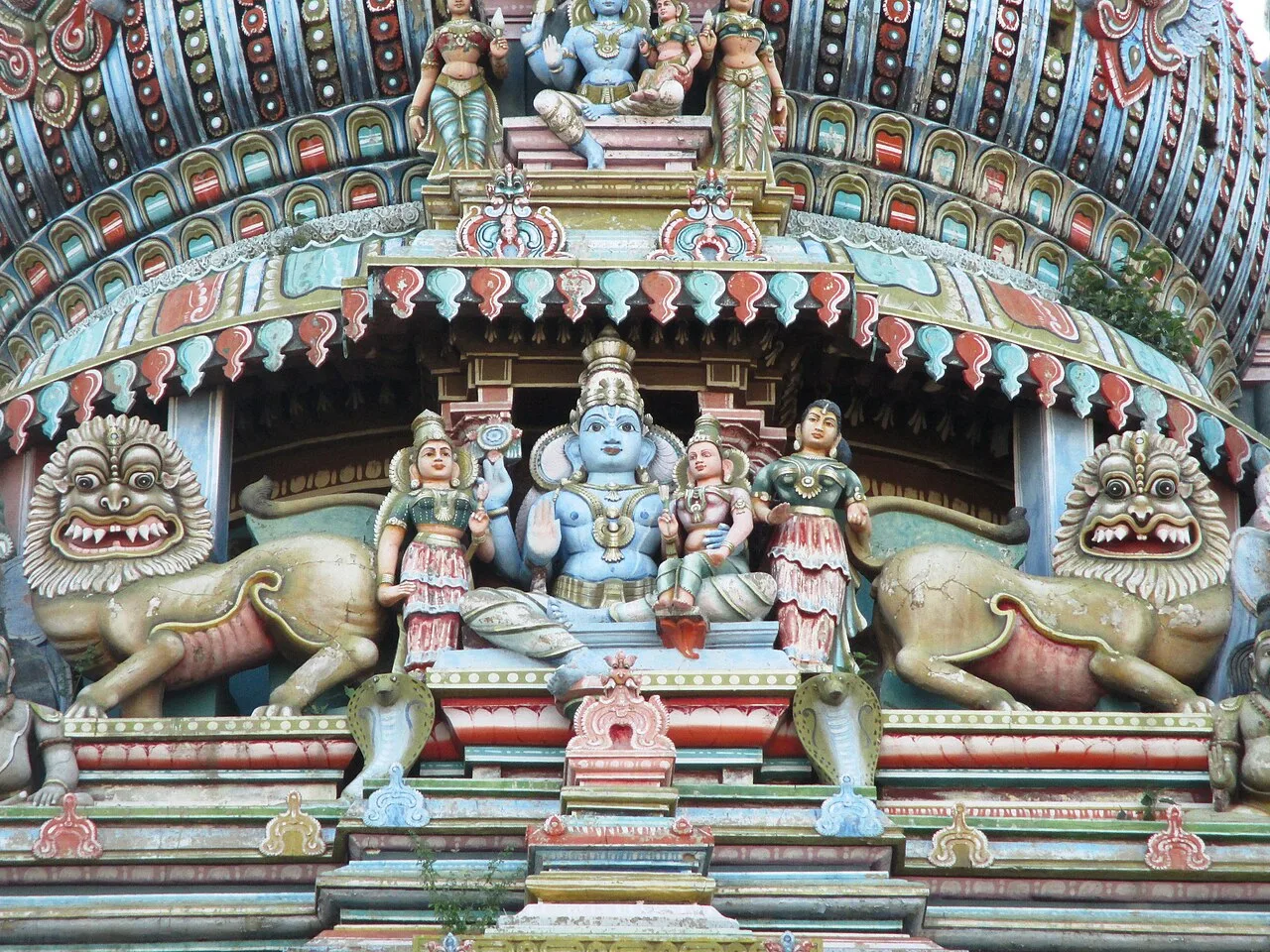
  • Seenivasa Perumal Temple
  • Surrounding jasmine-growing villages
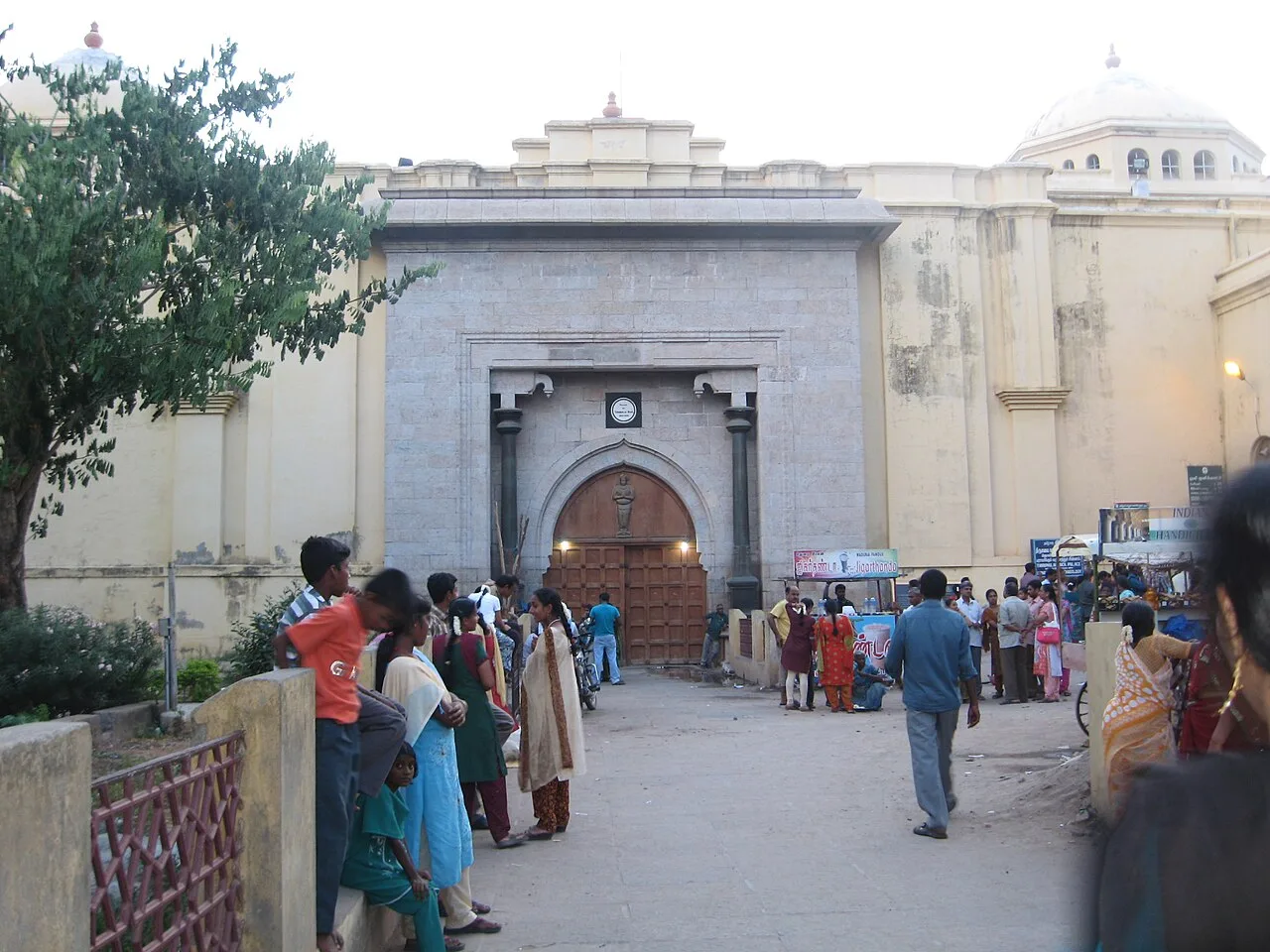
  • Palyampatti Zamin Palace

Why Aruppukkottai matters

Aruppukkottai is an important town in Virudhunagar district, serving as a commercial and transport centre for the villages and smaller towns of the district’s eastern side. Its position on the route carried by National Highway 38 helps connect the interior with larger centres, including Madurai, roughly 50 kilometres away. Local trade, transport and textile production give the town a practical, busy character rather than that of a resort destination.

Visitors come for its temples and for a glimpse of everyday life in a regional market town. The 13th-century Arulmigu Meenakshi Chokkanatha Swamy Temple is a major landmark, while Seenivasa Perumal Temple stands on Malai Arasan Hill. Nearby Tiruchuli, associated with the birth of spiritual teacher Sri Ramana Maharishi, makes a worthwhile excursion. The surrounding countryside is also known for jasmine cultivation. Aruppukkottai’s identity brings together temple heritage, cotton-yarn production and the movement of goods and people between rural communities and larger towns.
Famous for: crafts, trade & products

Aruppukkottai is especially associated with cotton yarn and textile production. Spinning and related textile businesses have long been part of its economy, linking the town to the wider cotton trade. Visitors can look for yarn and textile products in local commercial areas and shops around the central bazaar; the town is more notable as a production and trading centre than as a destination for a single signature saree or handicraft. Product ranges and availability vary between businesses, so it is useful to ask locally about mills and sellers open to visitors.

The villages around Aruppukkottai grow jasmine, which enters local markets and regional trade. The town also serves as a shopping centre for nearby communities, with everyday goods and produce sold in its market streets. No particular GI-tagged product is central to its identity. Palyampatti, associated with a Zamin palace linked to the Sethupathi rulers of Ramnad, offers a glimpse of the area’s landed history, though access to historic properties may vary. For a visitor, the most grounded way to explore the town’s trade is to walk through its busy central shopping streets and observe the movement of textiles, produce and daily supplies.

History

Aruppukkottai is remembered by the classical name Sengattu irukkai idathuvali. Its history is tied to the wider Pandya region and to the Sethupathi rulers of Ramnad, whose influence extended into the surrounding area. Palyampatti is associated with a Zamin palace connected to the Sethupathi lineage. The town’s best-known historic religious landmark, Arulmigu Meenakshi Chokkanatha Swamy Temple, is attributed to the 13th-century Pandya king Maravarma Sundarapandiyan.

During British rule, older systems of regional authority gave way to colonial administration, while Aruppukkottai continued to serve the surrounding settlements as a local market and service centre. Its position on important overland routes helped sustain that role. In modern times, cotton-yarn production, textile activity and road connections have shaped its economy and growth. The town remains closely connected to nearby villages, both as a place to trade and as a centre for transport and everyday services. Tiruchuli, nearby, is known as the birthplace of Sri Ramana Maharishi.

Food, festivals & culture

Tamil is the main language of daily life, trade and worship. The town’s religious calendar follows Tamil Nadu’s broader traditions: Pongal is celebrated in January, Tamil New Year in April, and Deepavali usually falls in October or November. Temple festivals take place during the year, with dates varying by temple and Tamil calendar. At these occasions, worship, processions and devotional music bring residents and visitors together. Nadaswaram and percussion are familiar sounds at temple celebrations, while folk performance traditions may feature at local events.

The Meenakshi Chokkanatha Swamy Temple and Seenivasa Perumal Temple are central places of worship. For food, visitors will find familiar Tamil meals, rice dishes, idli and dosa, as well as tea-shop snacks and sweets. These are everyday regional offerings rather than dishes unique to Aruppukkottai; menus and specialities vary from one eatery to another. Jasmine from nearby growing villages is part of the region’s agricultural and market life, and its fragrance is especially noticeable when flowers are being traded or used for worship and adornment.

Visiting the city

The cooler months from November to February are generally the most comfortable for exploring. Summers are hot, and October to December can bring rain, so carry sun protection in warmer months and check local conditions during the rainy season. Madurai Airport is the nearest major airport, about 50 kilometres away. Aruppukkottai Railway Station serves the town; Virudhunagar Junction is a larger rail hub for connections.

Auto-rickshaws and local buses are useful for getting around, while walking suits the central shopping streets and temple areas. Explore the town centre and bazaar for everyday trade, visit Meenakshi Chokkanatha Swamy Temple, and go up to Seenivasa Perumal Temple on Malai Arasan Hill. Palyampatti and nearby Tiruchuli can be considered for excursions; check locally about access to historic properties and onward transport.

Trips from the city

Nearest places to visit from Aruppukkottai

Our closest destination guides, by straight-line distance.

Thiruparankundram Murugan Temple

41 km away · Madurai district

Thiruparankundram Murugan Temple

This hill-cut Hindu temple in Thiruparankundram, Madurai district, honours Murugan and is part of the Arupadai Veedu. People visit to worship and attend festivals, particularly Kantha Sashti.

Koodal Azhagar Temple

45 km away · Madurai district

Koodal Azhagar Temple

Koodal Azhagar is a Vaishnava temple in Madurai, revered as one of Vishnu’s 108 Divya Desams. Visitors come to worship Vishnu and Lakshmi and see its Dravidian architecture and shrines.

Thirumalai Nayakkar Mahal

45 km away · Madurai district

Thirumalai Nayakkar Mahal

This Madurai palace is the surviving part of a larger Nayak royal complex, visited for its historic residence and connection to Tirumala Nayaka.

Vandiyur Mariamman Temple

45 km away · Madurai district

Vandiyur Mariamman Temple

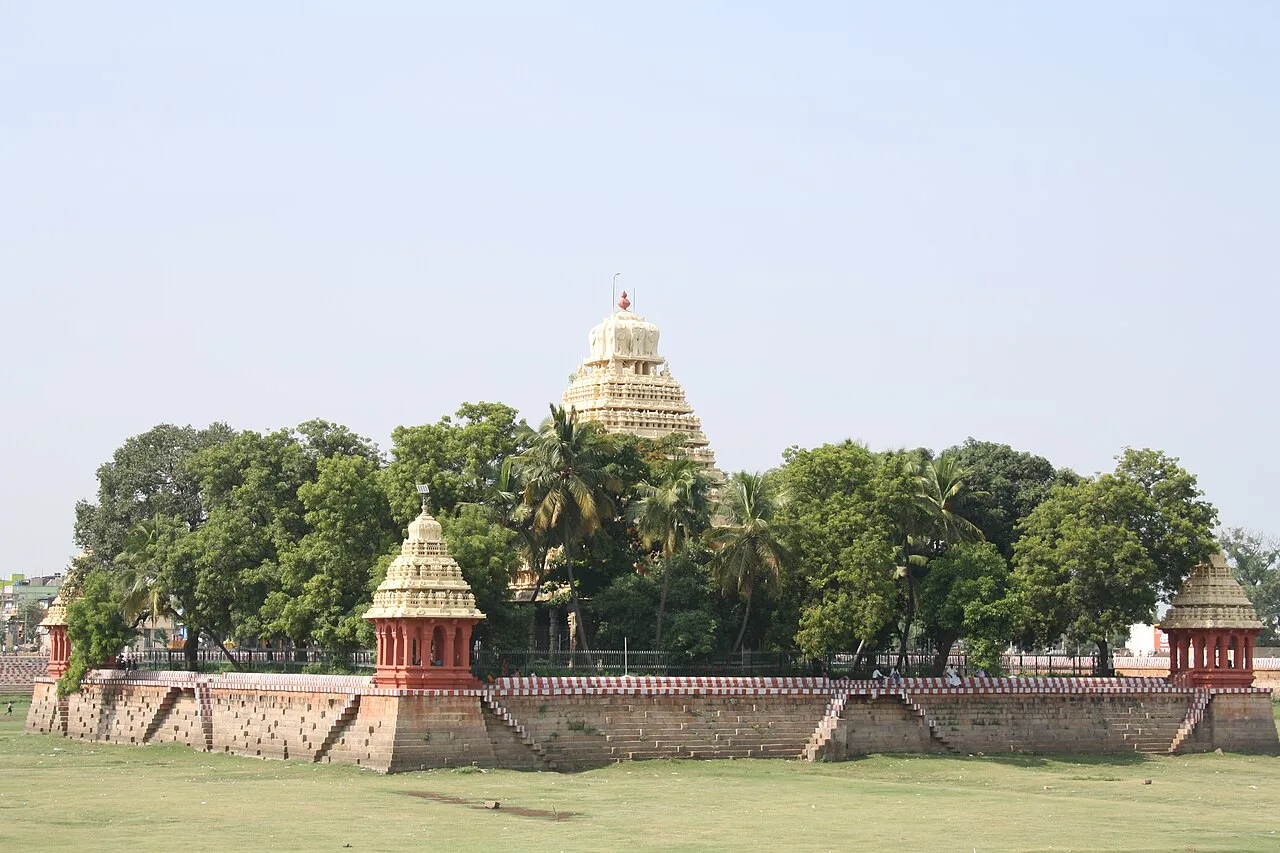
A shrine to Mariamman in Madurai, Tamil Nadu, Vandiyur Mariamman Temple draws visitors for worship and for its tank, which is used during temple festivities.

Meenakshi Temple, Madurai

46 km away · Madurai district

Meenakshi Temple, Madurai

Meenakshi Temple is a major Hindu shrine in Madurai, Tamil Nadu, honouring Meenakshi and Sundareswarar. Visitors come to see its layered history, extensive complex and distinctive gopurams.

Gandhi Memorial Museum

47 km away · Madurai district

Gandhi Memorial Museum

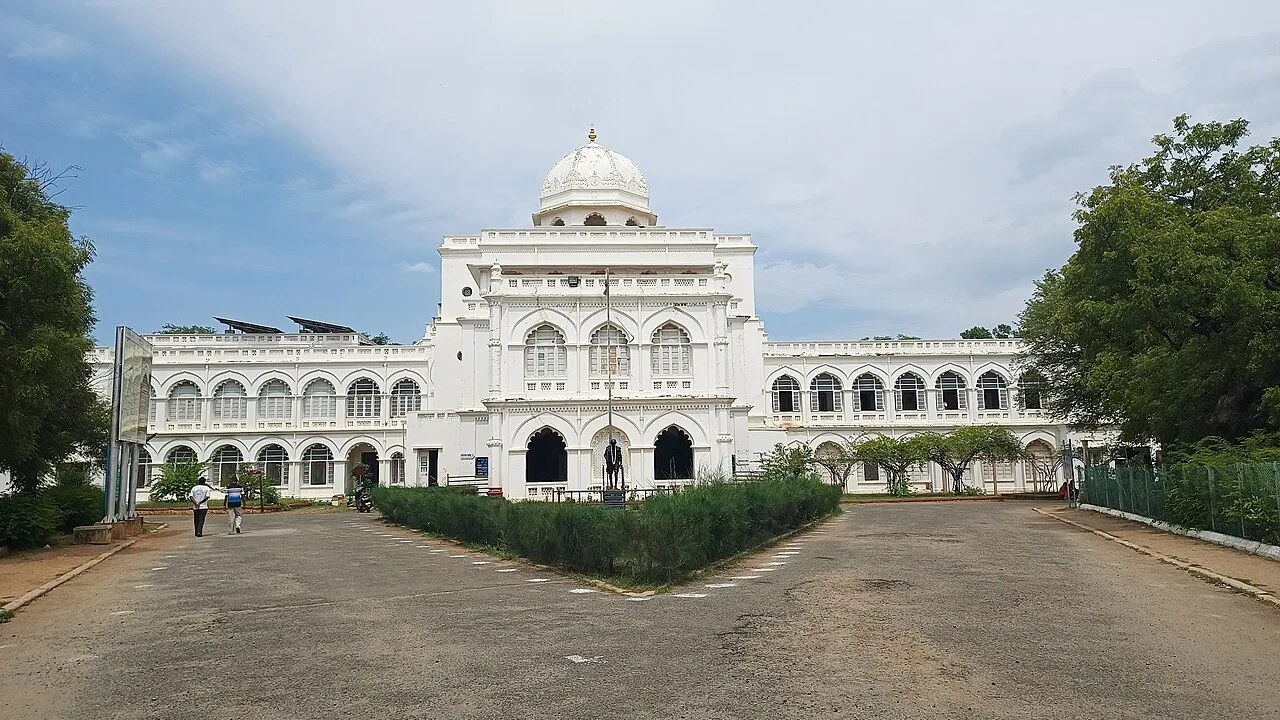
Located in Madurai, Tamil Nadu, Gandhi Memorial Museum commemorates Mahatma Gandhi. Visitors can see part of the blood-stained garment he wore when Nathuram Godse assassinated him.

Srivilliputhur Andal Temple

51 km away · Virudhunagar district

Srivilliputhur Andal Temple

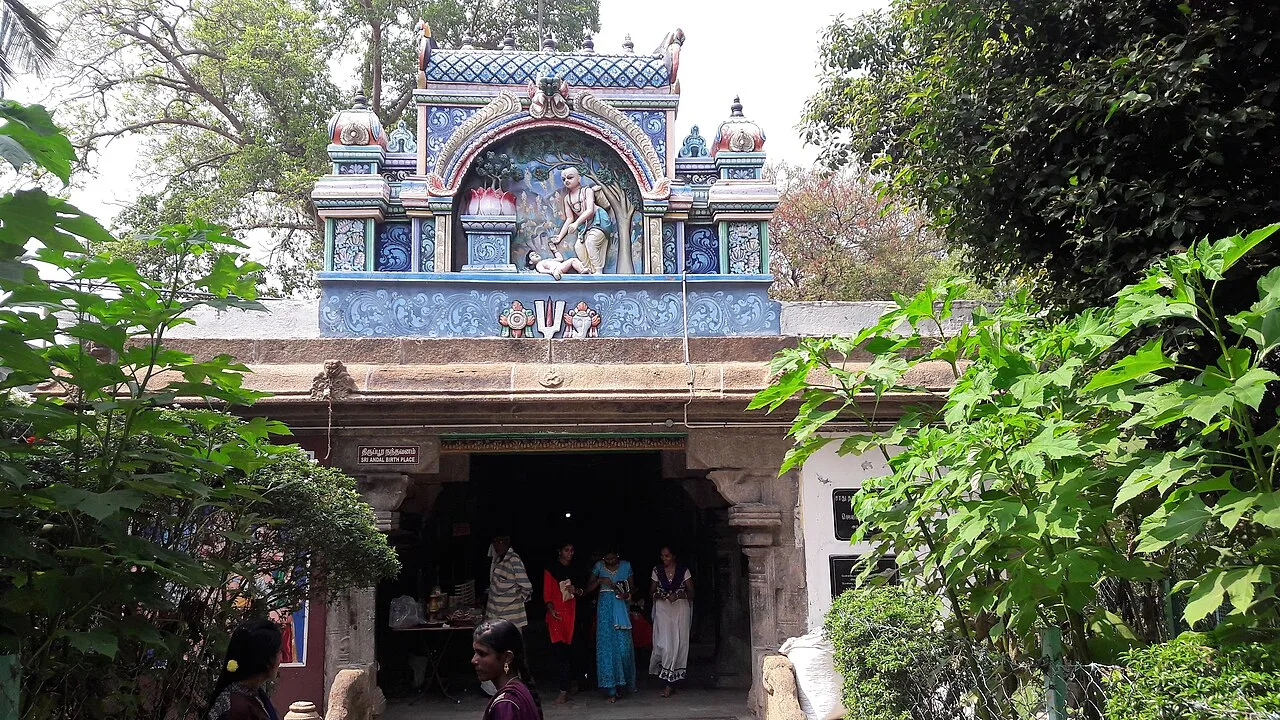
Srivilliputhur Andal Temple is a Vishnu shrine and one of the 108 Divya Desams. Visitors come for its links to Andal and Periyalvar, its devotional traditions and its Tamil architecture.

Alagar Koyil (Kallalagar Temple)

64 km away · Madurai district

Alagar Koyil (Kallalagar Temple)

Alagar Koyil is a Vishnu temple in Madurai district, Tamil Nadu, visited for its place in the Divya Desams tradition, its festivals and its local religious customs.

Map

Aruppukkottai on the map

  1. 1Thiruparankundram Murugan Temple
  2. 2Koodal Azhagar Temple
  3. 3Thirumalai Nayakkar Mahal
  4. 4Vandiyur Mariamman Temple
  5. 5Meenakshi Temple, Madurai
  6. 6Gandhi Memorial Museum
  7. 7Srivilliputhur Andal Temple
  8. 8Alagar Koyil (Kallalagar Temple)

Tamil Nadu

Other cities to explore