Ghumoopedia — Explore, Discover, Experience
Sign in
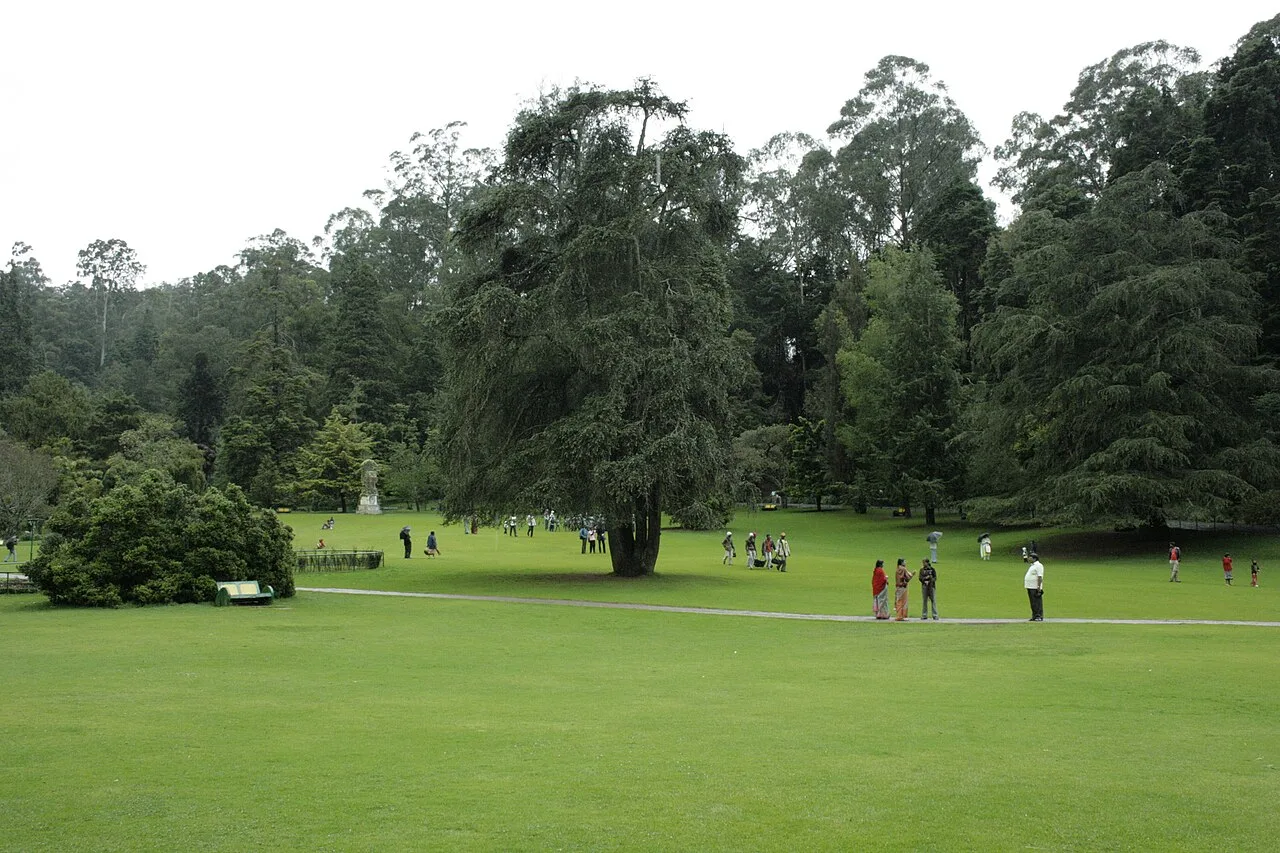
Sim's Park, near Coonoor

City guide · Tamil Nadu

Coonoor

Set on the Nilgiri plateau in Tamil Nadu, Coonoor is a hill town and taluk centre between the plains and Ooty. Its position at the head of the Coonoor Ghat makes it an important road gateway into the hills, while the Nilgiri Mountain Railway links it with Mettupalayam and Ooty.

Famous for

  • Nilgiri tea
  • Nilgiri Mountain Railway
  • Tea estate landscapes
  • Sims Park
  • Toda embroidery

Why Coonoor matters

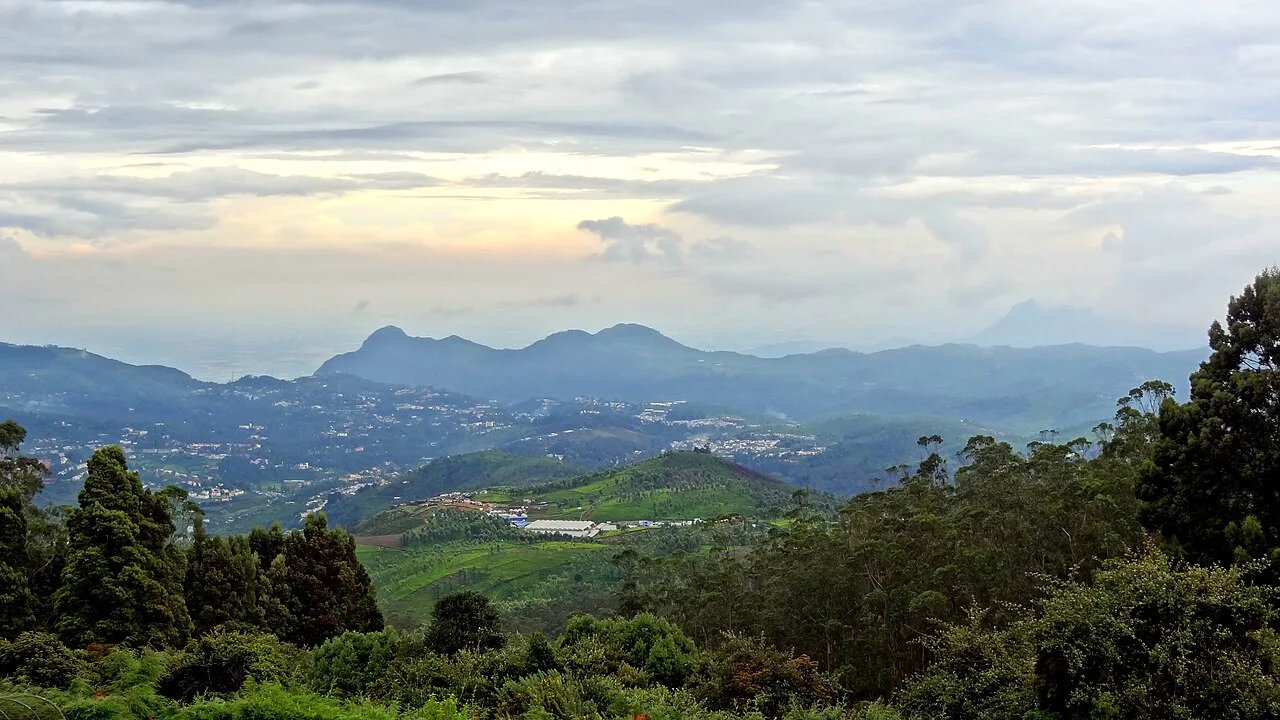
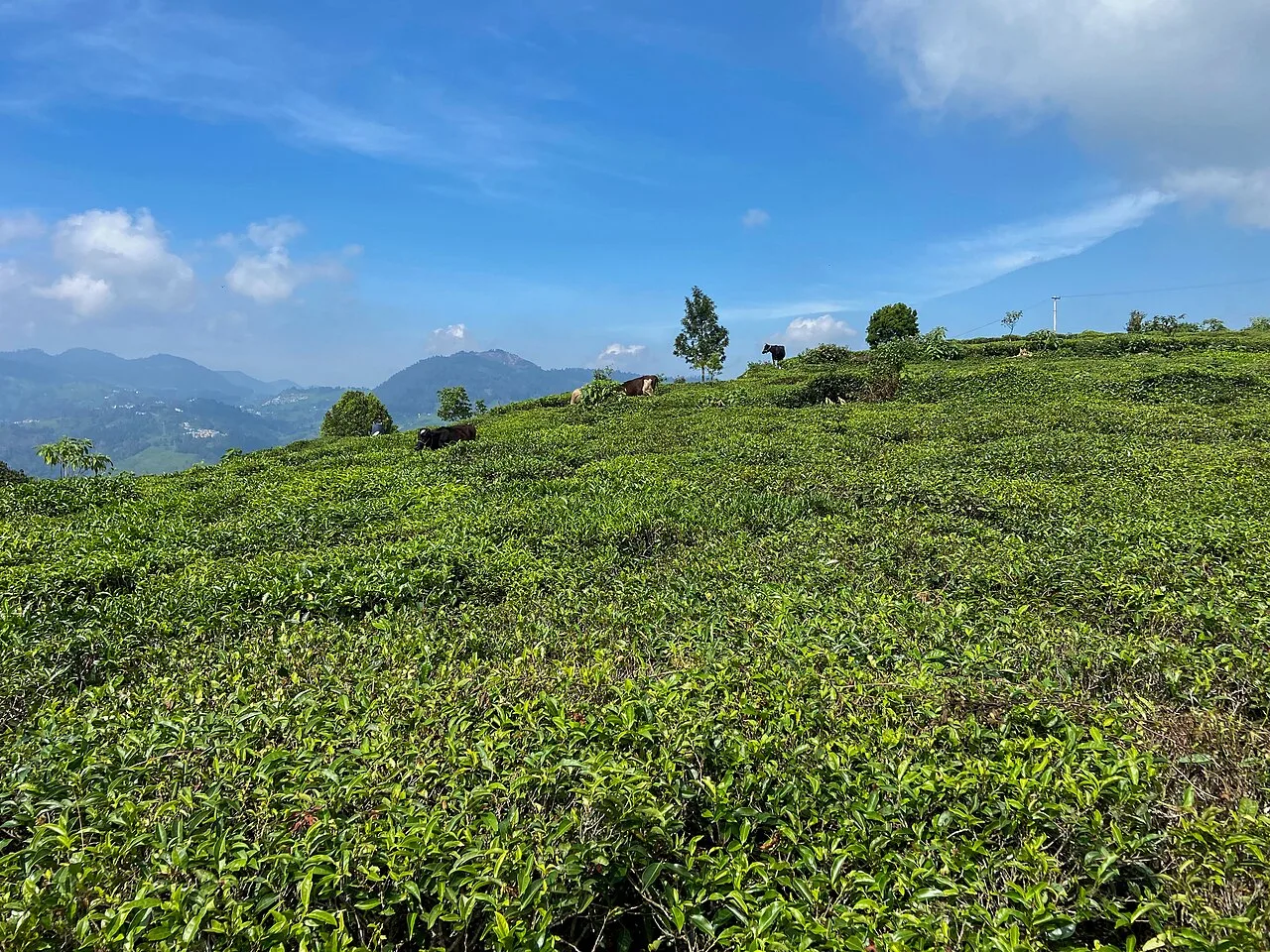
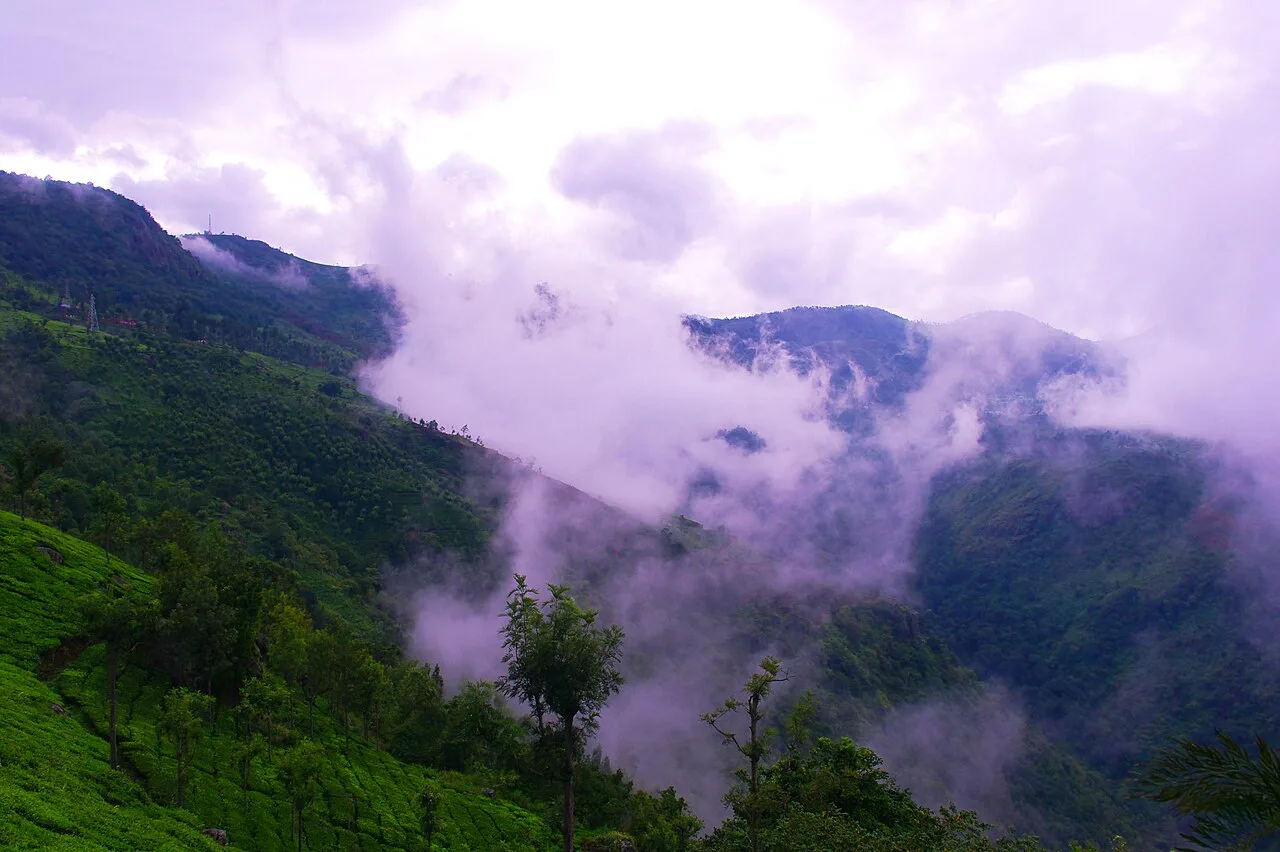
Set on the Nilgiri plateau in Tamil Nadu, Coonoor is a hill town and taluk centre between the plains and Ooty. Its position at the head of the Coonoor Ghat makes it an important road gateway into the hills, while the Nilgiri Mountain Railway links it with Mettupalayam and Ooty. Tea gardens, wooded slopes and a cool highland climate shape the town’s character and draw visitors seeking scenery, walks and a quieter base than nearby Ooty.

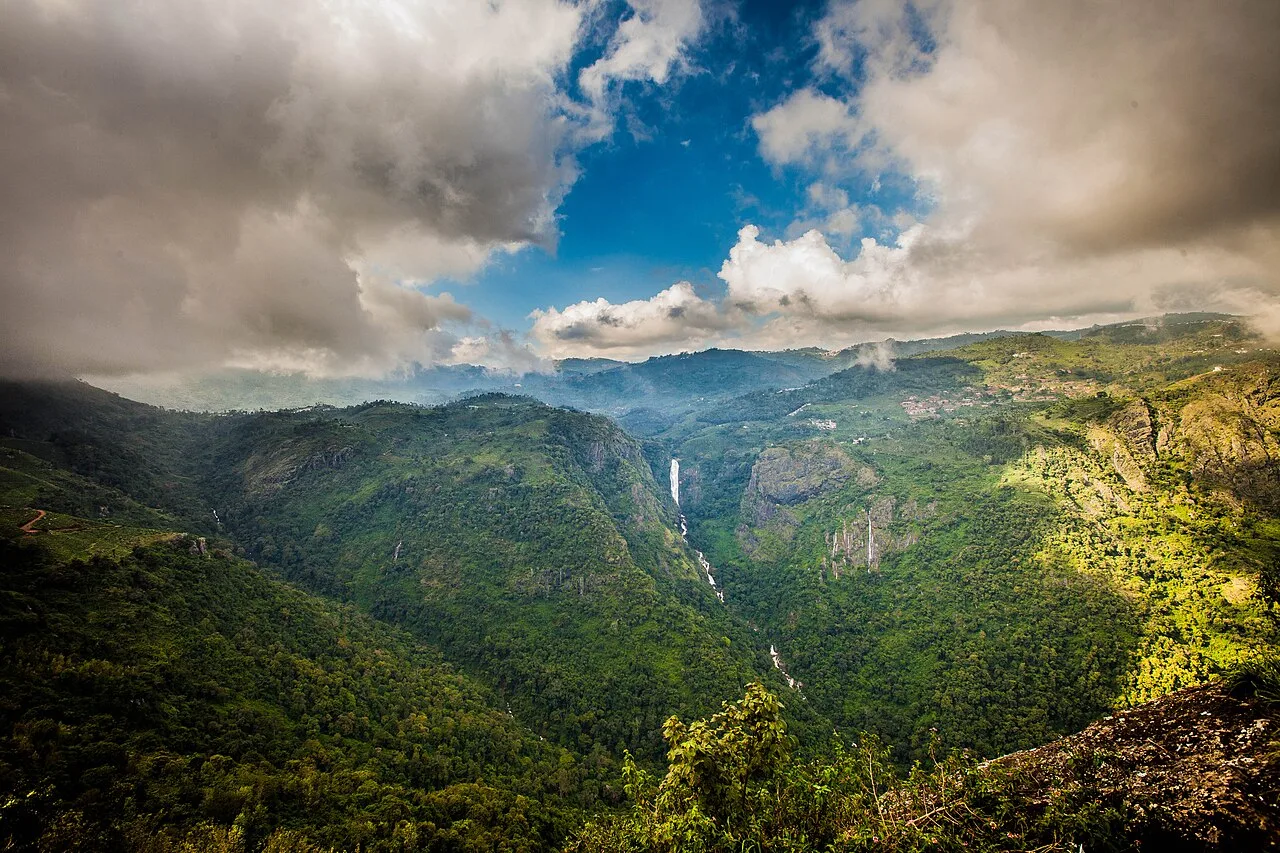
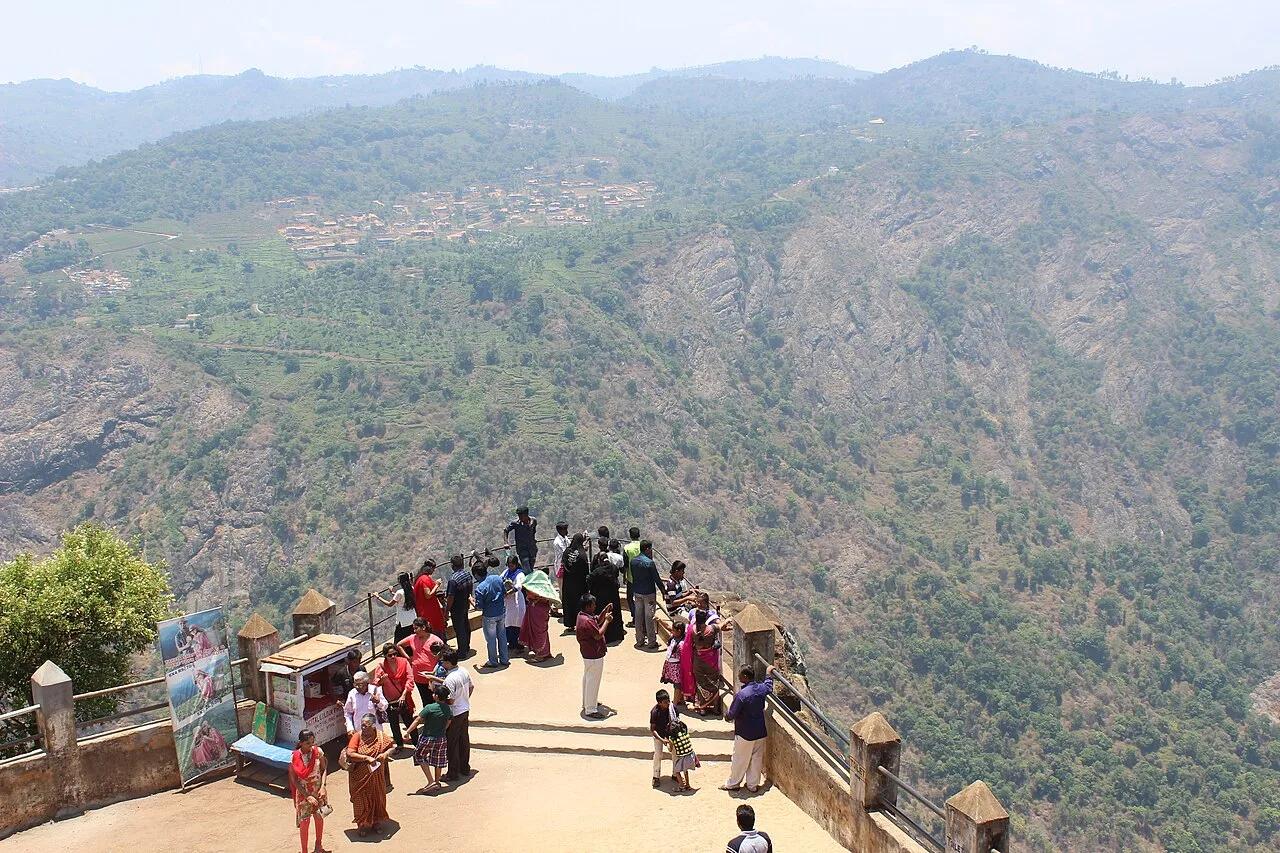
Coonoor is best known for Nilgiri tea and for viewpoints such as Dolphin’s Nose and Lamb’s Rock, which look across valleys and plantations. Sims Park, a landscaped garden in town, is another popular stop. The railway journey is itself a major attraction, passing through mountain scenery on its narrow-gauge route. Beyond tourism, Coonoor serves surrounding tea-growing communities and residents with shops, schools and local services. Its mix of plantation heritage, regional transport links and access to the wider Nilgiris gives the town continuing importance in the district.
Famous for: crafts, trade & products

Tea is Coonoor’s signature product. The surrounding Nilgiri estates grow tea that is processed and sold across the region; Nilgiri tea is a recognised geographical indication. Visitors can look for packaged leaf tea and locally blended varieties at tea shops, estate outlets and general stores in town. Tea production and related estate work remain central to the local economy, alongside tourism and services.

The wider Nilgiris are also associated with Toda embroidery, a distinctive hand-stitched textile tradition of the Toda community. It is a regional craft rather than a product made throughout Coonoor, and visitors may find pieces through craft or community outlets in the Nilgiris. Local shops also carry hill-grown produce and food gifts, though stock varies. Coonoor is not particularly known as a centre for large textile mills or a separate craft bazaar; its commercial identity is more closely tied to tea, plantation goods and visitor services. Exploring town shops and tea outlets is a practical way to find regional products, while checking labels can help distinguish Nilgiri-grown tea from blends sourced elsewhere.

History

The Nilgiri hills were incorporated into British-controlled territories at the end of the eighteenth century. In the nineteenth century, British officials and visitors began using the highlands as a refuge from the heat of the plains, and Coonoor developed as a hill station along the route into the plateau. An inspection bungalow served travellers on the old road to Ooty. The town grew around colonial-era administration, churches, schools, shops and medical services, while tea and coffee estates spread across the surrounding slopes. European residences occupied higher ground, with other neighbourhoods developing lower in the valley.

Railway construction strengthened Coonoor’s role as a gateway. The Nilgiri Mountain Railway connected the town with the plains and later extended the route towards Ooty, carrying both residents and visitors through the hills. Under modern Tamil Nadu, Coonoor has continued as a municipal town and taluk centre. Tea cultivation, road transport and tourism have shaped its development, while the railway and older hill-station buildings preserve visible traces of its colonial past.

Food, festivals & culture

Coonoor’s everyday food reflects Tamil and wider Nilgiri influences. Visitors will find South Indian staples such as idli, dosa, rice meals and snacks, alongside tea-shop fare and bakery items. Tea is part of daily life as well as a local product. Badaga communities in the surrounding hills maintain their own food traditions, often drawing on grains and local produce; availability of particular dishes in town varies. Sweets and homemade chocolates are commonly sold as hill-station treats, though they are not unique to Coonoor.

Tamil is widely spoken, with Badaga, Kannada, Malayalam and English also heard. Pongal, the Tamil harvest festival in January, is observed locally, while the Badaga community’s Hethai celebrations are an important seasonal event in the wider Nilgiris. Diwali and other regional festivals are marked by residents as well. The district’s cultural life includes community music and dance traditions, including Badaga performances. Hindu temples, churches and mosques serve Coonoor’s diverse population; visitors should dress respectfully and follow local customs at places of worship.

Visiting the city

The clearest weather for outdoor views is generally in the drier months from October to May, though Coonoor is visited year-round and the monsoon can bring mist and rain. Coimbatore International Airport is the nearest major airport. Coonoor railway station serves the Nilgiri Mountain Railway; Mettupalayam is the nearest major broad-gauge railhead, with onward connections into the hills.

Town buses, taxis and auto-rickshaws are useful for local journeys, while the railway offers a scenic way to travel between Coonoor and Ooty. Central Coonoor is convenient for shops, Sims Park and the station. The tea-growing outskirts and viewpoints such as Lamb’s Rock and Dolphin’s Nose make worthwhile excursions; Wellington, close by, has its own cantonment character. Roads can be winding, so allow time for trips beyond the centre.

Trips from the city

Nearest places to visit from Coonoor

Our closest destination guides, by straight-line distance.

Sim's Park

1 km away · Nilgiris district

Sim's Park

Located in Coonoor within Tamil Nadu’s Nilgiris district, Sim’s Park is a garden that visitors include among the town’s notable attractions.

Lamb's Rock

5 km away · Nilgiris district

Lamb's Rock

Set in Tamil Nadu’s Nilgiris district, Lamb’s Rock is a Coonoor attraction in the Nilgiri Hills. Visitors come for views extending across the Coimbatore plains and tea and coffee estates.

Dolphin's Nose, Coonoor

7 km away · Nilgiris district

Dolphin's Nose, Coonoor

Dolphin's Nose is a viewpoint and visitor attraction at Coonoor in Tamil Nadu’s Nilgiris District, visited as a place of interest in the area.

Catherine Falls

8 km away · Nilgiris district

Catherine Falls

Catherine Falls is a two-tier waterfall near Kotagiri in Tamil Nadu’s Nilgiris district. Visitors come to see its cascades, which can be viewed from Dolphin’s Nose.

Doddabetta

9 km away · Nilgiris district

Doddabetta

At 2,637 metres, Doddabetta is the tallest mountain in the Nilgiri range. Visitors come to its accessible summit, around 9 km from Ooty, amid the surrounding reserved forest.

Ooty Botanical Gardens

12 km away · Nilgiris district

Ooty Botanical Gardens

Ooty Botanical Gardens is a terraced garden established in 1848 on Doddabetta’s lower slopes. Visitors come to explore its different sections and plant collections in the temperate surroundings of Ooty.

Kotagiri

13 km away · Nilgiris district

Kotagiri

Kotagiri is a hill station and municipality in Tamil Nadu’s Nilgiris district, with an elevated setting and a history as a summer destination during the Madras Presidency.

Ooty Lake

13 km away · Nilgiris district

Ooty Lake

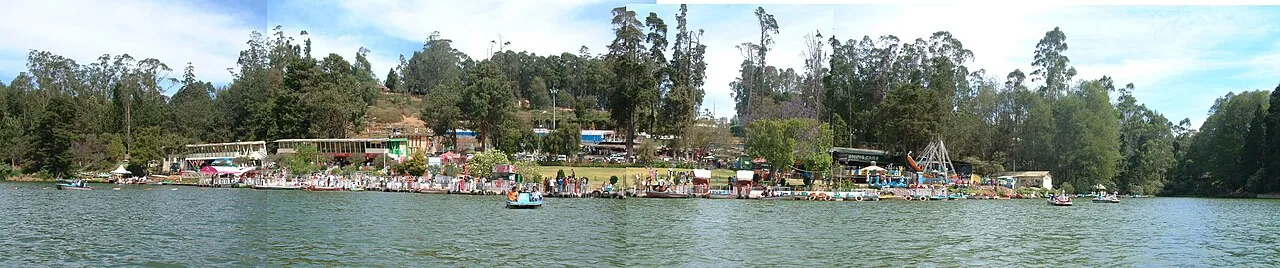
Near Ooty in Tamil Nadu’s Nilgiris district, Ooty Lake is an artificial waterbody spanning 26 hectares (64 acres); visitors come to see its boathouse.

Map

Coonoor on the map

  1. 1Sim's Park
  2. 2Lamb's Rock
  3. 3Dolphin's Nose, Coonoor
  4. 4Catherine Falls
  5. 5Doddabetta
  6. 6Ooty Botanical Gardens
  7. 7Kotagiri
  8. 8Ooty Lake

Tamil Nadu

Other cities to explore