Ghumoopedia — Explore, Discover, Experience
Sign in
Namakkal Fort, near Karur

City guide · Tamil Nadu

Karur

Karur is a commercial and administrative centre in central Tamil Nadu, serving as the headquarters of Karur district. Its position amid the state’s farming and manufacturing regions has helped it develop a varied economy, with agriculture, textile production and bus body building among its main activities.

Famous for

  • Home textile exports
  • Handloom and powerloom fabrics
  • Bus body building
  • Chera-era trade heritage
  • Pasupatheeswarar Temple

Why Karur matters

Karur is a commercial and administrative centre in central Tamil Nadu, serving as the headquarters of Karur district. Its position amid the state’s farming and manufacturing regions has helped it develop a varied economy, with agriculture, textile production and bus body building among its main activities. The city is especially recognised for making home textiles that reach markets in India and abroad.

Karur also has a long history as a trading settlement. Its association with the Cheras and the ancient town of Karuvur gives it a place in the story of early Tamilakam, while archaeological finds point to connections with historic trade networks. Visitors can explore the central temple quarter, including Pasupatheeswarar Temple, and make excursions to nearby places of worship such as Thanthoni Malai and Nerur. The surrounding landscape is shaped by the Amaravathi and Kaveri rivers. Karur is less a conventional sightseeing destination than a working regional city where textile commerce, Tamil religious life and layers of history meet.
Famous for: crafts, trade & products

Karur’s signature industry is home textiles. Local manufacturers produce items such as bed linen, kitchen linen, table coverings and furnishing fabrics, using both handloom and powerloom methods. The city has a substantial textile supply and export network, with production, finishing and trading businesses forming an important part of its economy. Sarees and other fabrics are also sold through local textile shops, though Karur is particularly associated with home furnishings rather than one celebrated saree tradition.

The city is better known for this manufacturing cluster than for a distinct, widely recognised GI-tagged product; its export textiles should not automatically be described as GI-certified. Visitors can browse retail textile showrooms and fabric shops in the central commercial area, while many larger production and export units are business premises rather than visitor attractions. Karur is also an established centre for building bus bodies, supplying a wider transport industry. Agriculture supports trade in the surrounding district, and the town’s markets serve local shoppers as well as nearby communities. For a sense of its working economy, the central bazaar and textile-shopping streets offer a more accessible introduction than industrial estates.

History

Karur, known historically as Karuvur, is among the older settlements of Tamil Nadu. It is associated with the Cheras of the Sangam period and may have been part of their capital region, though the precise location of Vanchi-Karuvoor remains debated. Finds from the area—including pottery, coins and Roman amphorae—indicate that it participated in ancient trade. The Tamil epic Silappathikaram also connects the Chera king Senguttuvan with Karuvur.

The region later came under Pandya and Chola influence, followed by the Vijayanagara Empire and Madurai Nayaks. In the later 18th century it changed hands amid conflict between Mysore and the British East India Company. The British incorporated it into the Madras Presidency in 1799; Karur municipality was established in 1874. After independence, the town became part of Madras State, renamed Tamil Nadu in 1969. In modern times, Karur has grown as a district headquarters and as a centre for textile production, trade and transport-related manufacturing.

Food, festivals & culture

Tamil is the principal language of daily life and public culture. Hindu worship is prominent, alongside Muslim and Christian communities. Pasupatheeswarar Temple is an important place of worship in the town; nearby Thanthoni Malai is known for its hilltop temple, while Nerur draws visitors to the samadhi of the saint Sadhasiva Brahmendra. Temple observances and processions form a visible part of the local calendar.

Pongal, the Tamil harvest festival in January, is widely celebrated, as are Tamil New Year in April and Deepavali, usually in October or November. Mariamman temple festivities are commonly held around the warmer months, though dates vary with the Tamil calendar. Aadi Perukku, observed in July or August, honours rivers and water, a fitting tradition in this river-linked region. Local meals reflect Tamil and Kongu influences, with rice, lentils, vegetables and millets, alongside familiar dishes such as idli and dosa; sweets and savouries are enjoyed during festivals. Classical Carnatic music and Bharatanatyam belong to the wider Tamil cultural scene, while folk music and dance feature in community and temple celebrations.

Visiting the city

November to February is generally the most comfortable period to visit, with cooler conditions than the hot months from April to June. Rain is most likely during the northeast monsoon, particularly in October and November, so a light rain layer may be useful then.

Karur Junction is the town’s main railway station. The nearest major airport is Tiruchirappalli International Airport; onward travel is by road. Auto-rickshaws, local buses and taxis are practical ways to get around town. Begin in the central area for Pasupatheeswarar Temple, the bazaar and textile shops. Thanthoni Malai makes a nearby temple outing, while Nerur is a quieter excursion beyond the town centre. Textile factories are generally working premises, so check locally before planning a visit to one.

Trips from the city

Nearest places to visit from Karur

Our closest destination guides, by straight-line distance.

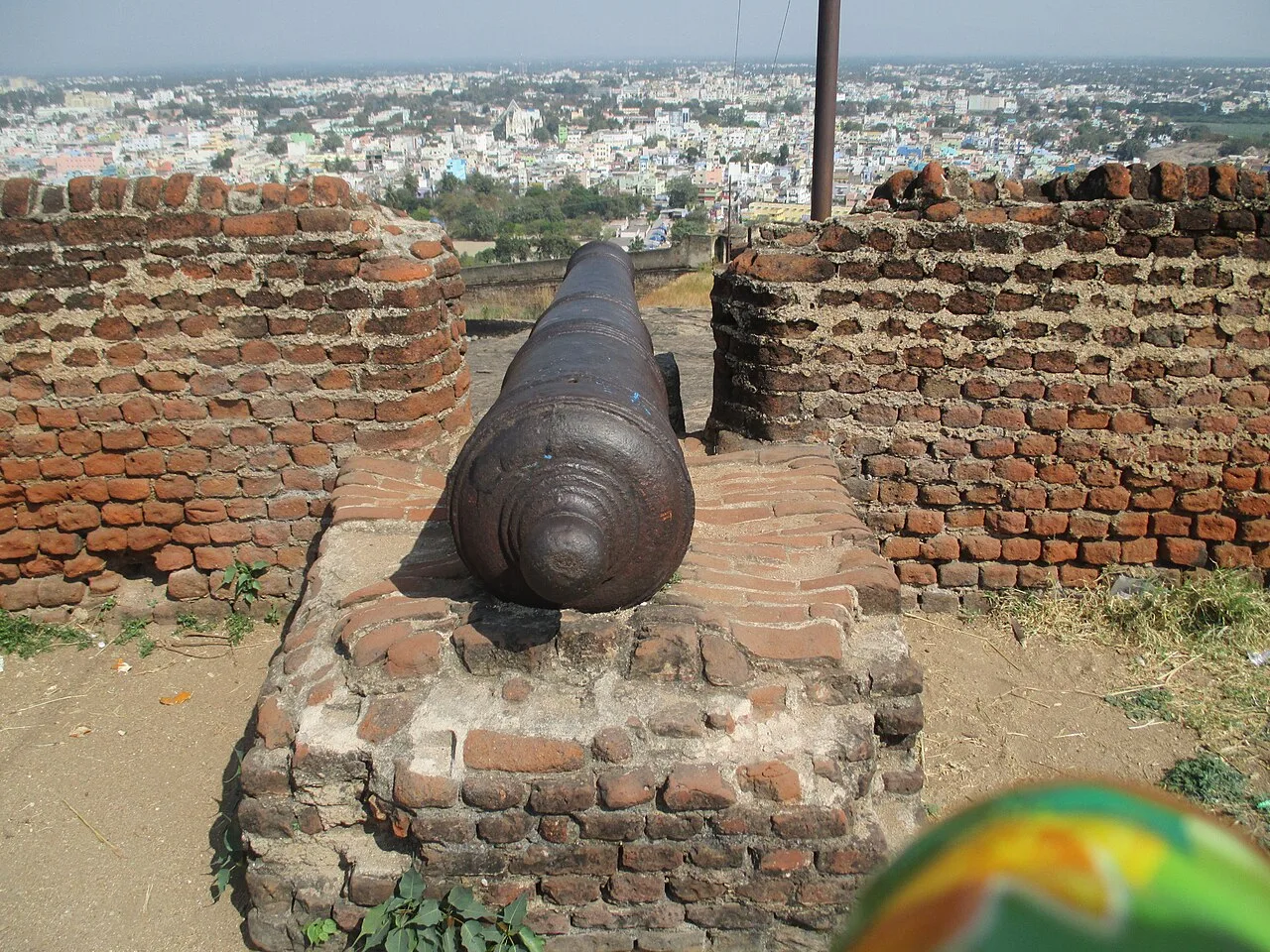
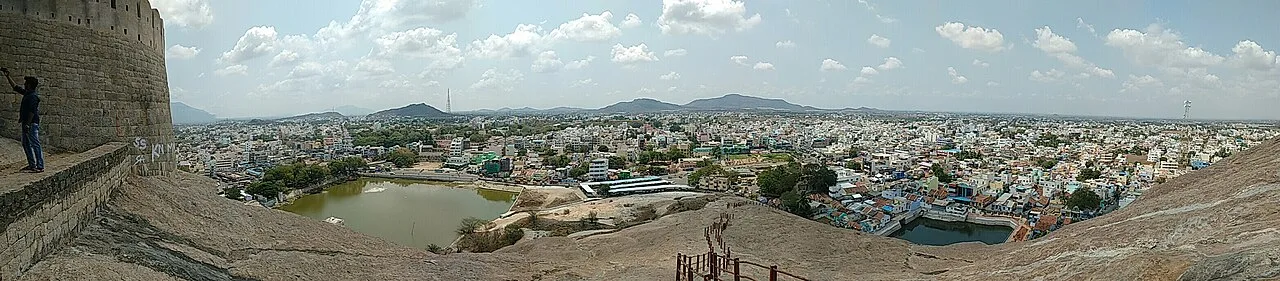
Namakkal Fort

32 km away · Namakkal district

Namakkal Fort

Rising above Namakkal, this seventeenth-century fort occupies a hillock of solid rock and contains a temple and mosque. Visitors come to see these sites and explore its history.

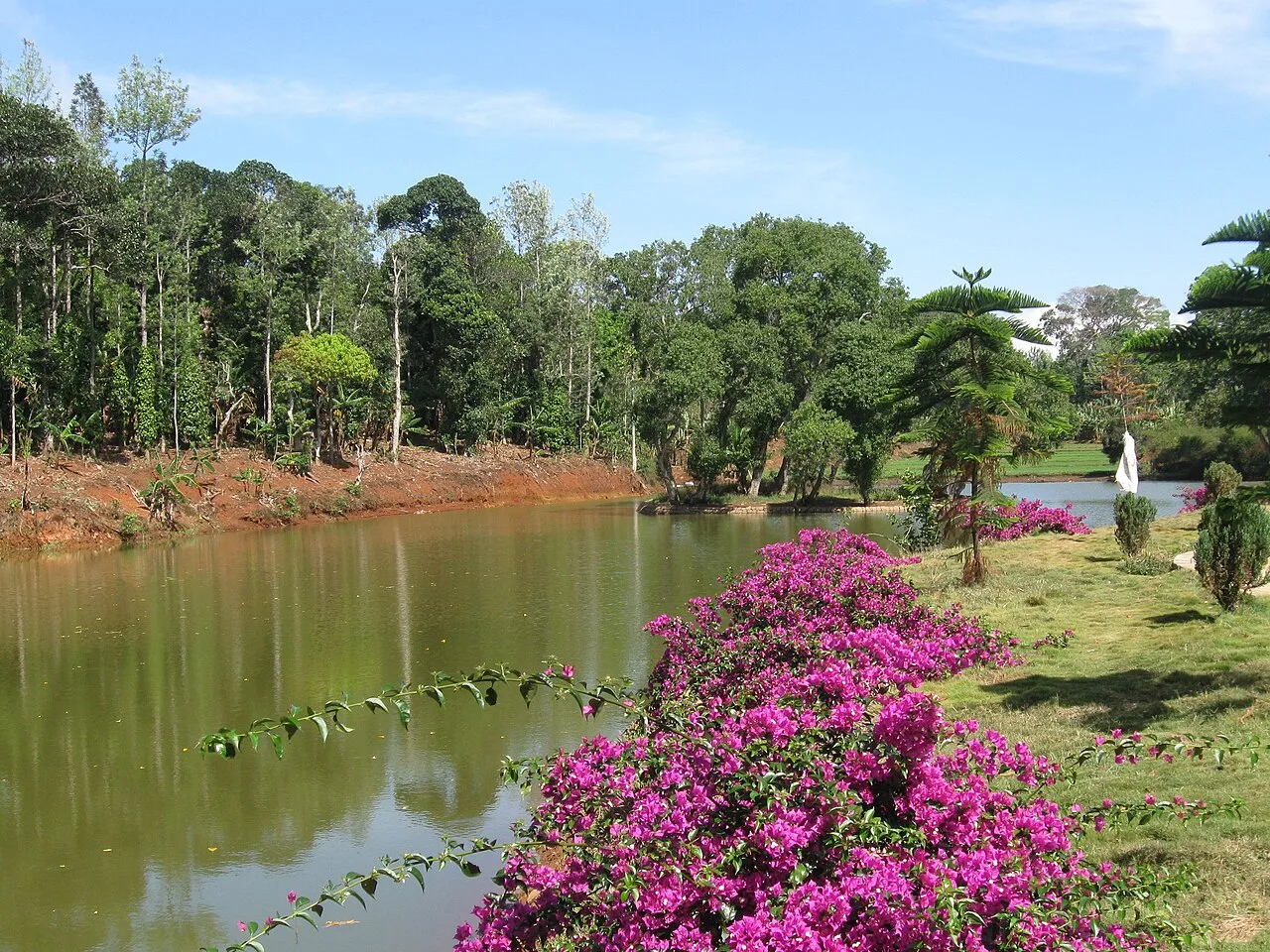
Kolli Hills

54 km away · Namakkal district

Kolli Hills

Kolli Malai, also called Kolli Hills, is a hill station and taluk within Tamil Nadu’s Namakkal district. Visitors come to the area in its capacity as a hill-station destination.

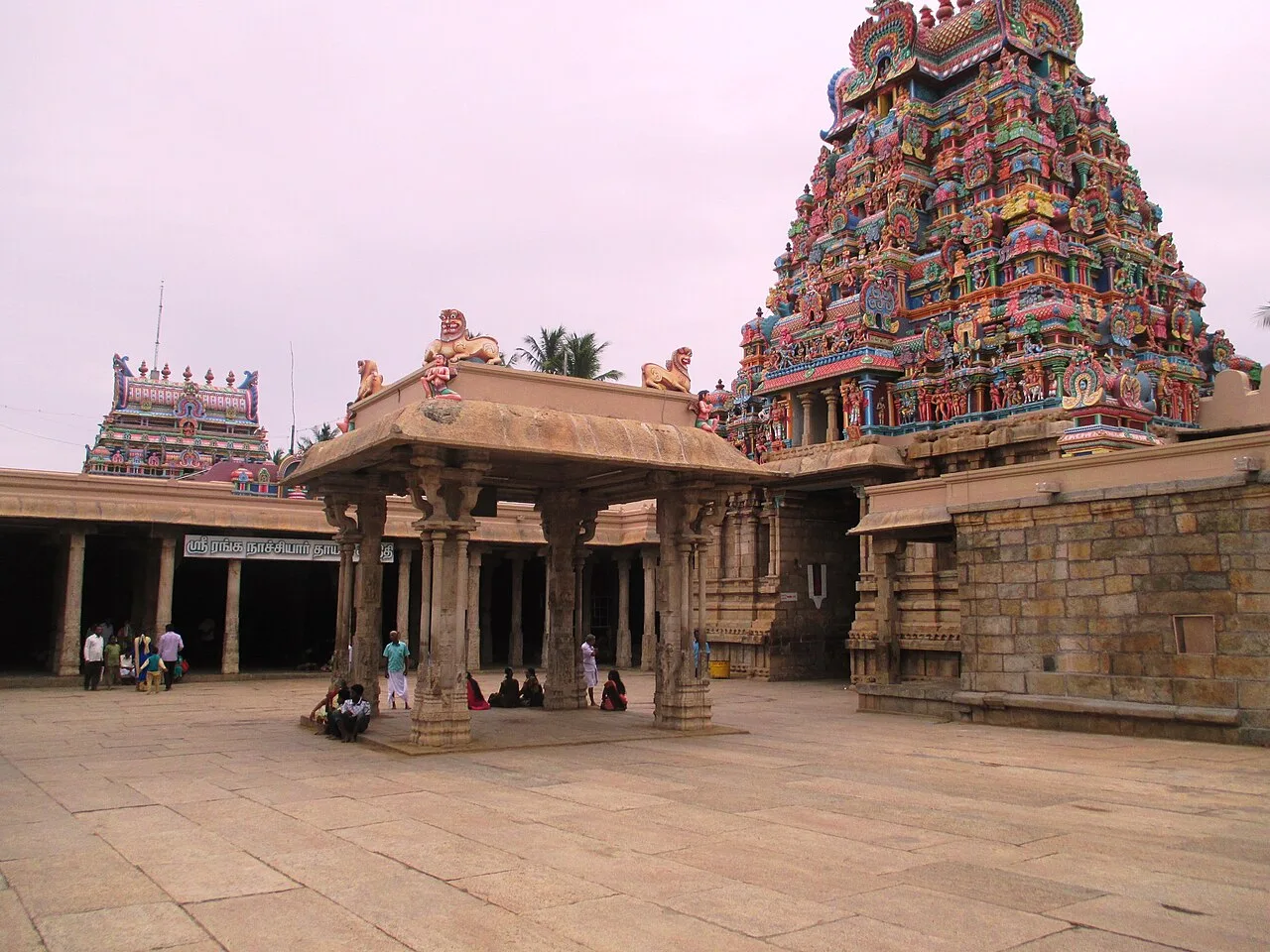
Srirangam Ranganathaswamy Temple

67 km away · Tiruchirappalli district

Srirangam Ranganathaswamy Temple

A major Vaishnava temple in Srirangam, this active shrine honours Vishnu and Lakshmi as Ranganathar and Ranganayaki. Visitors come for its religious significance, architecture and annual Margazhi festival.

Dindigul Fort

68 km away · Dindigul district

Dindigul Fort

Dindigul Fort, also known as Dindigul Malai Kottai, is a historic stronghold in Tamil Nadu, visited for its military past, summit temple and surviving cannons.

Bhavani Sangameswarar Temple

69 km away · Erode district

Bhavani Sangameswarar Temple

Bhavani Sangameswarar Temple is a Shiva shrine in Bhavani, Tamil Nadu, at the meeting of the Kaveri, Bhavani and mystical Amutha rivers. Visitors worship here and perform rites for their ancestors.

Jambukeswarar Temple, Thiruvanaikaval

69 km away · Tiruchirappalli district

Jambukeswarar Temple, Thiruvanaikaval

Jambukeswarar Temple at Thiruvanaikaval is a Shiva shrine in Tamil Nadu associated with water. Visitors come to worship Jambukeshwarar and Akilandeswari and encounter the temple’s water-linked tradition.

Rockfort Ucchi Pillayar Temple

69 km away · Tiruchirappalli district

Rockfort Ucchi Pillayar Temple

Atop Rock Fort in Tiruchirappalli, Tamil Nadu, this seventh-century Hindu shrine is devoted to Ganesha. Visitors come to worship and to connect the site with a legend about Ganesha and King Vibishana.

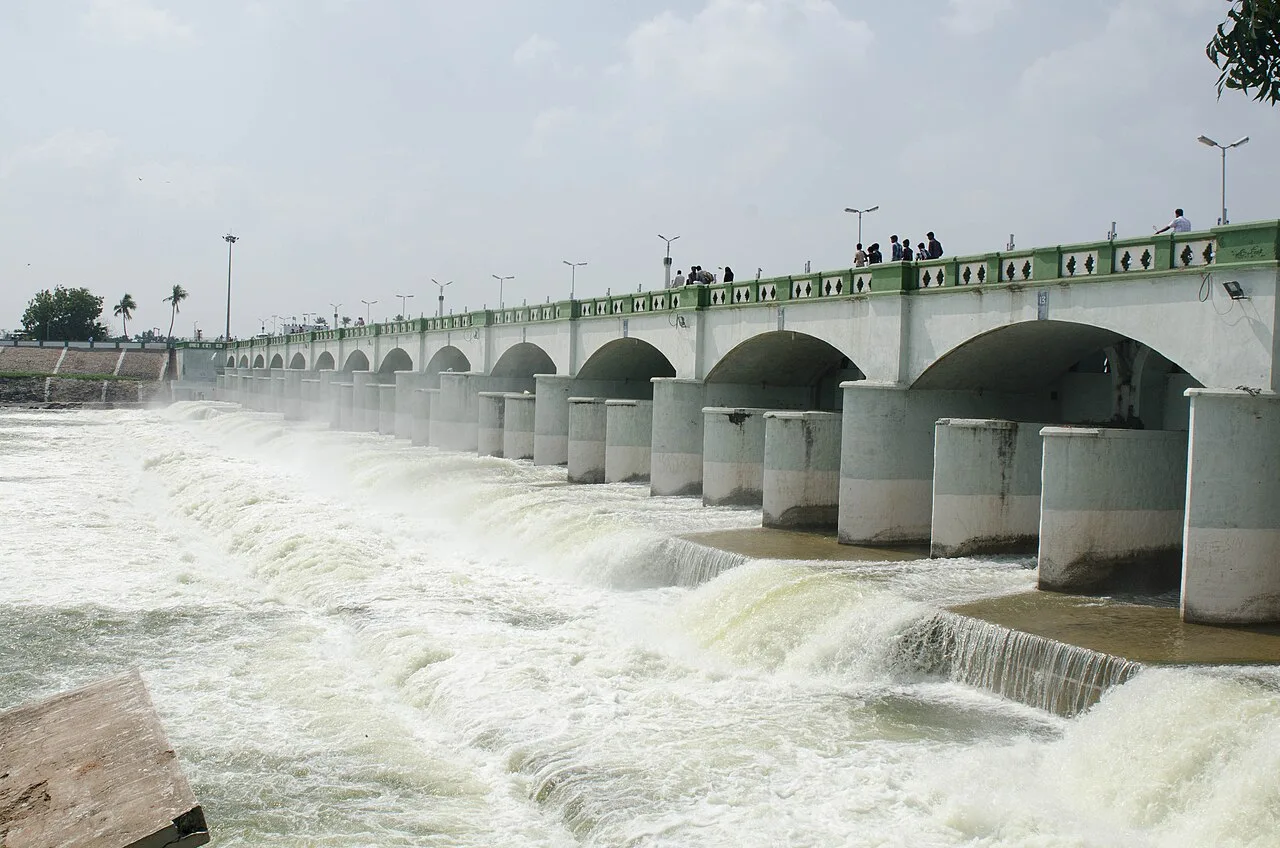
Kallanai (Grand Anicut)

82 km away · Tiruchirappalli district

Kallanai (Grand Anicut)

Kallanai, or the Grand Anicut, is a Chola-period dam across the Kaveri in Tamil Nadu. Visitors are drawn to its ancient water-management role and its distinction as a historic structure that remains operational.

Map

Karur on the map

  1. 1Namakkal Fort
  2. 2Kolli Hills
  3. 3Srirangam Ranganathaswamy Temple
  4. 4Dindigul Fort
  5. 5Bhavani Sangameswarar Temple
  6. 6Jambukeswarar Temple, Thiruvanaikaval
  7. 7Rockfort Ucchi Pillayar Temple
  8. 8Kallanai (Grand Anicut)

Tamil Nadu

Other cities to explore