Ghumoopedia — Explore, Discover, Experience
Sign in
Gedee Car Museum, near Mangalam

City guide · Tamil Nadu

Mangalam

R. S.

Famous for

  • R. S. Mangalam Big Tank
  • 48-sluice irrigation system
  • Vaigai basin water management
  • Agricultural hinterland
  • Rural Tamil Nadu setting

Why Mangalam matters

R. S. Mangalam, also known by the expanded name Raja Singa Mangalam, is a panchayat town in Ramanathapuram district. About 35 kilometres north of Ramanathapuram, it serves as a local centre for nearby villages and agricultural communities. Its strongest claim to distinction is the R. S. Mangalam Big Tank, a vast irrigation reservoir that collects diverted floodwater from the Vaigai and the Manimuthar basin and supplies surrounding farmland through a network of 48 sluices.

The tank is central to the landscape and to the town’s importance: water management here shapes farming, settlement and local life. The area is around 11 kilometres from the Bay of Bengal, with nearby places including Devipattinam, Thiruvadanai and Thondi. Visitors are drawn chiefly by the scale and local significance of the reservoir, rather than by a large concentration of formal tourist attractions. R. S. Mangalam is best approached as a quiet stop in Ramanathapuram district, offering a look at rural life and the role of irrigation in this part of Tamil Nadu.
Famous for: crafts, trade & products

R. S. The Big Tank, or kanmai, is the town’s defining feature. Its 48 sluices distribute stored water to surrounding villages and fields, and the reservoir is associated with the evocative Tamil saying “narai parakka mudiyatha 48 madai”—a tank so immense that a crane cannot fly across it. The water system reflects the importance of agriculture and shared water management in the region.

The town is not established as a major destination for specialist shopping or a particular manufactured good. Visitors looking for everyday provisions and locally prepared food should explore the town centre and its small shops and eateries; larger selections of goods are more readily found in Ramanathapuram or other district towns. Agricultural activity in the surrounding countryside is a more visible part of the local economy than organised visitor-facing craft or factory industries. For travellers, the tank and its surrounding villages are the most meaningful way to understand what R. S. Mangalam is known for.

History

R. S. Mangalam’s expanded name is given as Raja Singa Mangalam. The town’s story is closely connected to the large kanmai that supports cultivation across the surrounding villages. Its sluices carry stored water to farmland, while the reservoir also receives diverted flows associated with the Vaigai and Manimuthar river basins. This water infrastructure helps explain why the settlement has long mattered to its agricultural hinterland.

A detailed, well-established account of the town’s rulers, colonial-era administration or specific founding dates is not readily available, so it is better not to assign it an unsupported dynastic timeline. In modern times R. S. Mangalam functions as a panchayat town within Ramanathapuram district, serving nearby communities and farms. Its development remains tied to rural services, road connections and the seasonal management of water. The kanmai is both a practical resource and a lasting marker of the local landscape.

Food, festivals & culture

Tamil is the main language of daily life in R. S. Mangalam; English may be understood in some service settings. Food is shaped by ordinary Tamil home cooking and the agricultural setting, with rice-based meals and familiar dishes such as idli, dosa and sambar commonly available in local eateries. Fish may also feature in the wider coastal district’s cooking, though the town is not especially known for a signature dish or sweet.

Pongal, the harvest festival usually celebrated in January, is especially relevant to a farming community. Deepavali generally falls in October or November, while Tamil New Year is observed in April; Eid dates vary with the lunar calendar. Local temple festivals and religious observances are part of community life, though their dates and programmes differ by place. Tamil devotional music and regional folk traditions form part of the broader cultural setting. Visitors should ask locally about current events rather than assume a fixed festival schedule.

Visiting the city

The cooler, generally drier months from about November to February are comfortable for exploring; the town is humid, and rain can affect travel during the northeast monsoon season. Madurai Airport is the nearest major airport. Ramanathapuram railway station is the main rail gateway for the district, with onward travel by road to R. S. Mangalam.

Buses and hired road transport connect the town with Ramanathapuram and neighbouring settlements; local autos may be useful for short trips. Begin in the town centre, then visit the Big Tank and its sluice areas, taking care to respect farmland and water infrastructure. Nearby places such as Devipattinam, Thiruvadanai and Thondi can be considered as road excursions. Check local conditions before approaching the reservoir, especially during periods of high water or active irrigation.

Trips from the city

Nearest places to visit from Mangalam

Our closest destination guides, by straight-line distance.

Gedee Car Museum

34 km away · Coimbatore district

Gedee Car Museum

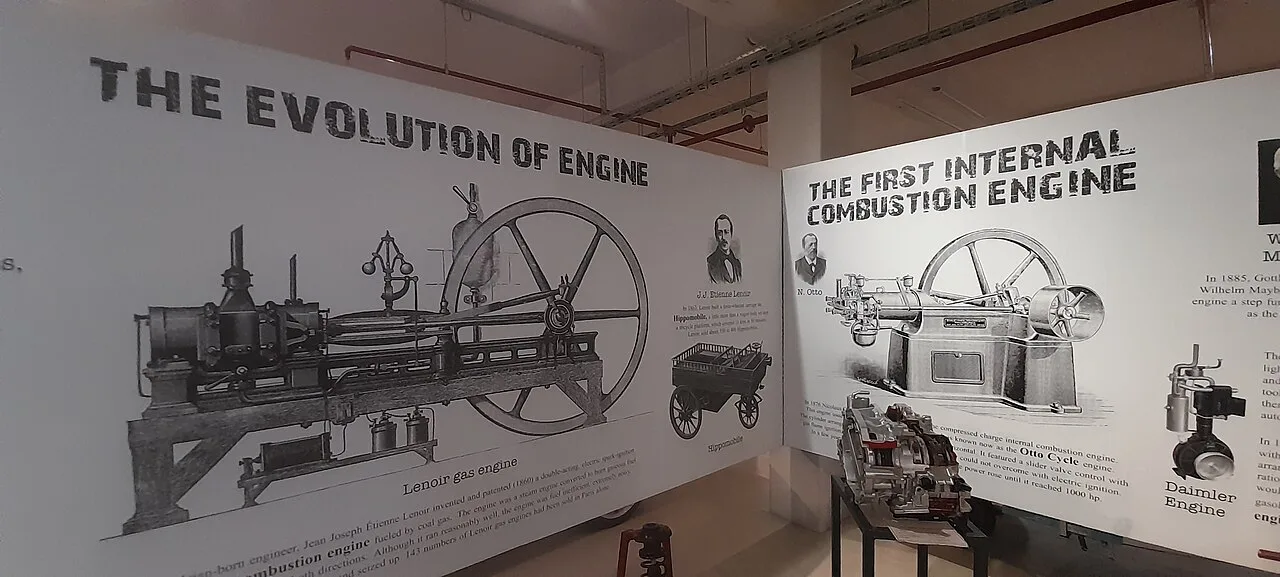
In Coimbatore, Tamil Nadu, Gedee Car Museum is a privately run museum devoted to vintage cars. Visitors come to view its automobiles and find it within the wider GD Museums complex.

Eachanari Vinayagar Temple

37 km away · Coimbatore district

Eachanari Vinayagar Temple

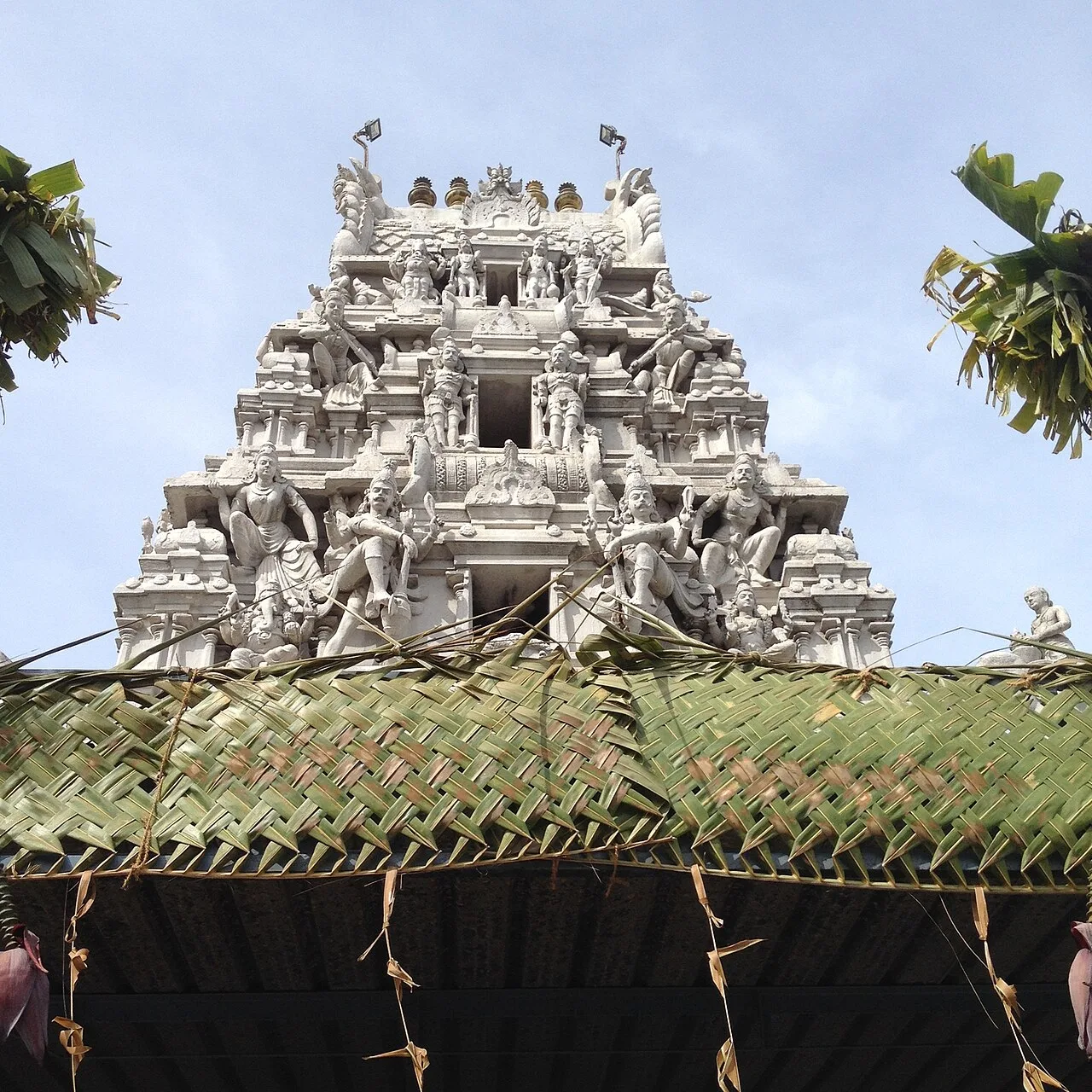
Located in Eachanari near Coimbatore, this Tamil Nadu temple honours Vinayagar. Visitors come to worship the Hindu deity at a shrine around 12 km from Coimbatore city.

Perur Pateeswarar Temple

41 km away · Coimbatore district

Perur Pateeswarar Temple

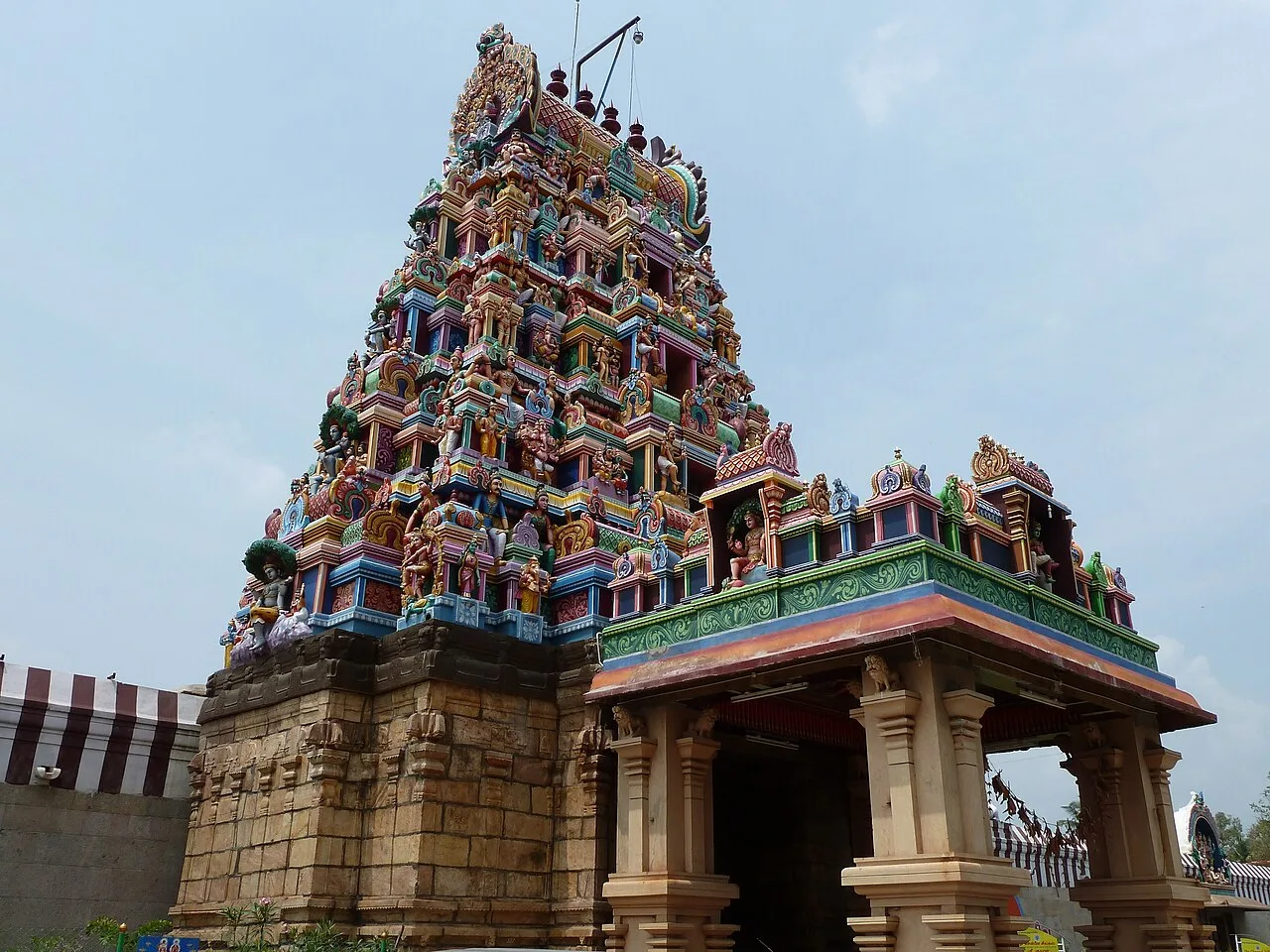
This Shaivite temple in Perur, Coimbatore, is visited for its Patteeswarar shrine and Swayambu Lingam, as well as its association with Pachainayaki and noted Tamil poets.

Kodiveri Dam

42 km away · Erode district

Kodiveri Dam

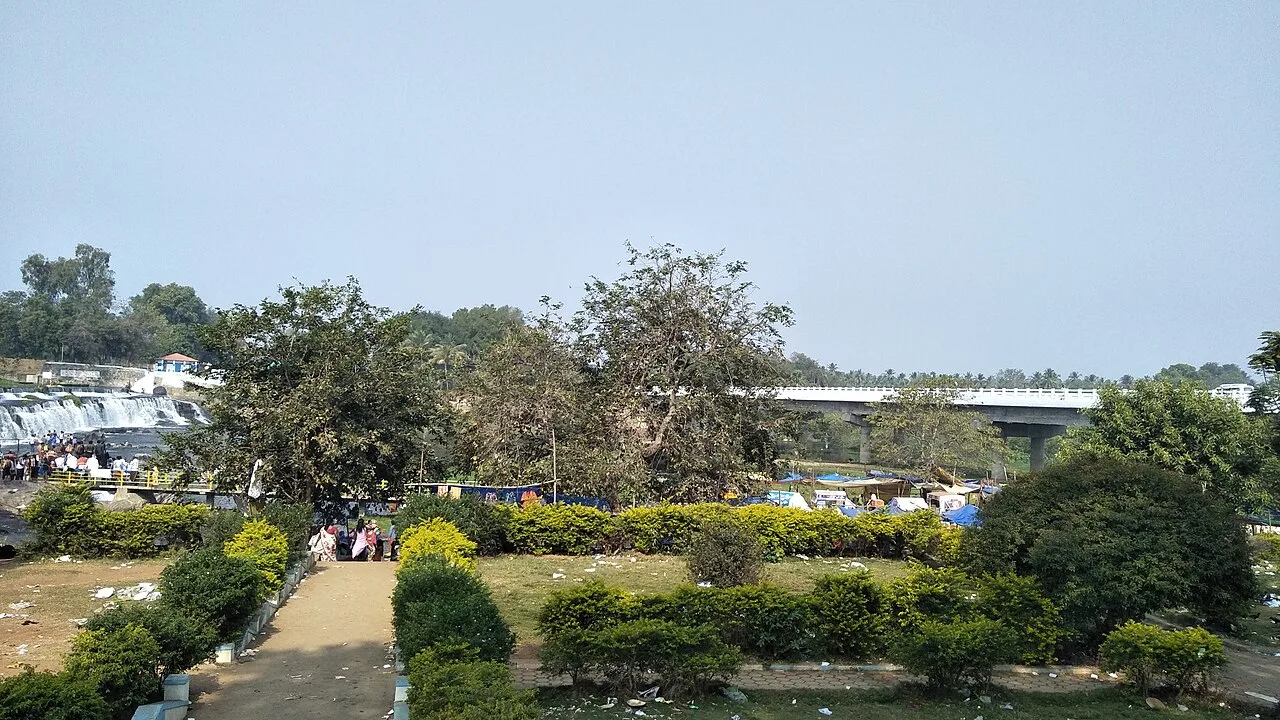
On the Bhavani River in Tamil Nadu, Kodiveri Dam is a masonry structure that visitors come to see in the Erode district, near Gobichettipalayam.

Marudamalai Murugan Temple

46 km away · Coimbatore district

Marudamalai Murugan Temple

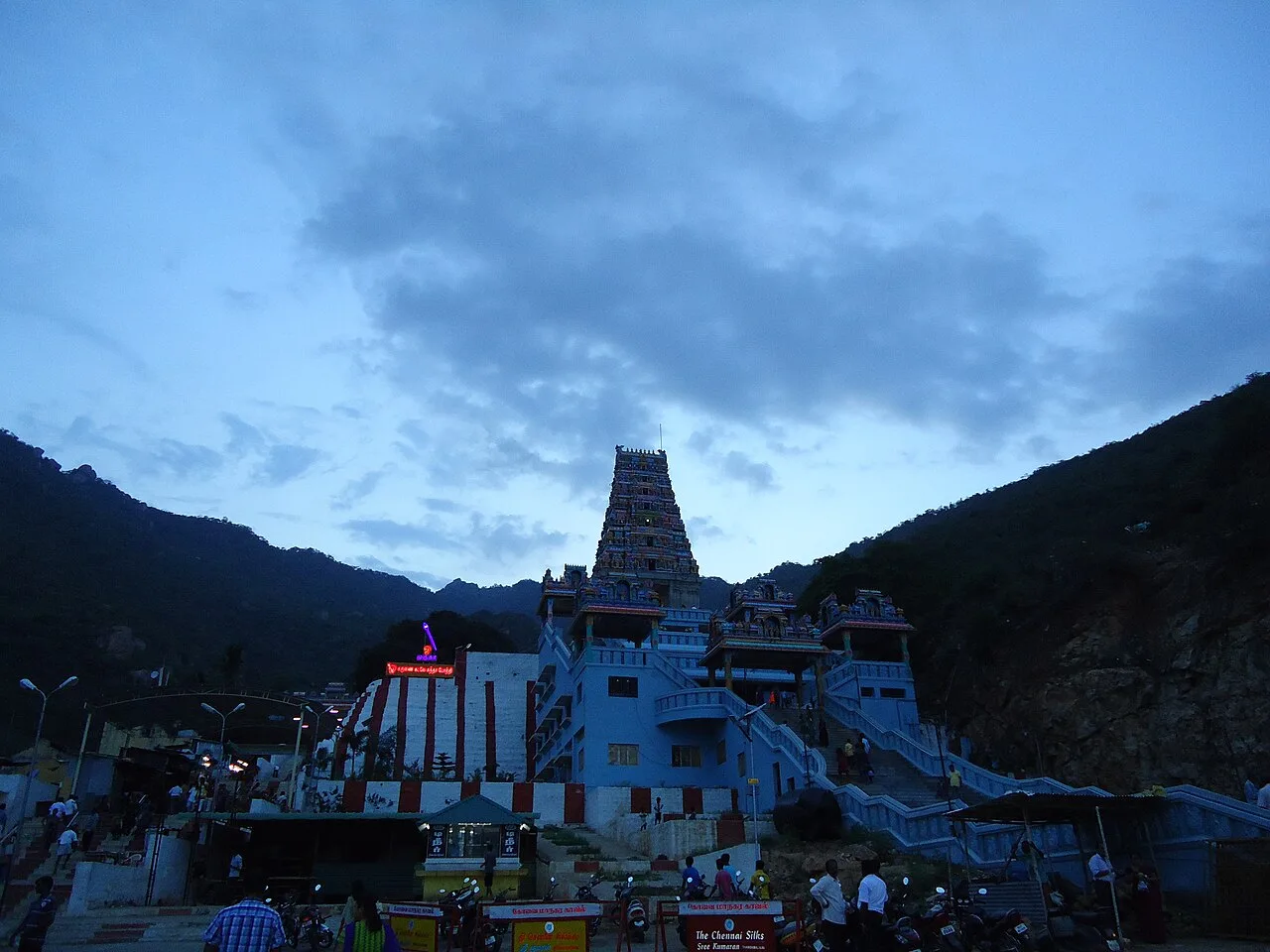
Marudamalai Murugan Temple is a hilltop shrine in Tamil Nadu’s Coimbatore district, drawing pilgrims and visitors to the Marudhamalai area.

Dolphin's Nose, Coonoor

54 km away · Nilgiris district

Dolphin's Nose, Coonoor

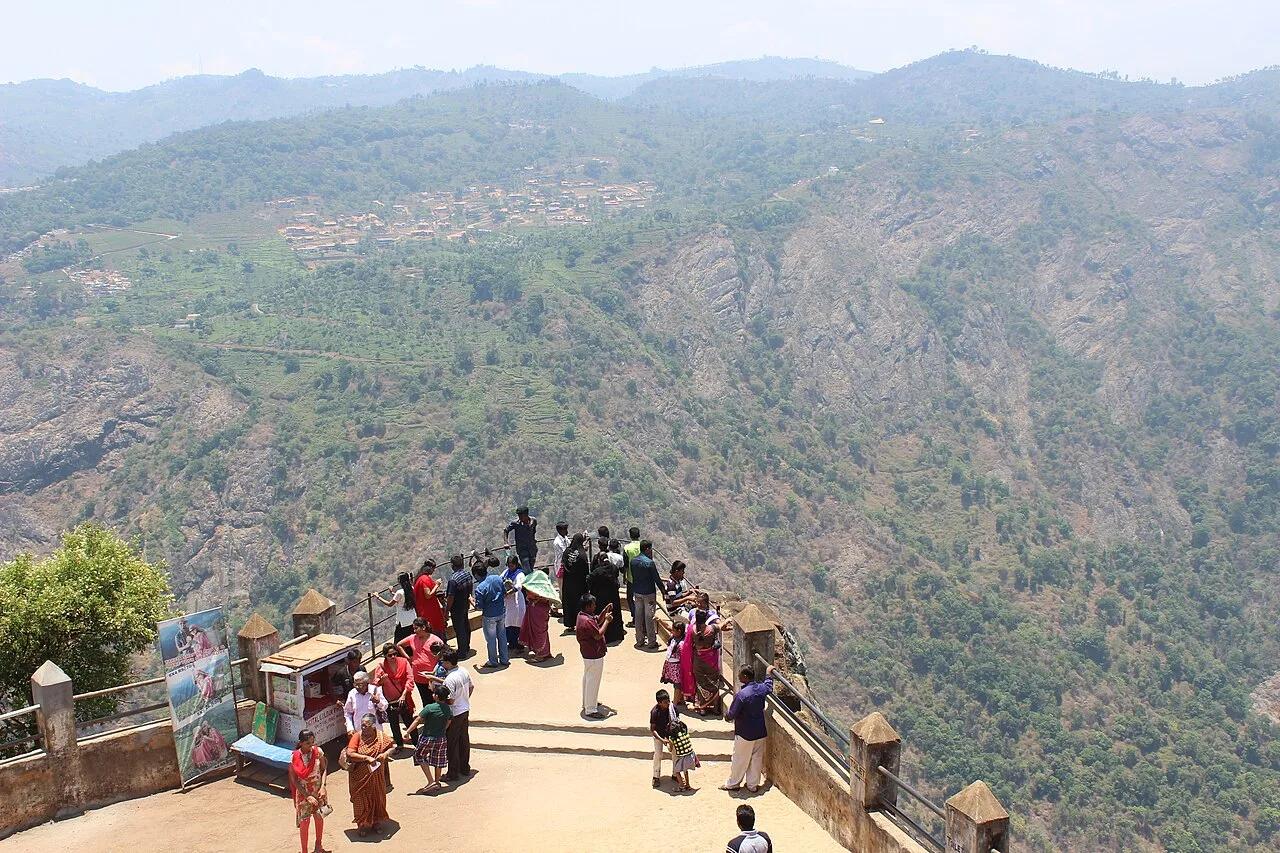
Dolphin's Nose is a viewpoint and visitor attraction at Coonoor in Tamil Nadu’s Nilgiris District, visited as a place of interest in the area.

Catherine Falls

55 km away · Nilgiris district

Catherine Falls

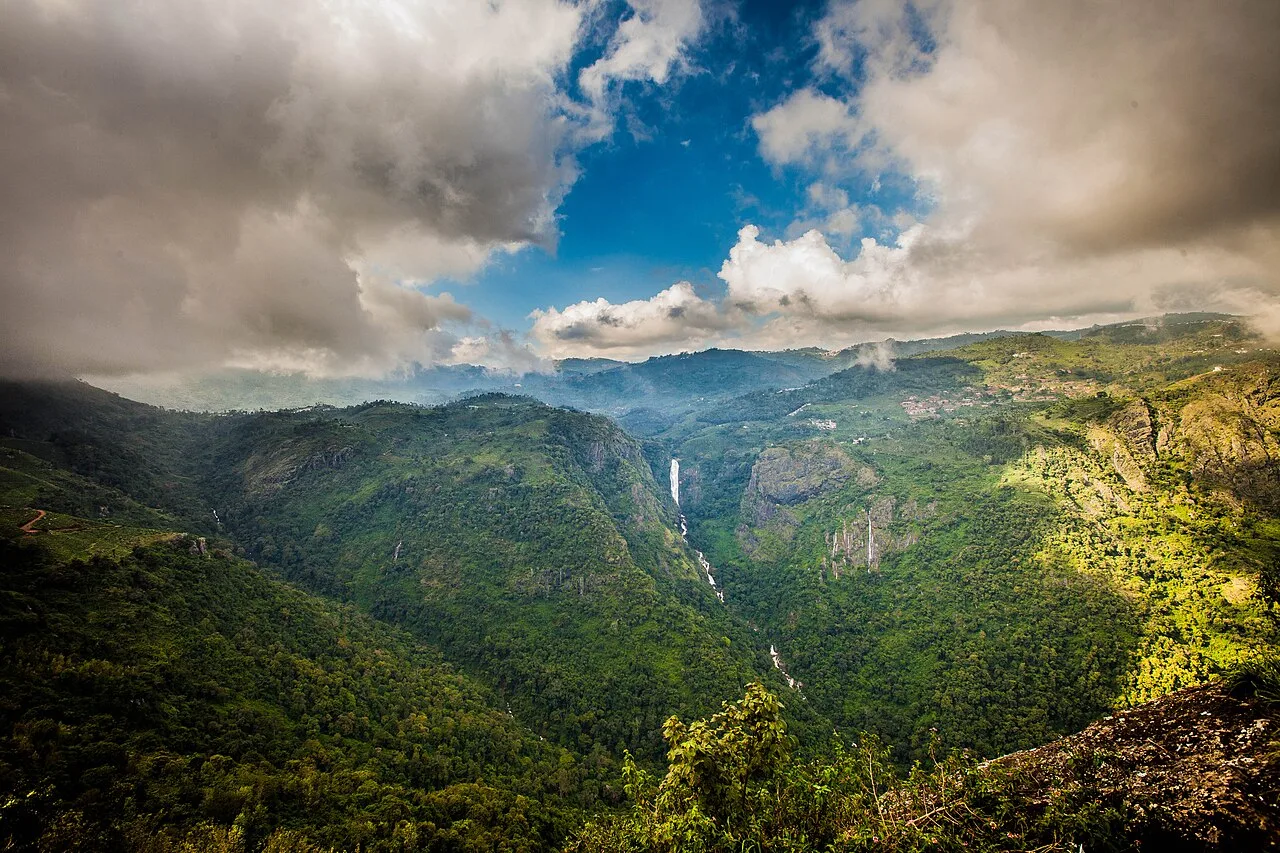
Catherine Falls is a two-tier waterfall near Kotagiri in Tamil Nadu’s Nilgiris district. Visitors come to see its cascades, which can be viewed from Dolphin’s Nose.

Lamb's Rock

55 km away · Nilgiris district

Lamb's Rock

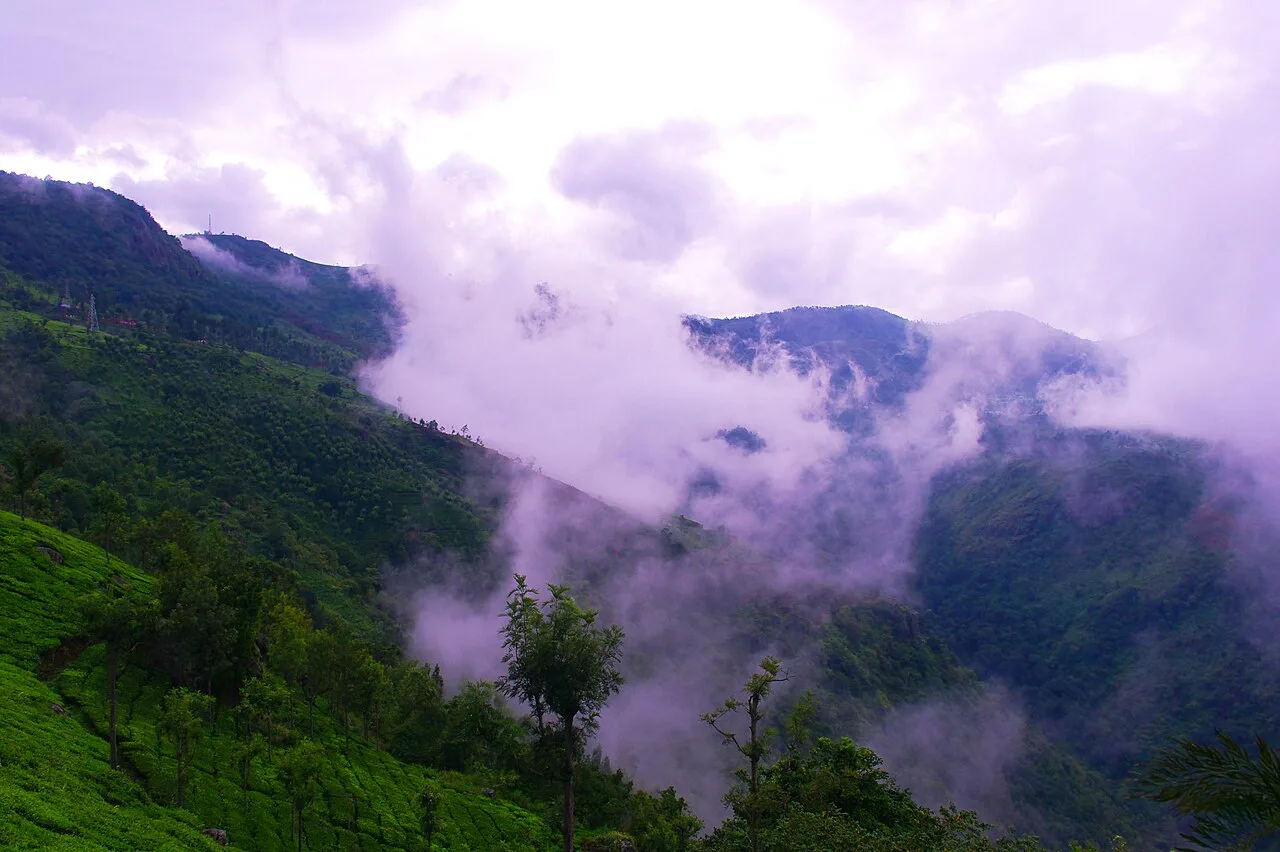
Set in Tamil Nadu’s Nilgiris district, Lamb’s Rock is a Coonoor attraction in the Nilgiri Hills. Visitors come for views extending across the Coimbatore plains and tea and coffee estates.

Map

Mangalam on the map

  1. 1Gedee Car Museum
  2. 2Eachanari Vinayagar Temple
  3. 3Perur Pateeswarar Temple
  4. 4Kodiveri Dam
  5. 5Marudamalai Murugan Temple
  6. 6Dolphin's Nose, Coonoor
  7. 7Catherine Falls
  8. 8Lamb's Rock

Tamil Nadu

Other cities to explore