Ghumoopedia — Explore, Discover, Experience
Sign in
Srirangam Ranganathaswamy Temple, near Musiri

City guide · Tamil Nadu

Musiri

Musiri is a municipality in Tiruchirappalli district, set on the northern bank of the Cauvery River. Its location gives the town a close connection to the river’s agricultural landscape and makes it a useful local centre for communities across this part of the district.

Famous for

  • Cauvery river setting
  • Cauvery-basin agriculture
  • Musiri–Kulithalai crossing
  • Historic riverine heritage

Why Musiri matters

Musiri is a municipality in Tiruchirappalli district, set on the northern bank of the Cauvery River. Its location gives the town a close connection to the river’s agricultural landscape and makes it a useful local centre for communities across this part of the district. Road links connect Musiri with Tiruchirappalli, Karur and neighbouring towns, while the river crossing toward Kulithalai adds to its regional importance.

Visitors come chiefly for a quieter, everyday view of the Cauvery region rather than for a major monument or resort. The river and its surrounding cultivated lands shape the scenery, local livelihoods and sense of place. Musiri’s history is also part of its appeal: archaeological and inscriptional evidence points to the antiquity of the wider area, while its position on an important river corridor helps explain its enduring settlement. The town is a practical stop for exploring nearby riverbank communities and local places of worship. Its identity is rooted less in a single landmark than in the meeting of river, agriculture and regional commerce.
Famous for: crafts, trade & products

Musiri is not widely identified with a signature textile, handicraft or GI-tagged product. Its everyday trade is closely tied to the surrounding Cauvery basin, where farming supports local demand for food grains, vegetables and other agricultural goods. The town’s shops and markets mainly serve residents and nearby villages, offering practical essentials and fresh produce rather than a specialised souvenir trade.

For a sense of local commerce, explore the town centre and the shopping streets around the main bus and road corridors. Small shops and market stalls are the most useful places to look for seasonal produce, snacks and household goods. Product availability changes with the season, and Musiri is better approached as a regional service town than as a destination for a particular craft or branded product. Travellers seeking Tamil Nadu textiles, established handicraft clusters or GI-labelled foods will generally find a wider selection in larger centres such as Tiruchirappalli. The town’s strongest association remains its riverine setting and the agricultural communities it serves.

History

Musiri’s story is linked to the Cauvery, a river that has supported settlement, farming and movement across central Tamil Nadu for centuries. Archaeological discoveries and inscriptions in the wider area point to a long history, although they do not provide a simple, complete chronology for the present town. The name is associated with the Tamil word Musiram.

The Cauvery corridor formed part of territories shaped by successive Tamil powers, including the Cholas; this regional history should not be taken as evidence that every dynasty directly governed Musiri itself. Under British rule, the area became part of the colonial administration of the Madras Presidency. In modern times Musiri developed as a municipality and a service centre for nearby settlements, with local commerce, public services and road connections supporting its growth. Its location across the river from Kulithalai has continued to give it a role in movement between communities on the two banks.

Food, festivals & culture

Tamil is the principal language of daily life, with English understood in some business and travel settings. Food is typical of the central Tamil region: rice-based meals, idli, dosa, sambar and seasonal vegetable dishes are common. Tea shops and small eateries are convenient places to try everyday snacks and meals; Musiri is not especially known as a destination for a particular sweet or signature dish.

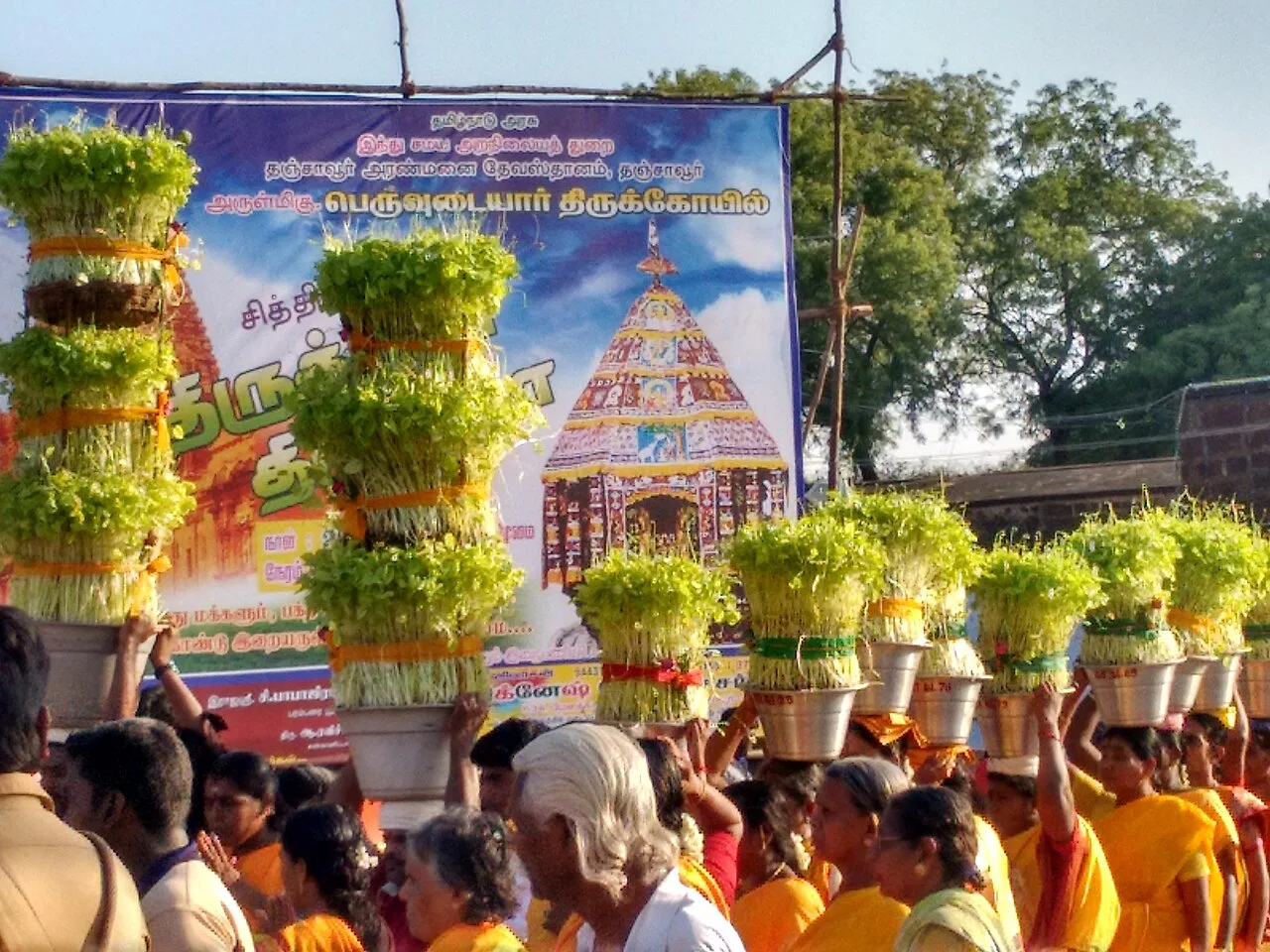
Pongal, celebrated in January, is an important harvest festival, and Tamil New Year in April and Deepavali, usually in October or November, are widely observed. Temple festivals take place at different times of year according to local traditions and temple calendars. Worship and community gatherings are important parts of town life, though visitors should check locally for festival dates and access arrangements. Religious occasions may feature devotional singing, nadaswaram and percussion; classical music and Bharatanatyam belong to the broader Tamil cultural tradition and may be encountered at organised events rather than as daily performances.

Visiting the city

The cooler months from October to February are generally the most comfortable for visiting. Days can be hot before the monsoon, while rain is more likely during the northeast monsoon season. The nearest airport is Tiruchirappalli International Airport. Tiruchirappalli Junction is the main railway station for onward travel; Kulithalai railway station is another option for the area, depending on connections.

Buses and road transport link Musiri with nearby towns. Within town, autos and short local rides are practical for reaching markets, places of worship and the river. Explore the central shopping streets for everyday town life, then head toward the Cauvery bank and the Musiri–Kulithalai crossing for river views. The surrounding settlements are best visited by road, with time allowed for local conditions and seasonal water levels.

Trips from the city

Nearest places to visit from Musiri

Our closest destination guides, by straight-line distance.

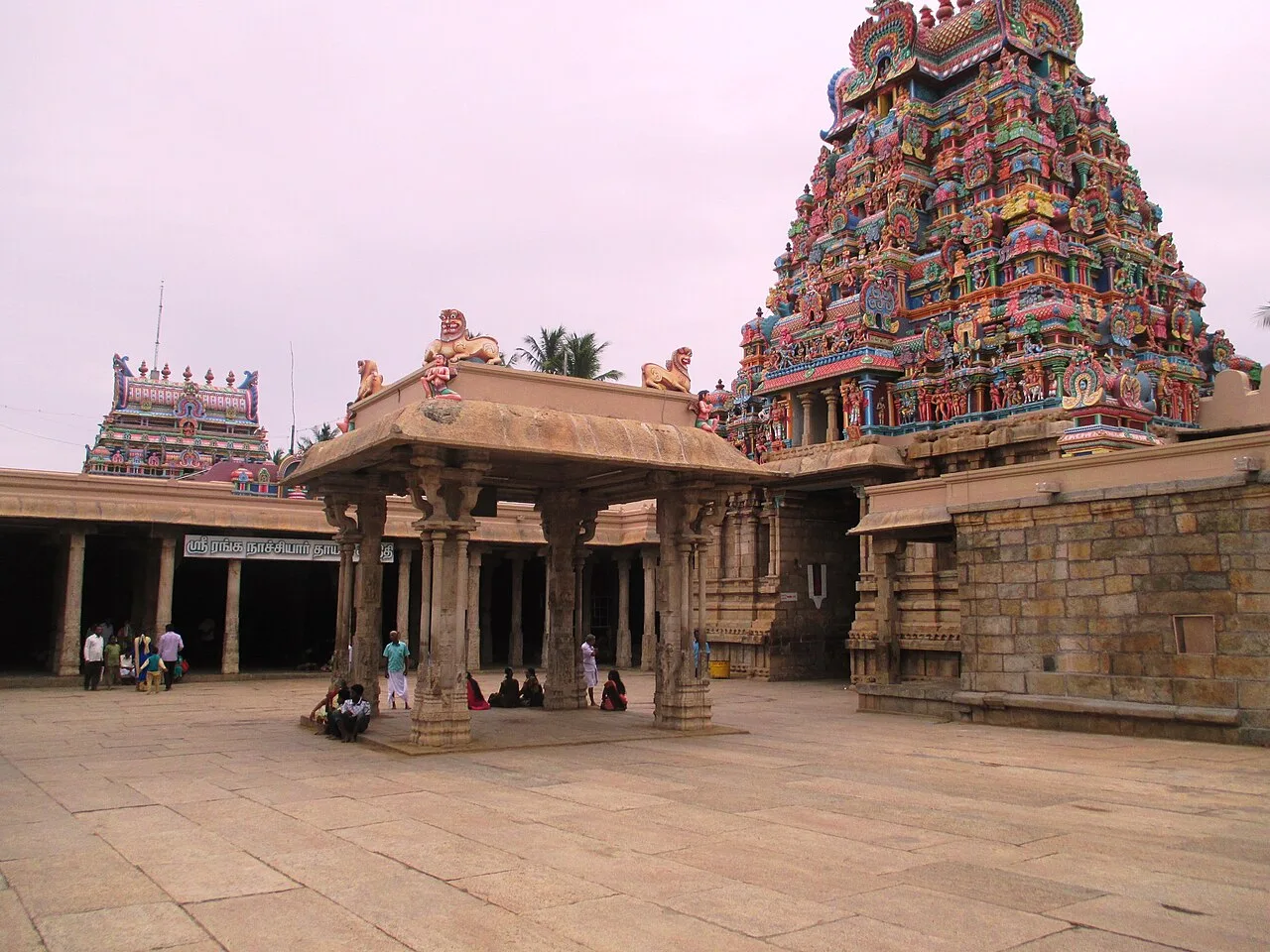
Srirangam Ranganathaswamy Temple

29 km away · Tiruchirappalli district

Srirangam Ranganathaswamy Temple

A major Vaishnava temple in Srirangam, this active shrine honours Vishnu and Lakshmi as Ranganathar and Ranganayaki. Visitors come for its religious significance, architecture and annual Margazhi festival.

Jambukeswarar Temple, Thiruvanaikaval

31 km away · Tiruchirappalli district

Jambukeswarar Temple, Thiruvanaikaval

Jambukeswarar Temple at Thiruvanaikaval is a Shiva shrine in Tamil Nadu associated with water. Visitors come to worship Jambukeshwarar and Akilandeswari and encounter the temple’s water-linked tradition.

Rockfort Ucchi Pillayar Temple

31 km away · Tiruchirappalli district

Rockfort Ucchi Pillayar Temple

Atop Rock Fort in Tiruchirappalli, Tamil Nadu, this seventh-century Hindu shrine is devoted to Ganesha. Visitors come to worship and to connect the site with a legend about Ganesha and King Vibishana.

Kolli Hills

42 km away · Namakkal district

Kolli Hills

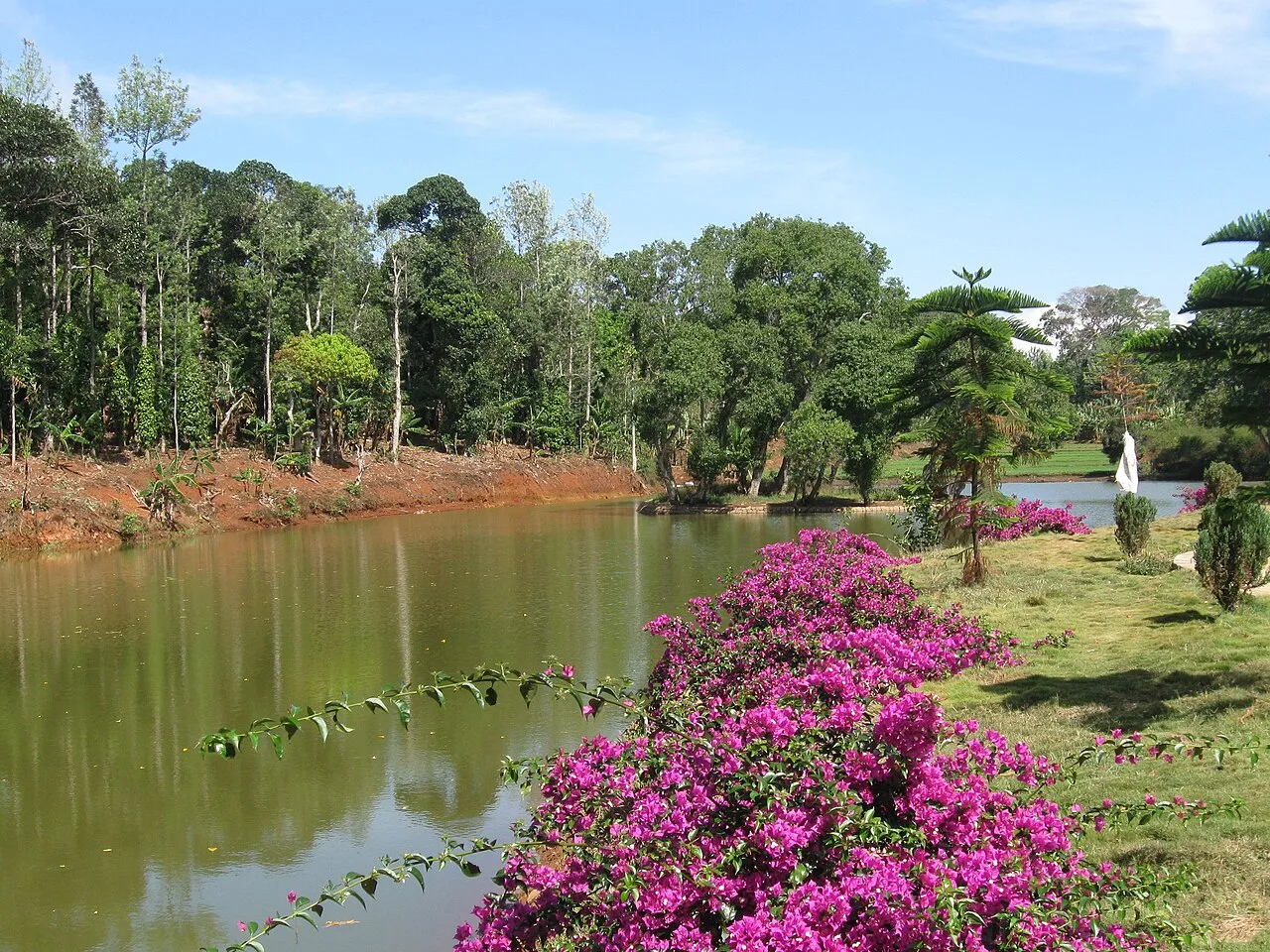
Kolli Malai, also called Kolli Hills, is a hill station and taluk within Tamil Nadu’s Namakkal district. Visitors come to the area in its capacity as a hill-station destination.

Kallanai (Grand Anicut)

43 km away · Tiruchirappalli district

Kallanai (Grand Anicut)

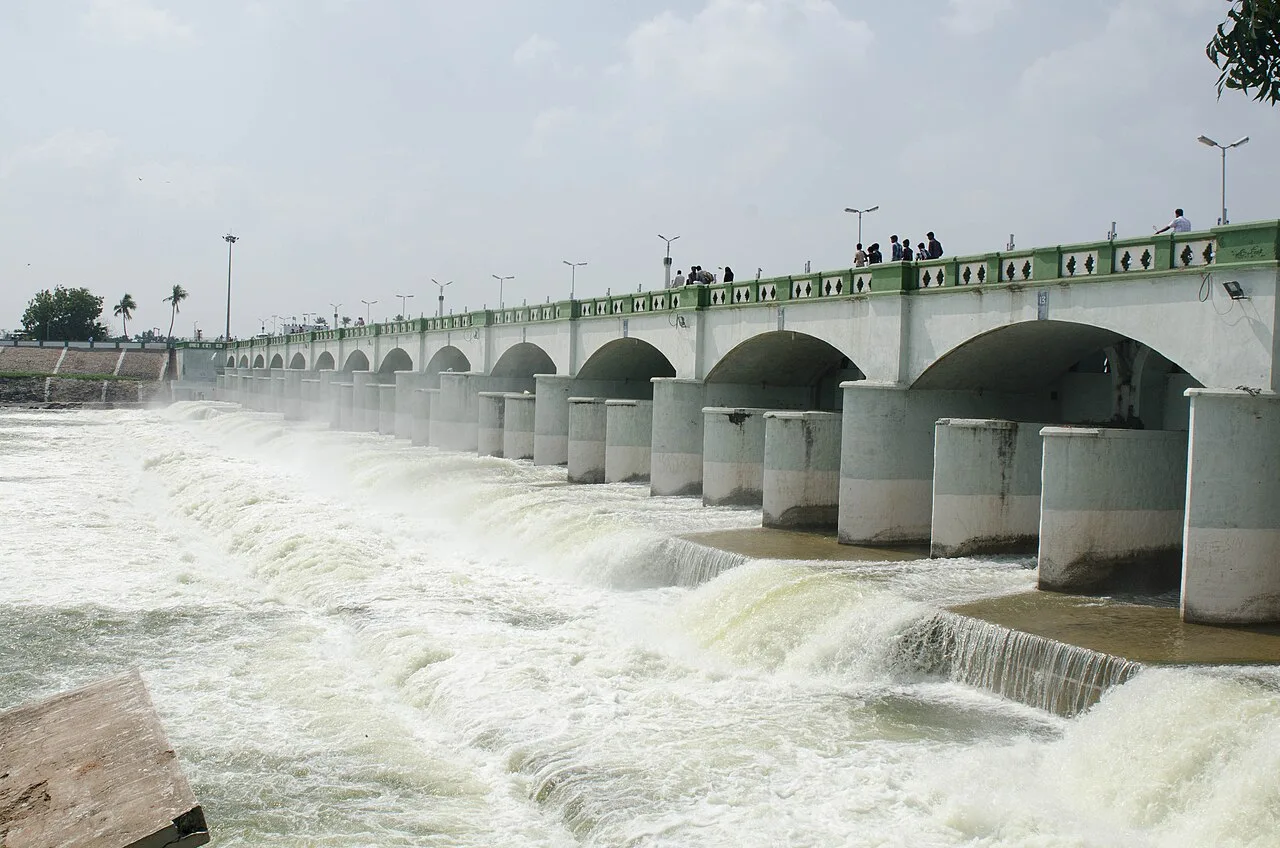
Kallanai, or the Grand Anicut, is a Chola-period dam across the Kaveri in Tamil Nadu. Visitors are drawn to its ancient water-management role and its distinction as a historic structure that remains operational.

Namakkal Fort

43 km away · Namakkal district

Namakkal Fort

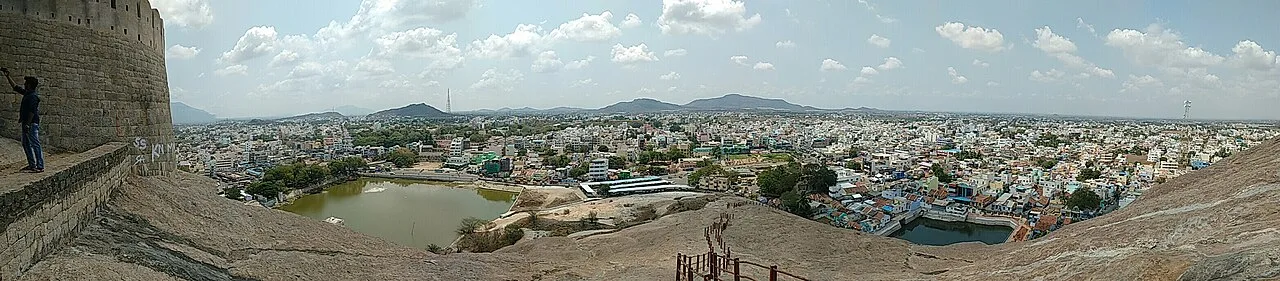
Rising above Namakkal, this seventeenth-century fort occupies a hillock of solid rock and contains a temple and mosque. Visitors come to see these sites and explore its history.

Sittanavasal Caves

63 km away · Pudukkottai district

Sittanavasal Caves

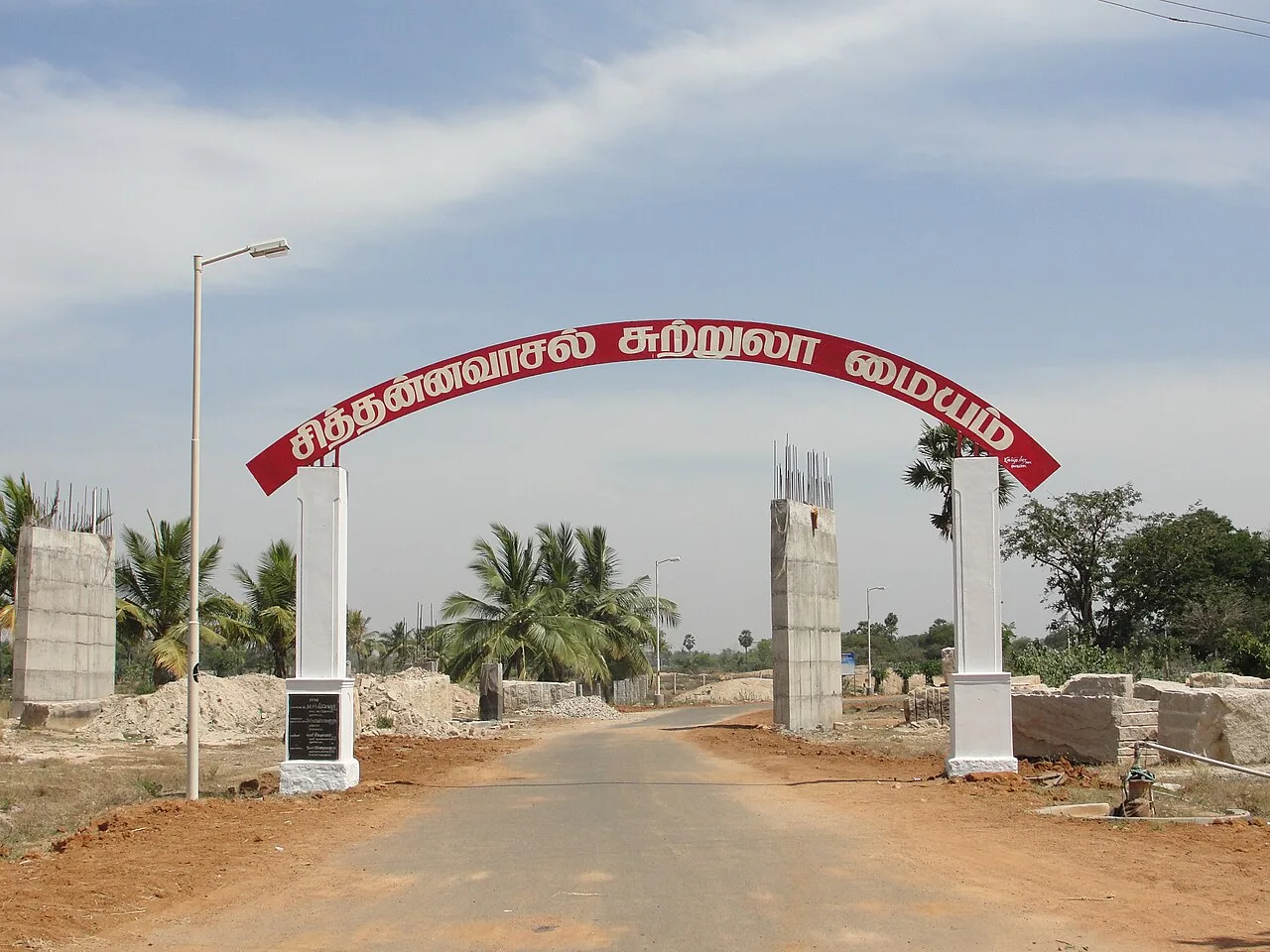
Sittanavasal is a small hamlet in Tamil Nadu’s Pudukkottai district. Visitors come to see its Jain cave complex, dated to the second century, and learn of its later role as a Jain centre.

Brihadisvara Temple

77 km away · Thanjavur district

Brihadisvara Temple

This major Shaivite temple in Thanjavur is a celebrated Chola-era monument, noted for its granite vimana, sculpture and place within the Great Living Chola Temples.

Map

Musiri on the map

  1. 1Srirangam Ranganathaswamy Temple
  2. 2Jambukeswarar Temple, Thiruvanaikaval
  3. 3Rockfort Ucchi Pillayar Temple
  4. 4Kolli Hills
  5. 5Kallanai (Grand Anicut)
  6. 6Namakkal Fort
  7. 7Sittanavasal Caves
  8. 8Brihadisvara Temple

Tamil Nadu

Other cities to explore