Ghumoopedia — Explore, Discover, Experience
Sign in
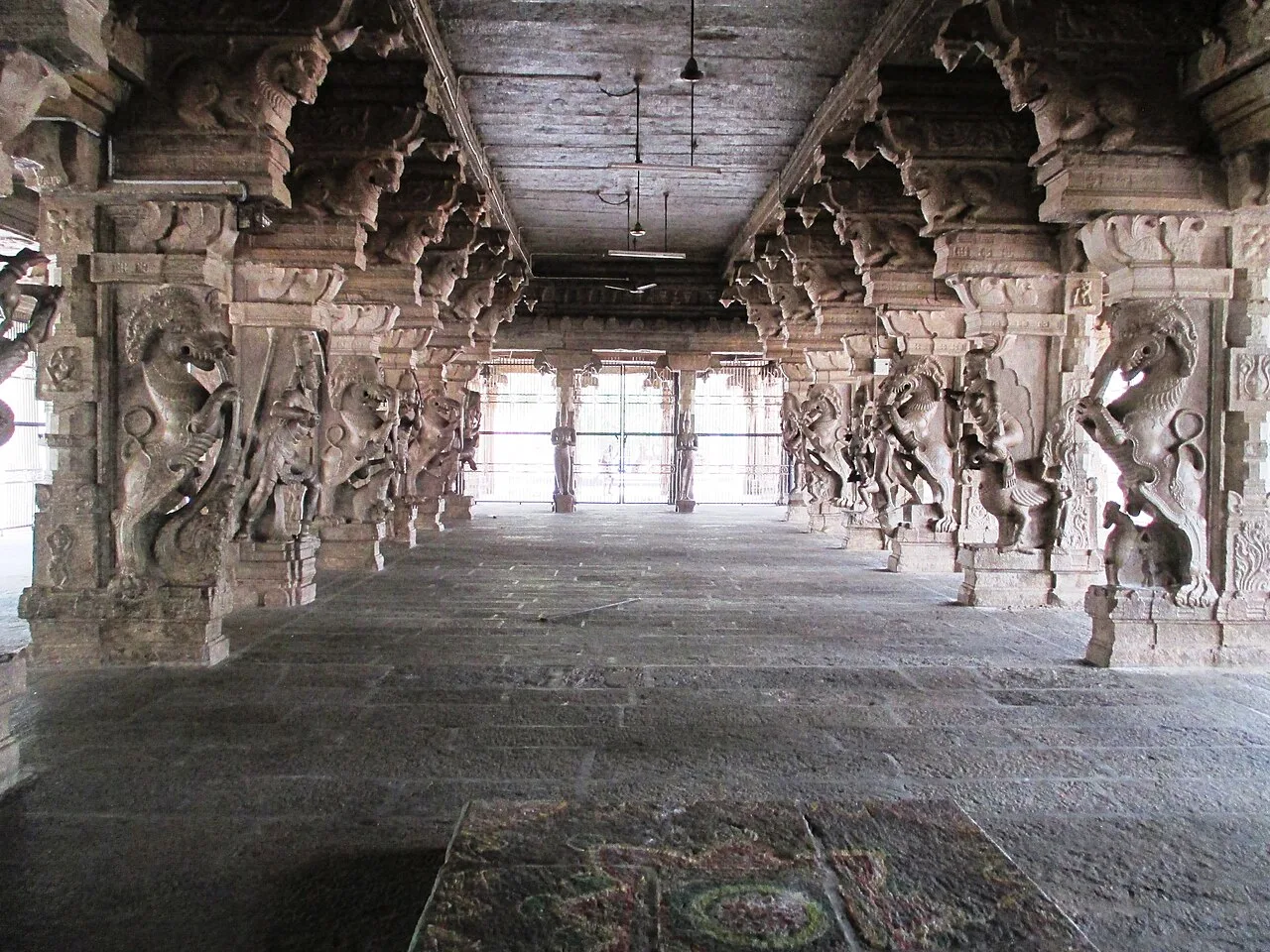
Alagar Koyil (Kallalagar Temple), near Natham

City guide · Tamil Nadu

Natham

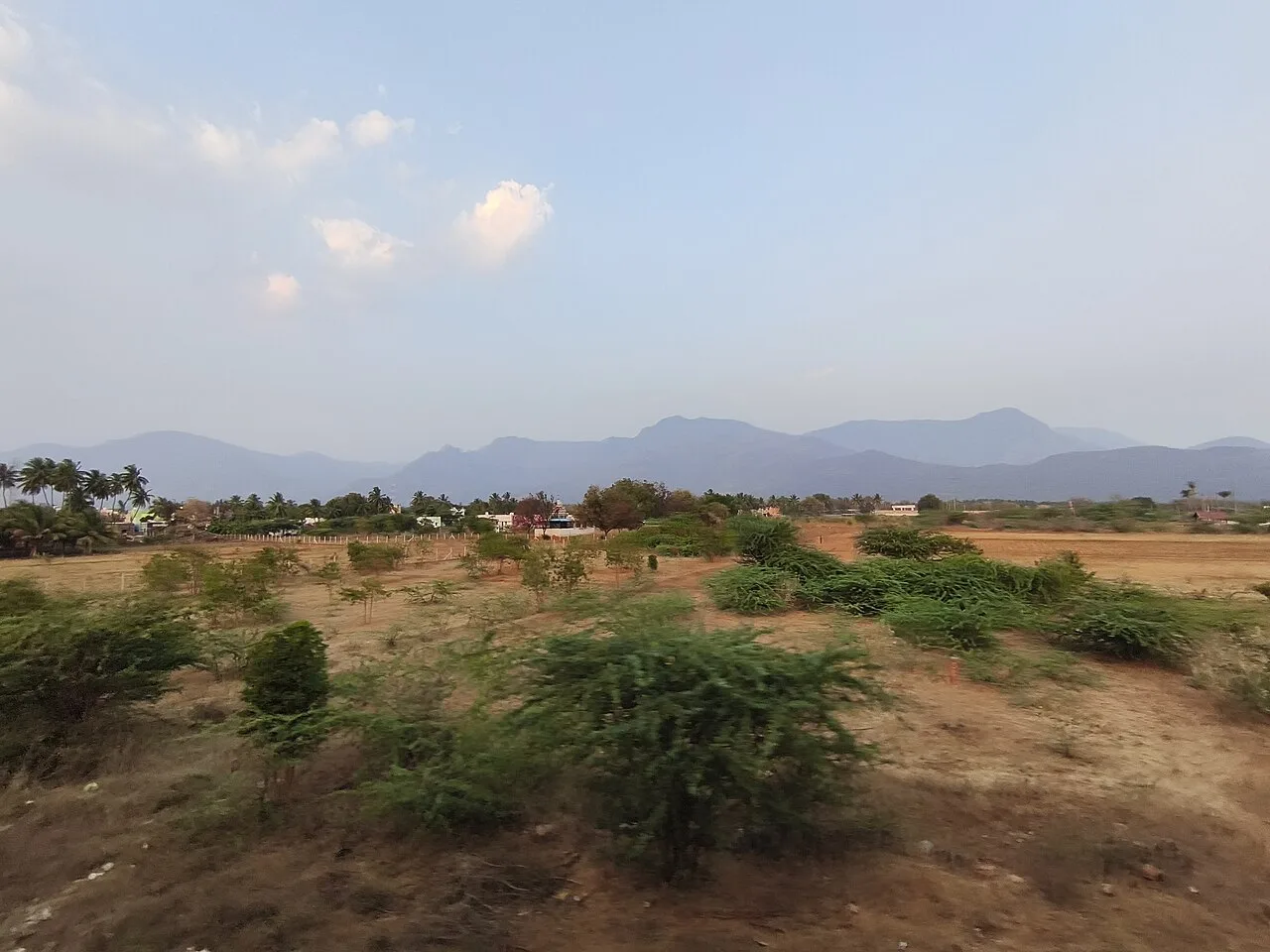
Natham is a town in Dindigul district, in the southern Indian state of Tamil Nadu. Its importance is primarily regional: it is a town within the district’s network of settlements and services, rather than a major metropolitan centre or a destination defined by a widely recognised monument or signature product.

Famous for

  • Dindigul district town
  • Tamil-speaking regional centre
  • Rural Tamil Nadu setting

Why Natham matters

Natham is a town in Dindigul district, in the southern Indian state of Tamil Nadu. Its importance is primarily regional: it is a town within the district’s network of settlements and services, rather than a major metropolitan centre or a destination defined by a widely recognised monument or signature product. Tamil is the main language of everyday life, and the town’s character reflects its place in the state’s rural and small-town landscape.

For visitors, Natham can be a useful stop when travelling through this part of Tamil Nadu or meeting family and contacts in the surrounding area. Its appeal lies in experiencing an everyday district town, its local streets and community life, rather than in a large set of established tourist attractions. The name is not strongly associated with a nationally recognised textile, craft or GI-tagged product, so travellers looking for those should check the offerings of larger nearby commercial centres. Natham is best approached as a practical regional destination, with travel plans shaped around local connections and onward journeys.
Famous for: crafts, trade & products

Natham is not widely identified with a particular silk or cotton textile, handloom tradition, handicraft, GI-tagged product or large-scale industry. It is more accurately described as a small town in Dindigul district than as a specialist craft or manufacturing destination. There is no single named product that can confidently be presented as the town’s signature souvenir.

For everyday purchases, visitors can look to the town’s local shops and market streets for routine household goods and provisions. These serve residents and nearby communities, but specific market names or specialist shopping areas are not established enough to recommend as visitor attractions. Travellers seeking a wider choice of textiles, branded goods or distinctive regional products may find more options in larger district and nearby city centres. Natham’s value to visitors is chiefly its local role and setting, not a documented export trade or craft quarter. Ask locally about seasonal produce and current market activity, since availability can vary and should not be mistaken for a formally recognised Natham speciality.

History

Natham’s history is best understood in the context of Tamil Nadu’s long-settled interior and the changing administrative landscape of the region. The town is now part of Dindigul district, but a detailed, well-established account of local rulers, fortifications or a distinct colonial-era episode is not readily available. It would therefore be misleading to attach the town to a particular dynasty or historical event without stronger evidence.

During the colonial period, the wider region came under British administration, as did much of present-day Tamil Nadu. In modern times, Natham’s development has followed the pattern of many smaller towns: local services, transport links and commerce support residents and surrounding settlements. Its present identity is shaped more by its role within Dindigul district than by a nationally prominent historic monument or a documented industrial transformation. Visitors interested in the area’s past can place Natham within the broader history of Tamil Nadu while treating local historical claims with care.

Food, festivals & culture

Tamil is the principal language of daily life in Natham. The town shares the broader food culture of Tamil Nadu, where rice-based meals, idli, dosa, sambar and accompanying chutneys are familiar choices. These are regional staples rather than dishes unique to Natham; visitors can ask locally about seasonal cooking and sweets available in shops. No particular sweet or food is firmly established as the town’s signature speciality.

Pongal, the Tamil harvest festival celebrated in January, is an important seasonal occasion across the state. Deepavali, usually in October or November, and Tamil New Year, generally in April, are also widely observed. Dates for temple celebrations vary by place and by the Tamil calendar. Hindu places of worship form part of community life, though no single landmark temple can be confidently singled out here as Natham’s defining attraction. Music, devotional singing and traditional performance may feature during religious and family celebrations, within the wider Tamil cultural tradition.

Visiting the city

The cooler, generally drier months from November to February are often the most comfortable time to visit; summer can be hot, and monsoon conditions may affect road journeys. Madurai Airport is a practical air gateway for Natham. Dindigul Junction is a useful main railway station for onward travel, with local road transport needed to reach the town.

Buses and hired cars are common ways to travel between Natham and other towns in the region; within town, local vehicles can help with short trips. Allow time for road connections, especially when coordinating with trains or flights. The central town streets are the natural place to explore everyday shops and local activity. Natham is a modest regional destination, so visitors should confirm transport and any specific local points of interest before setting out.

Trips from the city

Nearest places to visit from Natham

Our closest destination guides, by straight-line distance.

Alagar Koyil (Kallalagar Temple)

17 km away · Madurai district

Alagar Koyil (Kallalagar Temple)

Alagar Koyil is a Vishnu temple in Madurai district, Tamil Nadu, visited for its place in the Divya Desams tradition, its festivals and its local religious customs.

Sirumalai Hills

25 km away · Dindigul district

Sirumalai Hills

Sirumalai is a forested mountain region in Tamil Nadu, known for its varied wildlife, hill roads and views. Nearby Azhagar Kovil Hills draw worshippers and offer permitted trekking.

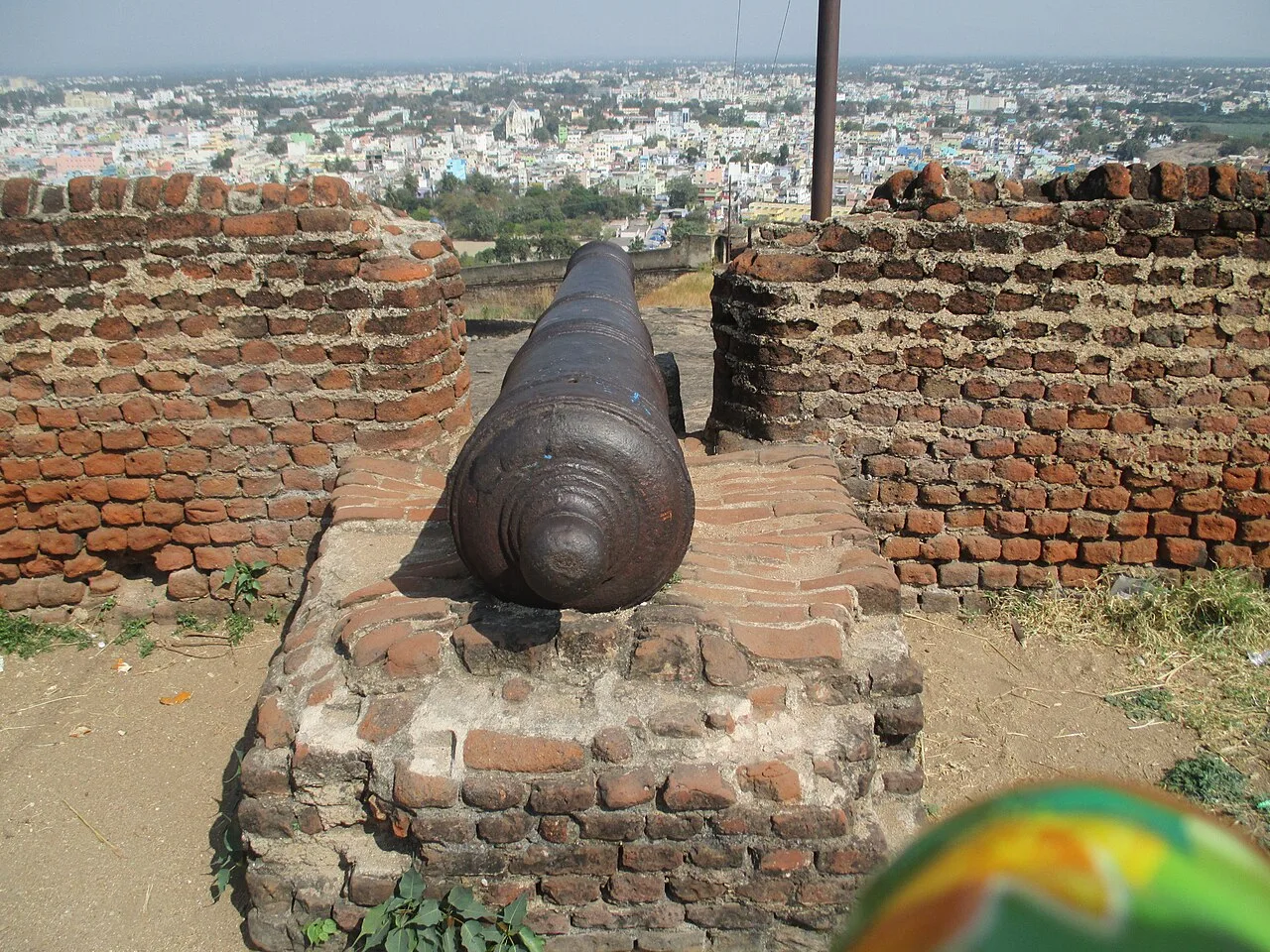
Dindigul Fort

33 km away · Dindigul district

Dindigul Fort

Dindigul Fort, also known as Dindigul Malai Kottai, is a historic stronghold in Tamil Nadu, visited for its military past, summit temple and surviving cannons.

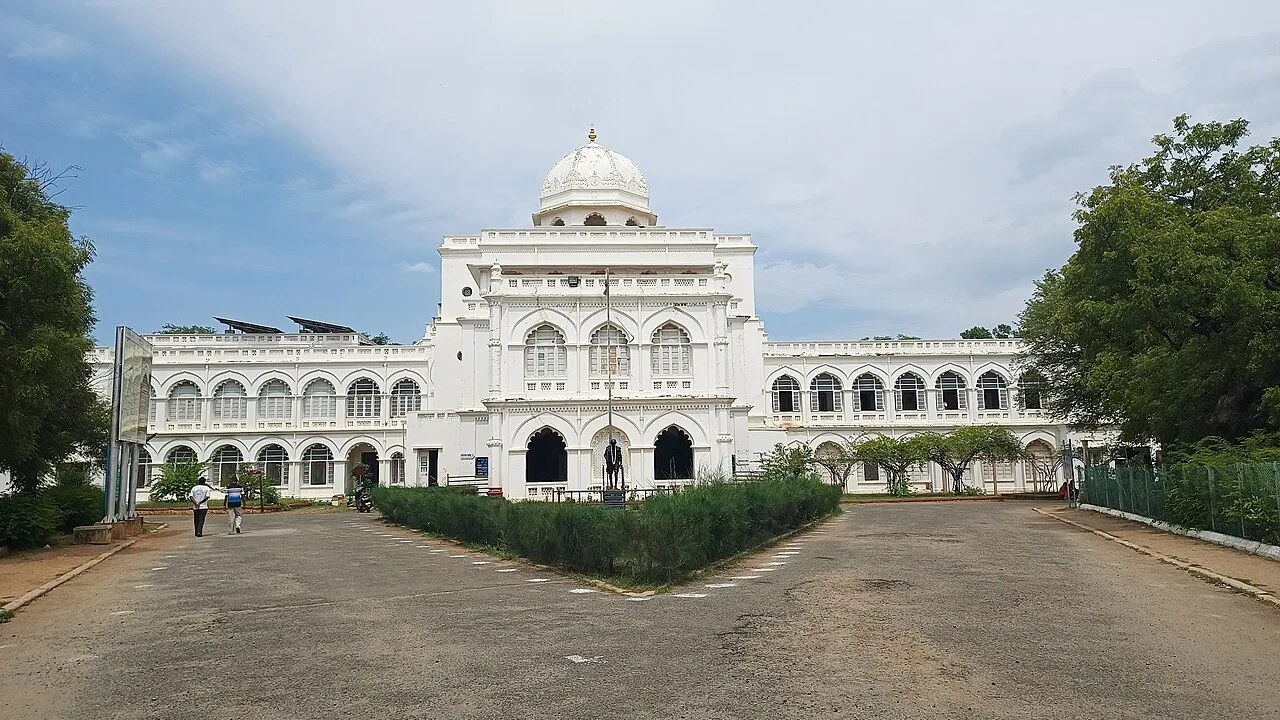
Gandhi Memorial Museum

35 km away · Madurai district

Gandhi Memorial Museum

Located in Madurai, Tamil Nadu, Gandhi Memorial Museum commemorates Mahatma Gandhi. Visitors can see part of the blood-stained garment he wore when Nathuram Godse assassinated him.

Meenakshi Temple, Madurai

36 km away · Madurai district

Meenakshi Temple, Madurai

Meenakshi Temple is a major Hindu shrine in Madurai, Tamil Nadu, honouring Meenakshi and Sundareswarar. Visitors come to see its layered history, extensive complex and distinctive gopurams.

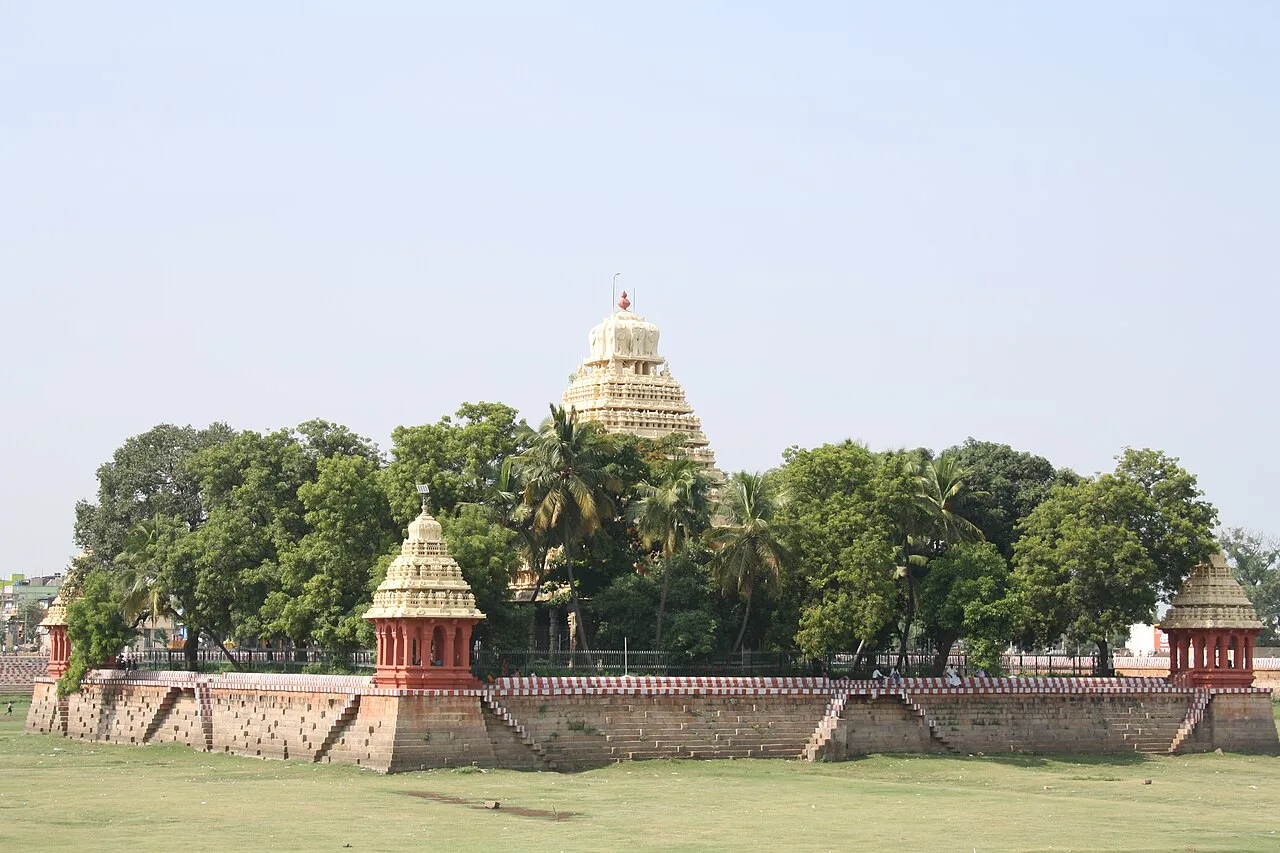
Vandiyur Mariamman Temple

36 km away · Madurai district

Vandiyur Mariamman Temple

A shrine to Mariamman in Madurai, Tamil Nadu, Vandiyur Mariamman Temple draws visitors for worship and for its tank, which is used during temple festivities.

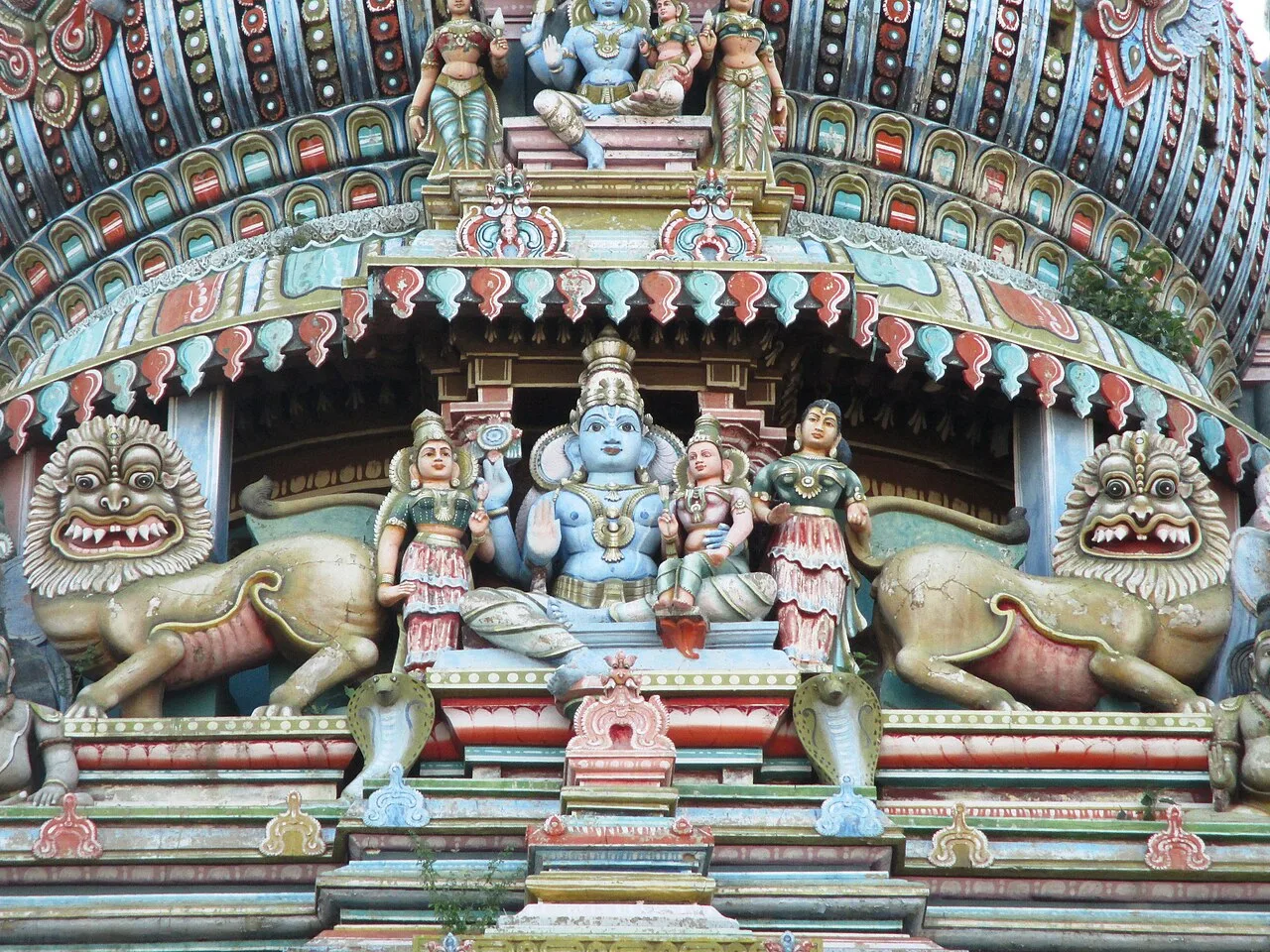
Koodal Azhagar Temple

37 km away · Madurai district

Koodal Azhagar Temple

Koodal Azhagar is a Vaishnava temple in Madurai, revered as one of Vishnu’s 108 Divya Desams. Visitors come to worship Vishnu and Lakshmi and see its Dravidian architecture and shrines.

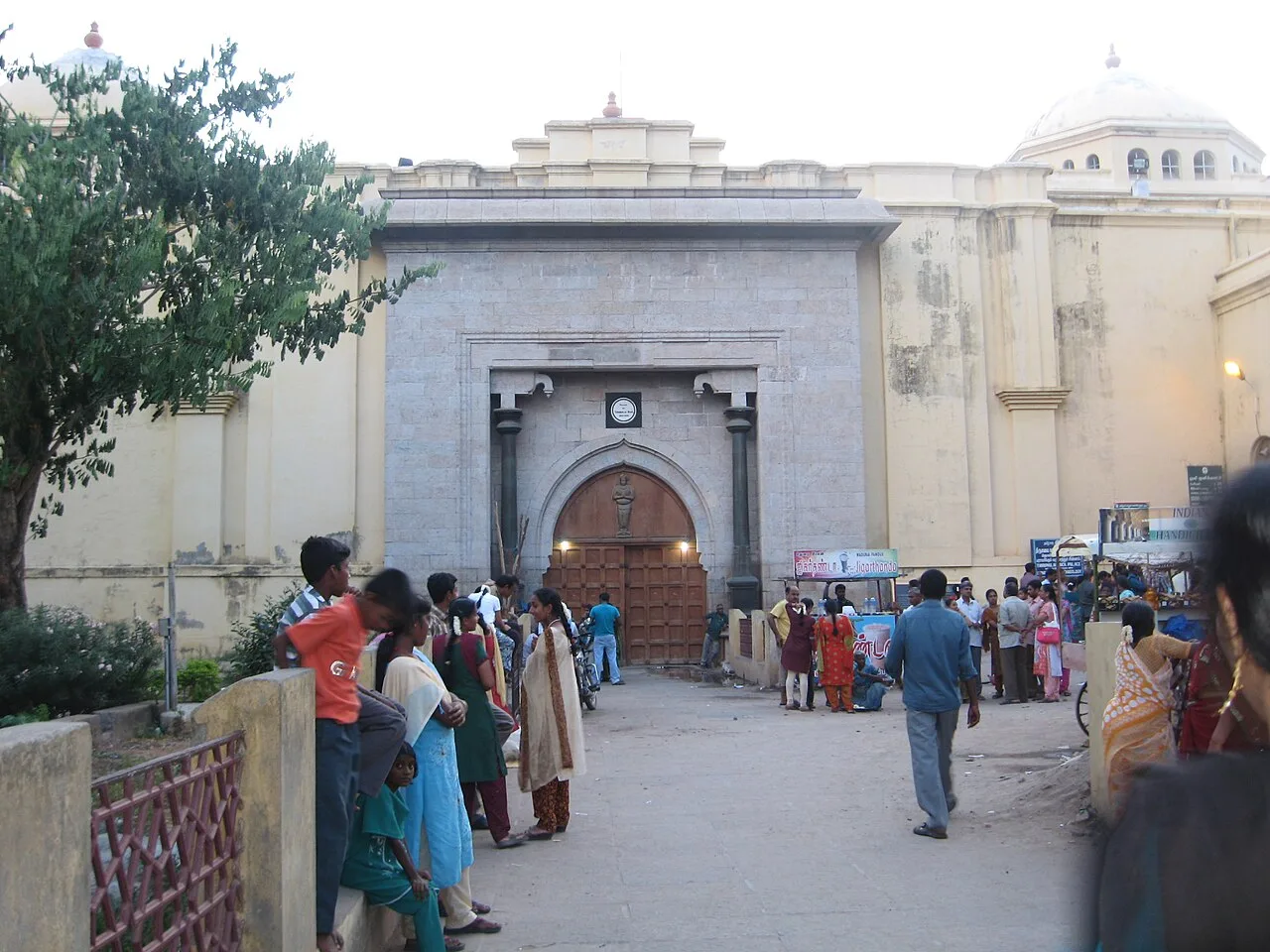
Thirumalai Nayakkar Mahal

37 km away · Madurai district

Thirumalai Nayakkar Mahal

This Madurai palace is the surviving part of a larger Nayak royal complex, visited for its historic residence and connection to Tirumala Nayaka.

Map

Natham on the map

  1. 1Alagar Koyil (Kallalagar Temple)
  2. 2Sirumalai Hills
  3. 3Dindigul Fort
  4. 4Gandhi Memorial Museum
  5. 5Meenakshi Temple, Madurai
  6. 6Vandiyur Mariamman Temple
  7. 7Koodal Azhagar Temple
  8. 8Thirumalai Nayakkar Mahal

Tamil Nadu

Other cities to explore