Ghumoopedia — Explore, Discover, Experience
Sign in
Sirumalai Hills, near Nilakkottai

City guide · Tamil Nadu

Nilakkottai

Nilakkottai is a small town in Dindigul district, in southern Tamil Nadu, whose importance comes from its place in the region’s agricultural life and its long association with jasmine. Flowers grown in and around the town contribute to the wider Madurai-region jasmine trade, linking local growers and traders with markets beyond the immediate area.

Famous for

  • Nilakkottai jasmine
  • Madurai-region flower trade
  • Historic palayam heritage
  • Agricultural market town

Why Nilakkottai matters

Nilakkottai is a small town in Dindigul district, in southern Tamil Nadu, whose importance comes from its place in the region’s agricultural life and its long association with jasmine. Flowers grown in and around the town contribute to the wider Madurai-region jasmine trade, linking local growers and traders with markets beyond the immediate area. The town also serves surrounding villages with everyday commerce and services, making it a useful stop in the rural belt between Dindigul and Madurai.

Nilakkottai’s story reaches back to the palayams, the fortified territories that shaped rule in this part of Tamil Nadu. Accounts of its past connect the town with the Nayak rulers and an old mud fort. Today, visitors are drawn less by large tourist attractions than by the atmosphere of a working market town: flower trading, busy local streets, Tamil food and the agricultural landscape around it. It offers a quieter view of regional life than the larger cities nearby, while its jasmine gives it a distinctive place in the area’s identity.
Famous for: crafts, trade & products

Nilakkottai is best known for jasmine and its role in the flower trade of the Madurai region. Jasmine is cultivated in the surrounding area and moves through local trading channels, where flowers are sorted and sold for domestic use, ceremonies and wider markets. Madurai Malli is a recognised regional jasmine product; Nilakkottai is associated with this broader growing and trading landscape rather than being a separate textile or handicraft centre.

The town’s central market streets and flower-trading areas are the most practical places to see its commerce at work. Activity is generally most noticeable when flowers are arriving and being traded, though timing varies with harvest and demand. Local shops and stalls also serve the agricultural hinterland with everyday goods and produce. Nilakkottai is not especially known for a signature saree, craft tradition or large industrial sector, so visitors looking for those should explore larger regional centres. For a closer look at the town’s identity, ask locally about jasmine trading and the surrounding farms; buying flowers directly depends on the season and what is available that day.

History

Nilakkottai’s history is associated with a palayam, one of the fortified territories that once formed part of the Dindigul region. Local historical accounts trace the establishment of its fort to the fourteenth century and connect its early rulers with the Nayak period. Makkala Nayakkar is said to have built a mud fort here, after which his son Kulappa Nayakkar succeeded him. The palayam later became involved in the shifting conflicts among the Nayaks, the Pandyas and the Vijayanagar rulers.

Under British rule, drought and difficulty paying tribute contributed to conflict. In 1797, the palayakkarar, or local chieftain, joined a revolt and unsuccessfully attempted to remove the British garrison from the fort. The fortified past is now chiefly part of the town’s historical memory.

Nilakkottai’s modern civic administration began as a town panchayat in 1958. Its administrative classification changed over the following decades as the town developed into a local centre for surrounding agricultural communities.

Food, festivals & culture

Tamil is the main language of daily life, trade and worship in Nilakkottai. The town shares the food traditions of southern Tamil Nadu: rice-based meals, idli and dosa, as well as snacks and savoury dishes served in local eateries. Tea shops and small restaurants are part of the everyday street scene. There is no single dish or sweet for which the town is especially known, so visitors will find familiar regional cooking rather than a distinct culinary speciality.

Pongal, usually celebrated in January, is an important harvest festival, while Tamil New Year in April and Deepavali in autumn are widely observed. Temple festivals, often held during the warmer months, bring processions, devotional music and community gatherings; dates vary by temple and Tamil calendar. Muslim and Christian residents also mark Ramadan and Eid, and Christmas. Tamil devotional music and regional folk performance traditions are part of festival life. Hindu temples, alongside local Muslim and Christian places of worship, reflect the town’s varied religious communities. Visitors should dress respectfully and check locally before entering worship spaces or attending ceremonies.

Visiting the city

The cooler months, roughly November to February, are generally the most comfortable time to visit. Summer can be hot, while the monsoon may bring spells of rain. Madurai Airport is the nearest airport for most visitors. Kodai Road railway station is the closest railhead; Dindigul Junction is another useful station with broader rail connections.

Buses connect Nilakkottai with nearby towns, while auto-rickshaws and hired cars are useful for local trips and visits to surrounding villages. The town centre is walkable for a look at everyday shops and market streets; ask locally for the flower-trading area, whose activity changes with the harvest. The central bazaar and nearby agricultural outskirts offer the clearest sense of Nilakkottai’s role as a market town. There are no large tourist districts, so it works well as a short stop or as part of a wider Dindigul–Madurai journey.

Trips from the city

Nearest places to visit from Nilakkottai

Our closest destination guides, by straight-line distance.

Sirumalai Hills

17 km away · Dindigul district

Sirumalai Hills

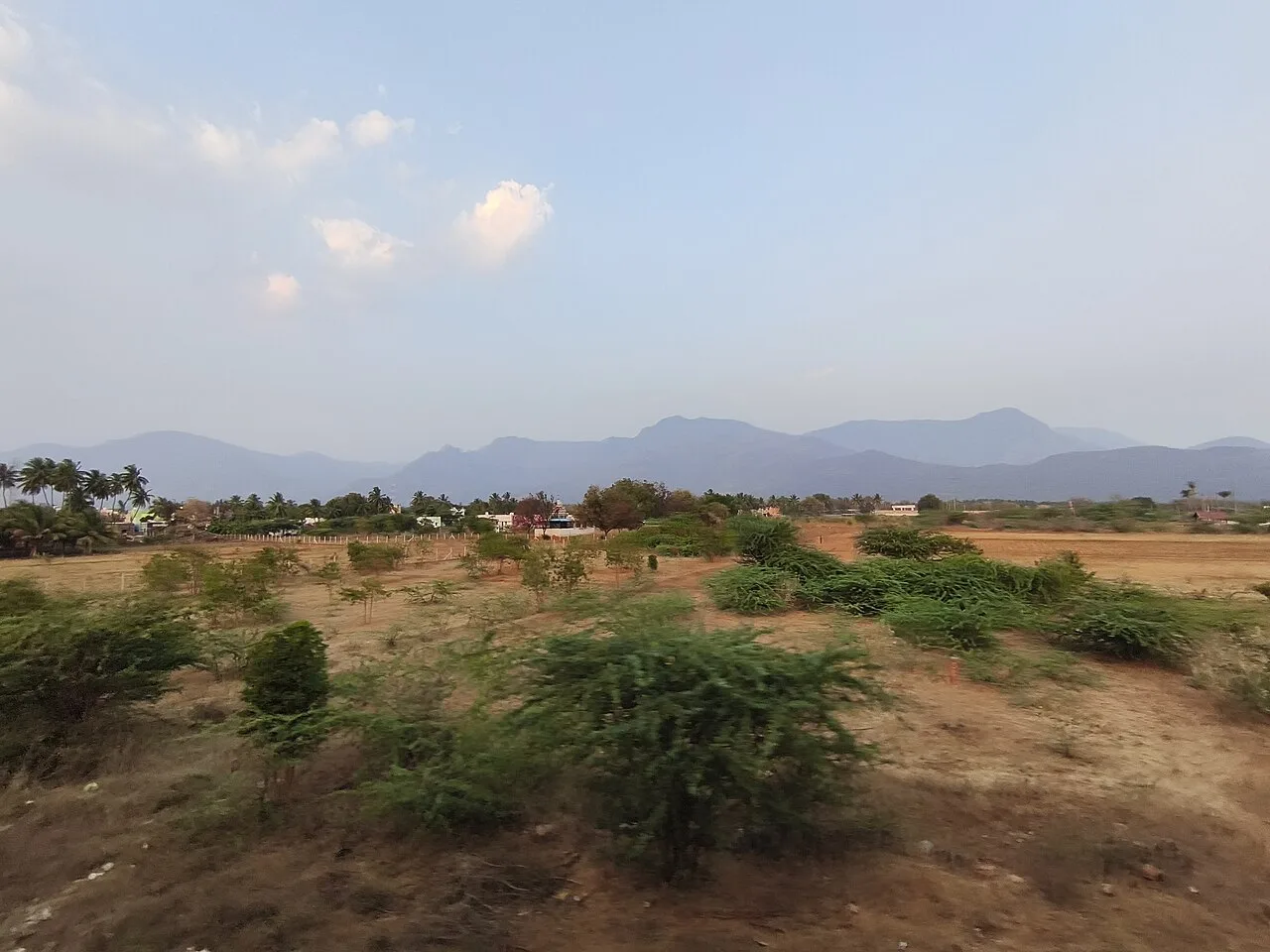
Sirumalai is a forested mountain region in Tamil Nadu, known for its varied wildlife, hill roads and views. Nearby Azhagar Kovil Hills draw worshippers and offer permitted trekking.

Dindigul Fort

25 km away · Dindigul district

Dindigul Fort

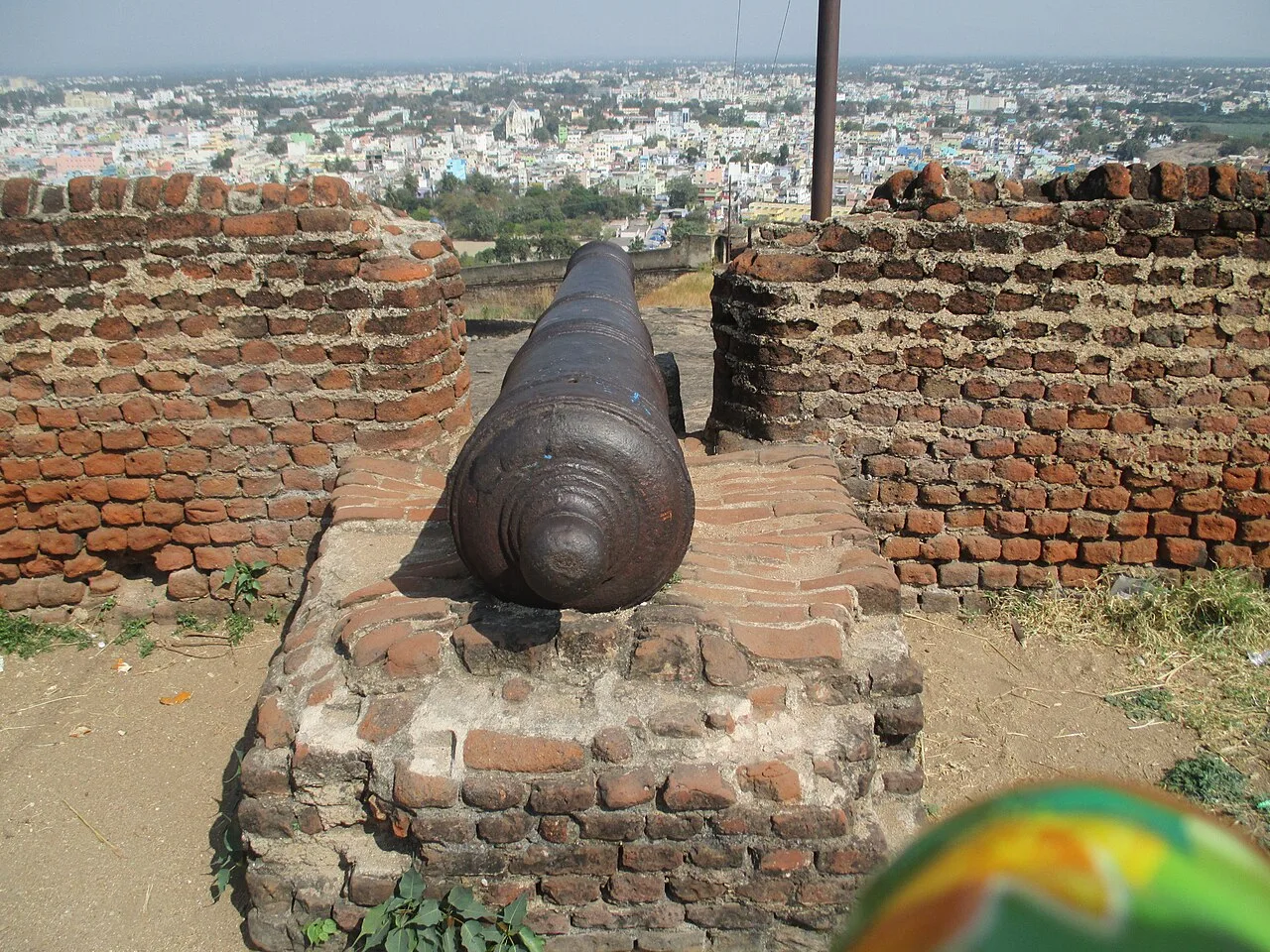
Dindigul Fort, also known as Dindigul Malai Kottai, is a historic stronghold in Tamil Nadu, visited for its military past, summit temple and surviving cannons.

Vaigai Dam

31 km away · Theni district

Vaigai Dam

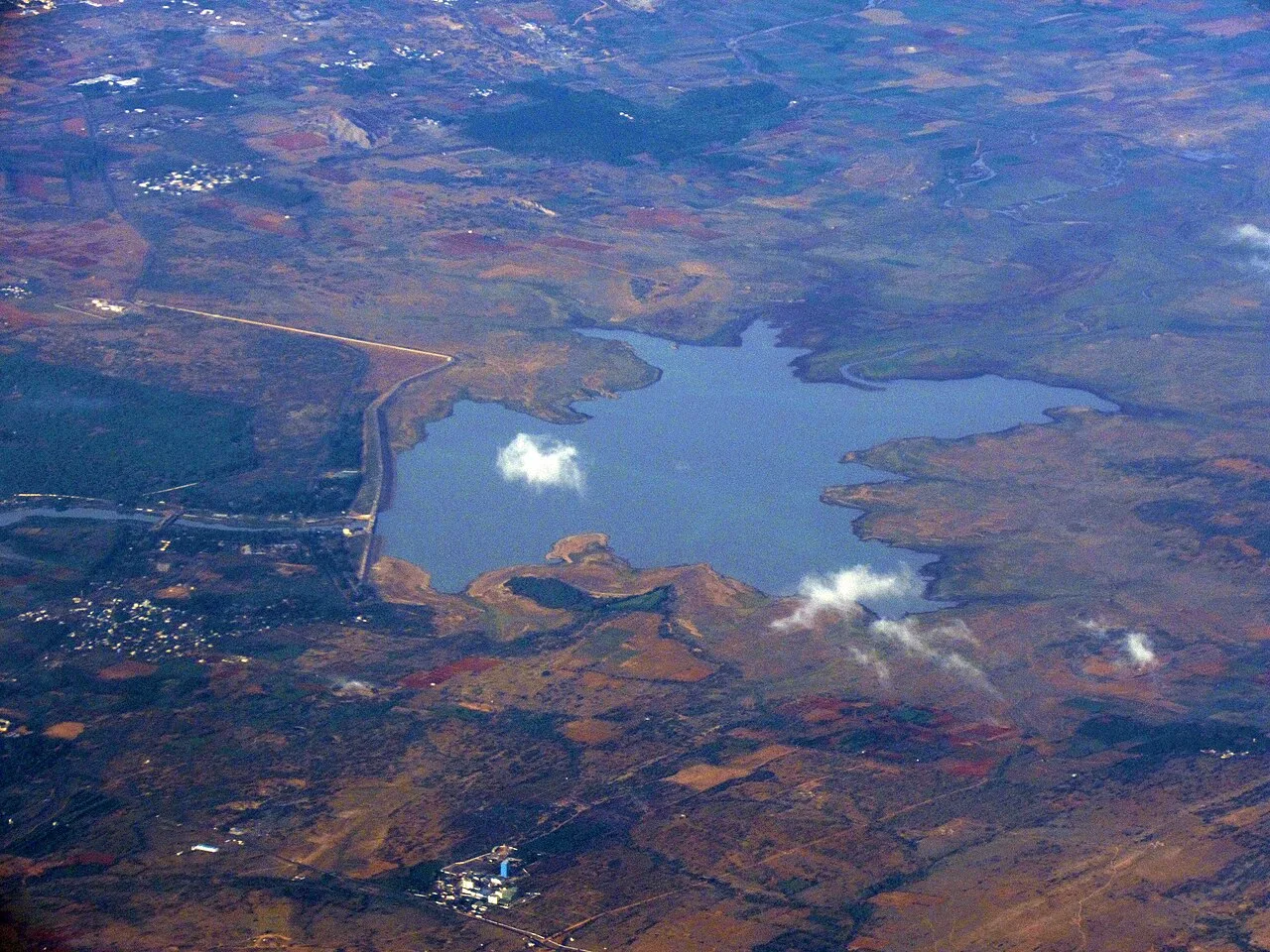
Vaigai Dam spans the Vaigai River near Andipatti in Theni district, Tamil Nadu. Visitors may be interested in the dam and the nearby government station researching the cultivation of several crops.

Kumbakkarai Falls

35 km away · Theni district

Kumbakkarai Falls

Kumbakkarai Falls is a two-stage waterfall in Theni district, below the Kodaikanal Hills. Visitors come to bathe in its pools and flowing water, travelling from nearby Periyakulam.

Koodal Azhagar Temple

40 km away · Madurai district

Koodal Azhagar Temple

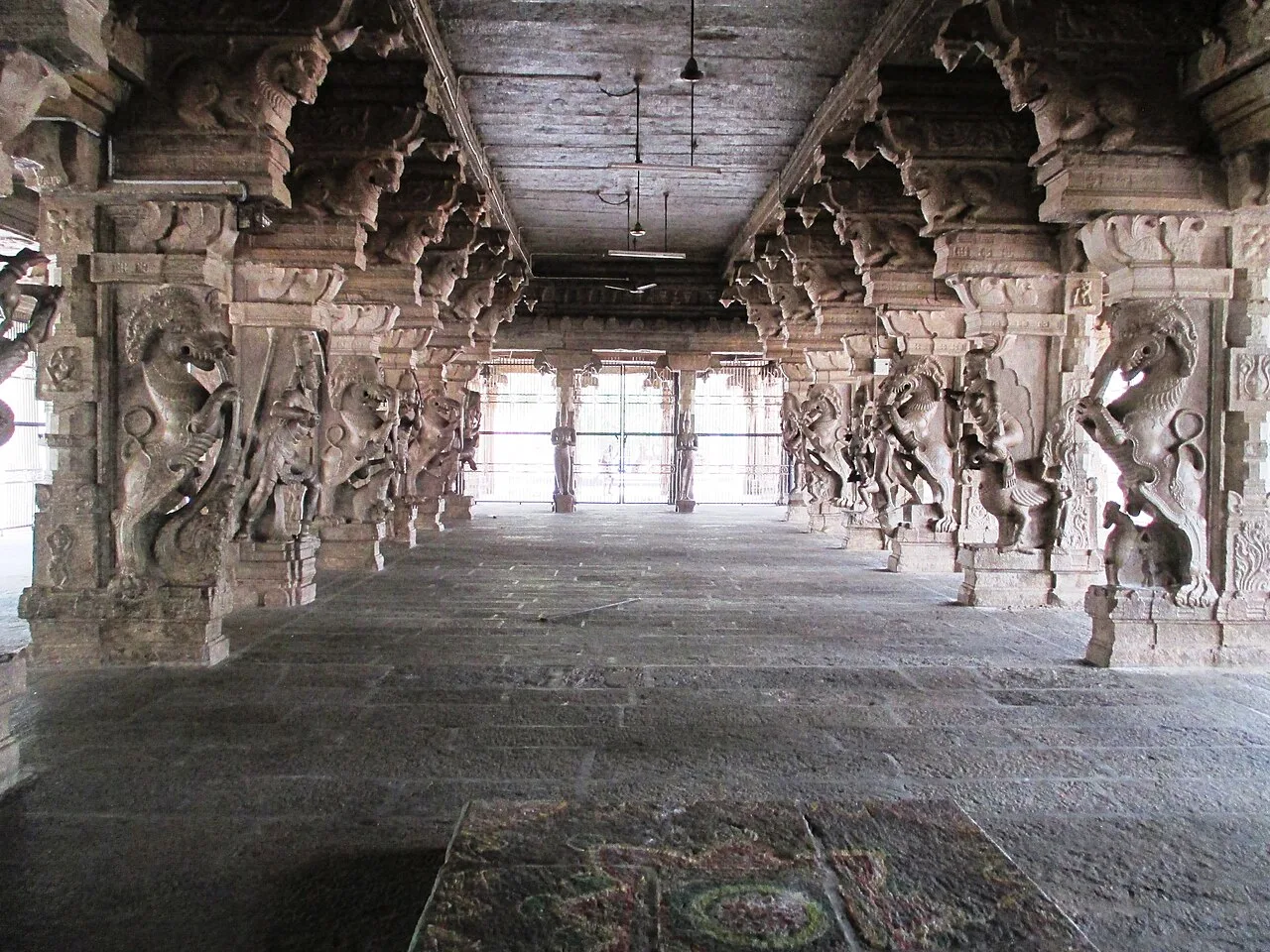
Koodal Azhagar is a Vaishnava temple in Madurai, revered as one of Vishnu’s 108 Divya Desams. Visitors come to worship Vishnu and Lakshmi and see its Dravidian architecture and shrines.

Meenakshi Temple, Madurai

40 km away · Madurai district

Meenakshi Temple, Madurai

Meenakshi Temple is a major Hindu shrine in Madurai, Tamil Nadu, honouring Meenakshi and Sundareswarar. Visitors come to see its layered history, extensive complex and distinctive gopurams.

Thiruparankundram Murugan Temple

40 km away · Madurai district

Thiruparankundram Murugan Temple

This hill-cut Hindu temple in Thiruparankundram, Madurai district, honours Murugan and is part of the Arupadai Veedu. People visit to worship and attend festivals, particularly Kantha Sashti.

Alagar Koyil (Kallalagar Temple)

41 km away · Madurai district

Alagar Koyil (Kallalagar Temple)

Alagar Koyil is a Vishnu temple in Madurai district, Tamil Nadu, visited for its place in the Divya Desams tradition, its festivals and its local religious customs.

Map

Nilakkottai on the map

  1. 1Sirumalai Hills
  2. 2Dindigul Fort
  3. 3Vaigai Dam
  4. 4Kumbakkarai Falls
  5. 5Koodal Azhagar Temple
  6. 6Meenakshi Temple, Madurai
  7. 7Thiruparankundram Murugan Temple
  8. 8Alagar Koyil (Kallalagar Temple)

Tamil Nadu

Other cities to explore