
Ghumoopedia — Explore, Discover, Experience
Sign in
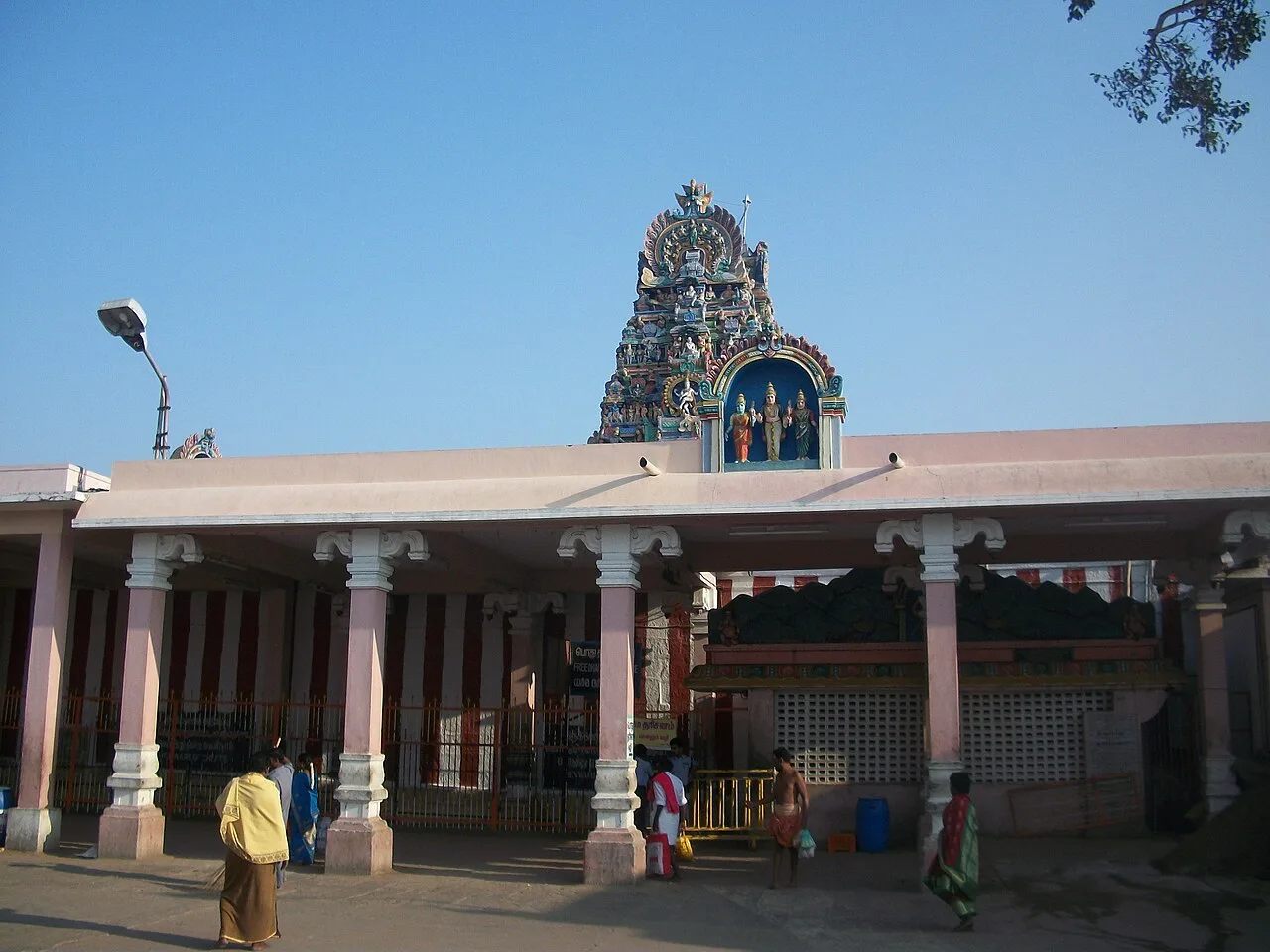
Palani Murugan Temple, near Palani

City guide · Tamil Nadu

Palani

Palani is a major pilgrimage town in Dindigul district, best known for the hilltop Arulmigu Dhandayuthapani Swamy Temple. Dedicated to Murugan, it is revered as one of the deity’s six sacred abodes and draws pilgrims throughout the year.

Famous for

  • Palani Murugan Temple
  • Palani Panchamirtham
  • Thai Poosam pilgrimage
  • Kavadi traditions
In the city
1
District
Dindigul

Why Palani matters

Palani is a major pilgrimage town in Dindigul district, best known for the hilltop Arulmigu Dhandayuthapani Swamy Temple. Dedicated to Murugan, it is revered as one of the deity’s six sacred abodes and draws pilgrims throughout the year. The temple’s setting on Sivagiri, above the town and its surrounding plains, gives Palani a distinctive skyline and shapes much of its daily life and economy.

The town also serves communities in the western part of the district and visitors travelling between Dindigul, Coimbatore and the Palani Hills, including Kodaikanal. Pilgrims come to worship, climb the hill and take part in traditions such as carrying kavadi offerings. At the foot of the hill, the shrine at Thiru Avinankudi is another important part of the sacred landscape. Palani is also associated with Panchamirtham, a temple sweet offered to devotees and sold as a local speciality. Its combination of religious heritage, active temple life and access to the nearby hills makes it a significant destination in southern Tamil Nadu.

Famous for: crafts, trade & products

Palani’s best-known local product is Panchamirtham, the sweet offering associated with the Murugan temple. This thick, fruit-based preparation is made with ingredients that include banana, jaggery, dates, honey, ghee and cardamom. Palani Panchamirtham has a Geographical Indication tag, recognising its close association with the town and temple tradition. Visitors can find it through temple sales counters and shops serving pilgrims around the hill; check packaging and labelling when buying it to take home.

Palani is not especially identified with a major textile or handicraft tradition. Trade here is closely tied to pilgrimage: shops near the temple sell devotional images, puja items, garlands, offerings and souvenirs, while the town’s everyday markets serve local residents and the surrounding agricultural area. Kavadi is an important devotional practice, but it is best understood as a religious tradition rather than a signature manufactured craft. For visitors interested in the town’s distinctive products, temple-associated Panchamirtham is the clearest speciality; the busy streets around the hill offer a glimpse of the retail activity that has grown around the shrine.

History

Palani has a long religious association, with references to the place appearing in Tamil devotional tradition. Its best-known origin story tells how Murugan, after losing a contest for the divine fruit of knowledge to Ganesha, left his family’s home and came to dwell on the hill. The name Palani is also commonly linked in devotional explanation to the words palam and nee, meaning “fruit” and “you.”

Historically, Palani and much of the surrounding district formed part of the Kongu Nadu region. The area came under the influence of rulers based at Coimbatore and Madurai at different times. In the eighteenth century, it was ruled by Hyder Ali and his son Tipu Sultan; following the Third Anglo-Mysore War, it was annexed by the British. In the modern period, the temple’s continuing importance has shaped Palani’s growth as a pilgrimage centre and service town. Rail and road connections have helped pilgrims reach the town and link it with nearby regional centres and the hill country.

Food, festivals & culture

Palani’s cultural life centres on Murugan worship. Thai Poosam, usually falling in January or February, is a major pilgrimage season, when devotees carry kavadi and make offerings. Panguni Uthiram, generally in March or April, is another important festival associated with Murugan. Rituals, processions and devotional singing bring crowds to the hill temple and the shrines below it. Tamil is the principal language of daily life, and the temple precincts are places to hear devotional music alongside the sounds of worship and pilgrimage.

Palani Panchamirtham is the town’s signature sweet and a customary temple offering. Local eateries also serve familiar Tamil meals, rice dishes and tiffin such as idli and dosa; menus vary by establishment. The hilltop Dhandayuthapani Swamy Temple is the principal place of worship, while Thiru Avinankudi at the foothill is another key Murugan shrine. Pilgrims traditionally pay respects at the Pada Vinayakar shrine before beginning the climb, and the Idumban shrine partway up the hill is also part of the customary route. Periyanayaki Amman Temple adds to the town’s important network of shrines.

Visiting the city

The cooler months, roughly November to February, are generally comfortable for exploring; summer can be hot, and major festival periods bring especially large pilgrim crowds. Coimbatore International Airport is the nearest major airport, while Palani railway station serves the town. Palani is also connected by road with Dindigul, Coimbatore and Kodaikanal.

Auto-rickshaws, taxis and local buses are useful for getting around. The hill temple can be reached by steps or by the temple’s ropeway and winch services; conditions and availability may vary. Begin around the Sivagiri hill and Thiru Avinankudi at its base, then explore the temple-facing streets and bazaar for devotional goods and Panchamirtham. Periyanayaki Amman Temple is another worthwhile stop in town. Comfortable footwear and time for queues are helpful, particularly during festival seasons.

Attractions

Places to visit in Palani

Sights within about 12 km of each other, even when they fall in different districts.

Map

Palani on the map

  1. 1Palani Murugan Temple

Tamil Nadu

Other cities to explore