Ghumoopedia — Explore, Discover, Experience
Sign in
Kallanai (Grand Anicut), near Perambalur

City guide · Tamil Nadu

Perambalur

Perambalur is the administrative centre of its district and a practical hub in central Tamil Nadu. Set inland on the highway corridor between Tiruchirappalli and northern Tamil Nadu, it connects surrounding villages and smaller towns with regional bus services, government offices, education and agricultural trade.

Famous for

  • Perambalur Buddhas
  • Ranjankudi Fort
  • Small onion trade
  • Mayil Ootru falls

Why Perambalur matters

Perambalur is the administrative centre of its district and a practical hub in central Tamil Nadu. Set inland on the highway corridor between Tiruchirappalli and northern Tamil Nadu, it connects surrounding villages and smaller towns with regional bus services, government offices, education and agricultural trade. Its importance today rests as much on this everyday role as on its nearby heritage and countryside.

Visitors come to explore the 11th-century Buddha statues found in villages around the town, see Ranjankudi Fort north of the city, or make an excursion to Mayil Ootru, a forest-fringed waterfall near the Pachaimalai foothills. Perambalur is also associated with the district’s agriculture: small onions are a particularly notable crop, alongside groundnut, paddy, sugarcane and millets. The town itself is not a major resort or crafts centre, but it makes a useful base for short trips into a less-visited part of Tamil Nadu, where historic sites and rural landscapes are close to the main road network.
Famous for: crafts, trade & products

Perambalur’s best-known local trade connection is agriculture rather than textiles or handicrafts. The surrounding district grows small onions, groundnut, paddy, sugarcane, millets and cashew. Small onions are especially prominent in the regional crop mix and are traded through local produce markets and supply chains serving towns across Tamil Nadu. Visitors are most likely to encounter this trade in the town’s everyday markets and shops; availability varies with the harvest season.

Perambalur is not widely identified with a particular silk or cotton saree, handicraft tradition, or GI-tagged product, so shoppers should not expect a dedicated craft bazaar or a signature textile district. General provisions, household goods and seasonal produce are easier to find around the central commercial streets and bus-stand area. The town’s more distinctive cultural attractions are found beyond the marketplace: the Perambalur Buddhas are scattered around nearby villages, while Ranjankudi Fort is a prominent heritage site. These make better-known local keepsakes and experiences than any specific manufactured product.

History

Perambalur developed as a central settlement serving the villages and agricultural lands of the surrounding region. The wider area has a long history shaped by successive Tamil powers; nearby Buddhist images dating to the 11th century point to a religious presence beyond the region’s better-known Hindu traditions. The town’s name is also linked in local explanations to Perumpuliyur, though accounts of its meaning vary.

Ranjankudi Fort, about 16 kilometres north of town, is a reminder of the area’s strategic importance. Dating to the 15th century, its buildings and underground passage reflect its former military and residential functions. In later centuries, forts and routes in this part of Tamil Nadu formed part of contests among regional powers and forces aligned with European colonial interests. Perambalur’s more recent growth has been chiefly administrative and commercial: it became the district headquarters and developed as a service centre connected to nearby towns by road. Agriculture continues to shape its economy and its ties with surrounding villages.

Food, festivals & culture

Tamil is the principal language of daily life, and the town’s food culture reflects the wider Tamil region. Rice-based meals, idli, dosa, sambar and seasonal vegetable dishes are common, with groundnut and other local crops part of the surrounding food economy. Small onions feature in home cooking and market produce. Visitors can look for everyday South Indian meals and snacks in local eateries; Perambalur is not especially known for a distinct city-specific sweet or restaurant style.

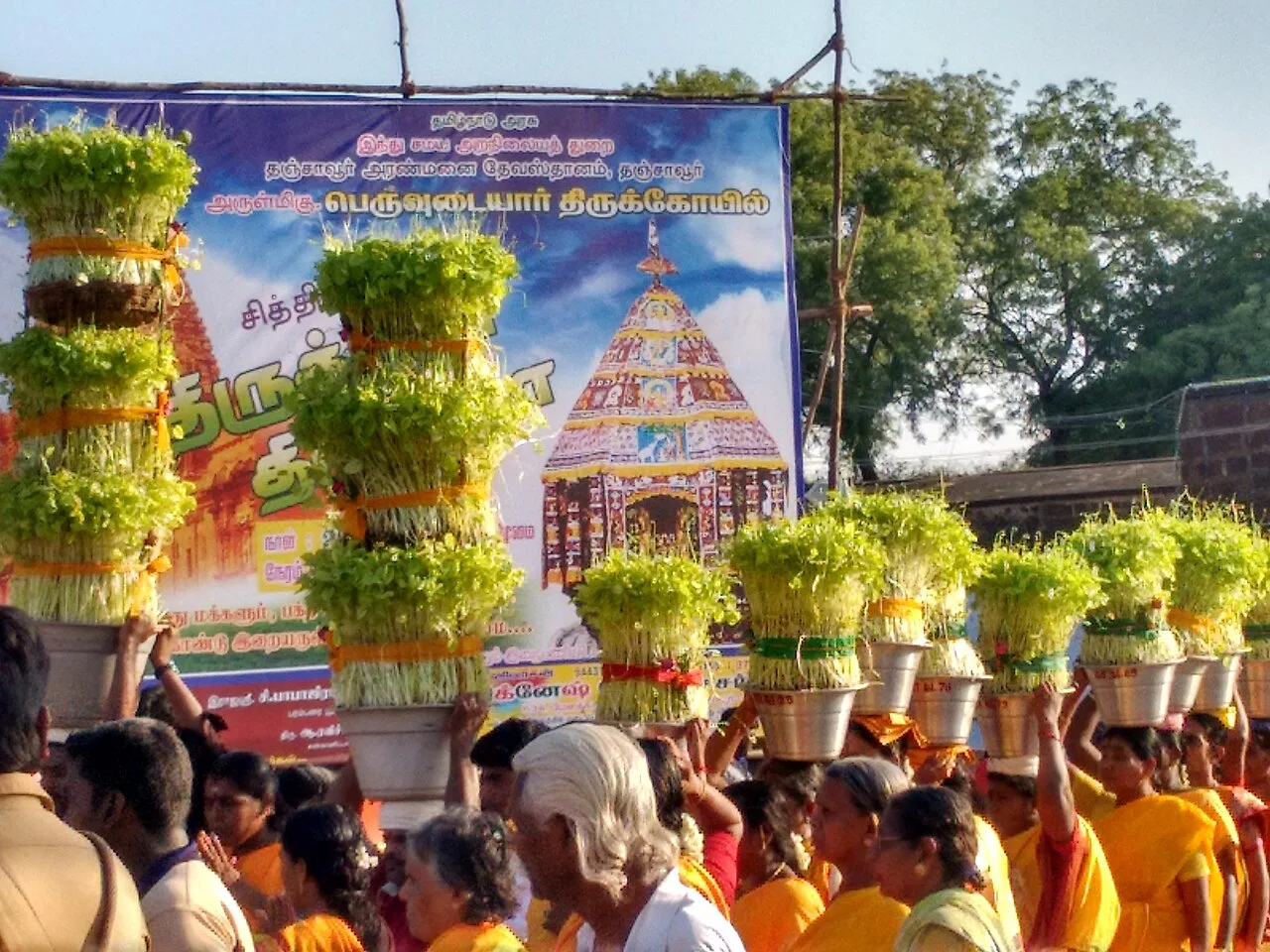
Pongal, usually celebrated in January, is an important harvest festival, while Tamil New Year in April and Deepavali, generally in October or November, are widely observed. Temple festivals add local processions, devotional music and community gatherings through the year, with dates varying by temple. Hindu temples, mosques and churches reflect the town’s varied places of worship. Religious observances and family celebrations are central to community life; folk performance and devotional singing are part of the broader regional culture, though programmes are generally tied to festival occasions rather than a regular visitor circuit.

Visiting the city

The cooler months, roughly November to February, are generally the most comfortable for exploring. Summer can be hot, while October to December may bring rain. Tiruchirappalli International Airport is the nearest major airport, about 61 kilometres away. Ariyalur Junction, around 40 kilometres from town, is a nearby major railway station; Sillakkudi is the railway station within the district, though it is not in Perambalur town.

State and regional buses connect Perambalur with nearby cities, and local buses, taxis or hired vehicles are useful for reaching outlying sights. The central market and bus-stand area are convenient for food and daily essentials. Ranjankudi Fort lies north of town; the village Buddha statues and Mayil Ootru waterfall require trips beyond the centre. Check local road and access conditions before setting out for the waterfall or village sites.

Trips from the city

Nearest places to visit from Perambalur

Our closest destination guides, by straight-line distance.

Kallanai (Grand Anicut)

45 km away · Tiruchirappalli district

Kallanai (Grand Anicut)

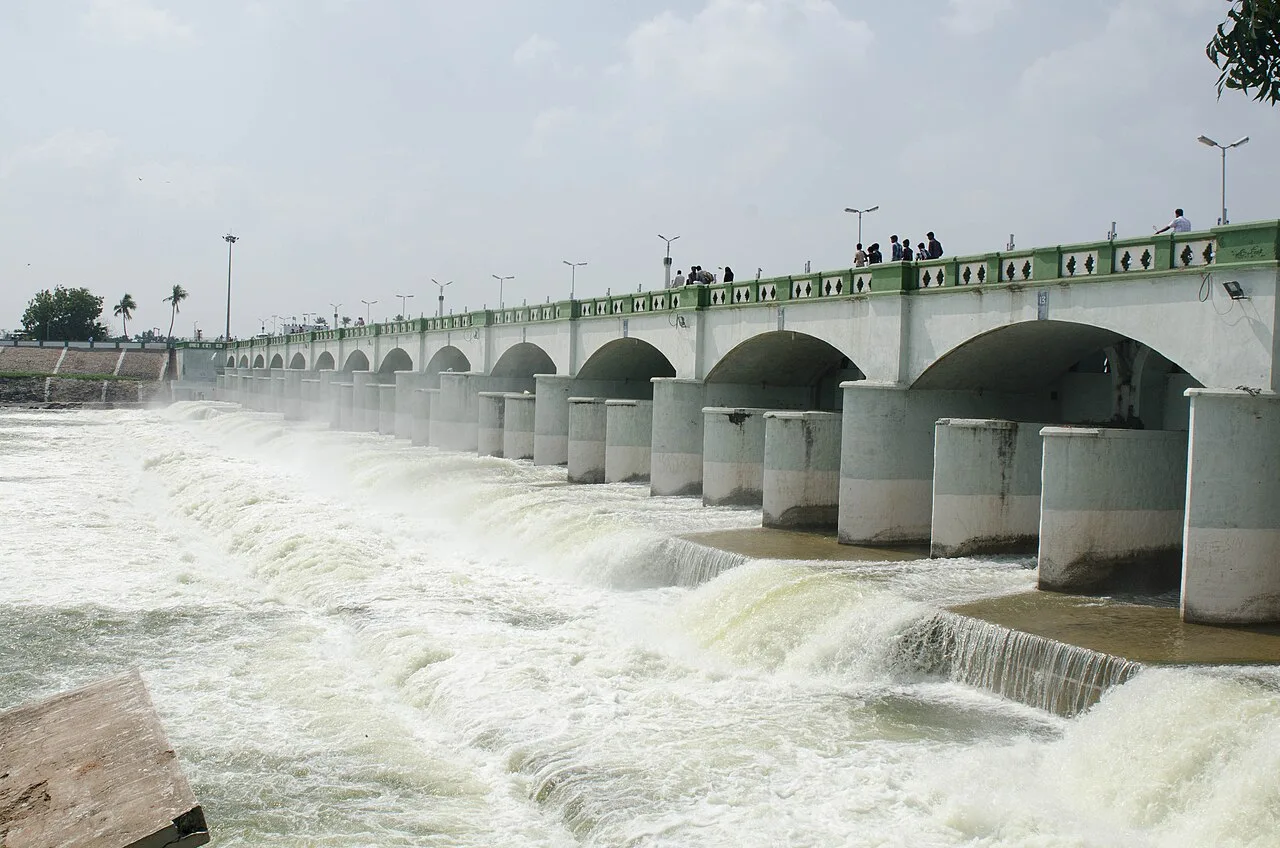
Kallanai, or the Grand Anicut, is a Chola-period dam across the Kaveri in Tamil Nadu. Visitors are drawn to its ancient water-management role and its distinction as a historic structure that remains operational.

Jambukeswarar Temple, Thiruvanaikaval

46 km away · Tiruchirappalli district

Jambukeswarar Temple, Thiruvanaikaval

Jambukeswarar Temple at Thiruvanaikaval is a Shiva shrine in Tamil Nadu associated with water. Visitors come to worship Jambukeshwarar and Akilandeswari and encounter the temple’s water-linked tradition.

Srirangam Ranganathaswamy Temple

46 km away · Tiruchirappalli district

Srirangam Ranganathaswamy Temple

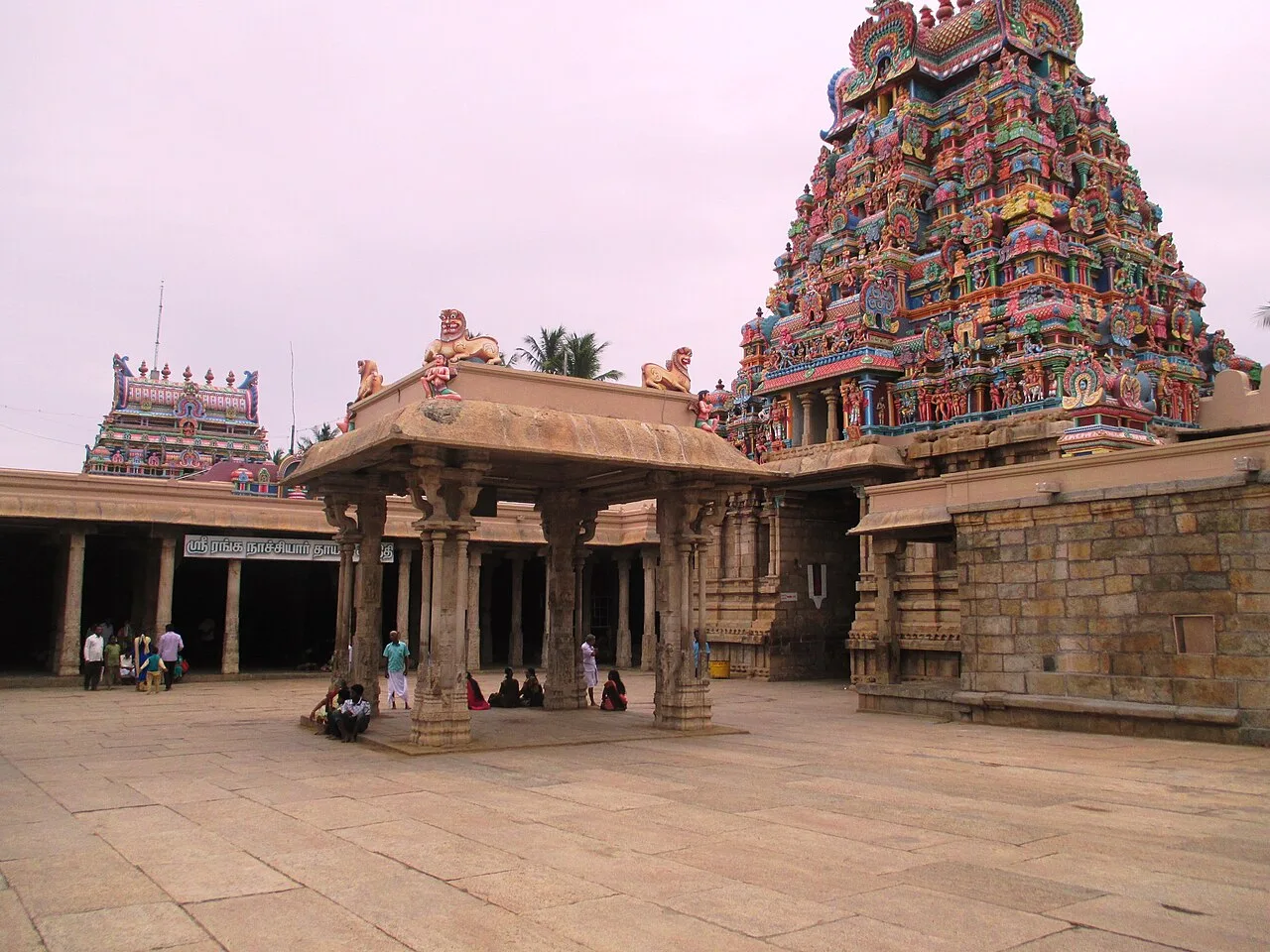
A major Vaishnava temple in Srirangam, this active shrine honours Vishnu and Lakshmi as Ranganathar and Ranganayaki. Visitors come for its religious significance, architecture and annual Margazhi festival.

Rockfort Ucchi Pillayar Temple

49 km away · Tiruchirappalli district

Rockfort Ucchi Pillayar Temple

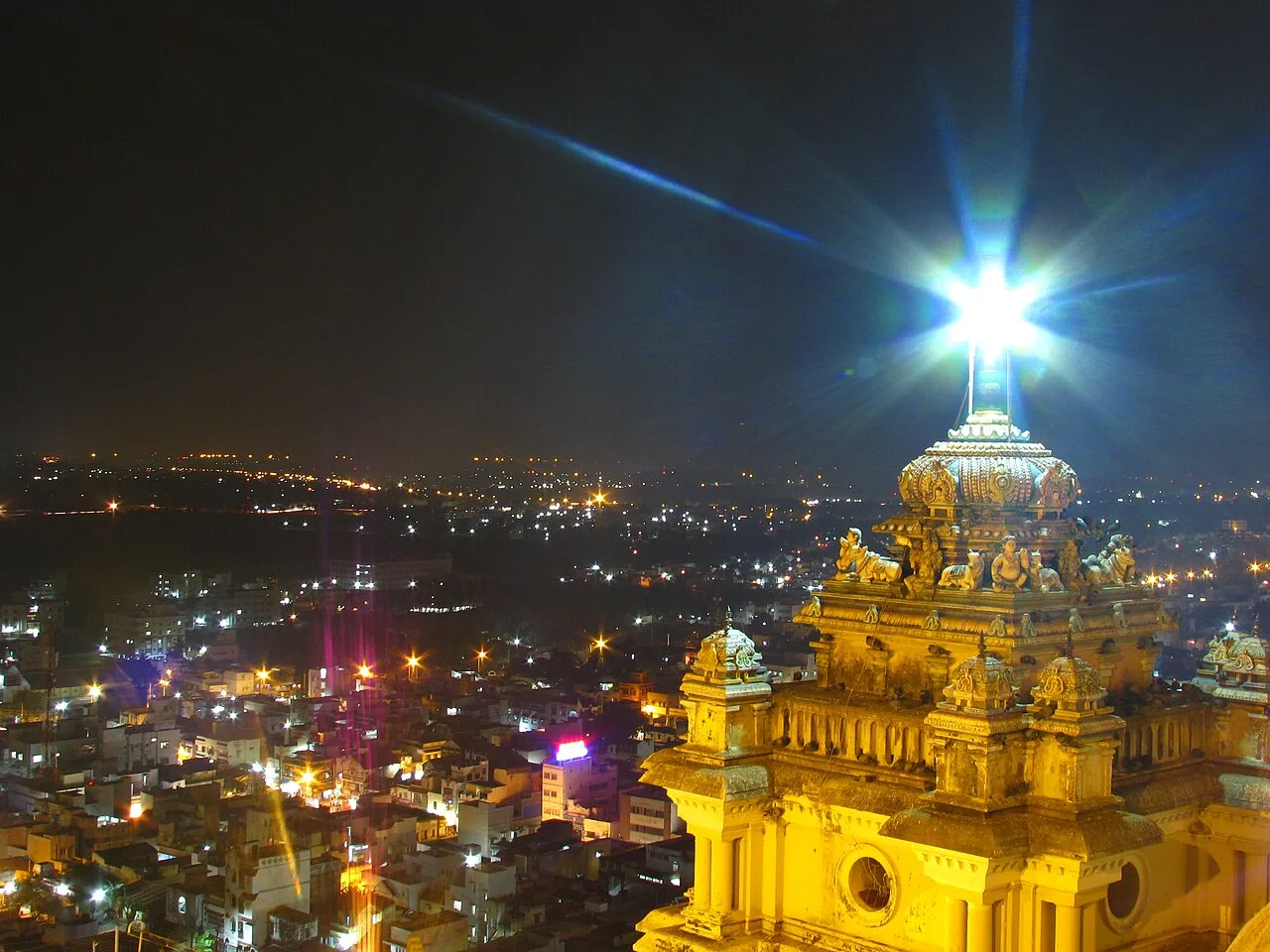
Atop Rock Fort in Tiruchirappalli, Tamil Nadu, this seventh-century Hindu shrine is devoted to Ganesha. Visitors come to worship and to connect the site with a legend about Ganesha and King Vibishana.

Kolli Hills

54 km away · Namakkal district

Kolli Hills

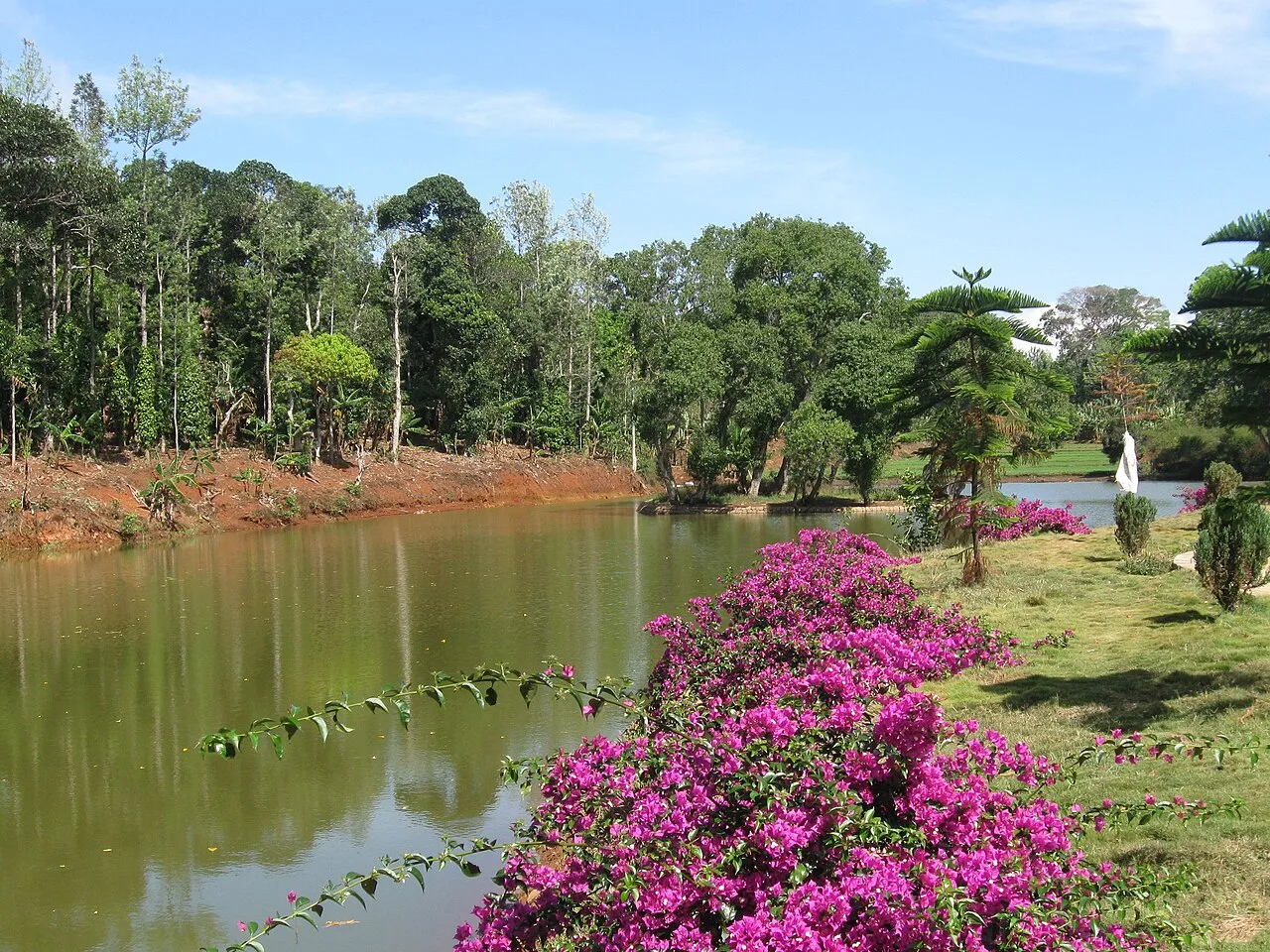
Kolli Malai, also called Kolli Hills, is a hill station and taluk within Tamil Nadu’s Namakkal district. Visitors come to the area in its capacity as a hill-station destination.

Saraswathi Mahal Library

56 km away · Thanjavur district

Saraswathi Mahal Library

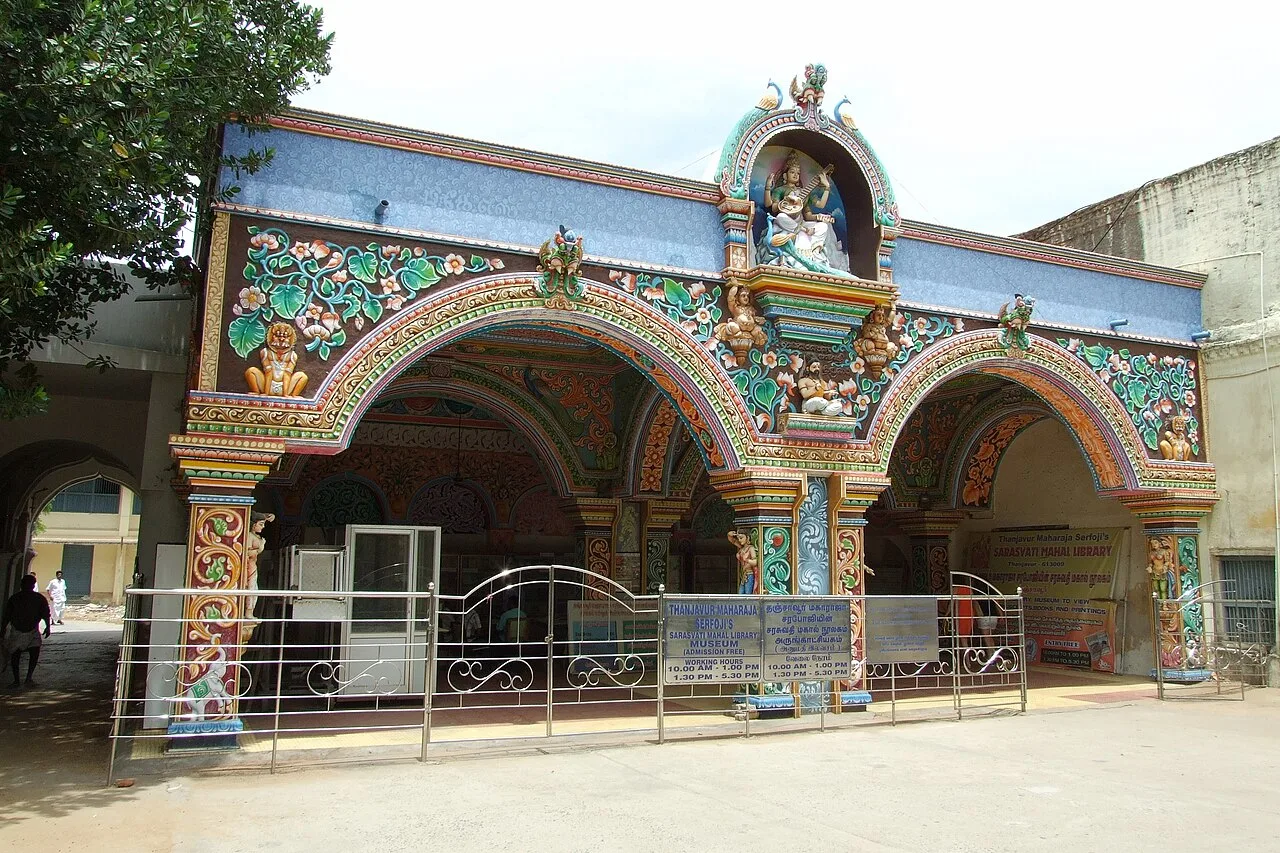
Saraswathi Mahal Library is a historic collection in Thanjavur, Tamil Nadu, known for its extensive manuscripts and printed works in Tamil, Sanskrit and other Indian languages.

Thanjavur Palace

56 km away · Thanjavur district

Thanjavur Palace

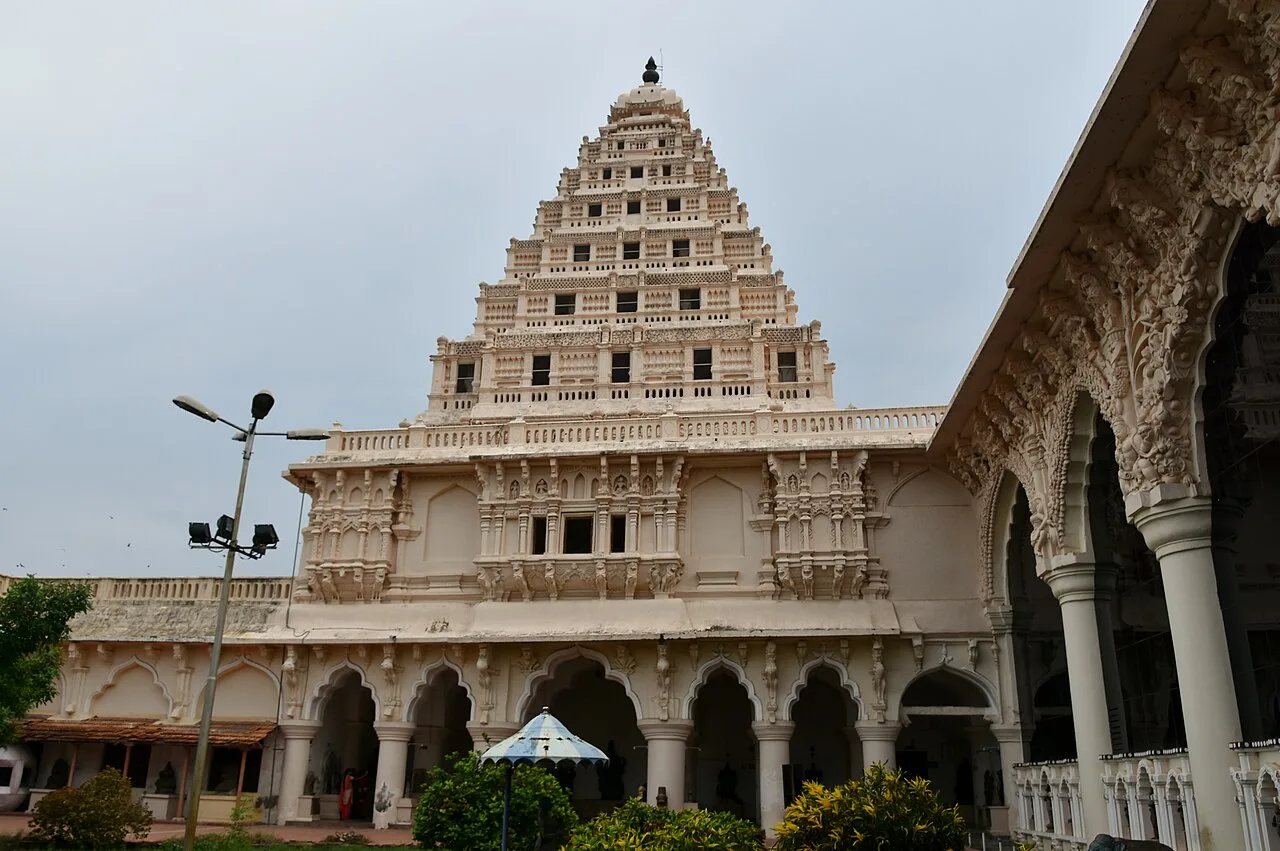
Thanjavur Palace is a royal residence in Tamil Nadu, associated with the Bhonsle family and the kingdom’s earlier rulers. Visitors come to learn about its place in Thanjavur’s royal history.

Brihadisvara Temple

57 km away · Thanjavur district

Brihadisvara Temple

This major Shaivite temple in Thanjavur is a celebrated Chola-era monument, noted for its granite vimana, sculpture and place within the Great Living Chola Temples.

Map

Perambalur on the map

  1. 1Kallanai (Grand Anicut)
  2. 2Jambukeswarar Temple, Thiruvanaikaval
  3. 3Srirangam Ranganathaswamy Temple
  4. 4Rockfort Ucchi Pillayar Temple
  5. 5Kolli Hills
  6. 6Saraswathi Mahal Library
  7. 7Thanjavur Palace
  8. 8Brihadisvara Temple

Tamil Nadu

Other cities to explore