Ghumoopedia — Explore, Discover, Experience
Sign in
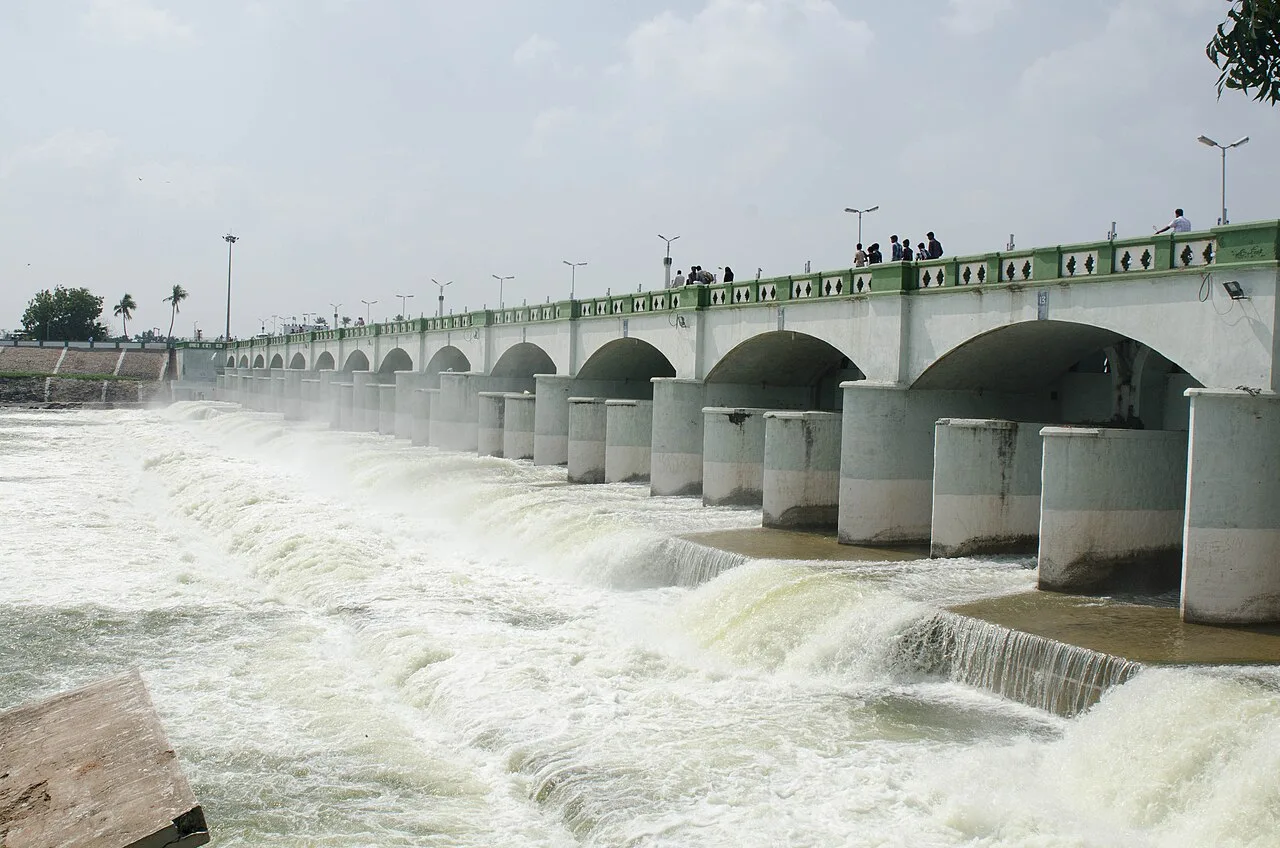
Kallanai (Grand Anicut), near Puliyur

City guide · Tamil Nadu

Puliyur

Puliyur is a panchayat town in Karur district, Tamil Nadu. Its importance is primarily local: it serves as a settlement in the Karur region and is associated with cement manufacturing.

Famous for

  • Chettinad Cement production
  • Karur district setting
  • Tamil village life

Why Puliyur matters

Puliyur is a panchayat town in Karur district, Tamil Nadu. Its importance is primarily local: it serves as a settlement in the Karur region and is associated with cement manufacturing. The town lies at about 106 metres above sea level, in a part of the state shaped by agriculture, regional trade and growing industry. Karur, the district’s principal urban centre, provides the wider context for visitors seeking services, transport connections and established markets.

Puliyur is not a major sightseeing destination with a large circuit of monuments or attractions. Visitors are more likely to come for local connections, work or a stop while travelling through the district. Its appeal is a quieter view of everyday life in inland Tamil Nadu, alongside the contrast between rural settlements and nearby industry. For a broader range of shops, temples and food options, Karur is the practical base; Puliyur offers a closer look at the smaller towns and communities around it.
Famous for: crafts, trade & products

Puliyur is best associated with cement production, including the Chettinad Cement works in the area. This industrial role is a more distinctive part of the town’s profile than a locally documented tradition of handicrafts or a dedicated tourist market. Industrial sites are workplaces rather than visitor attractions, so access should not be assumed without prior permission.

Karur district is widely associated with textile production and trade, including home furnishings. Those products are generally sought in Karur’s shops and business areas, rather than attributed specifically to Puliyur. The town should therefore not be presented as a separate saree-weaving centre or as the home of a particular GI-tagged craft. Visitors interested in regional textiles can look to Karur for retailers and manufacturers, while checking product origin with sellers. Puliyur’s everyday shops serve local needs; there is no well-established visitor market or signature souvenir for which the town is especially known.

History

Puliyur’s history is less extensively recorded as a separate town narrative than that of Karur, the district centre. The wider region has a long history of settlement and trade, and Karur is associated with early Chera history.

During British rule, the area formed part of the administrative landscape of the Madras Presidency. In the modern period, local governance developed through the panchayat system, while roads, services and industry reshaped the district. Cement manufacturing has contributed to Puliyur’s contemporary identity. For a fuller account of the region’s political and archaeological history, Karur is the more appropriate point of reference; Puliyur’s story is chiefly that of a local settlement within this changing district.

Food, festivals & culture

Tamil is the principal language of daily life. Food is typical of the wider Tamil region: rice-based meals, idli and dosa, often served with sambar, chutneys or locally prepared accompaniments. These are common regional foods rather than dishes unique to Puliyur. Tea shops and small eateries are the natural places to look for everyday refreshments, while Karur offers a broader choice of restaurants.

Pongal, the harvest festival in January, is widely celebrated across Tamil Nadu, and Deepavali and Tamil New Year are also important occasions. Local observances and temple festivals may follow community and temple calendars, so their timing varies. Religious life is centred on neighbourhood places of worship; no single landmark temple is established here as a major visitor attraction. At community celebrations, devotional music and Tamil folk performance may be heard, alongside the broader influence of Tamil film music and classical traditions. Specific performances and festival programmes are seasonal rather than guaranteed.

Visiting the city

The cooler months, roughly October to February, are generally more comfortable for visiting than the hot season. The nearest major airport is Tiruchirappalli International Airport; Karur Junction is the main railway station serving the area. From Karur, visitors can continue by road using local buses, taxis or auto-rickshaws, depending on availability. Confirm local connections before setting out, as services within smaller towns may be limited.

Puliyur is best explored at an unhurried pace around its town centre and local streets. For shopping, dining and transport links, spend time in Karur, which is the district’s main urban hub. Industrial premises are not public attractions, and entry should be arranged in advance rather than assumed. Carrying a Tamil-speaking contact can be useful when asking about local transport or community events.

Trips from the city

Nearest places to visit from Puliyur

Our closest destination guides, by straight-line distance.

Kallanai (Grand Anicut)

22 km away · Tiruchirappalli district

Kallanai (Grand Anicut)

Kallanai, or the Grand Anicut, is a Chola-period dam across the Kaveri in Tamil Nadu. Visitors are drawn to its ancient water-management role and its distinction as a historic structure that remains operational.

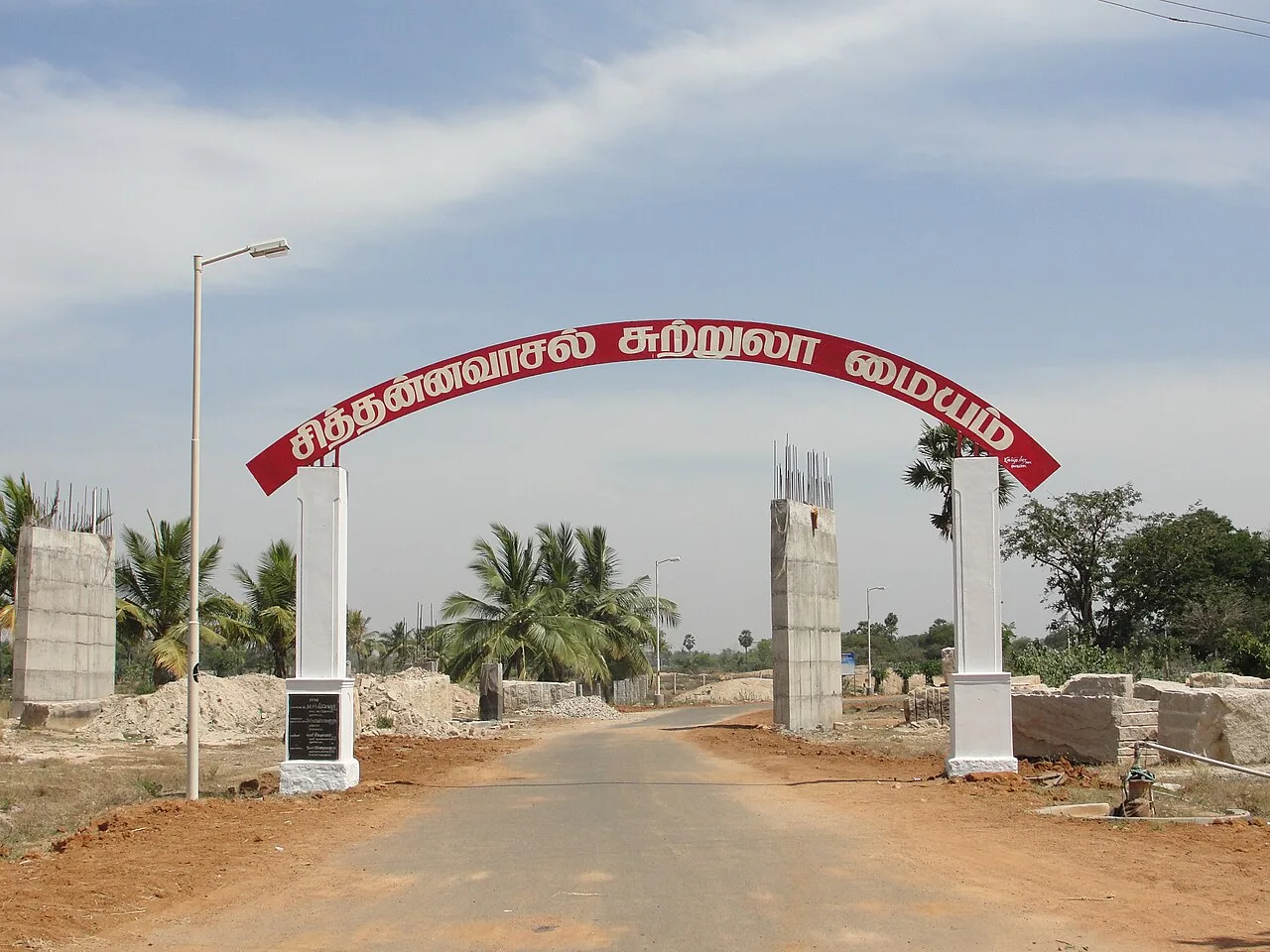
Sittanavasal Caves

22 km away · Pudukkottai district

Sittanavasal Caves

Sittanavasal is a small hamlet in Tamil Nadu’s Pudukkottai district. Visitors come to see its Jain cave complex, dated to the second century, and learn of its later role as a Jain centre.

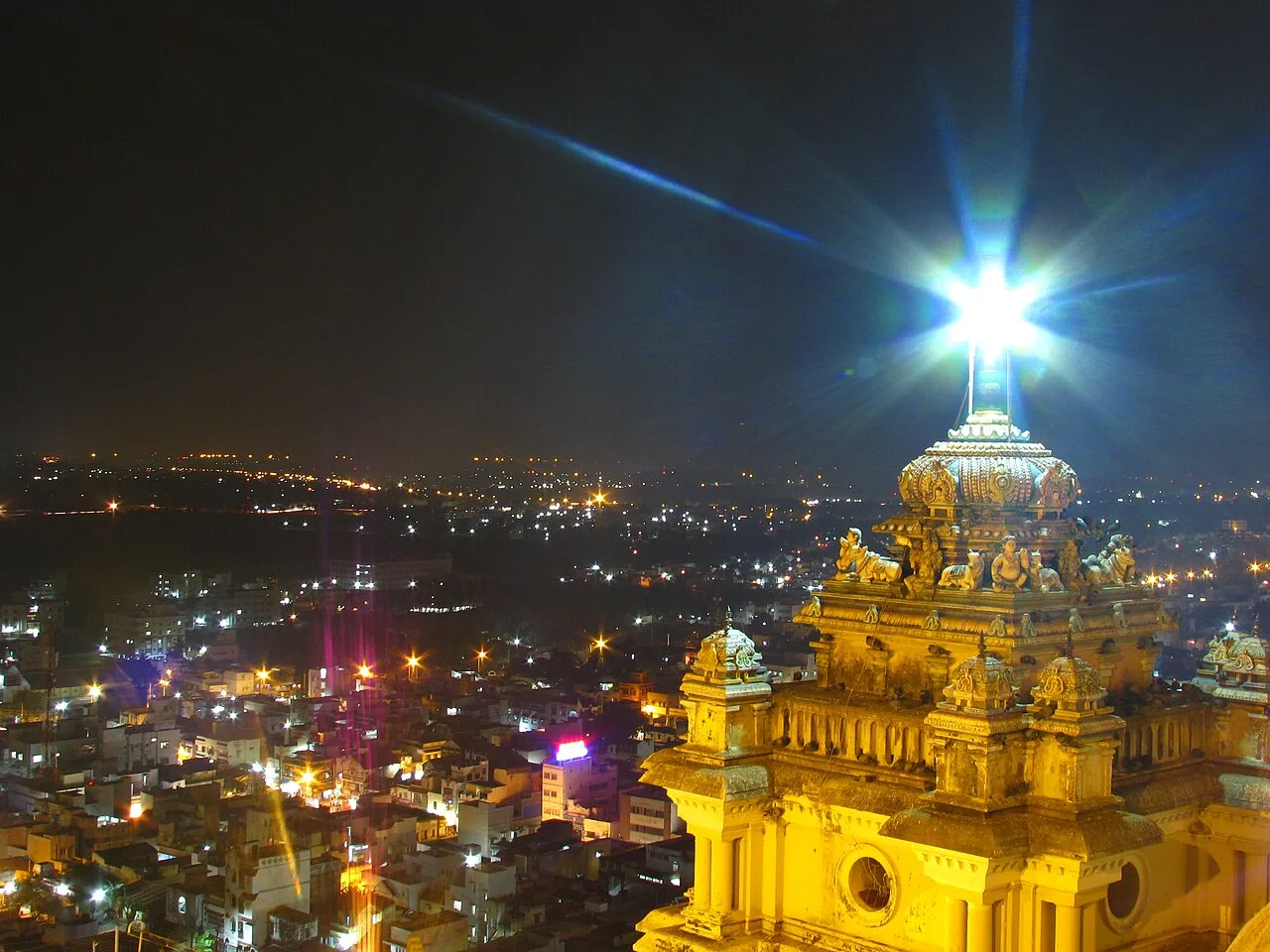
Rockfort Ucchi Pillayar Temple

27 km away · Tiruchirappalli district

Rockfort Ucchi Pillayar Temple

Atop Rock Fort in Tiruchirappalli, Tamil Nadu, this seventh-century Hindu shrine is devoted to Ganesha. Visitors come to worship and to connect the site with a legend about Ganesha and King Vibishana.

Jambukeswarar Temple, Thiruvanaikaval

29 km away · Tiruchirappalli district

Jambukeswarar Temple, Thiruvanaikaval

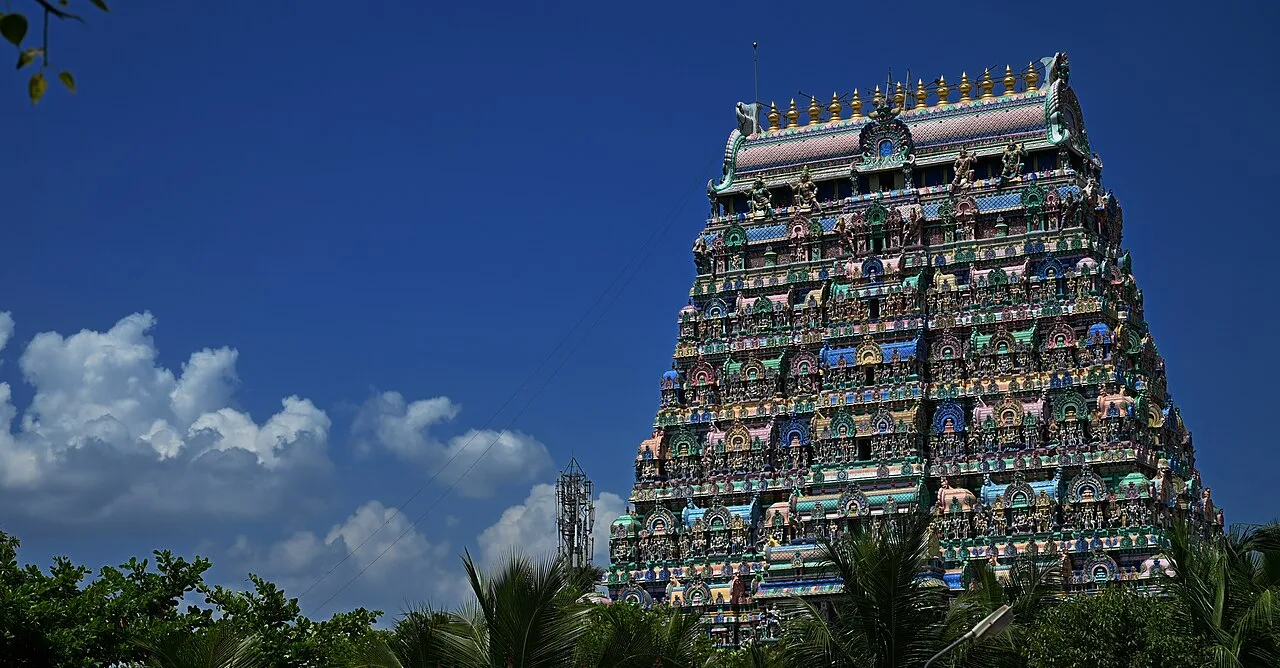
Jambukeswarar Temple at Thiruvanaikaval is a Shiva shrine in Tamil Nadu associated with water. Visitors come to worship Jambukeshwarar and Akilandeswari and encounter the temple’s water-linked tradition.

Srirangam Ranganathaswamy Temple

30 km away · Tiruchirappalli district

Srirangam Ranganathaswamy Temple

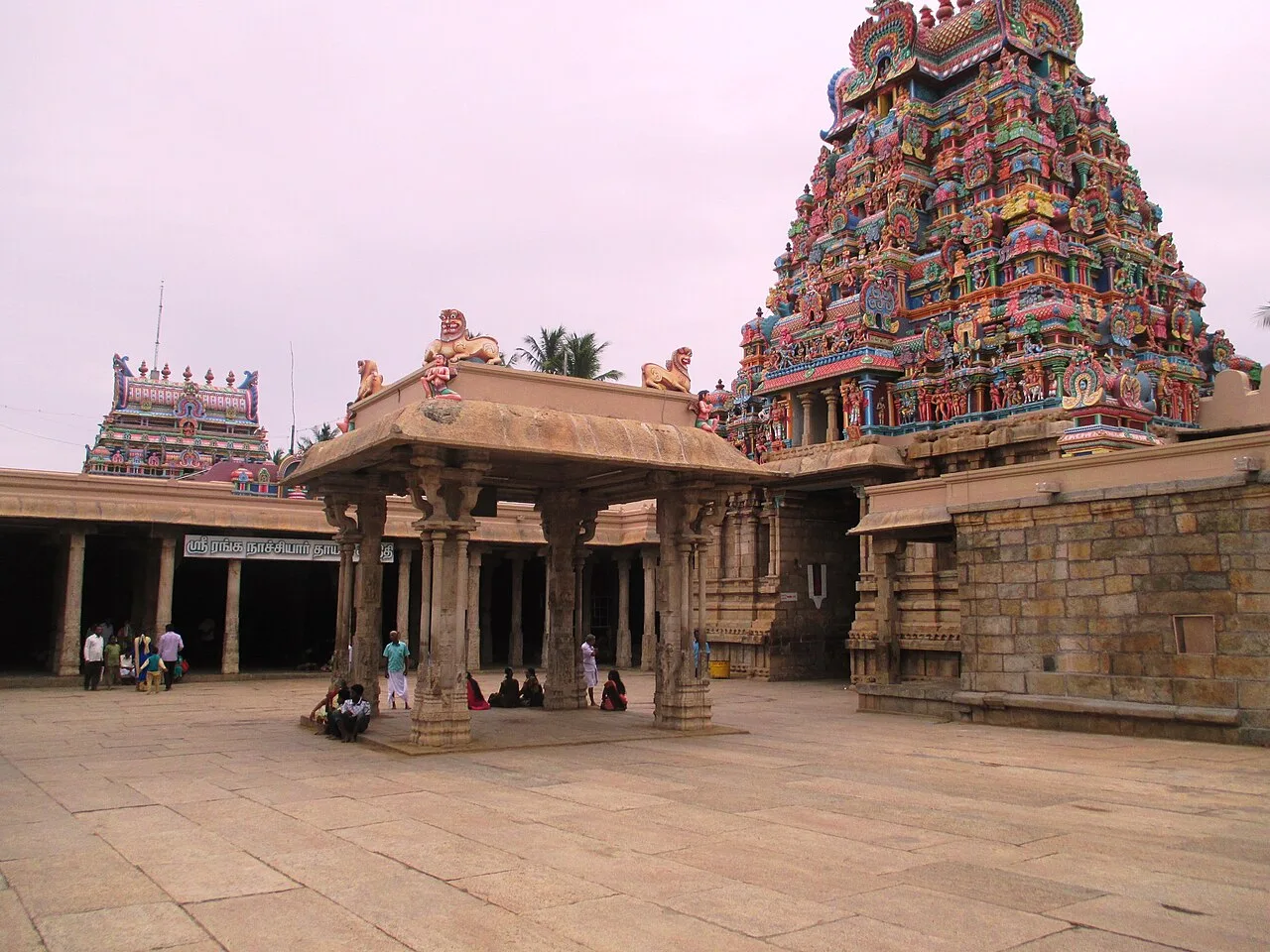
A major Vaishnava temple in Srirangam, this active shrine honours Vishnu and Lakshmi as Ranganathar and Ranganayaki. Visitors come for its religious significance, architecture and annual Margazhi festival.

Brihadisvara Temple

36 km away · Thanjavur district

Brihadisvara Temple

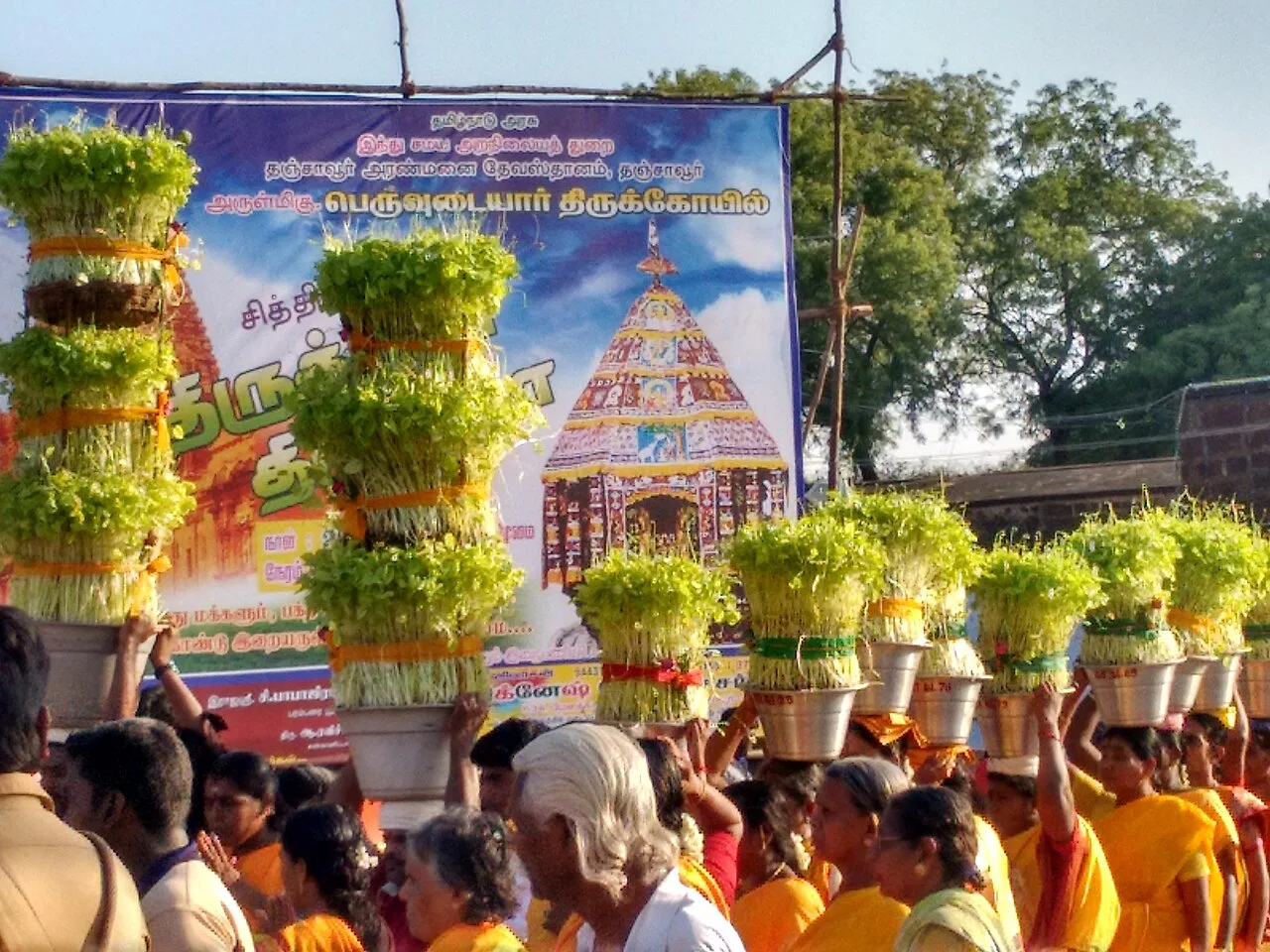
This major Shaivite temple in Thanjavur is a celebrated Chola-era monument, noted for its granite vimana, sculpture and place within the Great Living Chola Temples.

Saraswathi Mahal Library

37 km away · Thanjavur district

Saraswathi Mahal Library

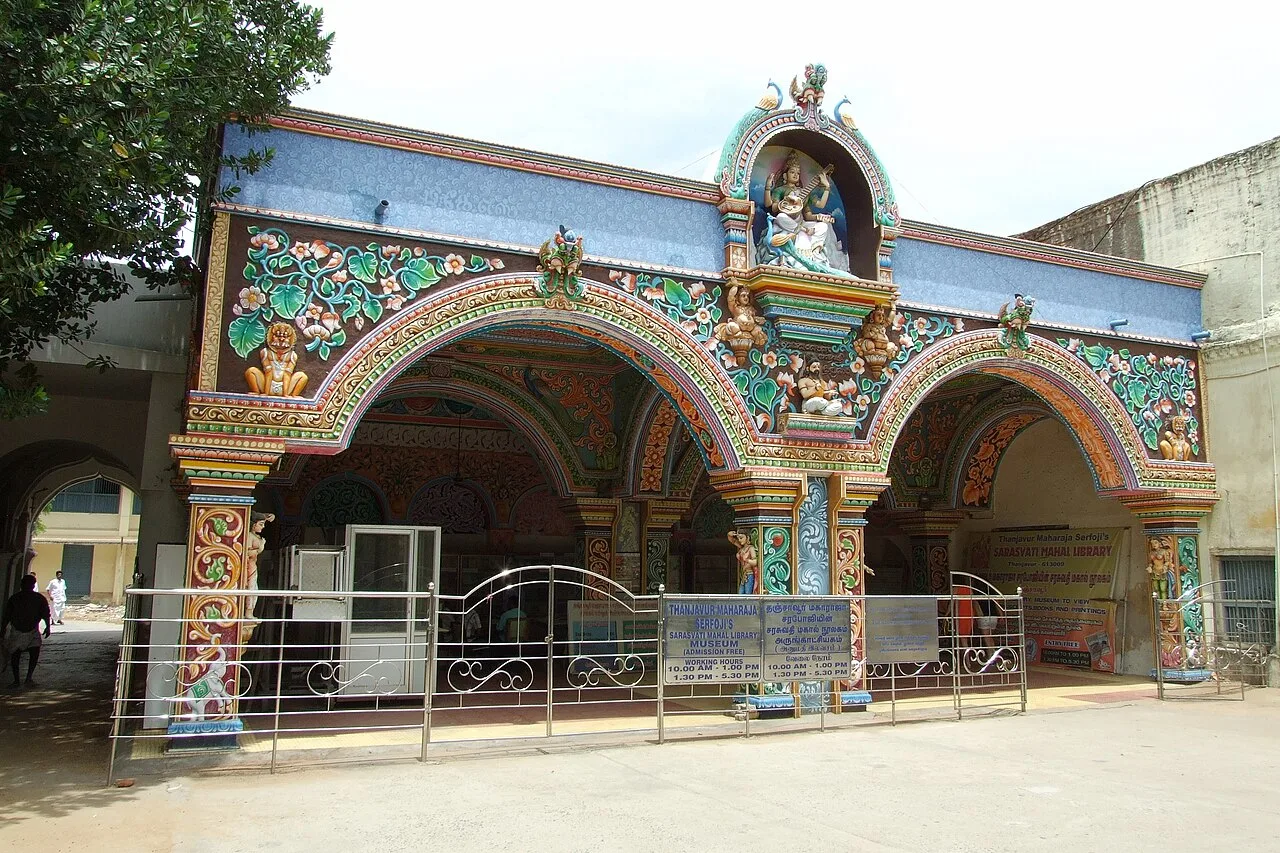
Saraswathi Mahal Library is a historic collection in Thanjavur, Tamil Nadu, known for its extensive manuscripts and printed works in Tamil, Sanskrit and other Indian languages.

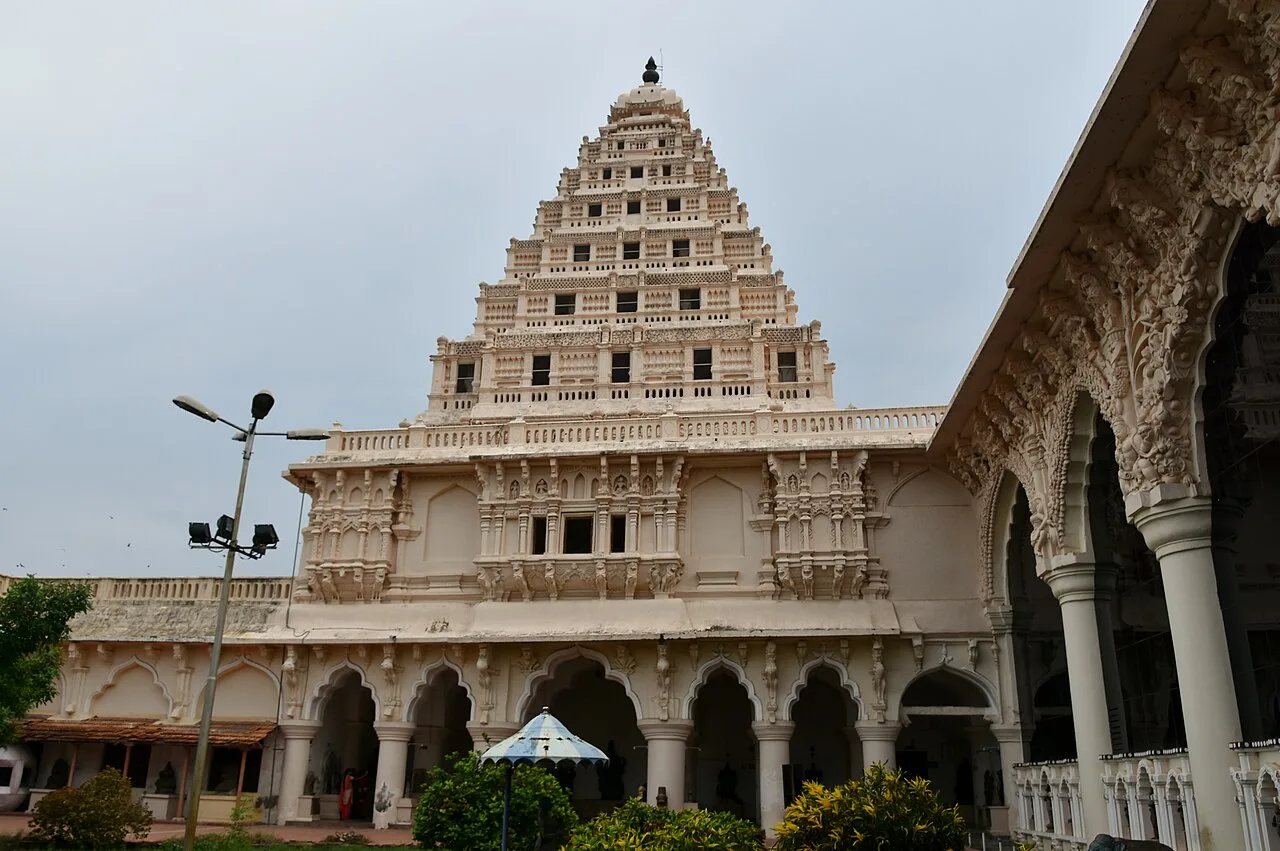
Thanjavur Palace

37 km away · Thanjavur district

Thanjavur Palace

Thanjavur Palace is a royal residence in Tamil Nadu, associated with the Bhonsle family and the kingdom’s earlier rulers. Visitors come to learn about its place in Thanjavur’s royal history.

Map

Puliyur on the map

  1. 1Kallanai (Grand Anicut)
  2. 2Sittanavasal Caves
  3. 3Rockfort Ucchi Pillayar Temple
  4. 4Jambukeswarar Temple, Thiruvanaikaval
  5. 5Srirangam Ranganathaswamy Temple
  6. 6Brihadisvara Temple
  7. 7Saraswathi Mahal Library
  8. 8Thanjavur Palace

Tamil Nadu

Other cities to explore