Ghumoopedia — Explore, Discover, Experience
Sign in
Kodiveri Dam, near Punjai Puliampatti

City guide · Tamil Nadu

Punjai Puliampatti

Punjai Puliampatti is a municipal town in north-western Erode district, in Tamil Nadu’s Kongu region. It serves the surrounding rural area as a centre for everyday commerce, local services and agricultural trade.

Famous for

  • Agricultural market-town trade
  • Kongu-region rural life
  • Farm produce from Erode belt
  • Nearby Sathyamangalam landscapes

Why Punjai Puliampatti matters

Punjai Puliampatti is a municipal town in north-western Erode district, in Tamil Nadu’s Kongu region. It serves the surrounding rural area as a centre for everyday commerce, local services and agricultural trade. Its setting, between the wider Erode region and the Sathyamangalam side of the state, gives it a practical role for residents and travellers moving through this part of the district.

The town is not primarily a monument or resort destination. Visitors are more likely to come for local markets, temples and a glimpse of small-town life, or to use it as a stop while exploring the countryside and nearby Sathyamangalam landscapes. The fertile soils around town support cultivation, although rainfall is limited and irregular. Punjabi Puliampatti’s appeal lies in this working agricultural character rather than in a large collection of formal visitor attractions. For a broader outing, the Bhavanisagar area and the forests and hills around Sathyamangalam are regional excursions, not attractions within the town itself.
Famous for: crafts, trade & products

Punjai Puliampatti is best understood as a local trading town serving farms and villages in its hinterland. Shops and markets are the most useful places to see the town’s commercial life and find everyday goods or seasonal farm produce. The exact mix of produce changes with the crop cycle and local supply, so it is better to ask locally than to expect a single signature product.

The town is not widely identified with a particular handloom tradition, handicraft, GI-tagged product or nationally recognised textile market. Erode district has a broader reputation for agriculture and textile-related commerce, but those regional associations should not be mistaken for a distinctive Punjai Puliampatti product. Visitors looking for specialist textiles or a wider range of regional goods may find more options in larger nearby commercial centres. In Punjai Puliampatti, the central shopping streets and market area offer the most direct introduction to local trade; purchases are generally geared to residents rather than tourism. There is no single dedicated craft quarter or visitor-oriented market to plan around.

History

Punjai Puliampatti grew as a settlement in the Kongu region, where cultivation and exchange between villages shaped the pattern of town life. Its position within the north-western part of Erode district helped it serve surrounding agricultural communities. The name is used for the municipal town today, but a detailed, well-established chronology of local rulers or a single founding event is not commonly recorded in general accounts of the place.

The wider Erode region experienced changing political authority over the centuries, followed by incorporation into the British-administered Madras Presidency. It is safer to understand Punjai Puliampatti’s past through these broader regional changes than to attach specific royal or colonial episodes to the town without clear evidence. In modern times, municipal administration, road connections, retail trade and public services have supported its role as a local centre. Its development remains closely connected to agriculture and the needs of nearby settlements, rather than to a major industrial or heritage-tourism transformation.

Food, festivals & culture

Tamil is the principal language of daily life, and the town shares many customs with the wider Kongu region. Home cooking commonly features rice, lentils, millets and locally available vegetables; dishes such as arisi paruppu saadham, ragi preparations and paniyaram are familiar across the region, though menus vary from household to household. Small eateries and tea shops offer a straightforward way to sample everyday local food rather than a specialised destination cuisine.

Pongal, the harvest festival in January, is a major seasonal occasion, with homes and communities marking the agricultural year. Tamil New Year in April and Deepavali in October or November are also widely observed; temple festivals take place on local calendars and dates vary. Hindu temples are part of the town’s religious landscape, alongside places of worship serving other faith communities. Tamil devotional music and festival processions are more likely to be encountered as part of worship and community celebrations than as scheduled performances for visitors. Ask locally about current temple events, since observances are not fixed to one visitor calendar.

Visiting the city

The cooler months, roughly October to February, are generally the most comfortable for visiting. Summer can be hot, while rainfall is limited and uneven through the year, so carry water and sun protection, especially for daytime walks. Coimbatore International Airport is the nearest major airport. For rail travel, Mettupalayam is a nearby station option; Coimbatore Junction and Erode Junction are larger rail gateways, and the best choice depends on onward connections.

Buses and taxis connect the town with district centres; within town, local autos and short walks are practical for central errands. Explore the central bazaar and market streets for everyday commerce and visit local temples respectfully. Punjai Puliampatti works well as a brief stop or base for a wider drive towards Bhavanisagar and the Sathyamangalam region, rather than as a destination with a large set of visitor districts. Check local transport arrangements before setting out for rural excursions.

Trips from the city

Nearest places to visit from Punjai Puliampatti

Our closest destination guides, by straight-line distance.

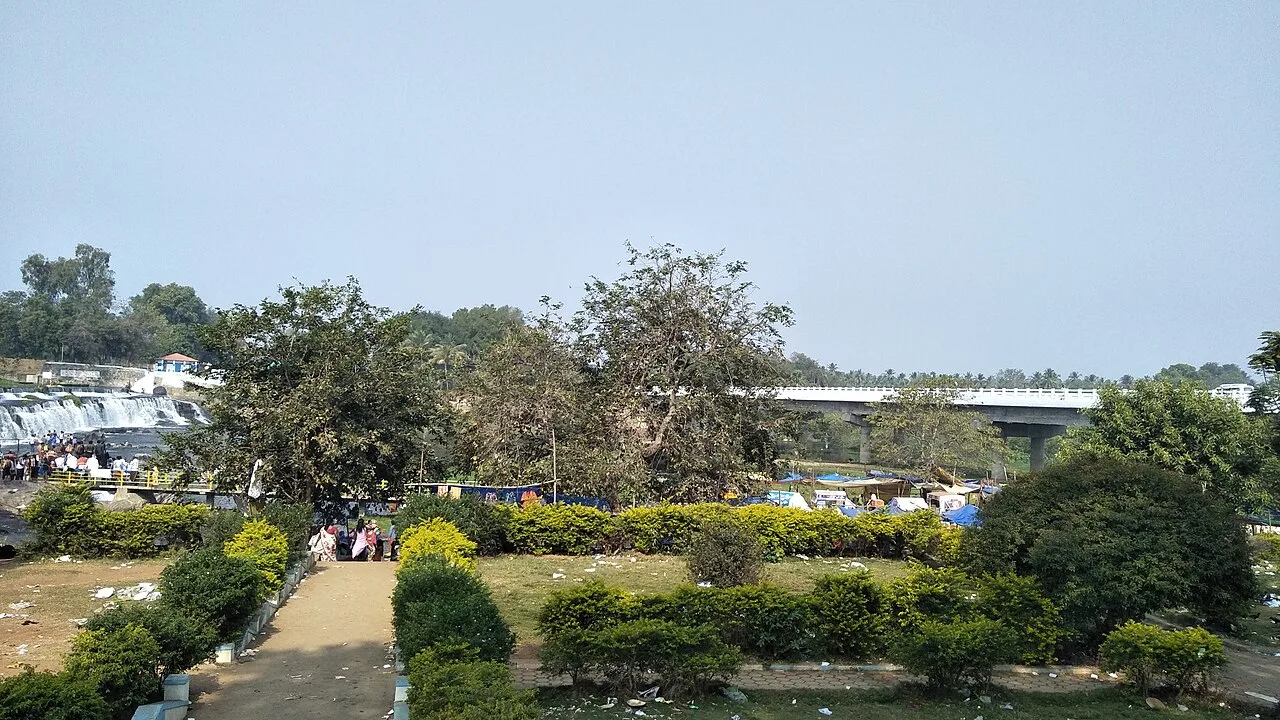
Kodiveri Dam

20 km away · Erode district

Kodiveri Dam

On the Bhavani River in Tamil Nadu, Kodiveri Dam is a masonry structure that visitors come to see in the Erode district, near Gobichettipalayam.

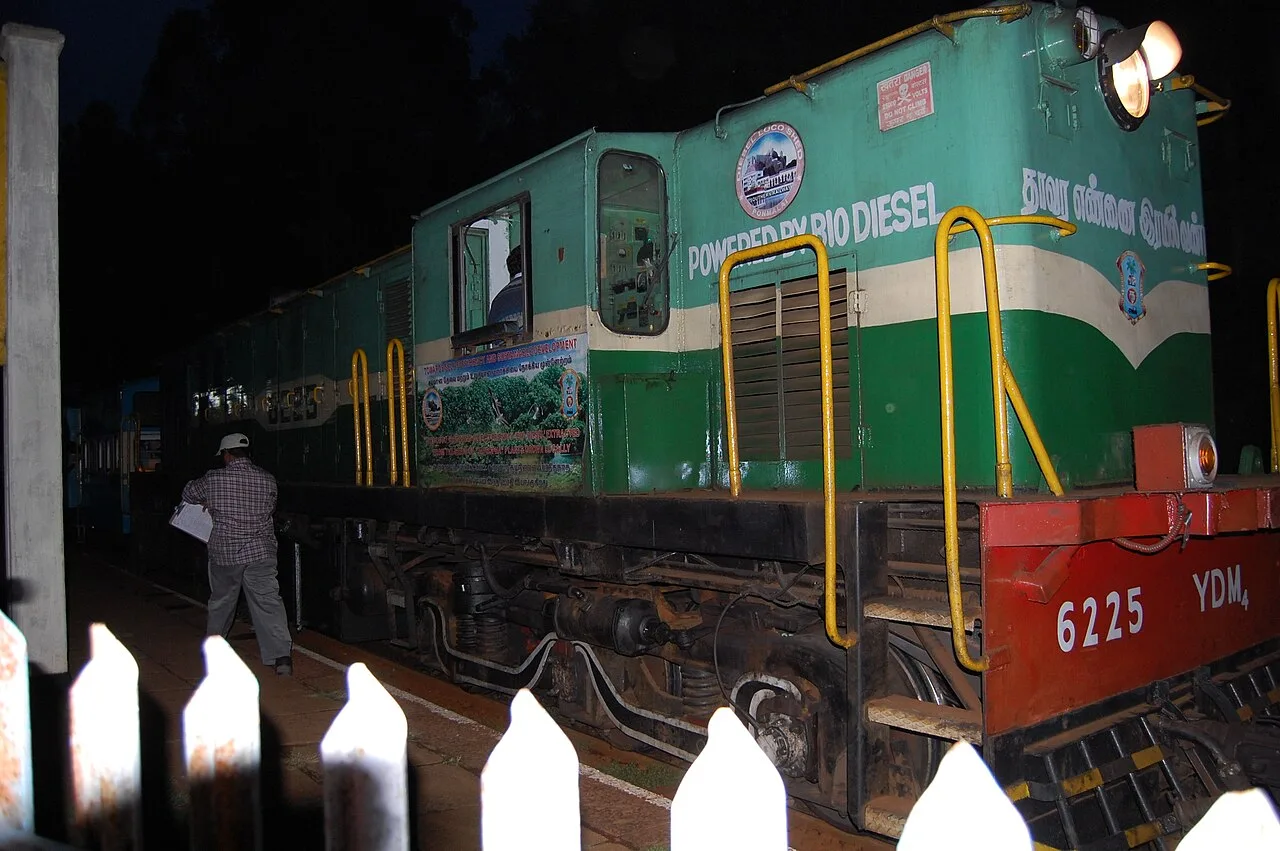
Nilgiri Mountain Railway

31 km away · Nilgiris district

Nilgiri Mountain Railway

The Nilgiri Mountain Railway is a metre-gauge rack line in Tamil Nadu’s Nilgiris district. Visitors ride it for its historic railway character and steam locomotives.

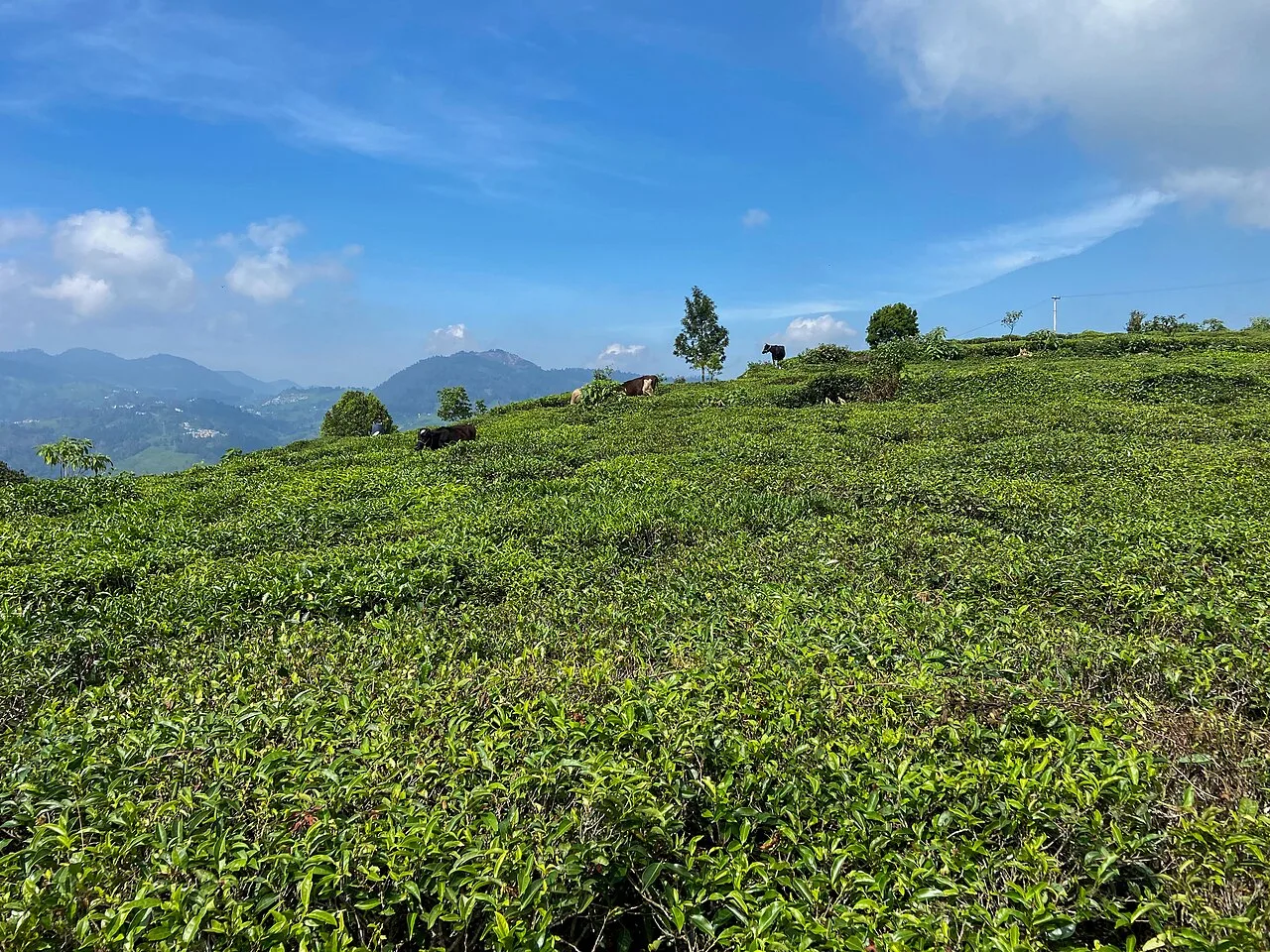
Kotagiri

32 km away · Nilgiris district

Kotagiri

Kotagiri is a hill station and municipality in Tamil Nadu’s Nilgiris district, with an elevated setting and a history as a summer destination during the Madras Presidency.

Catherine Falls

34 km away · Nilgiris district

Catherine Falls

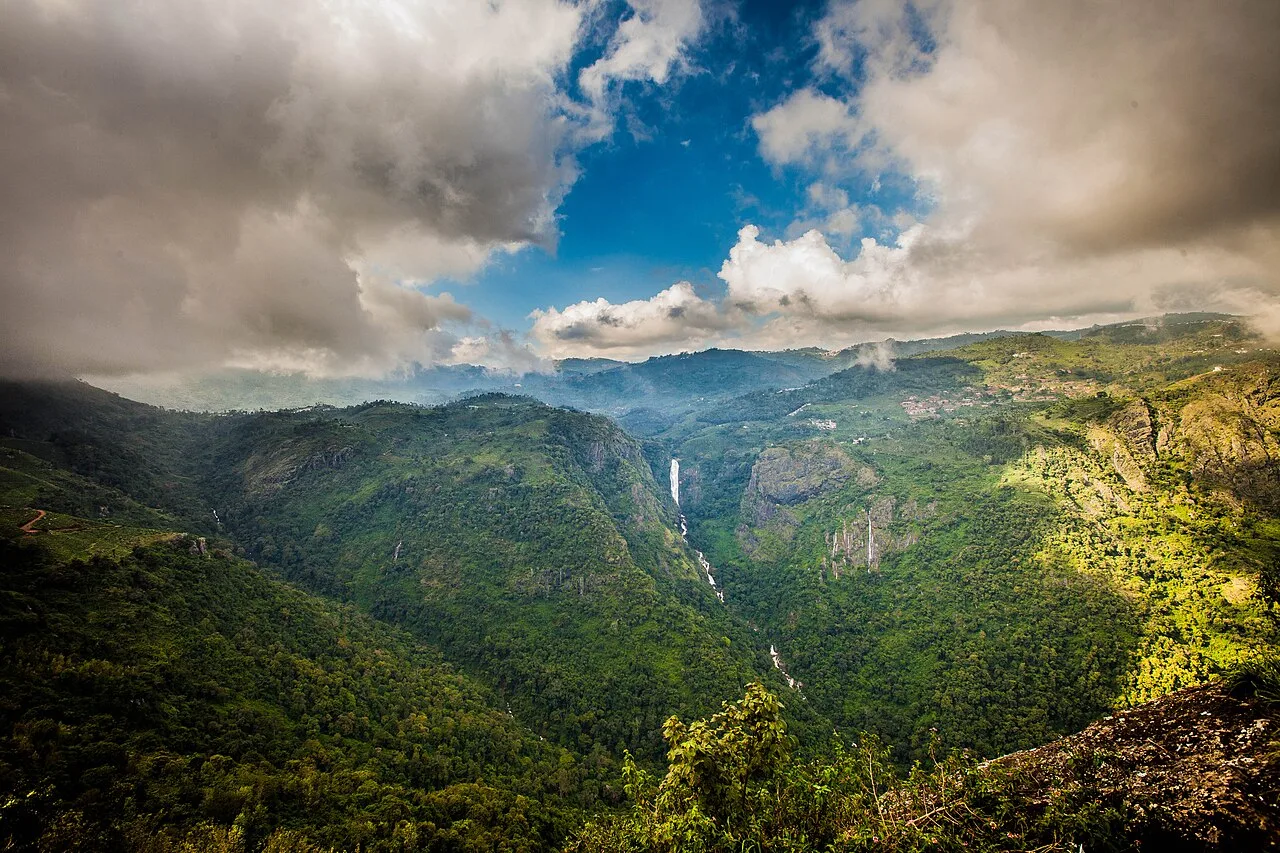
Catherine Falls is a two-tier waterfall near Kotagiri in Tamil Nadu’s Nilgiris district. Visitors come to see its cascades, which can be viewed from Dolphin’s Nose.

Dolphin's Nose, Coonoor

34 km away · Nilgiris district

Dolphin's Nose, Coonoor

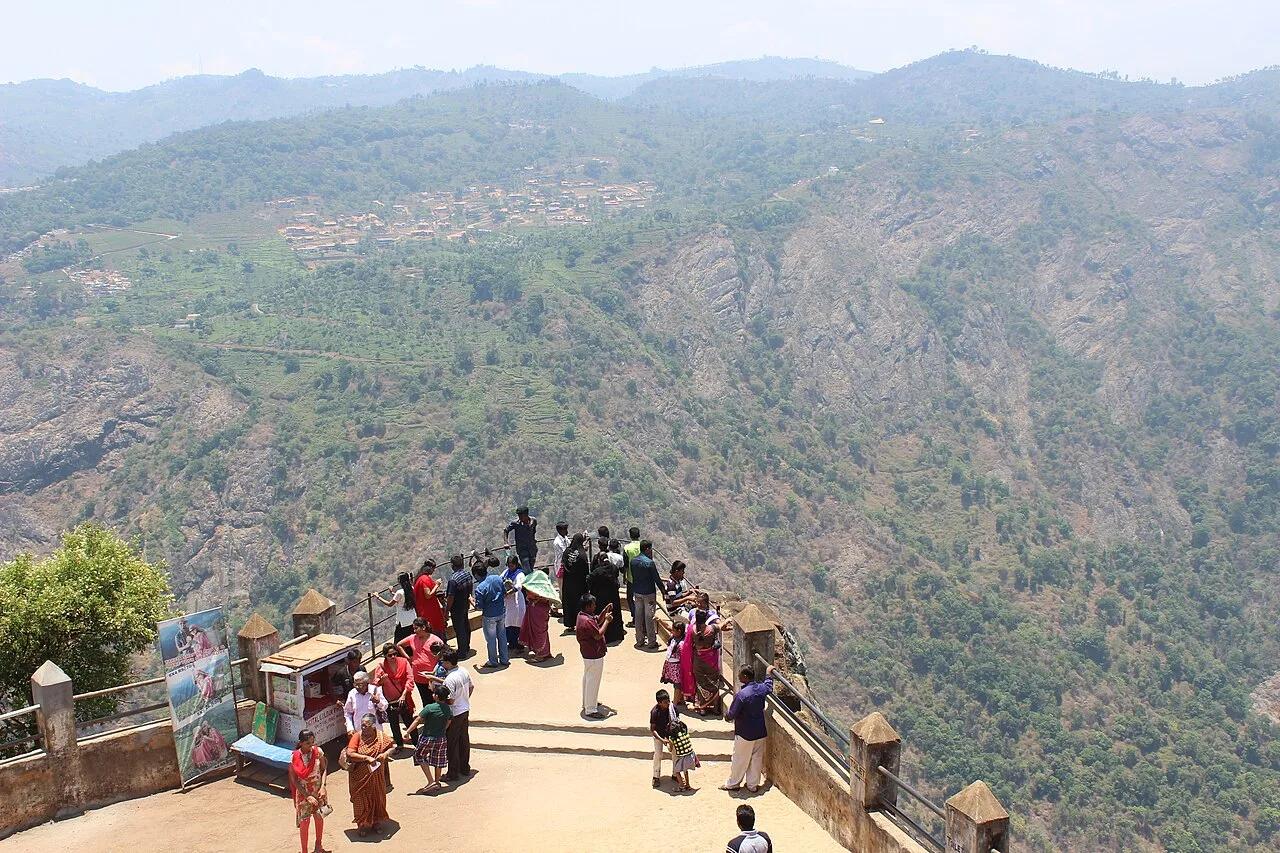
Dolphin's Nose is a viewpoint and visitor attraction at Coonoor in Tamil Nadu’s Nilgiris District, visited as a place of interest in the area.

Lamb's Rock

36 km away · Nilgiris district

Lamb's Rock

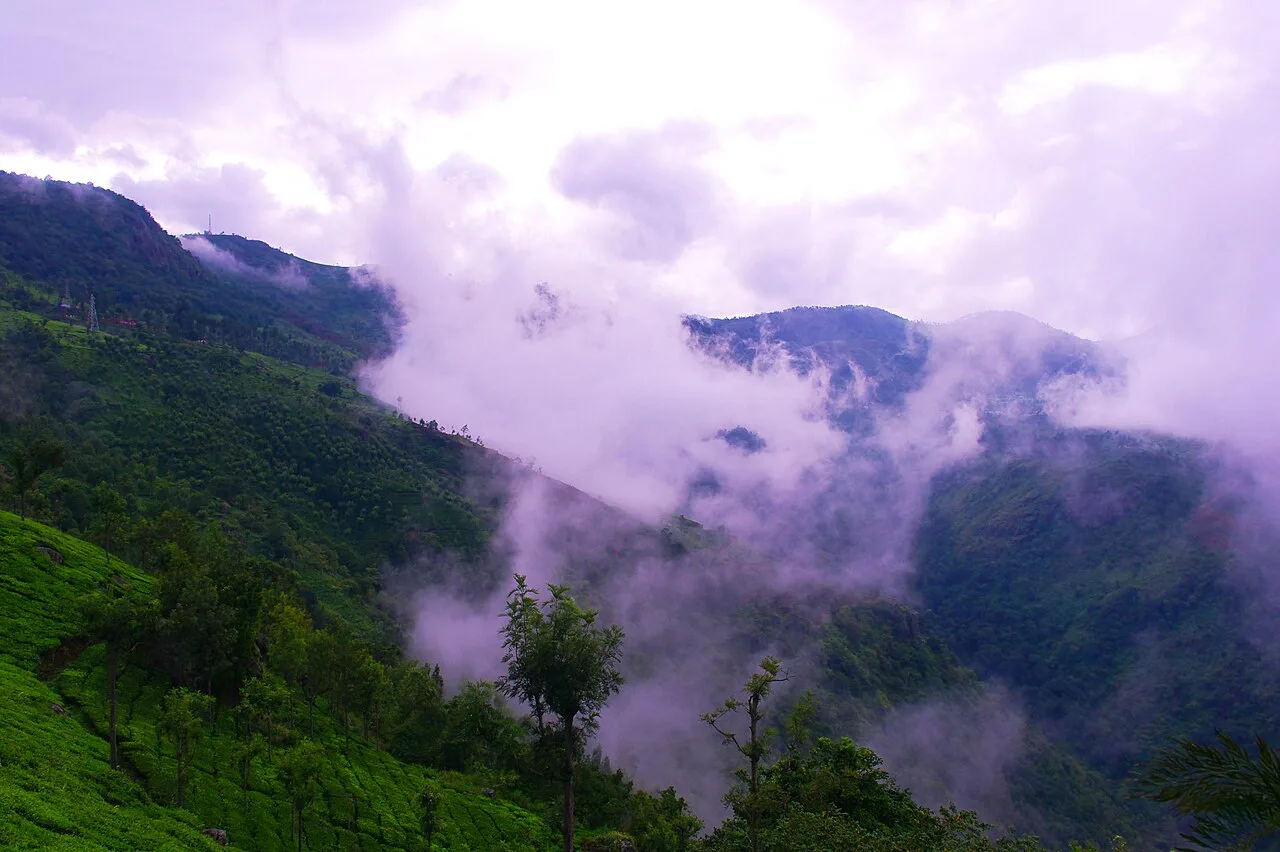
Set in Tamil Nadu’s Nilgiris district, Lamb’s Rock is a Coonoor attraction in the Nilgiri Hills. Visitors come for views extending across the Coimbatore plains and tea and coffee estates.

Sim's Park

40 km away · Nilgiris district

Sim's Park

Located in Coonoor within Tamil Nadu’s Nilgiris district, Sim’s Park is a garden that visitors include among the town’s notable attractions.

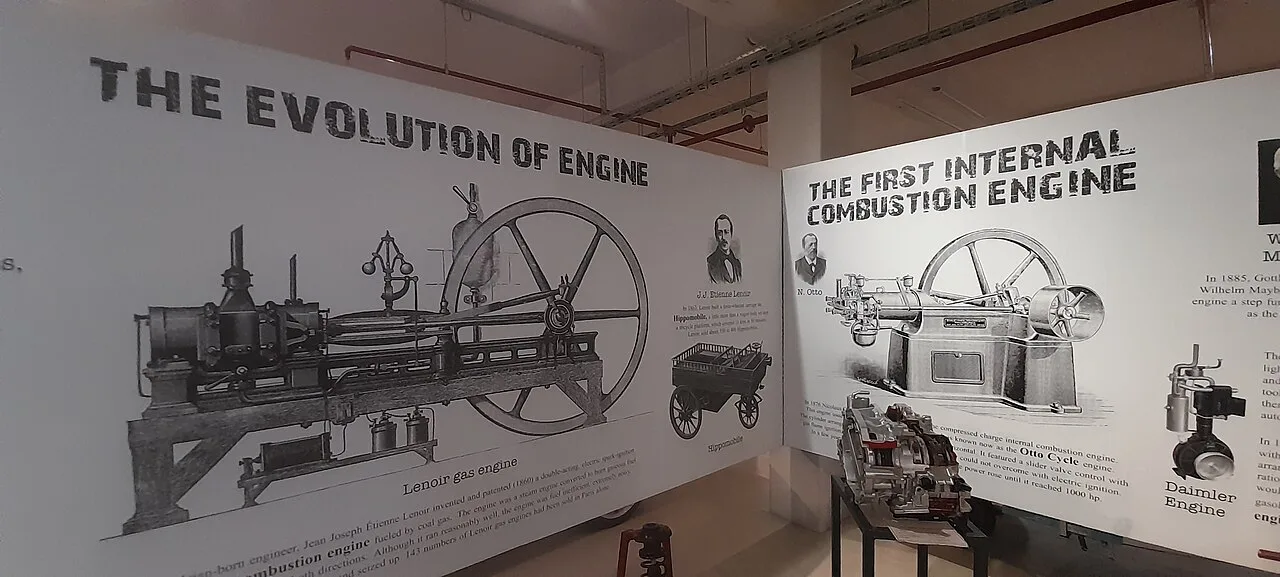
Gedee Car Museum

44 km away · Coimbatore district

Gedee Car Museum

In Coimbatore, Tamil Nadu, Gedee Car Museum is a privately run museum devoted to vintage cars. Visitors come to view its automobiles and find it within the wider GD Museums complex.

Map

Punjai Puliampatti on the map

  1. 1Kodiveri Dam
  2. 2Nilgiri Mountain Railway
  3. 3Kotagiri
  4. 4Catherine Falls
  5. 5Dolphin's Nose, Coonoor
  6. 6Lamb's Rock
  7. 7Sim's Park
  8. 8Gedee Car Museum

Tamil Nadu

Other cities to explore