
Ghumoopedia — Explore, Discover, Experience
Sign in
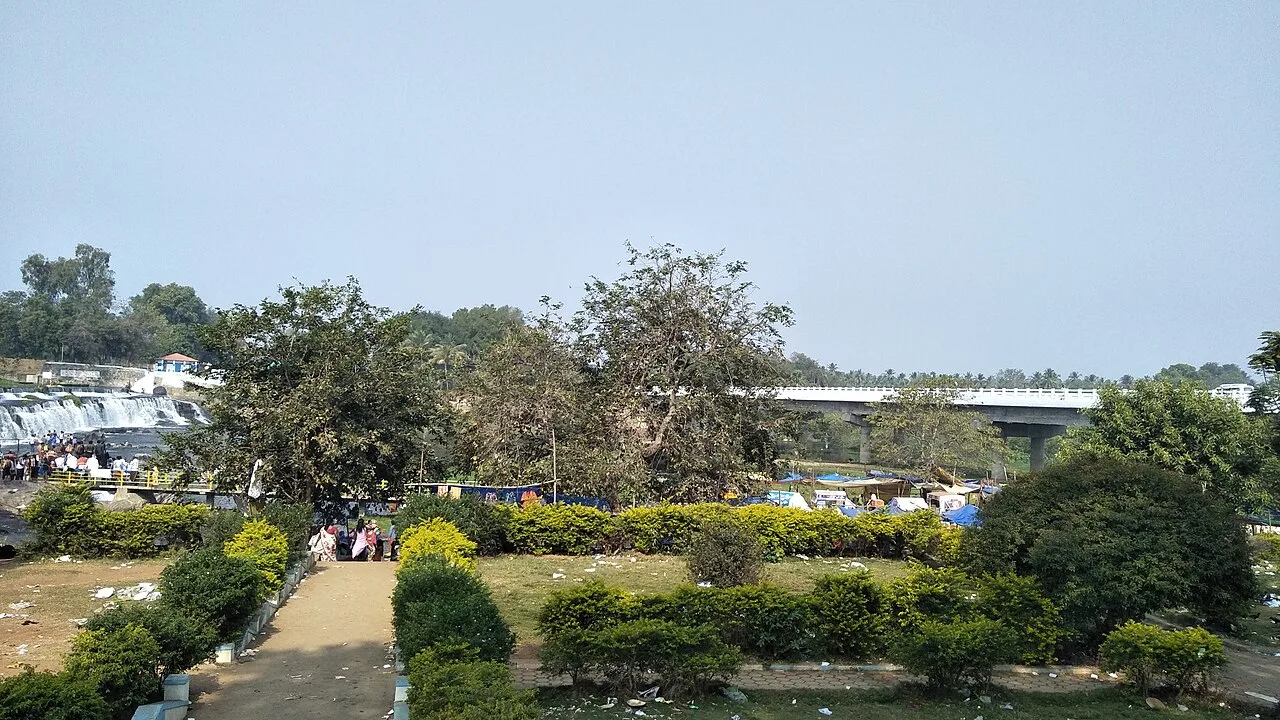
Kodiveri Dam, near Sathyamangalam

City guide · Tamil Nadu

Sathyamangalam

Sathyamangalam, often called Sathy, is a river town in Erode district and the headquarters of Sathyamangalam taluk. Set where the Eastern and Western Ghats meet, it occupies an important position between the Bhavani River valley and the forested hills to the north.

Famous for

  • Sathyamangalam Tiger Reserve
  • Bhavani River
  • Elephant movement corridor
  • Bannari Amman Temple
  • Western Ghats foothills
In the city
1
District
Erode

Why Sathyamangalam matters

Sathyamangalam, often called Sathy, is a river town in Erode district and the headquarters of Sathyamangalam taluk. Set where the Eastern and Western Ghats meet, it occupies an important position between the Bhavani River valley and the forested hills to the north. The river crosses the town and supports fertile agricultural land along its banks.

The surrounding forests are the town’s best-known draw. Sathyamangalam Tiger Reserve forms part of a wider landscape of protected forests, linked to reserves in neighbouring Karnataka by a significant corridor for elephants and other wildlife. Visitors come for the region’s forest scenery, wildlife and temple journeys, especially to Bannari Amman Temple. Sathyamangalam also serves as a practical centre for nearby farming communities and travellers moving through this part of western Tamil Nadu. Its appeal is less about urban attractions than about the meeting of river, farmland, hills and wildlife habitat.

Famous for: crafts, trade & products

Sathyamangalam is not especially known for a signature saree, handicraft or city-specific GI-tagged product. Its identity is more closely tied to agriculture and the forests around town. Markets and shops in the centre serve local residents and surrounding villages, with everyday goods and seasonal farm produce. The wider Erode region is associated with turmeric and other agricultural trade, though visitors should not mistake these regional products for a distinctive Sathyamangalam craft tradition.

For a sense of local commerce, explore the central market streets and shops, where produce and household essentials are sold alongside small eateries. Bannari Amman Temple, outside the town centre, is a major pilgrimage destination rather than a shopping district; stalls nearby cater mainly to temple visitors. Forest products and wildlife souvenirs are not appropriate purchases from a protected landscape. Travellers looking for textiles, specialist handicrafts or a broad selection of branded goods will find more choice in larger regional centres such as Erode. Sathyamangalam’s strongest visitor offering is its access to the river-and-forest setting, not a dedicated craft or factory-tour circuit.

History

Sathyamangalam’s history reflects its position between the Tamil plains and the hill country. The region was ruled by the Cheras and later came under the Vijayanagara Empire. Its river valley and routes through the surrounding hills gave it strategic importance in periods when control of the western approaches mattered.

Tipu Sultan captured the region during the conflicts of the late eighteenth century. Following his defeat, the British annexed it to their territories. Under colonial rule and in the decades that followed, Sathyamangalam continued as a local centre serving agricultural settlements and routes through the area. The Bhavani River shaped both cultivation and the settlement’s development, with wetter farmland along its banks and drier tracts farther north.

In modern Tamil Nadu, Sathyamangalam is a municipality and taluk headquarters in Erode district. The surrounding forest landscape gained formal conservation status as a wildlife sanctuary in 2008 and as a tiger reserve in 2013, bringing increased attention to the region’s wildlife and its role in connecting habitats across state borders.

Food, festivals & culture

Tamil is the main language of daily life, and Kannada is also heard because of the town’s proximity to Karnataka; English is used in some commercial and visitor-facing settings. Food reflects the broader Kongu region: rice-based meals, idli and dosa, and dishes flavoured with tamarind, lentils and local spices are common. Millet and ragi preparations are also part of the wider regional food culture. Small restaurants and eateries in the town centre are convenient places to try a simple local meal.

Pongal, the harvest festival in January, is celebrated in homes and farming communities. Deepavali and Tamil New Year are also observed. The best-known religious draw nearby is Bannari Amman Temple, where the annual Kundam festival, usually held around March or April, attracts large crowds and includes a fire-walking observance. Temples and other places of worship serve the town’s neighbourhoods, while folk music and dance feature especially at festivals and community events. Festival dates follow local religious calendars and can vary from year to year.

Visiting the city

October to February is generally a comfortable period to visit, with cooler conditions than the hotter months; monsoon weather can affect travel and outdoor plans. Coimbatore International Airport is the nearest major airport, while Erode Junction is the principal nearby railway station. From either, continue by road to Sathyamangalam.

Local buses, auto-rickshaws and hired vehicles are useful for getting around town. The central market area and Bhavani riverbanks offer a feel for everyday Sathyamangalam; Bannari Amman Temple and the forest-edge routes are worthwhile excursions. Access to reserve-forest areas is subject to conservation rules and local restrictions, so check conditions before setting out and do not assume wildlife sightings. A hired vehicle is useful for exploring beyond the town.

Attractions

Places to visit in Sathyamangalam

Sights within about 12 km of each other, even when they fall in different districts.

Map

Sathyamangalam on the map

  1. 1Kodiveri Dam

Tamil Nadu

Other cities to explore