Ghumoopedia — Explore, Discover, Experience
Sign in
Srirangam Ranganathaswamy Temple, near Sirugamani

City guide · Tamil Nadu

Sirugamani

Sirugamani is a small panchayat town in Srirangam taluk, Tiruchirappalli district, set beside the Kaveri River. It lies in the Tiruchirappalli region between Perugamani and Kaavalkara Palayam, near Pettavaithalai.

Famous for

  • Kaveri riverbank setting
  • Tiruchirappalli hinterland
  • Rural Tamil Nadu life

Why Sirugamani matters

Sirugamani is a small panchayat town in Srirangam taluk, Tiruchirappalli district, set beside the Kaveri River. It lies in the Tiruchirappalli region between Perugamani and Kaavalkara Palayam, near Pettavaithalai. Its importance is primarily local: it serves as a settled riverside community within the wider network of villages and towns around Tiruchirappalli rather than as a large, independent tourist centre.

The river is the town’s defining feature and gives visitors a sense of the agricultural landscape and everyday life of central Tamil Nadu. Sirugamani can suit travellers interested in quieter settlements and the countryside beyond the city, or those passing through the Kaveri corridor. Its location also makes it possible to include in a wider visit to Tiruchirappalli and Srirangam, whose major religious and heritage sites are better known. Sirugamani itself is not widely associated with a signature monument, craft or commercial product; its appeal is its riverside setting and its place in the region’s lived-in landscape.
Famous for: crafts, trade & products

Sirugamani is best understood for its setting on the Kaveri and its role as a small local centre, not for a nationally recognised textile, handicraft or industrial specialty. No particular GI-tagged product or distinct craft tradition is widely associated with the town. Visitors should therefore avoid expecting dedicated craft districts, factory tours or specialist shopping streets.

Everyday needs are generally met through neighbourhood shops and local services. For a broader choice of clothing, household goods, regional foods and organised retail, Tiruchirappalli is the main nearby urban centre. Travellers looking for established craft and textile shopping can explore the wider Tiruchirappalli area, but should not assume that products sold there are made in Sirugamani. The town’s most distinctive feature for a visitor is the Kaveri-side landscape and the experience of a small settlement in the river plain. For local purchases, ask residents about current shops and produce in the neighbourhood, since availability can vary and there is no well-known visitor market or signature product to seek out.

History

Sirugamani’s history is closely tied to the Kaveri river plain, where settled communities have long depended on river water and fertile land. The wider Tiruchirappalli region has a deep history shaped by successive South Indian powers, including the Cholas, and by the development of religious centres and irrigation networks. That regional background provides context for Sirugamani, but it should not be mistaken for a documented account of particular rulers or monuments in the town itself.

In the colonial period, the surrounding area formed part of the changing administrative landscape centred on Tiruchirappalli. Modern roads, public services and local government have since connected smaller settlements more closely with the district centre. Sirugamani is now a panchayat town in Srirangam taluk. Its growth is best understood as that of a local riverside settlement serving residents and nearby communities, rather than as a major historic capital or industrial town. Detailed accounts of specific events in Sirugamani’s own past are not widely established.

Food, festivals & culture

Tamil is the principal language of daily life in Sirugamani. English may be understood in some travel or business settings, particularly in the wider Tiruchirappalli area. Food follows familiar central Tamil Nadu patterns: rice-based meals, lentils, vegetables, idli and dosa are common across the region. Pongal, a harvest festival usually celebrated in January, is an important occasion in Tamil homes; Deepavali and Tamil New Year are also widely observed. Local observances may include festivals at neighbourhood places of worship, though schedules and customs vary.

The Kaveri shapes the surrounding landscape and everyday rhythms, while worship and family celebrations remain part of community life. Visitors may encounter Hindu shrines and local devotional practices, but Sirugamani is not especially known for a major pilgrimage temple or a large public festival. Carnatic music and classical Bharatanatyam belong to the broader cultural life of Tamil Nadu and are more likely to be encountered at organised events in nearby Tiruchirappalli than as regular visitor attractions in the town. For a respectful visit, dress modestly at places of worship and ask before photographing people or ceremonies.

Visiting the city

The cooler, drier months, broadly from November to February, are generally more comfortable for exploring the area; summer can be hot, and monsoon conditions may affect travel. Sirugamani is reached most conveniently through Tiruchirappalli. Tiruchirappalli International Airport is the nearest major airport, and Tiruchirappalli Junction is the principal railway station for the region.

From the city, road travel by taxi or local bus can connect visitors with Sirugamani and nearby settlements; autos may be useful for short local journeys, depending on availability. There is no need to plan around a formal sightseeing circuit. Explore the riverbank and village lanes respectfully, and use nearby Pettavaithalai and Perugamani as local reference points. For larger temples, museums, restaurants and shopping, make Tiruchirappalli or Srirangam the main base and treat Sirugamani as a quieter regional stop.

Trips from the city

Nearest places to visit from Sirugamani

Our closest destination guides, by straight-line distance.

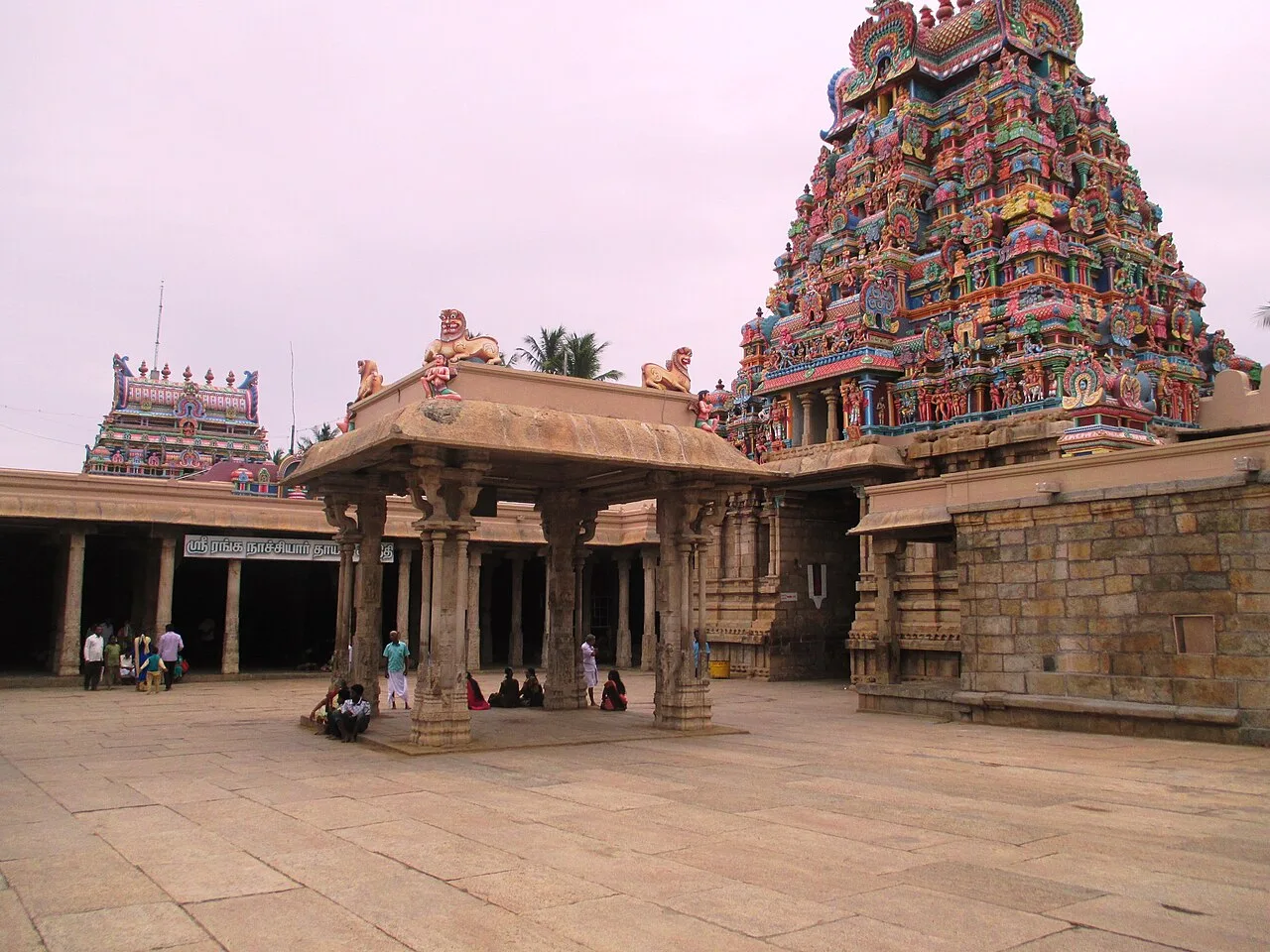
Srirangam Ranganathaswamy Temple

18 km away · Tiruchirappalli district

Srirangam Ranganathaswamy Temple

A major Vaishnava temple in Srirangam, this active shrine honours Vishnu and Lakshmi as Ranganathar and Ranganayaki. Visitors come for its religious significance, architecture and annual Margazhi festival.

Jambukeswarar Temple, Thiruvanaikaval

20 km away · Tiruchirappalli district

Jambukeswarar Temple, Thiruvanaikaval

Jambukeswarar Temple at Thiruvanaikaval is a Shiva shrine in Tamil Nadu associated with water. Visitors come to worship Jambukeshwarar and Akilandeswari and encounter the temple’s water-linked tradition.

Rockfort Ucchi Pillayar Temple

20 km away · Tiruchirappalli district

Rockfort Ucchi Pillayar Temple

Atop Rock Fort in Tiruchirappalli, Tamil Nadu, this seventh-century Hindu shrine is devoted to Ganesha. Visitors come to worship and to connect the site with a legend about Ganesha and King Vibishana.

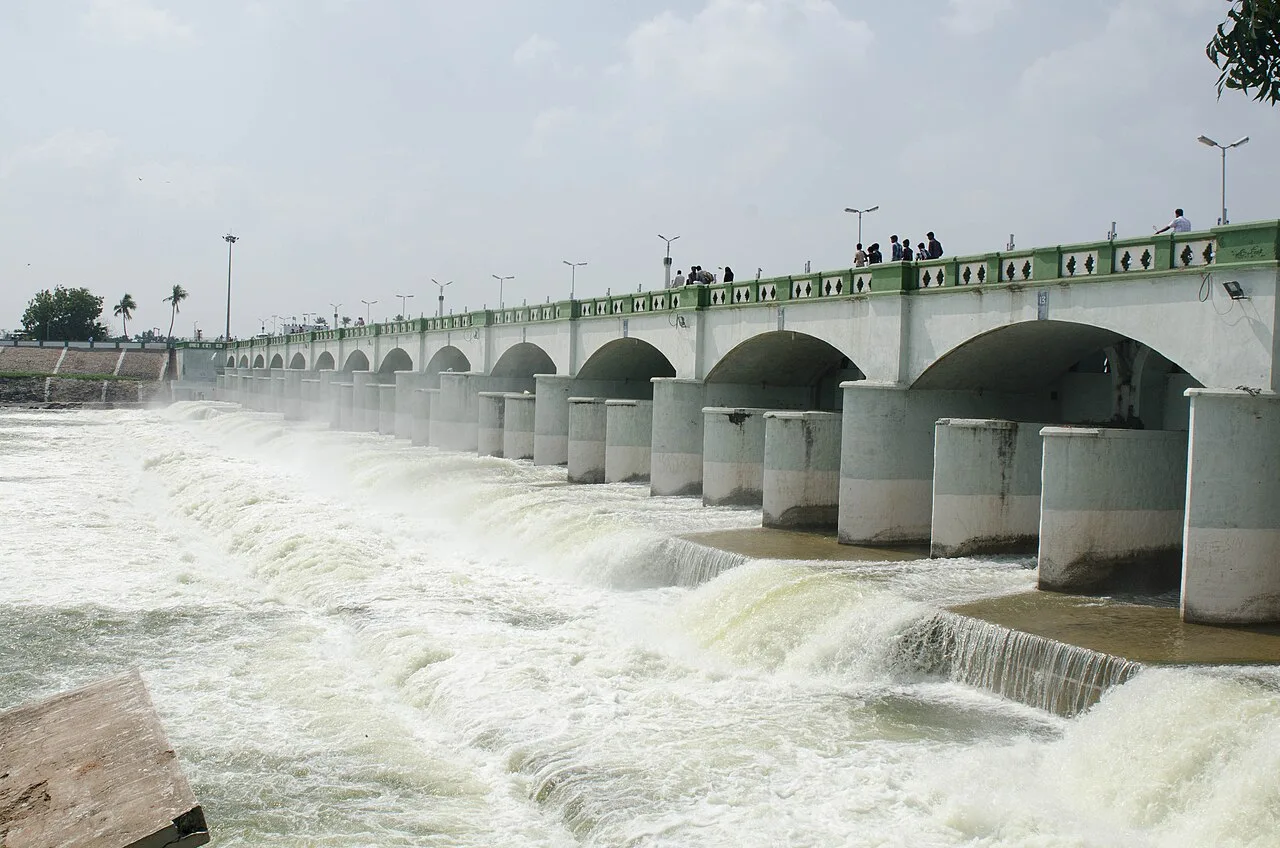
Kallanai (Grand Anicut)

32 km away · Tiruchirappalli district

Kallanai (Grand Anicut)

Kallanai, or the Grand Anicut, is a Chola-period dam across the Kaveri in Tamil Nadu. Visitors are drawn to its ancient water-management role and its distinction as a historic structure that remains operational.

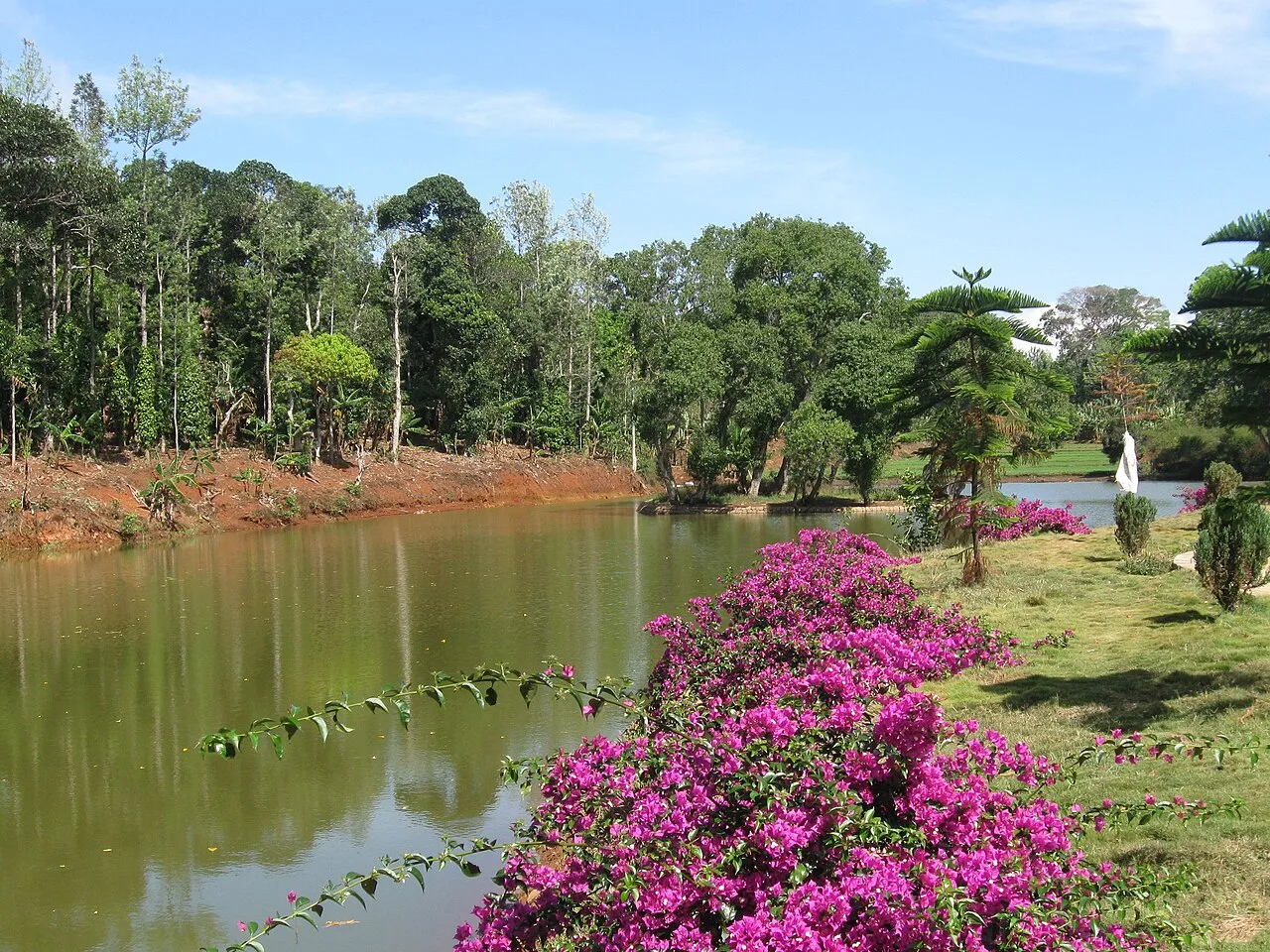
Kolli Hills

51 km away · Namakkal district

Kolli Hills

Kolli Malai, also called Kolli Hills, is a hill station and taluk within Tamil Nadu’s Namakkal district. Visitors come to the area in its capacity as a hill-station destination.

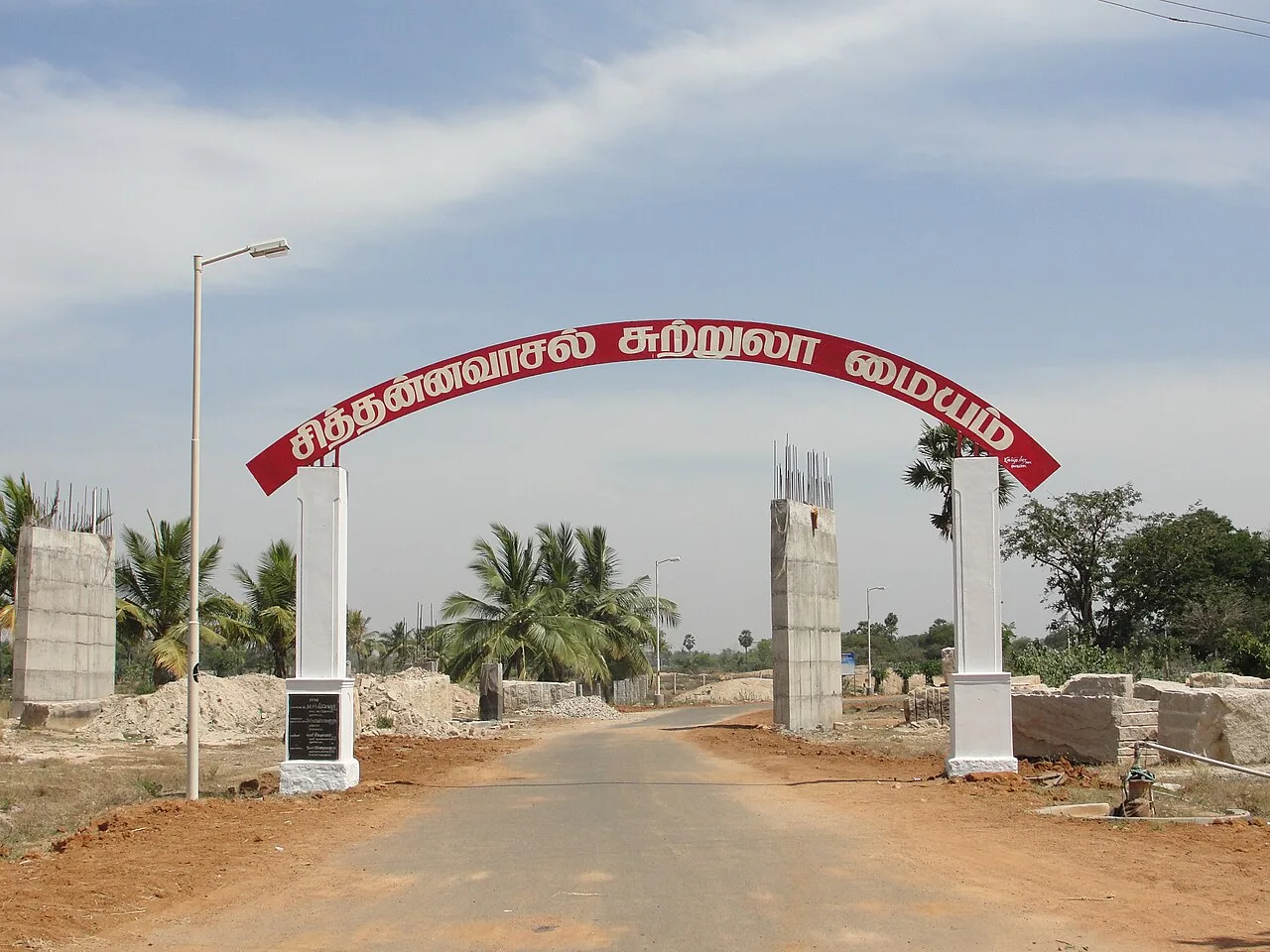
Sittanavasal Caves

53 km away · Pudukkottai district

Sittanavasal Caves

Sittanavasal is a small hamlet in Tamil Nadu’s Pudukkottai district. Visitors come to see its Jain cave complex, dated to the second century, and learn of its later role as a Jain centre.

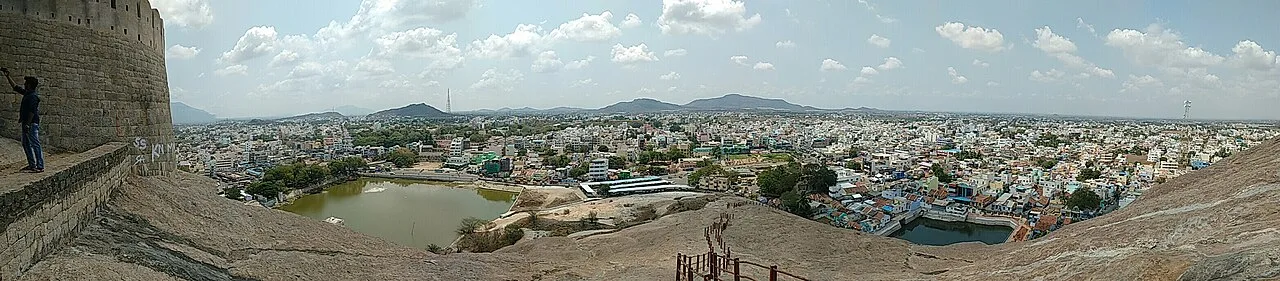
Namakkal Fort

55 km away · Namakkal district

Namakkal Fort

Rising above Namakkal, this seventeenth-century fort occupies a hillock of solid rock and contains a temple and mosque. Visitors come to see these sites and explore its history.

Brihadisvara Temple

67 km away · Thanjavur district

Brihadisvara Temple

This major Shaivite temple in Thanjavur is a celebrated Chola-era monument, noted for its granite vimana, sculpture and place within the Great Living Chola Temples.

Map

Sirugamani on the map

  1. 1Srirangam Ranganathaswamy Temple
  2. 2Jambukeswarar Temple, Thiruvanaikaval
  3. 3Rockfort Ucchi Pillayar Temple
  4. 4Kallanai (Grand Anicut)
  5. 5Kolli Hills
  6. 6Sittanavasal Caves
  7. 7Namakkal Fort
  8. 8Brihadisvara Temple

Tamil Nadu

Other cities to explore