Ghumoopedia — Explore, Discover, Experience
Sign in
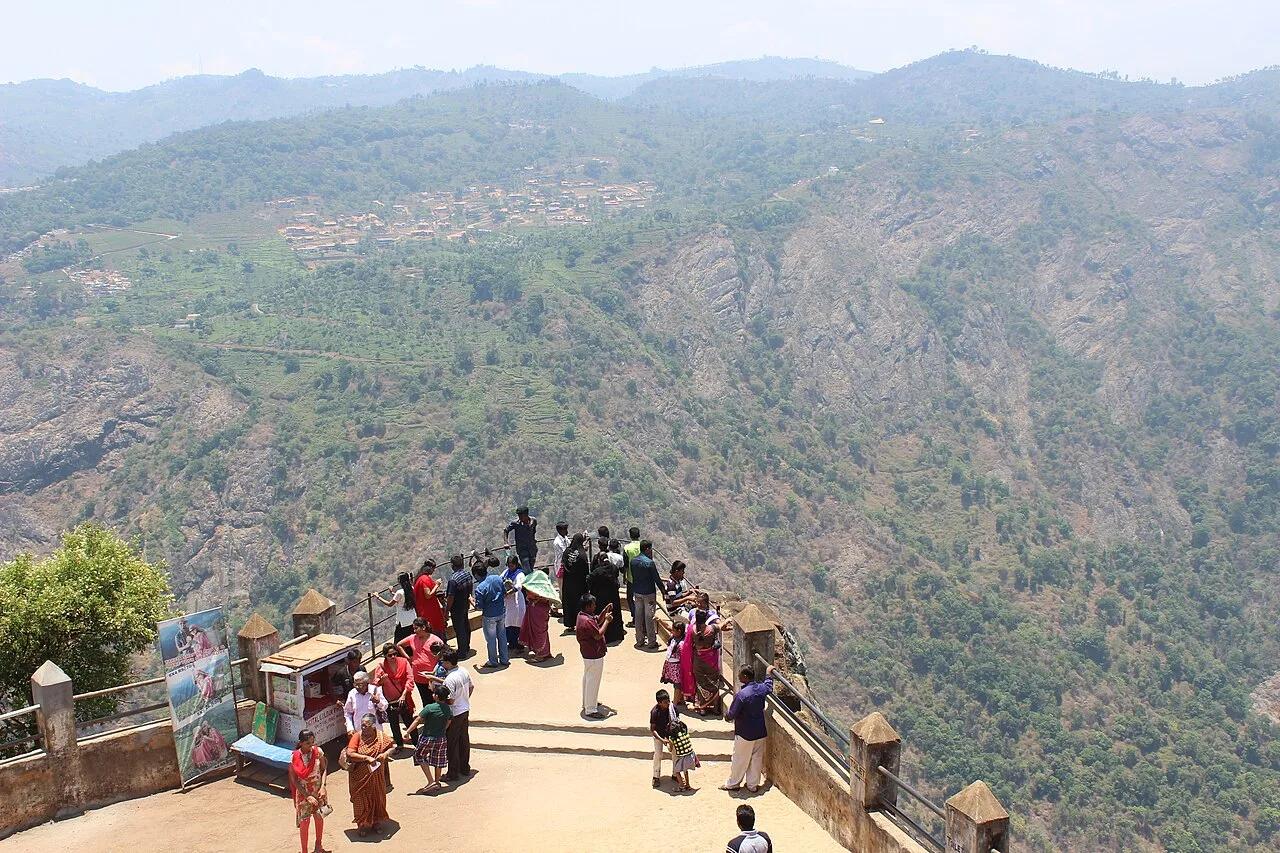
Dolphin's Nose, Coonoor, near Sirumugai

City guide · Tamil Nadu

Sirumugai

Sirumugai is a small town in Coimbatore district, set beside the Bhavani River in the western part of Tamil Nadu. Its importance comes less from big-city attractions than from its role as a local centre for silk weaving and everyday trade.

Famous for

  • Sirumugai silk sarees
  • Handloom weaving
  • Bhavani River setting
  • Kongu-region traditions

Why Sirumugai matters

Sirumugai is a small town in Coimbatore district, set beside the Bhavani River in the western part of Tamil Nadu. Its importance comes less from big-city attractions than from its role as a local centre for silk weaving and everyday trade. The town’s handloom tradition, especially its silk sarees, gives it a distinct place among the textile settlements of the Coimbatore region.

The river and the surrounding countryside shape the town’s landscape, while Mettupalayam provides a nearby transport and service hub. Visitors come to learn about local weaving, experience a quieter town away from Coimbatore, or use the area as a stop while travelling towards the Nilgiri foothills. Sirumugai is also a useful base for seeing how craft, agriculture and small-town life intersect in Kongu Nadu. The Bhavani is a defining feature, though river conditions and access can vary; it should not be assumed to be suitable for swimming or recreation.

Famous for: crafts, trade & products

Sirumugai is best known for silk sarees and handloom weaving. The craft supports local livelihoods and connects the town to Tamil Nadu’s broader textile economy. Sarees and other woven goods are most readily sought at local textile shops and through weaving units or sellers in town; asking locally can help identify current producers and available designs. Buyers should check whether a piece is handwoven and what fibres it contains, since products and labelling vary.

The town is not especially known for a large visitor-oriented shopping district, and its textile trade is more local in scale than the major wholesale markets of Coimbatore and Tiruppur. There is no need to assume that every product sold as a Sirumugai textile has a geographical indication tag; verify any such claim with the seller. Everyday shops serve residents and nearby villages, while Mettupalayam offers a wider range of general shopping and services. Weaving is the clearest craft association; claims about other signature handicrafts or a distinct local food product should be checked before purchase.

History

Sirumugai’s history is best understood in the context of the wider Kongu region, whose settlements grew through agriculture, local trade and craft production. The area’s rivers and cultivable lands helped sustain communities, while routes linking the plains with the Nilgiri foothills connected nearby towns and villages. Silk weaving became an important part of Sirumugai’s identity, although detailed accounts tracing the craft’s beginnings in the town are limited.

The wider Coimbatore region experienced successive periods of South Indian rule and later came under British administration. These regional changes affected land administration and transport, but should not be mistaken for a documented account of specific events within Sirumugai itself. In modern Tamil Nadu, Sirumugai developed as a town panchayat within Mettupalayam taluk. Its civic administration, local services and links to Mettupalayam and Coimbatore reflect its present role as a small regional centre. Weaving and everyday commerce remain central to its character.

Food, festivals & culture

Tamil is the principal language of daily life; English may be understood in some businesses and public-facing services. Local food reflects the wider Kongu and Tamil traditions, with rice, idli, dosa, sambar and vegetable dishes common choices. Meals may also include millet preparations and coconut-based flavours. Food options are generally modest-town eateries rather than a specialised dining scene, and menus vary between establishments.

Pongal, usually celebrated in January, is an important harvest festival across the region. Deepavali, generally in October or November, and Tamil New Year in April are also widely observed. Temple festivals take place at different times of year, with dates varying by temple and local calendar. Hindu temples are part of the town’s religious landscape, alongside places of worship serving other communities. Music and dance are most visible during festivals and family events; forms such as devotional singing and Tamil folk performance belong to the wider regional culture, rather than being unique to Sirumugai.

Visiting the city

The cooler months, roughly November to February, are generally more comfortable for exploring; April and May tend to be hotter, and seasonal rain can affect travel. Coimbatore International Airport is the nearest major airport. Mettupalayam Railway Station is the closest main rail connection, with onward travel to Sirumugai by road. Coimbatore is a larger transport hub for visitors arriving from farther away.

Auto-rickshaws and local buses can help with short trips, while a hired car is useful for visiting nearby places. Explore the town centre and its textile shops or ask locally about weaving units that receive visitors. The Bhavani river area offers a sense of the town’s setting, but access and conditions vary. Mettupalayam is a practical nearby stop for transport, services and additional shopping.

Trips from the city

Nearest places to visit from Sirumugai

Our closest destination guides, by straight-line distance.

Dolphin's Nose, Coonoor

17 km away · Nilgiris district

Dolphin's Nose, Coonoor

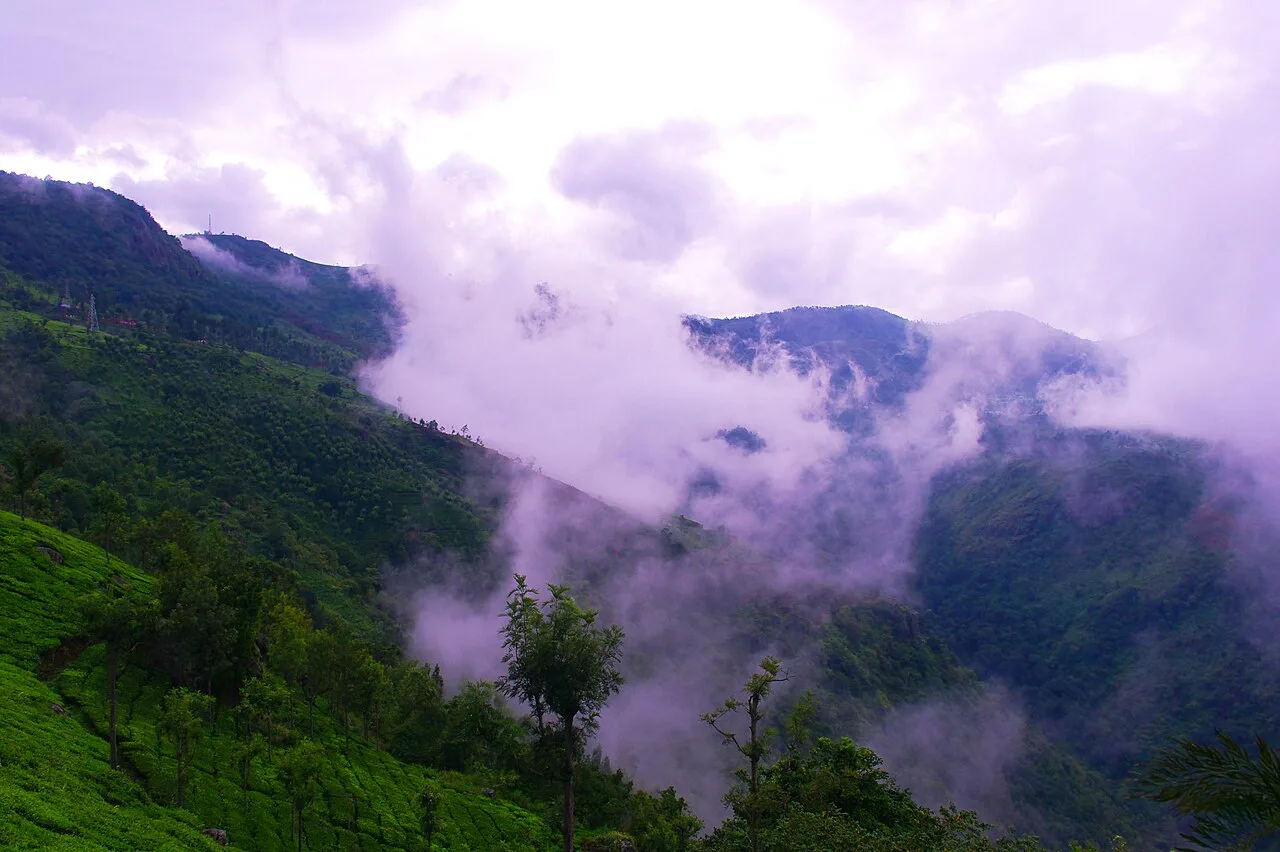
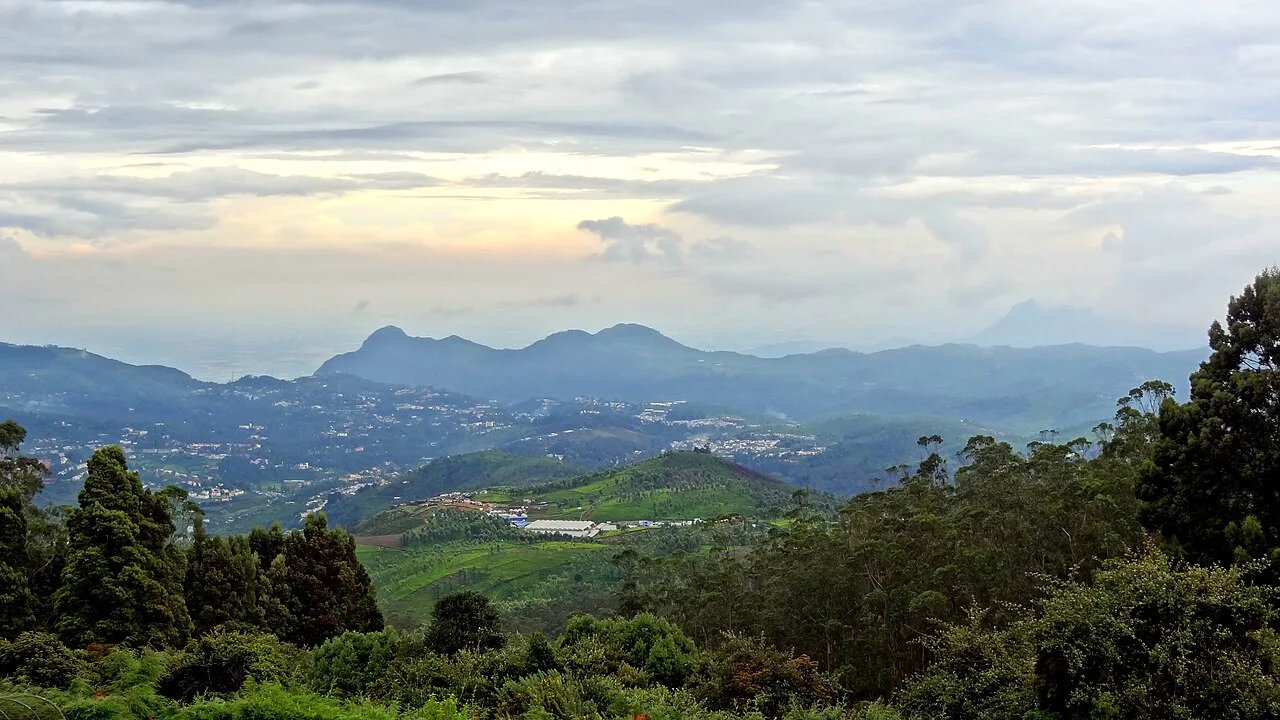
Dolphin's Nose is a viewpoint and visitor attraction at Coonoor in Tamil Nadu’s Nilgiris District, visited as a place of interest in the area.

Catherine Falls

18 km away · Nilgiris district

Catherine Falls

Catherine Falls is a two-tier waterfall near Kotagiri in Tamil Nadu’s Nilgiris district. Visitors come to see its cascades, which can be viewed from Dolphin’s Nose.

Kotagiri

18 km away · Nilgiris district

Kotagiri

Kotagiri is a hill station and municipality in Tamil Nadu’s Nilgiris district, with an elevated setting and a history as a summer destination during the Madras Presidency.

Lamb's Rock

18 km away · Nilgiris district

Lamb's Rock

Set in Tamil Nadu’s Nilgiris district, Lamb’s Rock is a Coonoor attraction in the Nilgiri Hills. Visitors come for views extending across the Coimbatore plains and tea and coffee estates.

Nilgiri Mountain Railway

22 km away · Nilgiris district

Nilgiri Mountain Railway

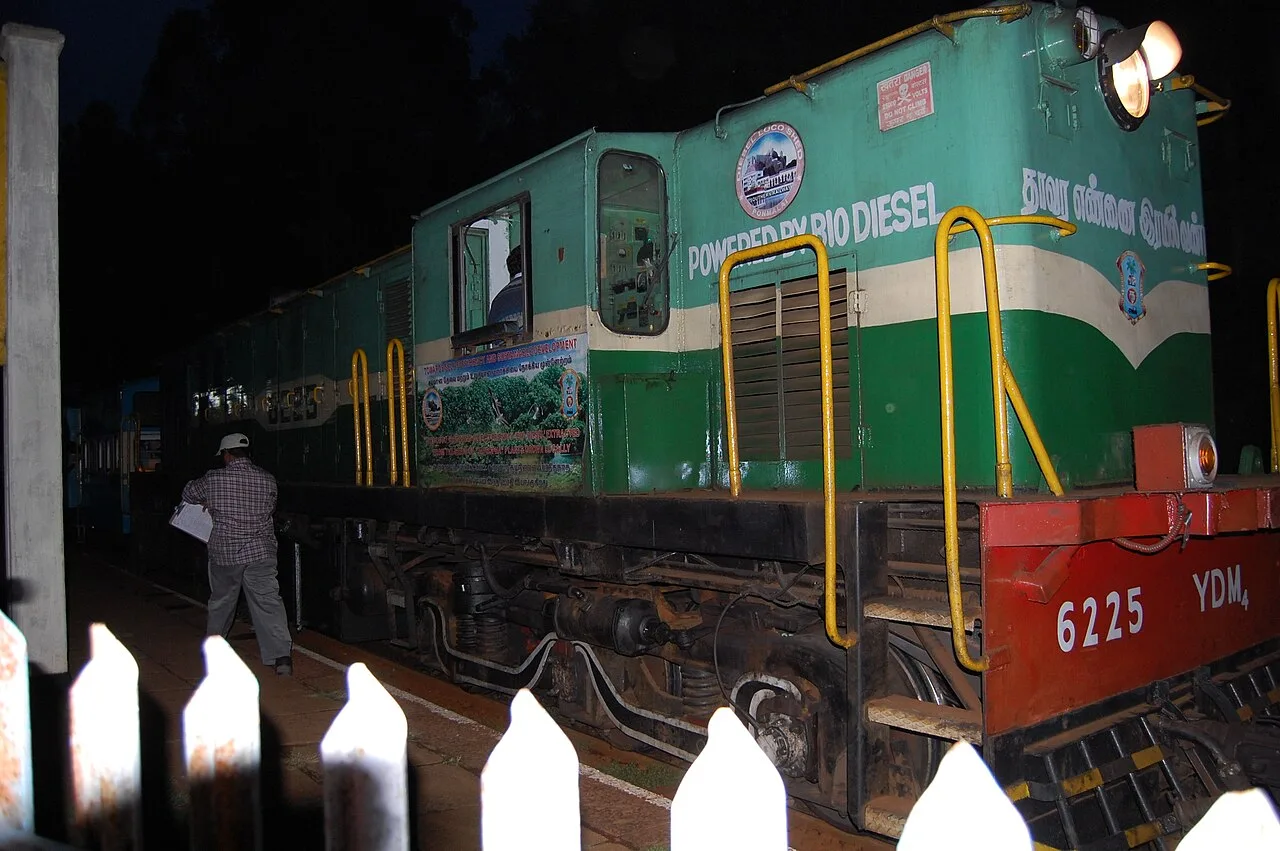
The Nilgiri Mountain Railway is a metre-gauge rack line in Tamil Nadu’s Nilgiris district. Visitors ride it for its historic railway character and steam locomotives.

Sim's Park

23 km away · Nilgiris district

Sim's Park

Located in Coonoor within Tamil Nadu’s Nilgiris district, Sim’s Park is a garden that visitors include among the town’s notable attractions.

Doddabetta

31 km away · Nilgiris district

Doddabetta

At 2,637 metres, Doddabetta is the tallest mountain in the Nilgiri range. Visitors come to its accessible summit, around 9 km from Ooty, amid the surrounding reserved forest.

Ooty Botanical Gardens

34 km away · Nilgiris district

Ooty Botanical Gardens

Ooty Botanical Gardens is a terraced garden established in 1848 on Doddabetta’s lower slopes. Visitors come to explore its different sections and plant collections in the temperate surroundings of Ooty.

Map

Sirumugai on the map

  1. 1Dolphin's Nose, Coonoor
  2. 2Catherine Falls
  3. 3Kotagiri
  4. 4Lamb's Rock
  5. 5Nilgiri Mountain Railway
  6. 6Sim's Park
  7. 7Doddabetta
  8. 8Ooty Botanical Gardens

Tamil Nadu

Other cities to explore