
Ghumoopedia — Explore, Discover, Experience
Sign in
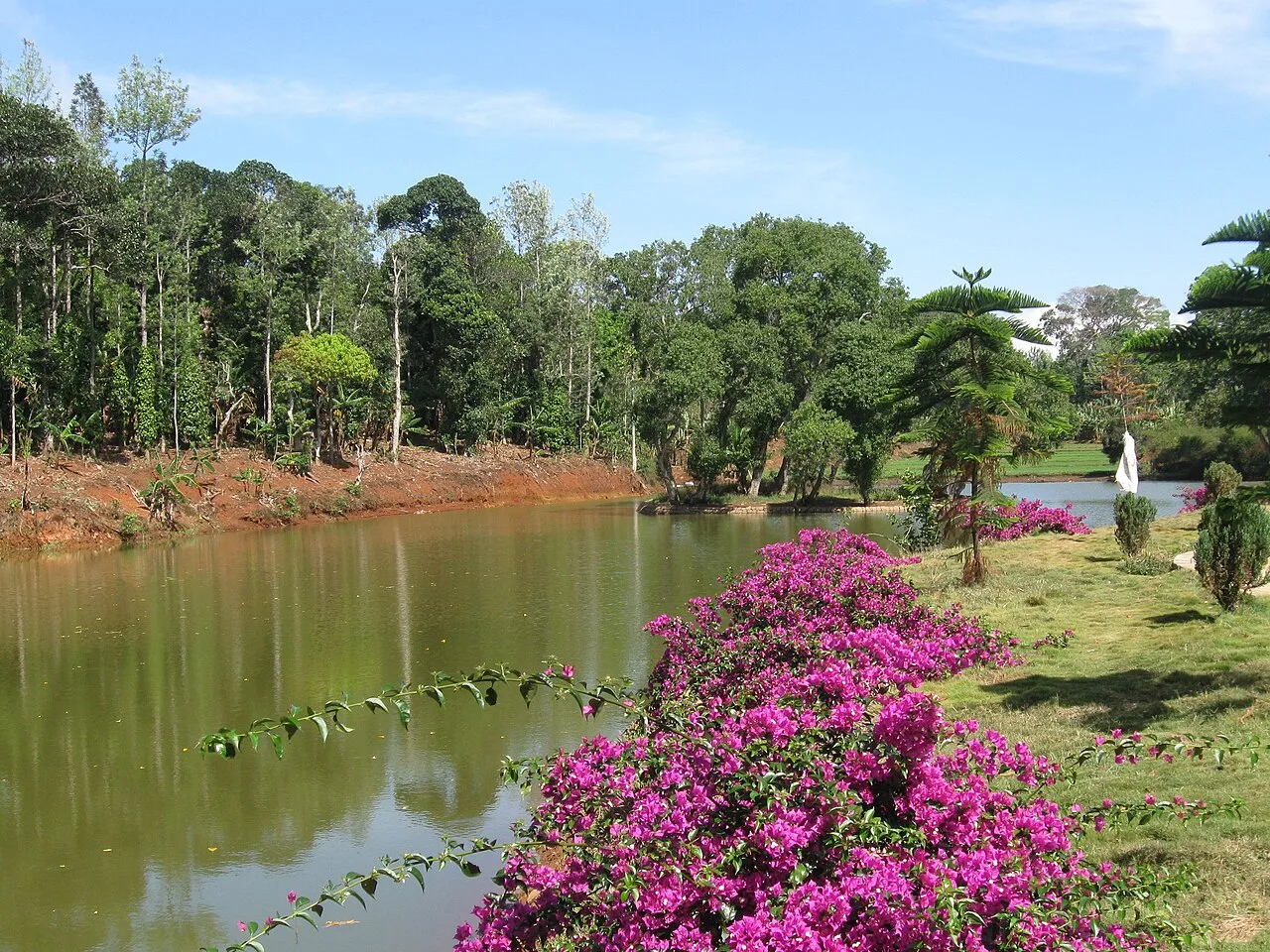
Kolli Hills, near Tammampatti

City guide · Tamil Nadu

Tammampatti

Tammampatti is a small town in Salem district, set amid the agricultural landscape of northern Tamil Nadu and within reach of the Kolli Hills. Its strongest claim to wider recognition is its tradition of wood carving: local artisans make carved objects that reflect skills passed through generations, and the craft has received a Geographical Indication (GI) tag.

Famous for

  • Tammampatti wood carving
  • GI-tagged woodcraft
  • Kolli Hills access
In the city
0
Nearby
1
District
Namakkal
Plan a trip

Why Tammampatti matters

Tammampatti is a small town in Salem district, set amid the agricultural landscape of northern Tamil Nadu and within reach of the Kolli Hills. Its strongest claim to wider recognition is its tradition of wood carving: local artisans make carved objects that reflect skills passed through generations, and the craft has received a Geographical Indication (GI) tag. For visitors, the town offers a quieter stop between Salem and the hill country, with opportunities to see workshops and experience everyday life in a regional market town.

Tammampatti also serves nearby villages through local trade, services and transport links. Its appeal is less about major visitor infrastructure than about the connection between craft, rural livelihoods and the surrounding landscape. A visit can be paired with a wider trip through Salem district or toward the Kolli Hills, while the town’s temples and market streets provide a glimpse of local routines. Those interested in handmade work will find its carved wood the most distinctive reason to pause here.

Famous for: crafts, trade & products

Tammampatti is best known for its wood-carving tradition, recognised by a GI tag. Artisans produce carved figures and decorative pieces, along with work for religious and domestic settings. The craft is made in small workshops rather than being centred on a single large visitor complex, so travellers interested in seeing it can ask locally about working artisan households and shops. Availability and the level of detail vary, and commissioned pieces may take time to complete.

The town’s everyday commerce serves nearby villages, with local shops and market streets supplying household needs and agricultural trade. It is not widely known as a centre for textiles, a particular saree, or a large industrial market, so visitors should not expect a broad specialist shopping district. When buying carved work, ask about the maker and the GI identification, and check how an item can be safely packed for travel. The craft is the clearest local product to seek out; other purchases are mostly everyday goods rather than a separate tourist speciality.

History

Tammampatti’s history is best understood within that of the Salem region, rather than through a well-documented sequence of town-specific rulers or monuments. The wider area has long been shaped by Tamil-speaking agrarian communities, village institutions and trade between settlements on the plains and routes toward the hills. As political control in the region changed over the centuries, local life continued to depend heavily on farming, craft and temple-centred traditions.

During the colonial period, the surrounding Salem region came under British administration as part of the Madras Presidency. Later, it became part of the state of Madras and then Tamil Nadu. In modern times, Tammampatti has remained a local service and market centre for nearby villages, while roads and regional transport have linked it more closely with Salem and Attur. Its wood-carving tradition is an important part of its contemporary identity, carrying forward skilled work even as livelihoods and markets have changed.

Food, festivals & culture

Tamil is the main language of daily life in Tammampatti. Food is typical of the region: rice-based meals, idli, dosa, sambar and vegetable dishes are common, with snacks and sweets available from local eateries and shops. Menus and availability vary, and the town is not especially associated with a nationally known signature dish. Agriculture and family networks remain visible in the rhythms of everyday life, alongside the work of local craftspeople.

Pongal, the harvest festival usually celebrated in January, is an important seasonal occasion, as are Deepavali and Tamil New Year in April. Temples hold local annual festivals, whose dates and customs follow their own calendars; worship may include processions, devotional singing and community gatherings. Hindu temples are part of the town’s local religious landscape, though visitors should ask residents about particular shrines and festival timings. Folk and devotional music may feature at celebrations, while Tamil film music and other contemporary forms are part of ordinary public life.

Visiting the city

The cooler months, roughly November to February, are generally the most comfortable for exploring; summers can be hot, and rain is more likely during the northeast monsoon season. Salem Airport, at Kamalapuram, is the nearest named airport, but commercial services can be limited; check current connections before planning around it. Tiruchirappalli International Airport is another option. Attur is a nearby railway access point, while Salem Junction is the larger rail hub.

Local buses, taxis and auto-rickshaws are practical ways to reach Tammampatti and move around the area. In town, explore the market streets, ask locally about wood-carving workshops, and visit neighbourhood temples respectfully. The surrounding countryside and routes toward the Kolli Hills make worthwhile extensions, but check road conditions and transport availability before setting out. Carry cash for small purchases and confirm whether a craft item can be packed securely for the journey.

Short trips

Around Tammampatti

Within about 40 km — easy half-day or day trips from the city.

Map

Tammampatti on the map

  1. 1Kolli Hills

Tamil Nadu

Other cities to explore