
Ghumoopedia — Explore, Discover, Experience
Sign in
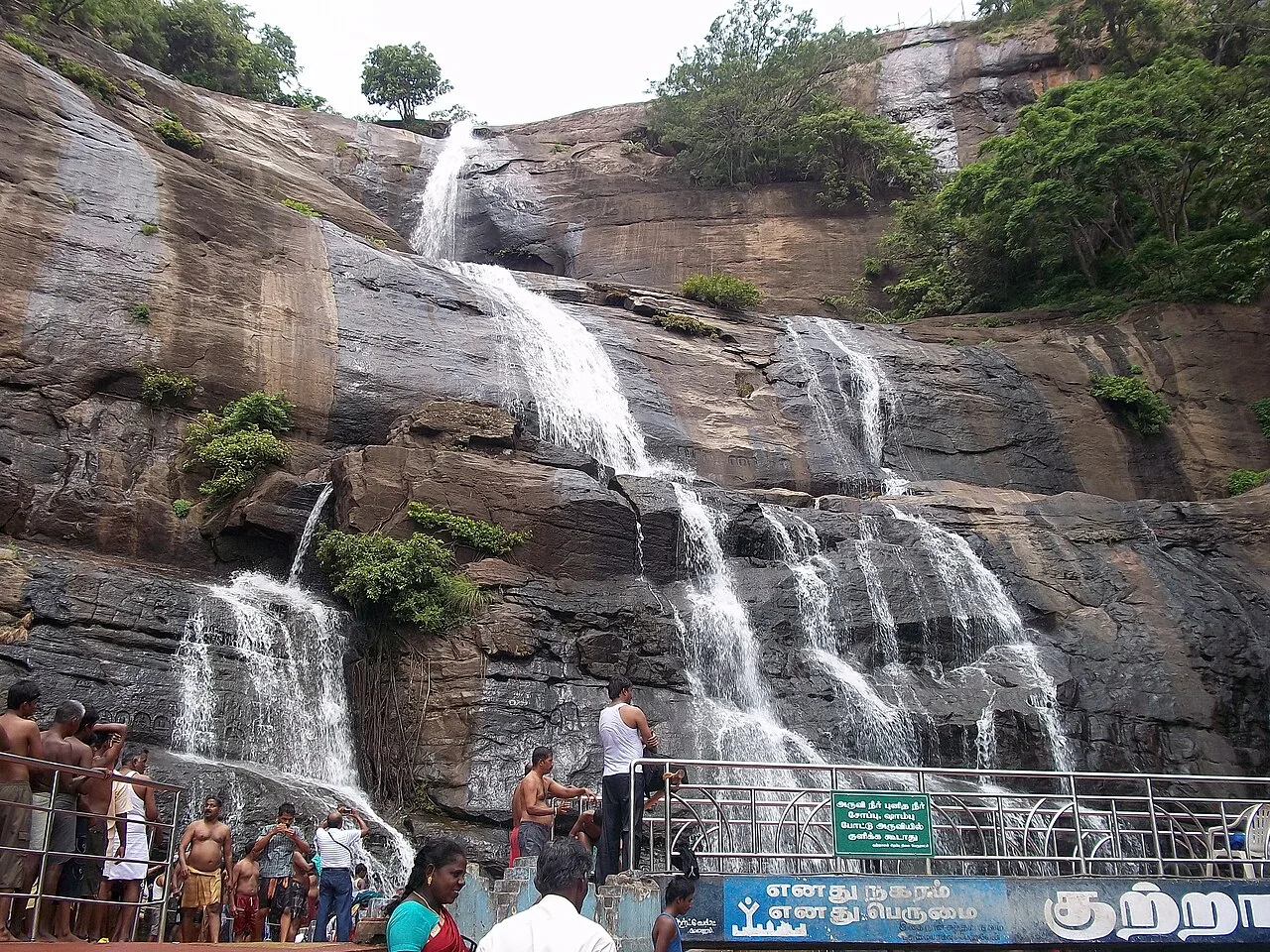
Courtallam (Kutralam) Falls, near Tenkasi

City guide · Tamil Nadu

Tenkasi

Tenkasi is a regional centre in southern Tamil Nadu and the headquarters of Tenkasi district. Its name means “south Kashi,” a reference to its location and to the Viswanathar Temple, the city’s landmark place of worship.

Famous for

  • Tenkasi Viswanathar Temple
  • Courtallam waterfalls
  • Pandya-era temple heritage
  • Western Ghats gateway
  • Tamil Shaivite traditions
In the city
1
District
Tenkasi

Why Tenkasi matters

Tenkasi is a regional centre in southern Tamil Nadu and the headquarters of Tenkasi district. Its name means “south Kashi,” a reference to its location and to the Viswanathar Temple, the city’s landmark place of worship. The temple draws pilgrims and visitors interested in its Dravidian architecture and Shaivite traditions.

The city also serves as a useful base for exploring the Western Ghats foothills and the nearby waterfalls of Courtallam, especially during the rainy season. Its markets, transport links and public services connect surrounding towns and villages, giving Tenkasi an everyday importance beyond tourism. Visitors come for a mix of temple visits, local food and excursions into the surrounding landscape. While Tenkasi is not chiefly known as a major textile or craft centre, its district setting brings it into contact with the agricultural and trading life of the region. The combination of a historic temple, a working-town atmosphere and easy access to nearby natural attractions gives the city its distinctive role in southern Tamil Nadu.

Famous for: crafts, trade & products

Tenkasi’s most visible landmark is the Viswanathar Temple, while Courtallam’s waterfalls are a well-known nearby draw. The city is not widely identified with a particular saree, handicraft or GI-tagged product, so visitors should not expect a specialised craft quarter or a signature textile market. Its commercial life is centred more on everyday retail and services for local residents and the surrounding district.

The town’s central market streets and shops are practical places to browse for groceries, household goods, clothing and regional snacks. Fresh produce and other farm goods from the surrounding countryside also feature in local trade, though availability varies by season. Small shops and eateries around the temple and busier town centre offer a sense of ordinary Tenkasi commerce. For more specialised shopping, visitors may find a wider selection in larger regional cities. The city’s strongest identity remains its temple heritage and its position as a convenient base for reaching Courtallam, rather than a nationally recognised manufacturing or craft industry.

History

Tenkasi’s history is closely associated with the Pandya rulers, whose influence shaped much of southern Tamil Nadu. The Viswanathar Temple reflects the city’s longstanding religious importance and its connection to Shaivite worship. Its name, meaning “south Kashi,” expresses the idea of a southern counterpart to the sacred northern city of Kashi. The temple complex developed over time, with its architecture and inscriptions bearing witness to changing periods of patronage.

Like other parts of the region, Tenkasi later experienced the influence of Nayak and other South Indian powers. Under British rule, it formed part of the Madras Presidency and grew as a local centre serving nearby settlements. In the modern period, improved road and rail connections strengthened its role as a market and administrative town. Tenkasi became the headquarters of its own district when Tenkasi district was created in 2019, further formalising its importance to the western part of the region. Today, historic worship, administration and local trade all contribute to the city’s character.

Food, festivals & culture

Tamil is the main language of daily life, while Malayalam is also heard in this western border region. Food is based on familiar southern Tamil Nadu cooking: rice meals, idli, dosa, sambar and a range of chutneys and spicy accompaniments. Small restaurants and tea shops serve quick meals and snacks; menus vary, so Tenkasi is better approached as a place to enjoy regional everyday cooking than as a city with one definitive dish.

Pongal, usually celebrated in January, is an important harvest festival. Tamil New Year in April and Deepavali in autumn are also widely observed. At the Viswanathar Temple, Shiva-related observances such as Maha Shivaratri, generally in February or March, bring worshippers for prayer and ritual. Temple processions and devotional music are part of the religious calendar. Classical and folk performance traditions belong to the wider Tamil cultural setting, though events vary through the year. The temple and neighbourhood shrines remain central gathering places, alongside churches and mosques serving the city’s diverse communities.

Visiting the city

The cooler, drier months from November to February are comfortable for temple visits and exploring town. Courtallam is especially popular during the southwest monsoon, roughly June to September, when waterfalls are active; heavy rain can affect access and make paths slippery. Tenkasi Junction is the main railway station. The nearest airport is Tuticorin Airport; Madurai Airport is another option with broader regional connections.

Auto-rickshaws, local buses and taxis are useful for getting around, including trips to Courtallam. Explore the streets around the Viswanathar Temple for architecture, worship and local shops, then visit the central market area for everyday town life and food. Courtallam makes a rewarding nearby excursion, but allow for changing weather and road conditions.

Attractions

Places to visit in Tenkasi

Sights within about 12 km of each other, even when they fall in different districts.

Map

Tenkasi on the map

  1. 1Courtallam (Kutralam) Falls

Tamil Nadu

Other cities to explore