
Ghumoopedia — Explore, Discover, Experience
Sign in
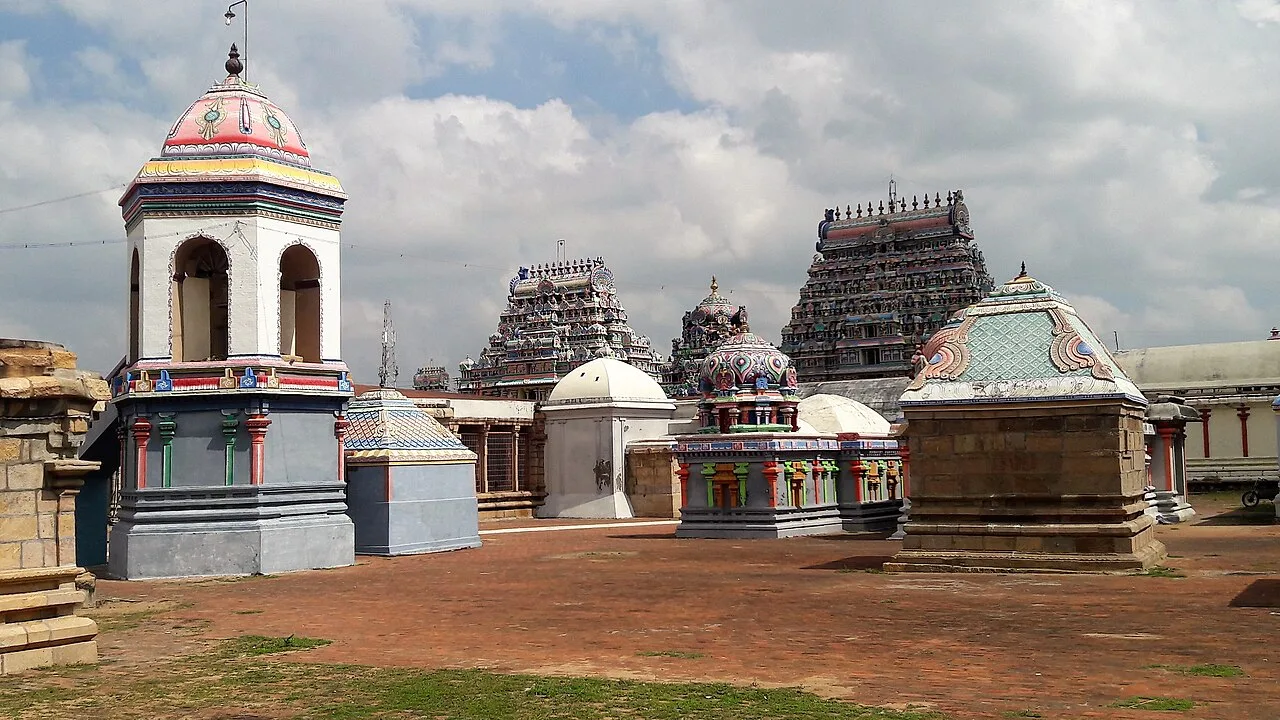
Thyagaraja Temple, near Thiruvarur

City guide · Tamil Nadu

Thiruvarur

Thiruvarur is the administrative centre of its district and a historic temple town in Tamil Nadu’s Cauvery delta. Its identity is closely tied to the Thyagaraja Temple, a major Saivite place of worship whose spacious complex and surrounding streets shape the heart of the town.

Famous for

  • Thyagaraja Temple
  • Temple chariot festival
  • Carnatic music heritage
  • Cauvery delta agriculture
  • Kamalalayam tank
In the city
1
District
Tiruvarur

Why Thiruvarur matters

Thiruvarur is the administrative centre of its district and a historic temple town in Tamil Nadu’s Cauvery delta. Its identity is closely tied to the Thyagaraja Temple, a major Saivite place of worship whose spacious complex and surrounding streets shape the heart of the town. The temple’s celebrated annual chariot festival draws devotees and visitors, while the Kamalalayam tank is a landmark beside the temple precinct.

The town also holds an important place in Carnatic music: Tyagaraja, Muthuswami Dikshitar and Syama Sastri, remembered together as the Carnatic Trinity, were born here. Thiruvarur’s heritage, living worship and musical associations make it a rewarding stop for travellers exploring the delta’s temple towns. Today it serves nearby communities through its administrative offices, markets and transport connections. Agriculture remains central to the surrounding region, where paddy fields and waterways are part of the landscape. Visitors can experience both the town’s historic character and its everyday role as a regional centre.

Famous for: crafts, trade & products

Thiruvarur is not chiefly known as a textile, handicraft or factory-shopping destination, and no particular locally made saree or GI-tagged product is a defining draw of the town. Its strongest associations are instead with the Thyagaraja Temple, the annual temple-car festival and the Carnatic Trinity. Travellers looking for specialised craft or textile shopping may find a wider selection in larger regional centres.

The town’s markets serve local households and the agricultural hinterland. Paddy is the main crop in the surrounding delta, with pulses, groundnut and sesame also grown; produce and everyday provisions are sold through shops and market areas in town. For a sense of local commerce, browse the central market streets around the town centre, where food staples, flowers and household goods reflect daily life rather than a dedicated tourist bazaar. Temple offerings and devotional items are available from shops near the Thyagaraja Temple. Visitors seeking a particular craft, packaged regional speciality or certified GI product should check its origin and availability locally rather than assume it is made in Thiruvarur.

History

Thiruvarur, historically called Arur, is mentioned in the seventh-century Saivite hymns known as the Tevaram. Its history centres on the Thyagaraja Temple, whose stone structure was developed under early Chola rulers and expanded by later dynasties. Thiruvarur became one of the traditional Chola capitals; it was also an important centre during the reign of Kulothunga Chola I. Pandyas, Vijayanagar rulers, Thanjavur Nayaks and Marathas later held or patronised the town, sustaining its religious and cultural importance.

French forces briefly captured Thiruvarur in 1759, during the contest for influence in the region. British rule followed as the former Thanjavur territories came under colonial administration. After independence, the town remained part of changing district arrangements: it was in Thanjavur district until 1991 and later became the headquarters of the newly formed Thiruvarur district in 1997. Its modern role combines district administration, regional trade and services with its long-standing temple and music heritage.

Food, festivals & culture

Tamil is the principal language of daily life, worship and local commerce. Thiruvarur is especially associated with Carnatic music because Tyagaraja, Muthuswami Dikshitar and Syama Sastri—the celebrated Trinity—were born here. The town’s temple traditions also include devotional singing and processions. Classical music is a strong part of its heritage, though visitors should not assume that a concert or dance performance is scheduled during every visit.

The Thyagaraja Temple’s annual chariot festival, usually held in April, is the major public celebration. Its immense temple car is drawn through the streets by devotees, creating a striking mix of ritual, music and crowds. Other observances include the temple’s seasonal festivals, among them celebrations associated with Margazhi, usually in December–January, and Panguni, usually in March–April. Local meals follow Tamil delta cooking, with rice, sambar, rasam, vegetables and accompaniments; idli and dosa are common choices, and tea or filter coffee is widely served. The temple and its shrines remain the town’s central places of worship.

Visiting the city

The cooler months from November to February are generally comfortable for exploring; the town is humid, and the October–December northeast monsoon can bring rain. Tiruchirappalli International Airport is the nearest major airport. Thiruvarur Junction is the main railway station, with rail connections to towns across the region.

Auto-rickshaws and local buses are useful for getting around, while the central temple precinct and nearby streets can be explored on foot. Start at the Thyagaraja Temple and Kamalalayam tank, then walk through the surrounding temple streets and browse the central market area. The railway-station approaches offer a view of everyday town life, while nearby delta villages make possible excursions for travellers with extra time. Dress respectfully at places of worship and allow more time to move around during major festival days.

Attractions

Places to visit in Thiruvarur

Sights within about 12 km of each other, even when they fall in different districts.

Map

Thiruvarur on the map

  1. 1Thyagaraja Temple

Tamil Nadu

Other cities to explore