
Ghumoopedia — Explore, Discover, Experience
Sign in
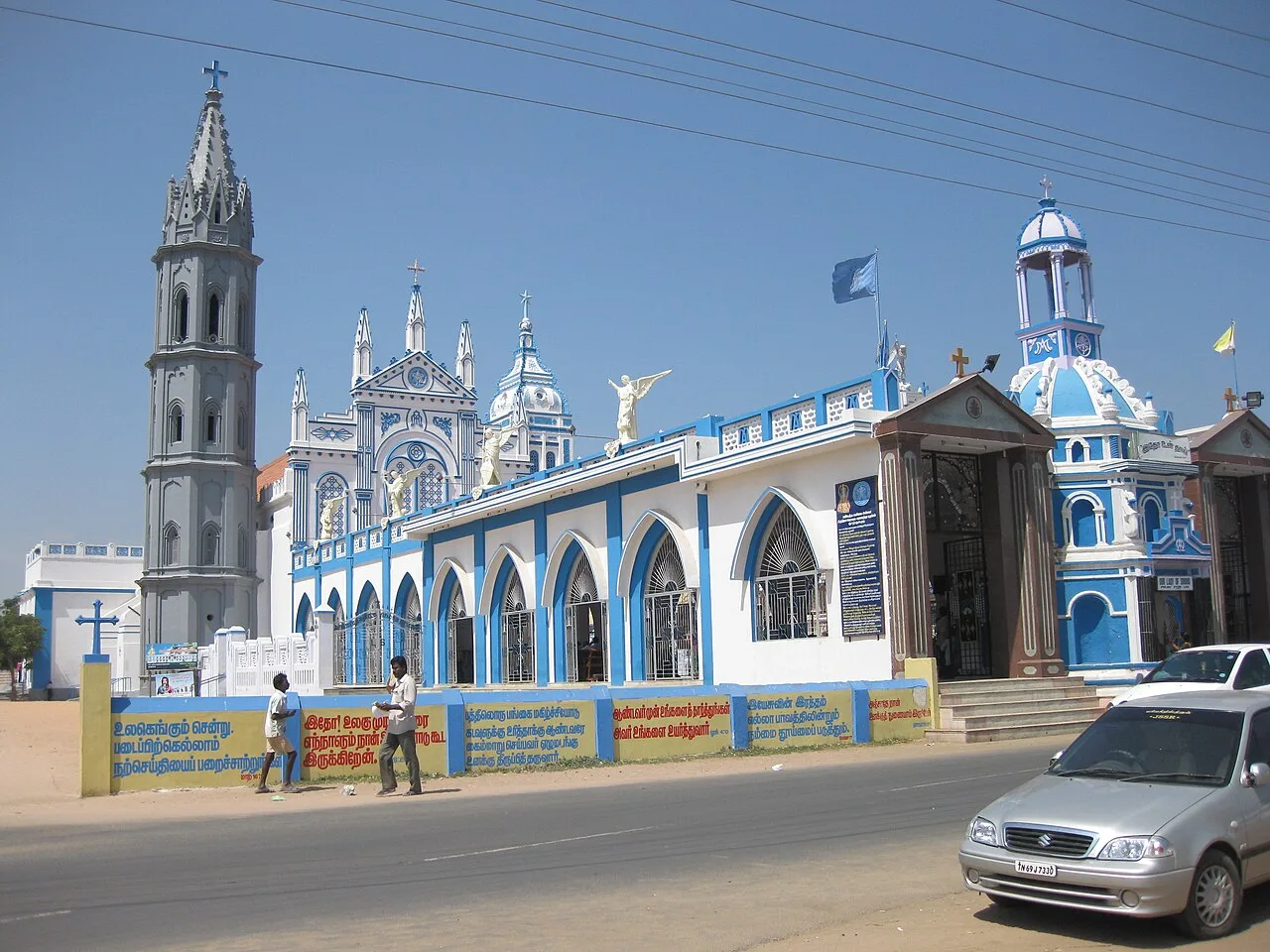
Our Lady of Snows Basilica, Tuticorin, near Thoothukudi

City guide · Tamil Nadu

Thoothukudi

Thoothukudi, also known as Tuticorin, is a coastal port city on the Gulf of Mannar and the administrative centre of its district. Its harbour connects southern Tamil Nadu with maritime trade, while salt production, fishing and port-linked industries remain important to the local economy.

Famous for

  • V.O. Chidambaranar Port
  • Tuticorin macaroons
  • Pearl-fishing heritage
  • Coastal salt pans
  • Our Lady of Snows Basilica
In the city
1
District
Thoothukudi

Why Thoothukudi matters

Thoothukudi, also known as Tuticorin, is a coastal port city on the Gulf of Mannar and the administrative centre of its district. Its harbour connects southern Tamil Nadu with maritime trade, while salt production, fishing and port-linked industries remain important to the local economy. The city is also home to Tamilnad Mercantile Bank’s headquarters and educational institutions including a medical college and a fisheries research institute.

Visitors come for the city’s seafaring history, its churches and temples, seafood and the celebrated Tuticorin macaroon. The port and pearl-fishing heritage have earned it the names “Sea Gateway of Tamil Nadu” and “Pearl City.” Nearby, the Gulf of Mannar’s islands and marine habitats offer a striking contrast to the city’s working waterfront, though access to protected areas may be regulated. Thoothukudi is less a conventional resort town than a place to explore Tamil Nadu’s coastal livelihoods, layered history and busy regional trade. It also makes a useful base for journeys around the southern coast.

Famous for: crafts, trade & products

Thoothukudi’s best-known sweet is its light, crisp macaroon, made with egg whites, sugar and cashews. Bakeries around the city sell it in boxes, making it a popular local gift. The wider district is known for Kovilpatti kadalai mittai, a peanut-and-jaggery confection; it is made in Kovilpatti and can also be found in shops and markets in Thoothukudi. Seafood, including dried fish, reflects the city’s fishing economy, while salt from nearby pans is part of its coastal trade.

Rather than a major centre for sarees or a distinctive textile tradition, Thoothukudi is known for port commerce, fishing, salt production and marine-related activity. Its central market and bazaar streets are practical places to look for sweets, dry fish and everyday regional goods. The city’s maritime character is represented by the V.O. Chidambaranar Port, while the Fisheries College and Research Institute reflects the importance of marine livelihoods and research. Visitors interested in local products can ask at established bakeries and food shops for macaroons and regional sweets; fresh seafood is best sought at local eateries.

History

The coast around present-day Thoothukudi has a long maritime past. Nearby Korkai was an important ancient centre for pearl fishing and overseas trade, associated with the Pandya kingdom. Over time, control of the region passed among South Indian dynasties and kingdoms, including the Cholas, Pandyas and Vijayanagara rulers and their successors.

Portuguese traders established themselves at Tuticorin in the sixteenth century; the Dutch followed in the seventeenth, and the British later became the dominant colonial power. The harbour grew through trade in goods such as salt, cotton and fish. Thoothukudi became a municipality in 1866, as its civic and port infrastructure developed. In the early twentieth century, the city became associated with the Swadeshi movement led in the south by V. O. Chidambaranar, whose name is now borne by the major port. A new district was formed around Thoothukudi in 1986, and the city became a municipal corporation in 2008. Today, port activity and industry continue to shape its growth.

Food, festivals & culture

Tamil is the main language of daily life; English is also used in education, business and public institutions. The city’s coastal food culture centres on fish, prawns and other seafood, often served with rice and spicy gravies. Dried fish is a familiar local product, while the crisp, cashew-rich Tuticorin macaroon is its best-known sweet. Bakeries and small eateries offer an easy introduction to these tastes.

The annual festival of Our Lady of the Snows Basilica, usually held in August, draws worshippers and visitors for religious observances and processions. Hindu temple festivals are also important, including celebrations around Chittirai in April–May, Adi Amavasai in July–August and Skanda Sashti, usually in October or November; dates vary with the Tamil calendar. Nadaswaram and percussion often accompany temple processions and ceremonies, while Tamil devotional music is heard in churches and temples. The city’s churches, shrines and places of worship reflect its diverse religious life and long coastal connections.

Visiting the city

December to February is generally a more comfortable time to visit, with less oppressive heat than in the summer months. October and November can bring rain, while March to June is hot and humid. The nearest airport is Thoothukudi Airport at Vagaikulam; the main rail gateway is Thoothukudi railway station. Road connections link the city with other towns across southern Tamil Nadu.

Auto-rickshaws and local buses are useful for getting around, and taxis can help with longer trips. Explore the central bazaar and older town streets for local shops and eateries, and visit Our Lady of the Snows Basilica and nearby places of worship. Muthu Nagar Beach offers a coastal outing. The working port is a major landmark, but access to operational areas is controlled; check locally before planning a visit. Nearby marine habitats are protected, so follow access and conservation guidance.

Attractions

Places to visit in Thoothukudi

Sights within about 12 km of each other, even when they fall in different districts.

Map

Thoothukudi on the map

  1. 1Our Lady of Snows Basilica, Tuticorin

Tamil Nadu

Other cities to explore