
Ghumoopedia — Explore, Discover, Experience
Sign in
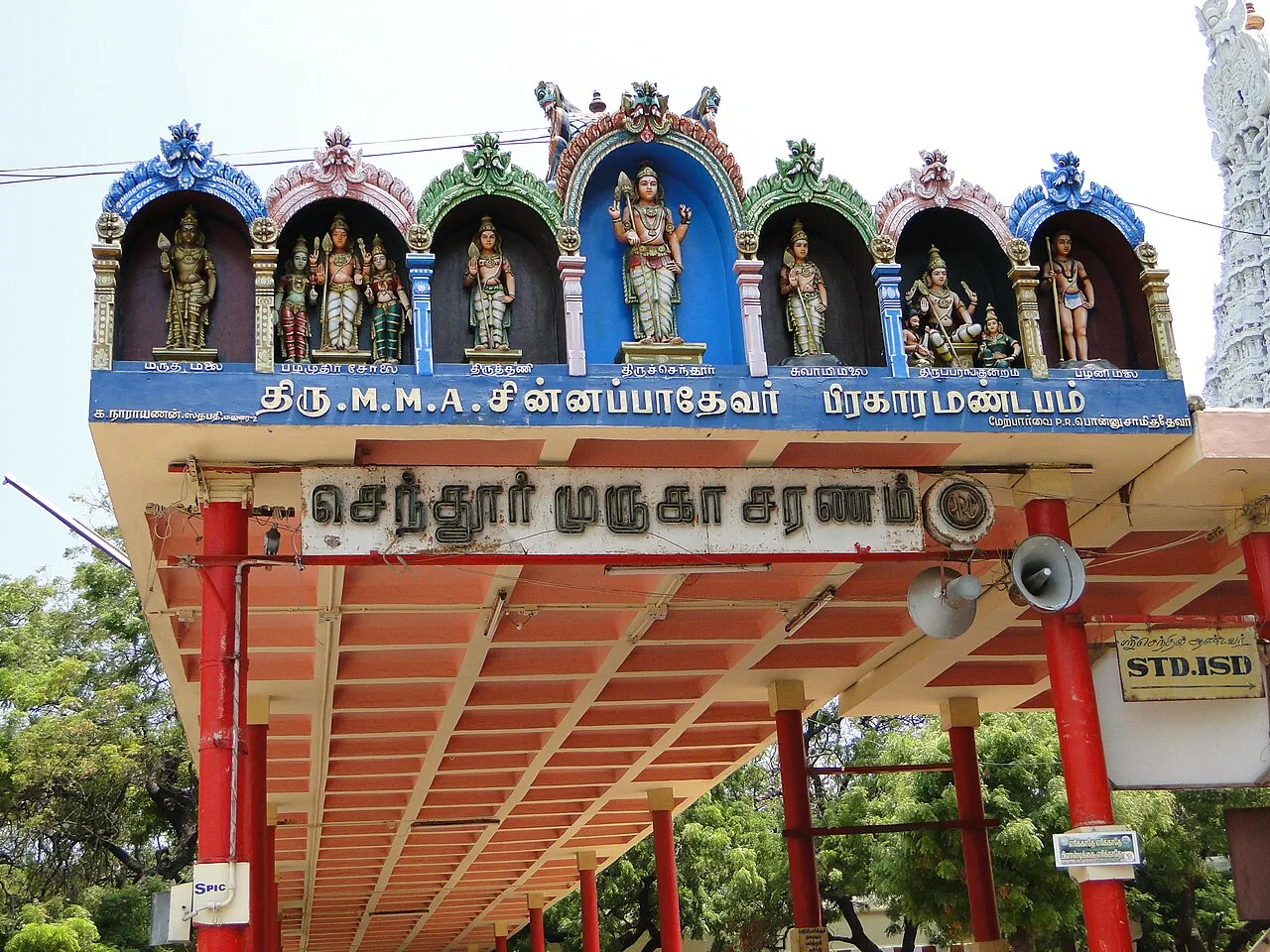
Tiruchendur Murugan Temple, near Tiruchendur

City guide · Tamil Nadu

Tiruchendur

Tiruchendur is a coastal pilgrimage town in Thoothukudi district, facing the Gulf of Mannar in southeastern Tamil Nadu. Its defining landmark is the Arulmigu Subramaniya Swamy Temple, revered as one of the six sacred abodes of Murugan.

Famous for

  • Arulmigu Subramaniya Swamy Temple
  • Murugan pilgrimage
  • Gulf of Mannar coastline
  • Skanda Sashti celebrations
  • Palmyra and cashew groves
In the city
1
District
Thoothukudi

Why Tiruchendur matters

Tiruchendur is a coastal pilgrimage town in Thoothukudi district, facing the Gulf of Mannar in southeastern Tamil Nadu. Its defining landmark is the Arulmigu Subramaniya Swamy Temple, revered as one of the six sacred abodes of Murugan. The temple draws worshippers throughout the year, while major festivals bring especially large crowds and shape the rhythm of town life.

Beyond the shrine, Tiruchendur serves nearby villages and coastal communities as a centre for local trade, transport and services. Visitors come for worship, the temple’s seaside setting and the character of the surrounding coast. The landscape inland is distinctively dry, with red-soil tracts, palm trees and cashew cultivation in the wider area. Fishing and everyday commerce are part of the local economy, alongside the activity generated by pilgrims. Tiruchendur’s importance today rests less on a major industrial identity than on its religious role and its position as a recognised destination on Tamil Nadu’s southern coast.

Famous for: crafts, trade & products

Tiruchendur is best known for its temple and the services that have grown around pilgrimage. Streets near the shrine have shops selling devotional pictures, पूजा items, flowers, coconuts, offerings and everyday visitor needs. The town also has local shops and markets serving residents and surrounding villages, with ordinary provisions and regional produce. Fish is part of the coastal economy, while palm products and cashew cultivation are associated with the wider countryside.

Tiruchendur is not especially known as a centre for a particular textile, handicraft or large-scale industry, and no distinctive city-specific GI-tagged product is widely associated with it. Visitors looking for locally made or regional goods can browse the temple-area shops and town markets, checking the origin of items rather than assuming they are made locally. For a sense of the surrounding economy, local produce and fish markets are more representative than specialist craft districts. The town’s strongest commercial identity remains its pilgrimage trade, supported by food stalls, lodging and small businesses that serve devotees and residents.

History

Tiruchendur’s history is closely tied to its coastal setting and its Murugan temple. Tamil religious tradition identifies the shrine as one of Murugan’s six abodes and links it with the deity’s victory over the asura Surapadman. The temple has developed over many centuries; its present buildings reflect successive periods of construction, repair and patronage. The region formed part of the southern Tamil country associated with the Pandya rulers, and later political powers also influenced its temples and settlements.

European maritime powers were active along the broader Gulf of Mannar and Thoothukudi coast during the colonial era, bringing changes to trade and coastal administration. Tiruchendur itself remained chiefly important as a religious centre rather than a major colonial port. In modern times, improved road and rail connections have made travel to the temple easier for pilgrims from across Tamil Nadu. The town now combines its longstanding sacred role with local commerce and services for the surrounding coastal and rural communities.

Food, festivals & culture

Temple worship and the annual festival calendar are central to Tiruchendur’s public culture. Skanda Sashti, usually held in October or November, is the best-known festival and draws devotees for worship and ceremonial observances associated with Murugan. Vaikasi Visakam, generally in May or June, is another important occasion. Festival dates follow the Tamil calendar and vary from year to year. Tamil is the everyday language; English is also understood in some visitor-facing settings.

Meals commonly include rice, lentils, vegetables and coastal fish dishes, alongside familiar Tamil snacks and sweets. Food choices are plentiful around the pilgrimage area, though menus vary between establishments. Temple visits, devotional singing and performances by traditional ensembles such as nadaswaram and tavil are part of the local religious soundscape, especially during festivals. The Subramaniya Swamy Temple is the town’s principal place of worship and cultural focus; visitors will also encounter smaller neighbourhood shrines and other places of worship across the town.

Visiting the city

The cooler months from November to February are generally the most comfortable for visiting. The northeast monsoon can bring rain from around October to December, while summer is hot; check seasonal conditions before planning outdoor time. The nearest airport is Thoothukudi Airport at Vagaikulam. Tiruchendur railway station serves the town, with onward connections available through the regional rail network.

Auto-rickshaws, local buses and taxis are useful for getting around. The temple precinct and surrounding shopping streets are the natural starting point, with the nearby shoreline offering a different view of the town. The central market and older town streets are worth exploring for everyday commerce and food. During major temple festivals, expect heavier crowds and allow extra time to move around the shrine area.

Attractions

Places to visit in Tiruchendur

Sights within about 12 km of each other, even when they fall in different districts.

Map

Tiruchendur on the map

  1. 1Tiruchendur Murugan Temple

Tamil Nadu

Other cities to explore