
Ghumoopedia — Explore, Discover, Experience
Sign in
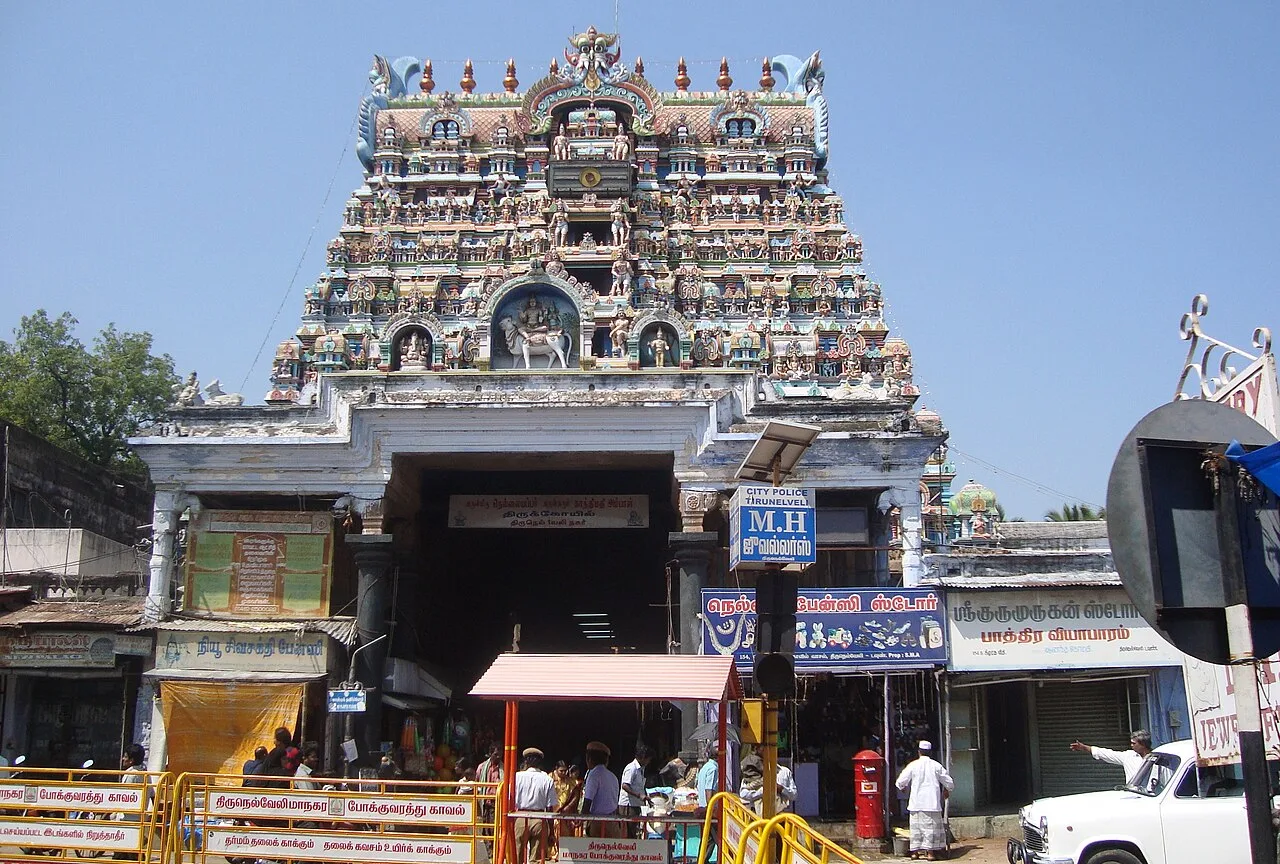
Nellaiappar Temple, near Tirunelveli

City guide · Tamil Nadu

Tirunelveli

Tirunelveli, also called Nellai, is an important administrative, educational and commercial centre in southern Tamil Nadu. Set on the west bank of the Thamirabarani River, it faces Palayamkottai, a major educational and institutional hub on the opposite bank.

Famous for

  • Nellaiappar Temple
  • Tirunelveli halwa
  • Thamirabarani River
  • Palayamkottai colleges
  • Agriculture and food processing
In the city
1
District
Tirunelveli

Why Tirunelveli matters

Tirunelveli, also called Nellai, is an important administrative, educational and commercial centre in southern Tamil Nadu. Set on the west bank of the Thamirabarani River, it faces Palayamkottai, a major educational and institutional hub on the opposite bank. The river and its irrigation network support farming across the surrounding region, while city businesses serve communities throughout the district.

Visitors come for Nellaiappar Temple, a major historic Shiva shrine, and for the city’s celebrated wheat halwa, especially the version associated with the old Town area. Tirunelveli also makes a useful base for exploring southern Tamil Nadu, including the Thamirabarani valley and destinations in the nearby Western Ghats. Its character combines temple-centred streets and traditional markets with colleges, hospitals, public offices and newer commercial districts. Agriculture and food-related businesses remain part of the local economy, alongside services, manufacturing and information technology. This mix of regional importance, heritage and distinctive food gives Tirunelveli a significance beyond its role as a district headquarters.

Famous for: crafts, trade & products

Tirunelveli’s best-known local speciality is its wheat halwa, a glossy sweet traditionally made with wheat, sugar and ghee. The old Town area, around the Nellaiappar Temple, is a good place to look for established sweet shops and other local snacks. Halwa is widely sold in the city, but recipes and styles vary between makers. Rice, pulses and other agricultural produce from the surrounding region also pass through local wholesale and retail markets.

The city is not especially identified with one signature saree tradition or a single defining handicraft. Visitors will find everyday textiles, garments and household goods in central shopping streets and markets, rather than a dedicated craft quarter. Palm-based goods and products such as palm jaggery are associated with the wider southern Tamil region, though they are not exclusive to Tirunelveli. The local economy includes food processing, textiles, tobacco products, cement and brick manufacturing, as well as services and information technology; some industrial activity is in the district beyond the city itself. Education is another prominent sector, with institutions in both Tirunelveli and Palayamkottai. Manonmaniam Sundaranar University is based in the city, and Palayamkottai has a concentration of colleges and medical institutions.

History

Tirunelveli has a long history, with references to the region in Sangam-era literature and evidence of early Pandya rule. The Nellaiappar Temple is central to local tradition and the city’s historic identity. Chola rule extended here in the 11th century, followed by the later Pandyas, for whom Tirunelveli became an important secondary centre. The Vijayanagara Empire and then the Madurai Nayaks shaped the region in later centuries, with temple building and irrigation contributing to its growth.

From the 18th century, the East India Company expanded its influence over the area. Local palaiyakkarars, including forces associated with Veerapandiya Kattabomman, resisted Company control during the Polygar Wars. British authority was established in the region by the early 19th century, and Tirunelveli became the headquarters of the district formed in 1790. Under British rule it was known by the anglicised name Tinnevelly. After independence, it became part of Madras State, later renamed Tamil Nadu. Modern Tirunelveli has grown as a regional centre for government, education, healthcare and commerce; its municipal corporation was established in 1994.

Food, festivals & culture

Tamil is the principal language of daily life, with English also used in education, business and public institutions. Tirunelveli’s food traditions draw on rice, lentils, vegetables and ingredients from the agricultural hinterland. The city is particularly famous for wheat halwa, sold by sweet shops across town. Meals may include rice with sambar, kuzhambu and vegetable sides; sodhi, a coconut-milk-based curry, is associated with the wider region and its festive cooking.

Pongal, the Tamil harvest festival in January, is widely celebrated, as are Deepavali and Tamil New Year. At Nellaiappar Temple, the annual car festival is held in the Tamil month of Aani, usually in June or July; Navaratri is another important temple season. Worship at Hindu temples is part of the city’s public life, alongside Christian churches and Muslim places of worship, especially in Palayamkottai. Temple processions feature devotional music, including nadaswaram and percussion, while Tamil folk music and dance remain part of regional celebrations. The city’s cultural life reflects both its religious institutions and its role as a meeting place for people from across the district.

Visiting the city

November to February is generally a comfortable period to visit, though the northeast monsoon can bring rain in October to December. Summer is hot, so plan outdoor sightseeing for the cooler parts of the day. The nearest airport is Thoothukudi Airport; Madurai Airport is another option. Tirunelveli Junction is the city’s main railway station, with road and rail links to other parts of Tamil Nadu.

Auto-rickshaws, taxis and local buses are practical for getting around. The Town area is the natural starting point for Nellaiappar Temple, nearby markets and halwa shops. Cross the river to explore Palayamkottai, known for its educational institutions and churches. For a longer stay, Tirunelveli can serve as a base for trips into the Thamirabarani valley and nearby hill-country destinations. Check local conditions before planning excursions during rainy periods.

Attractions

Places to visit in Tirunelveli

Sights within about 12 km of each other, even when they fall in different districts.

Map

Tirunelveli on the map

  1. 1Nellaiappar Temple

Tamil Nadu

Other cities to explore